

Commentary
Huawei pushed hard to enter the Egyptian data centers market, until the Americans made a better offer.
Angie Omar
{
  "authors": [
    "Michael McFaul",
    "Francis Fukuyama"
  ],
  "type": "legacyinthemedia",
  "centerAffiliationAll": "dc",
  "centers": [
    "Carnegie Endowment for International Peace"
  ],
  "collections": [],
  "englishNewsletterAll": "ctw",
  "nonEnglishNewsletterAll": "",
  "primaryCenter": "Carnegie Endowment for International Peace",
  "programAffiliation": "russia",
  "programs": [
    "Russia and Eurasia",
    "Democracy, Conflict, and Governance"
  ],
  "projects": [],
  "regions": [
    "North America",
    "United States",
    "Middle East"
  ],
  "topics": [
    "Political Reform",
    "Democracy",
    "Foreign Policy"
  ]
}
REQUIRED IMAGE
Bush did not enter the White House with a mission to promote freedom around the world. As a presidential candidate, he put forward a modest foreign policy agenda that eschewed nation building. The events of September 11, 2001, however, radically jarred his thinking on the nature of international threats and triggered a fundamental reevaluation of his administration’s national security policy that elevated democracy promotion as a central objective of his foreign policy agenda.
Source: Washington Quarterly
In his second inaugural address, on January 20, 2005, President George W. Bush used the word “freedom” 25 times, “liberty” 12 times, and “democracy” or “democratic” three times. Bush did not enter the White House with a mission to promote freedom around the world. As a presidential candidate, he put forward a modest foreign policy agenda that eschewed nation building. The events of September 11, 2001, however, radically jarred his thinking on the nature of international threats and triggered a fundamental reevaluation of his administration’s national security policy that elevated democracy promotion as a central objective of his foreign policy agenda.
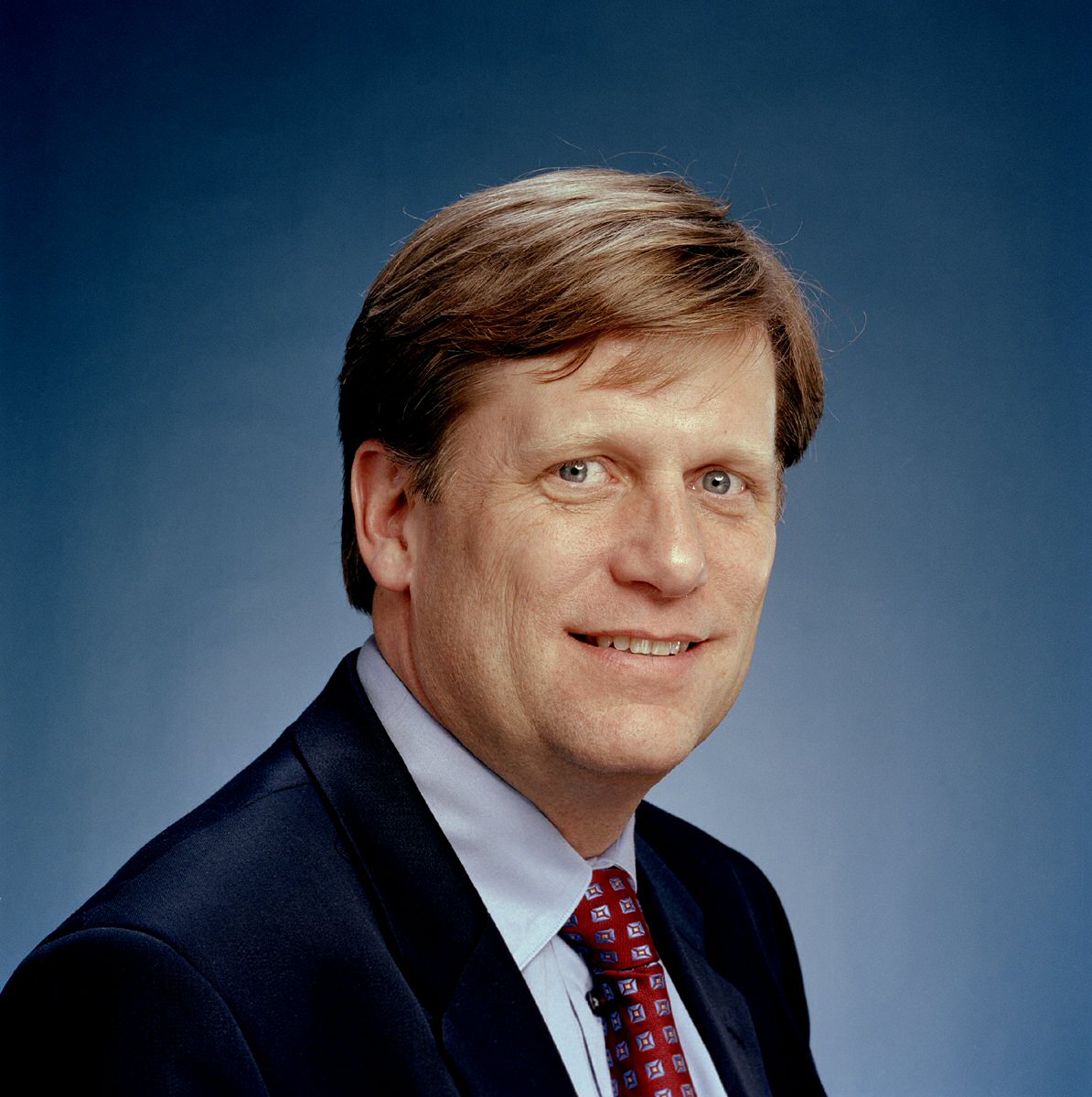
Former Senior Associate
In addition to his role at Carnegie, McFaul is Peter and Helen Bing Senior Fellow at the Hoover Institution and associate professor of political science at Stanford University.
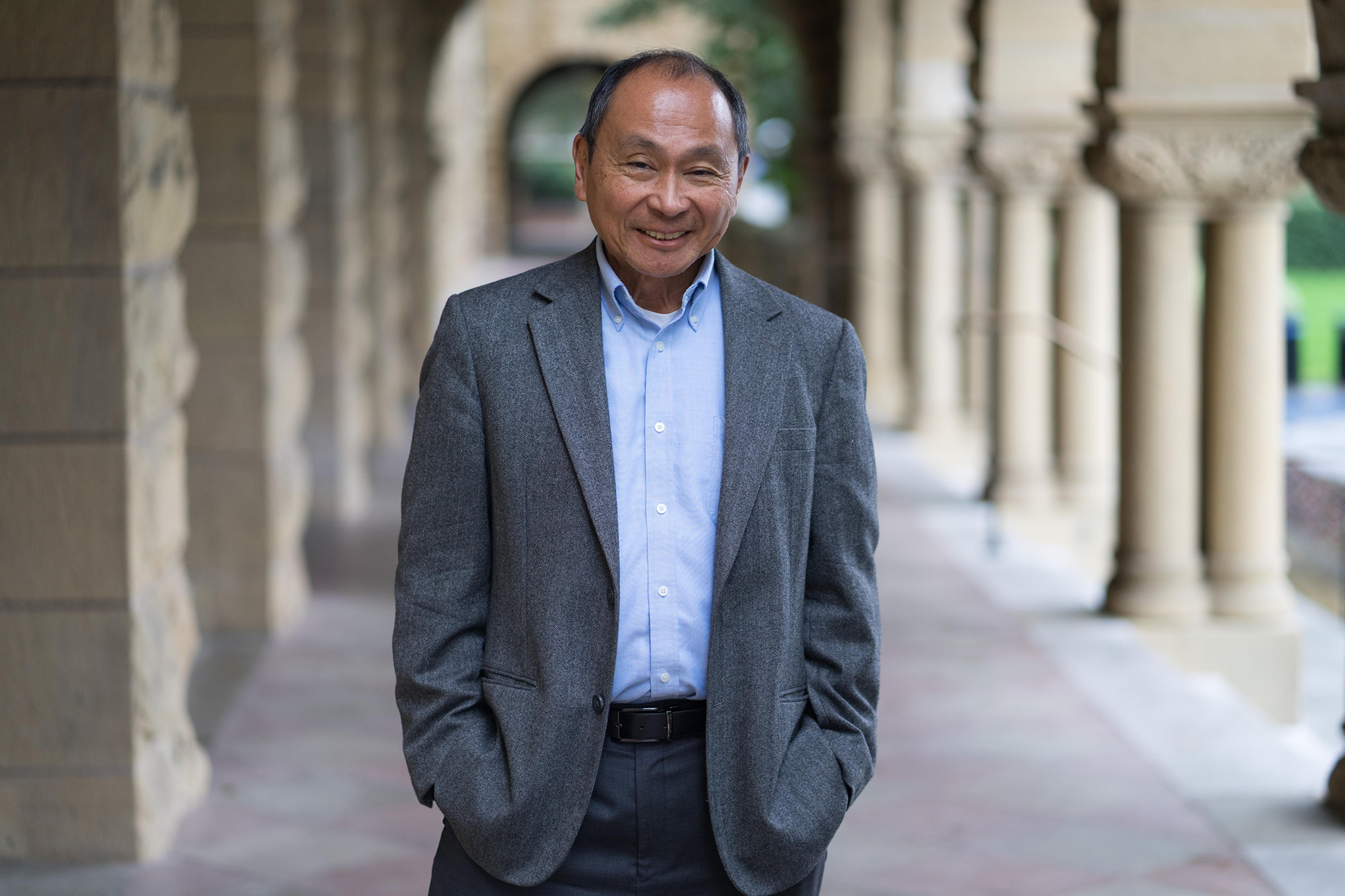
Former Nonresident Scholar, Democracy, Conflict, and Governance Program
Francis Fukuyama was a nonresident scholar in Carnegie’s Democracy, Conflict, and Governance Program, where his research focuses on democratization and international political economy.
Carnegie does not take institutional positions on public policy issues; the views represented herein are those of the author(s) and do not necessarily reflect the views of Carnegie, its staff, or its trustees.

Huawei pushed hard to enter the Egyptian data centers market, until the Americans made a better offer.

Angie Omar

Middle Eastern states should welcome an accelerated U.S. disengagement from their region.

Michael Young

In an interview, former ambassador Charles Freeman assesses the Trump administration’s war against Iran.
Michael Young

The accord represents a pivotal moment in the region to avert a security vacuum in the Gulf.


Azeema Cheema, Mohanad Hage Ali

In an interview, Jason Burke discusses his sweeping account of the “revolutionists” who so shaped the 1970s and early 1980s.
Michael Young