

Commentary
By failing to address Palestinian representation, the current process is bound to lead to just another temporary arrangement.
Nathan J. Brown
{
  "authors": [],
  "type": "pressRelease",
  "centerAffiliationAll": "dc",
  "centers": [
    "Carnegie Endowment for International Peace"
  ],
  "collections": [],
  "englishNewsletterAll": "asia",
  "nonEnglishNewsletterAll": "",
  "primaryCenter": "Carnegie Endowment for International Peace",
  "programAffiliation": "AP",
  "programs": [
    "Asia"
  ],
  "projects": [],
  "regions": [
    "North America",
    "United States",
    "India",
    "China"
  ],
  "topics": [
    "Economy",
    "Trade",
    "Military",
    "Foreign Policy"
  ]
}
REQUIRED IMAGE
The next U.S. administration needs a clear strategic vision for Asia befitting the region’s status as the new global “center of gravity.” In a new policy brief, Asia—Shaping The Future, Carnegie China Program Director Douglas H. Paal presents key steps the United States should take to advance its interests in “rising Asia.”

WASHINGTON, June 26—The next U.S. administration needs a clear strategic vision for Asia befitting the region’s status as the new global “center of gravity.” In a new policy brief, Asia—Shaping The Future Carnegie China Program Director Douglas H. Paal presents key steps the United States should take to advance its interests in "rising Asia."
Recommendations for the Next U.S. President:
Paal concludes:
"In sum, the new American administration should prepare before taking office and in the immediate aftermath to address this discrete set of issues involving the Asia-Pacific region, some big and bold, others small but telling policy adjustments. Experience has shown that it would not be wise to repeat the Clinton and George W. Bush mistakes of supporting any policy but their predecessors’. Clinton’s “anything but Bush” approach to China and Bush’s “anything but Clinton” approach to North Korea have both been costly. Whether it wins one term or two, the life of any new administration will be short in retrospect. And the time for creativity and policy innovation is much shorter yet.”
###

Carnegie does not take institutional positions on public policy issues; the views represented herein are those of the author(s) and do not necessarily reflect the views of Carnegie, its staff, or its trustees.

By failing to address Palestinian representation, the current process is bound to lead to just another temporary arrangement.

Nathan J. Brown

The armed forces champion a form of capitalism that is generating revenue, but its reliance on rent faces diminishing returns, leaving the country with massive sunk costs and deferred returns, deepening dependency on external borrowing.

Yezid Sayigh

Morocco and Algeria, each in its own way, are having to navigate the global economic fallout of the U.S.-Israeli military campaign against Iran.

Yasmine Zarhloule
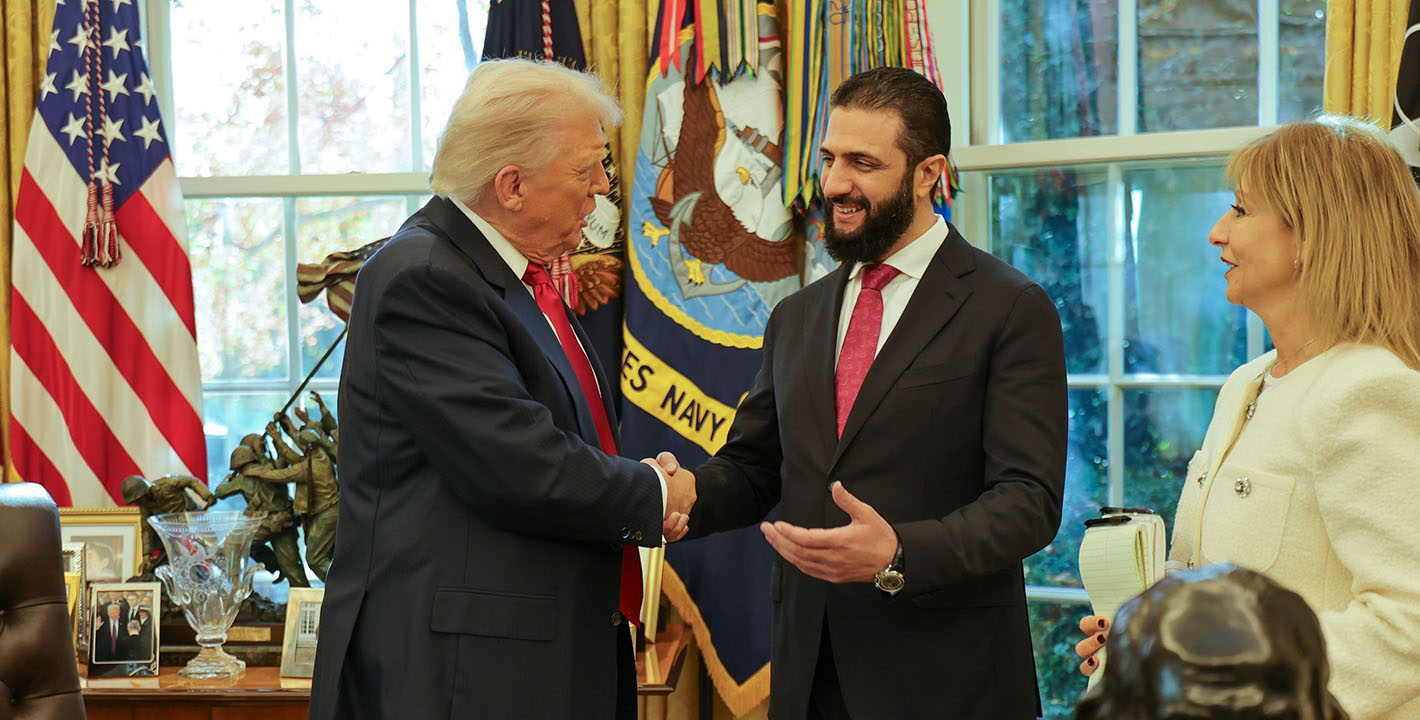
Any move by the United States to make good on Trump’s suggestion that Washington persuade Damascus to confront Hezbollah militarily would have catastrophic consequences.

Kheder Khaddour
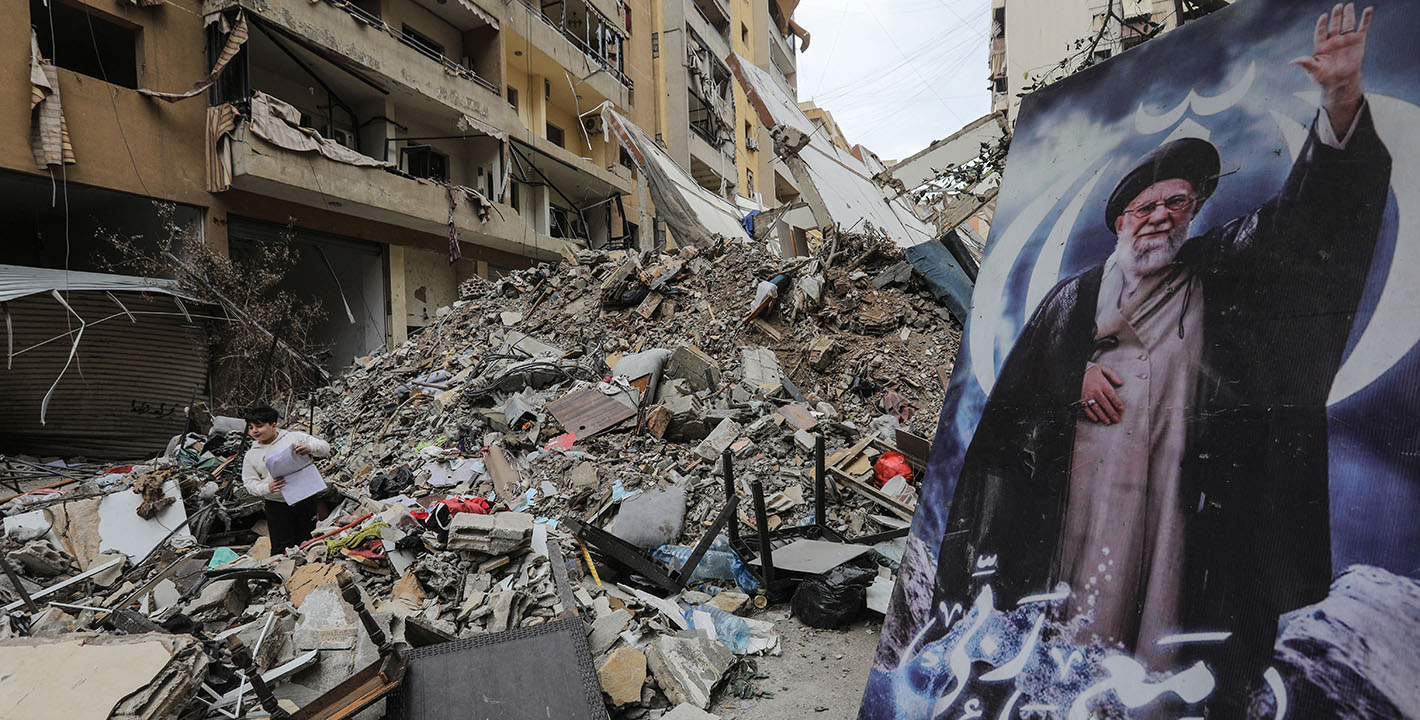
As talks begin between Washington and Tehran, Beirut has an opening to advance a regional plan for the party’s disarmament.

Michael Young