

Commentary
As the U.S.-led Coalition withdraws, the Kurds’ reliance on Baghdad, and on themselves, will only increase.
Wladimir van Wilgenburg
{
  "authors": [],
  "type": "pressRelease",
  "centerAffiliationAll": "dc",
  "centers": [
    "Carnegie Endowment for International Peace"
  ],
  "collections": [],
  "englishNewsletterAll": "menaTransitions",
  "nonEnglishNewsletterAll": "",
  "primaryCenter": "Carnegie Endowment for International Peace",
  "programAffiliation": "MEP",
  "programs": [
    "Middle East"
  ],
  "projects": [],
  "regions": [
    "North America",
    "United States",
    "Middle East",
    "Iran",
    "Israel",
    "Egypt",
    "Iraq",
    "Lebanon",
    "Jordan",
    "Palestine",
    "Qatar",
    "Saudi Arabia",
    "United Arab Emirates"
  ],
  "topics": [
    "Political Reform",
    "Democracy",
    "Security",
    "Foreign Policy"
  ]
}
REQUIRED IMAGE
Marina Ottaway and Mohammed Herzallah assess the diplomatic efforts of Arab regimes seeking to fill the power vacuum left by the absence of a strong regime in Iraq and ineffectual U.S. policy in The New Arab Diplomacy: Not With the U.S. and Not Against the U.S.
WASHINGTON, July 16—Arab countries are undertaking diplomatic initiatives that clearly contradict U.S. policy, because they no longer trust the U.S. capacity to contend with escalating regional crises. Even Arab countries traditionally aligned with the United States are no longer willing to follow Washington’s lead on policies toward Iran, Lebanon, or Hamas, concludes a new paper from the Carnegie Middle East Program.
Marina Ottaway and Mohammed Herzallah assess the diplomatic efforts of Arab regimes seeking to fill the power vacuum left by the absence of a strong regime in Iraq and ineffectual U.S. policy in The New Arab Diplomacy: Not With the U.S. and Not Against the U.S.
Key Conclusions:
The authors conclude:
“The question going forward is whether the new assertiveness and diplomatic activism, and with them the divergence from U.S. policies, will continue. This is a question of great importance to the new U.S. administration. Except in the case of Egypt, the foreign policies of the countries discussed depend heavily on the position taken by individual leaders, so they could easily change. However, Gulf countries are now richer, more developed, and courted by many for their oil, gas, and investment, and thus are less likely to simply follow the U.S. lead without questions. Whether the policies of these countries will diverge from those of the United States depends as much on U.S. choices as on theirs.”
###

Direct link to the PDF: www.carnegieendowment.org/files/cp94_ottaway_regional_diplomacy_final.pdf
Carnegie does not take institutional positions on public policy issues; the views represented herein are those of the author(s) and do not necessarily reflect the views of Carnegie, its staff, or its trustees.
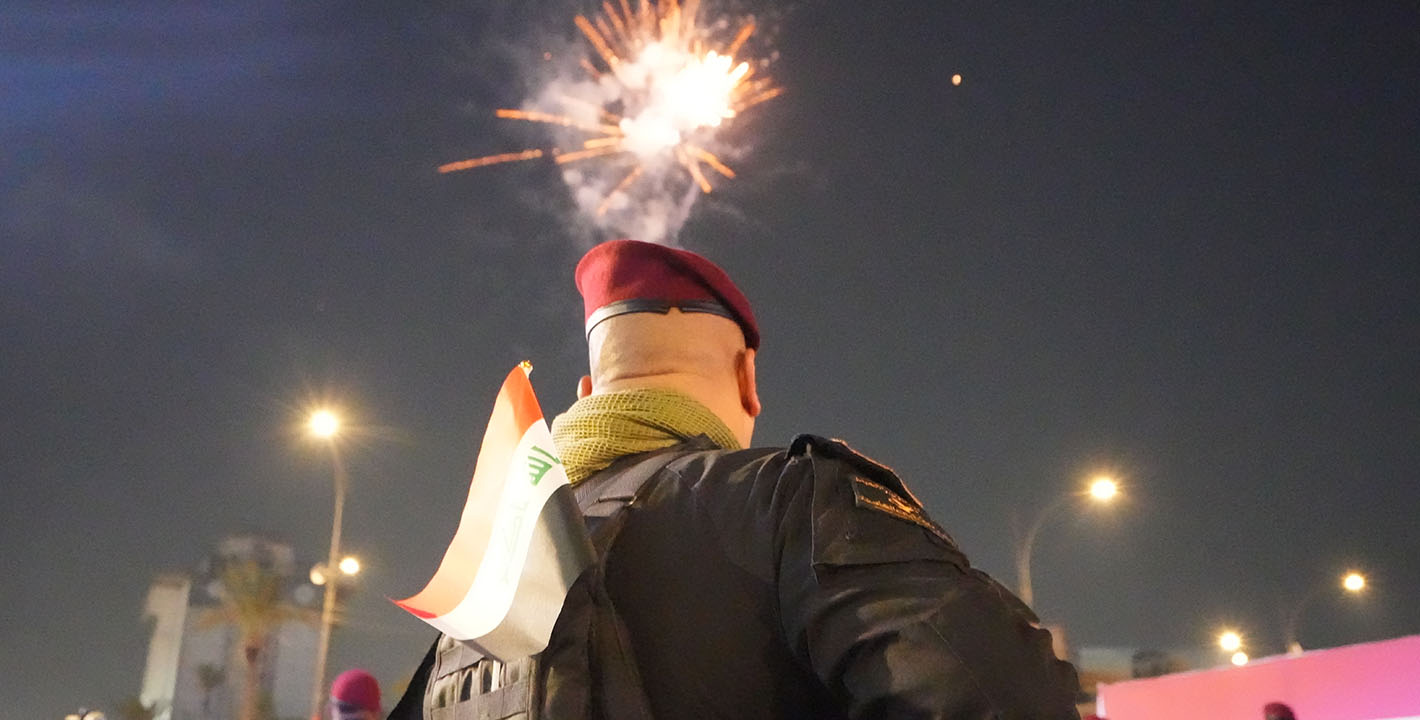
As the U.S.-led Coalition withdraws, the Kurds’ reliance on Baghdad, and on themselves, will only increase.
Wladimir van Wilgenburg

In an interview, Ian Lustick and Eli Clifton discuss their new book on why a prominent ally has so much influence in America.

Michael Young

As the U.S. stumbles in its war with Iran, we are likely to see an acceleration of its disengagement from the region.
Michael Young
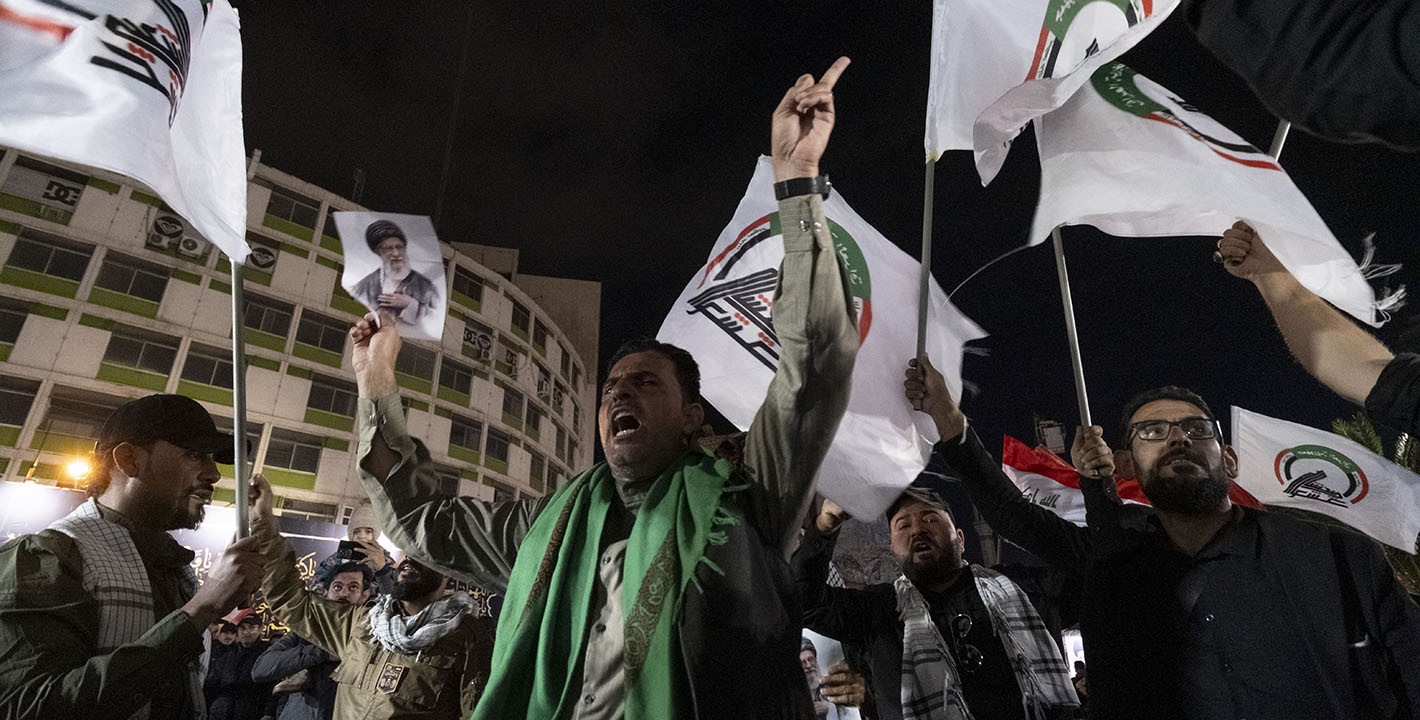
The Zaidi government’s objective to collect weapons is constrained by regional conflict, but it can take certain measures at home.
Ali Al-Mawlawi

It is improbable that Israel’s forthcoming elections will alter much in terms of how the country thinks about security.

Nathan J. Brown