

Q&A
Aaron David Miller, Karim Sadjadpour, Robin Wright
{
  "authors": [
    "Karim Sadjadpour"
  ],
  "type": "legacyinthemedia",
  "centerAffiliationAll": "dc",
  "centers": [
    "Carnegie Endowment for International Peace"
  ],
  "collections": [],
  "englishNewsletterAll": "menaTransitions",
  "nonEnglishNewsletterAll": "",
  "primaryCenter": "Carnegie Endowment for International Peace",
  "programAffiliation": "MEP",
  "programs": [
    "Middle East"
  ],
  "projects": [],
  "regions": [
    "North America",
    "United States",
    "Middle East",
    "Iran",
    "Israel"
  ],
  "topics": [
    "Security",
    "Military",
    "Foreign Policy",
    "Nuclear Policy"
  ]
}
Source: Getty
Iran's recent missile tests have heightened speculation that the U.S. or Israeli will mount a military operation against it. Carnegie's Karim Sadjadpour appeared on PBS' Foreign Exchange to argue that the likelihood of such an attack is slim.
Iran's recent missile tests have heightened speculation that the U.S. or Israeli will mount a military operation against it. Carnegie's Karim Sadjadpour, appeared on PBS' Foreign Exchange arguing the likelihood of such an attack is slim because Iran plays key roles in many of the U.S. and EU's main foreign policy concerns in the Middle East.
Sadjapour believes that Iranian President Ahmadinejad takes this increasingly confrontational stance against the West as a way to distract domestic attention away from his failed economic policies.
As Sadjadpour notes, "When [Iran] issues... blusterous rhetoric, and the U.S. decides to respond... with its own blusterous rhetoric, oil prices go up and it's more money for Iran."

Senior Fellow, Middle East Program
Karim Sadjadpour is a senior fellow at the Carnegie Endowment for International Peace, where he focuses on Iran and U.S. foreign policy toward the Middle East.
Recent Work


Aaron David Miller, Karim Sadjadpour, Robin Wright
Aaron David Miller, David Petraeus, Karim Sadjadpour
Carnegie does not take institutional positions on public policy issues; the views represented herein are those of the author(s) and do not necessarily reflect the views of Carnegie, its staff, or its trustees.
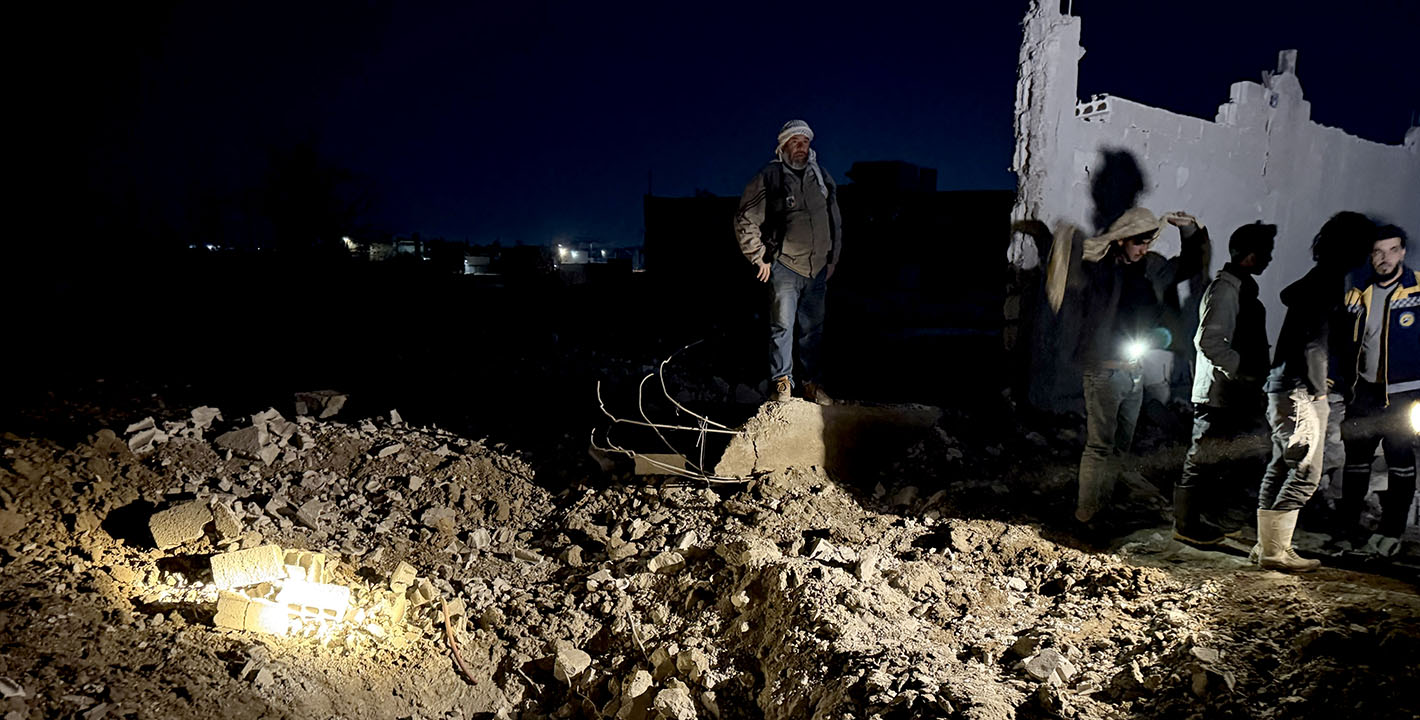
In an interview, Kheder Khaddour explains that Damascus is trying to stabilize its borders, but avoiding war isn’t guaranteed.

Michael Young
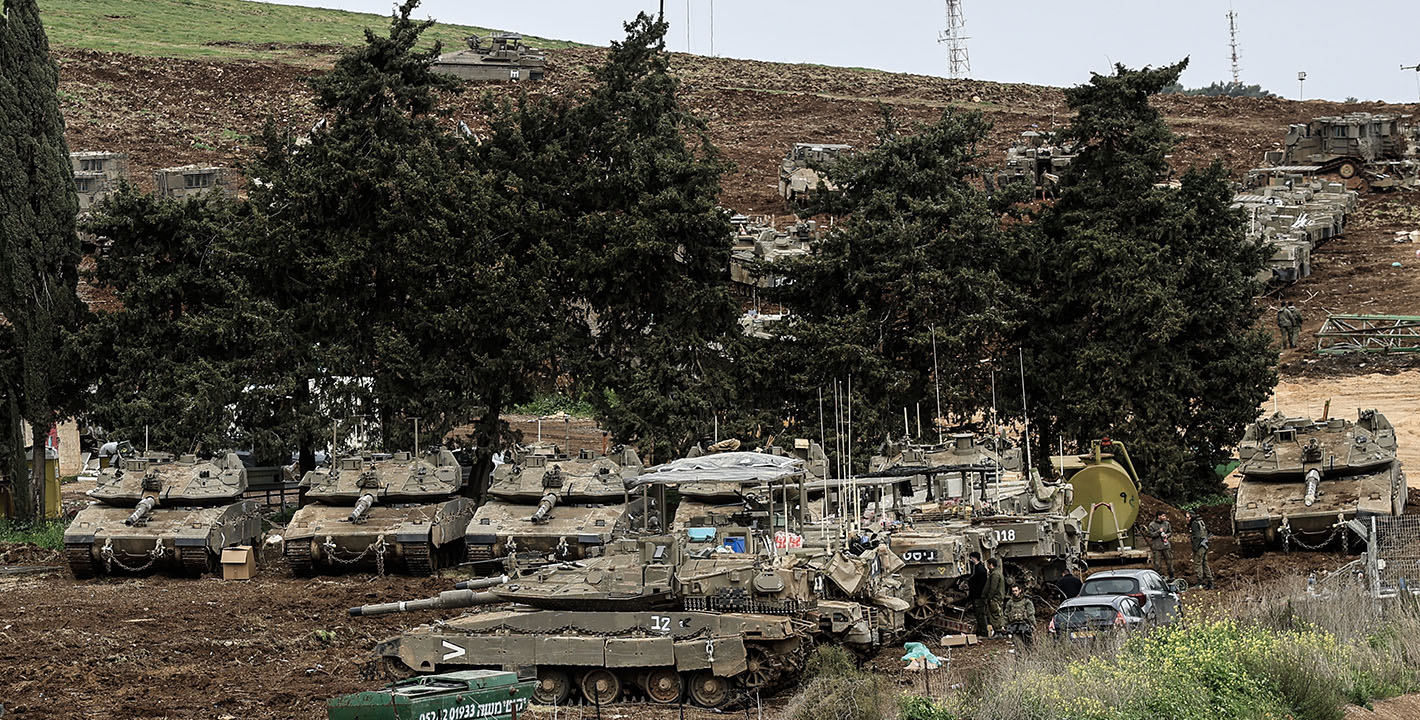
The country’s strategy is no longer focused on deterrence and diplomacy, it’s about dominance and degradation.

Nathan J. Brown
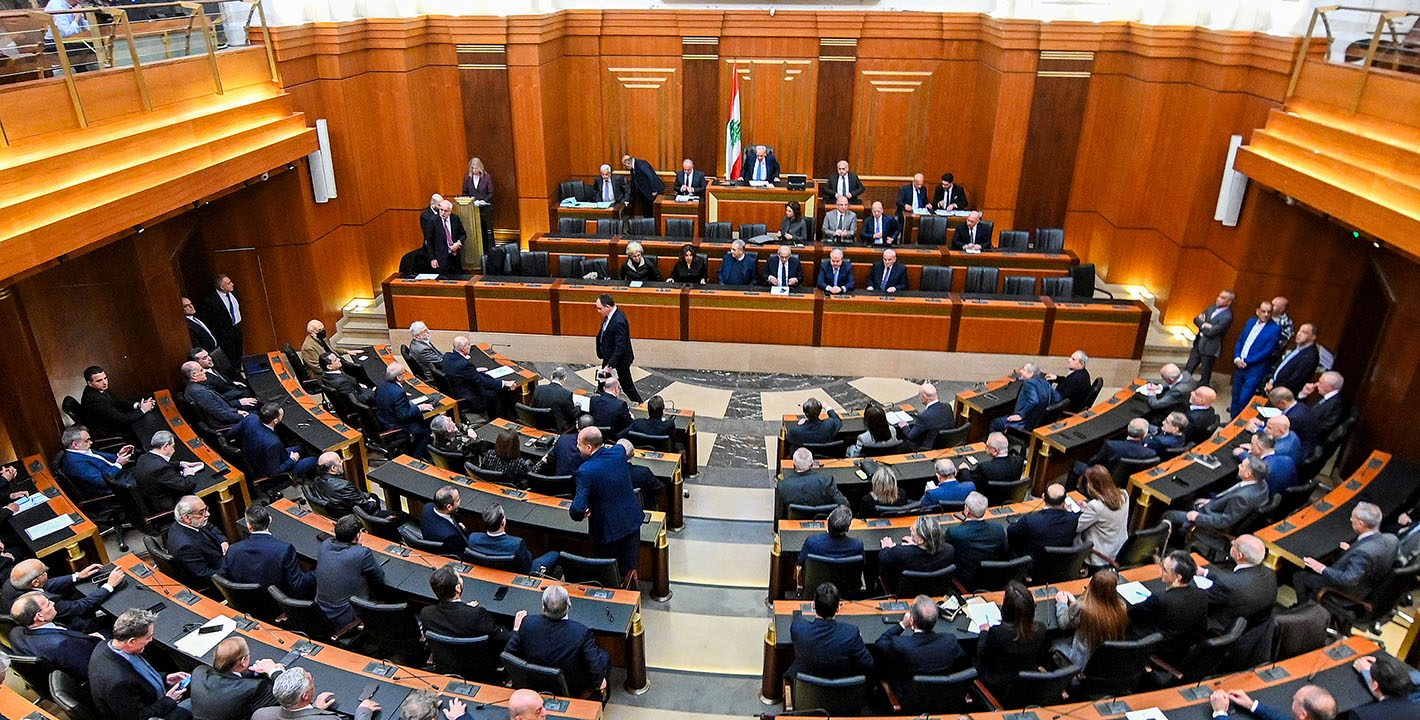
The decision of Lebanon’s parliament may look exceptional, but in reality it is not.

Issam Kayssi
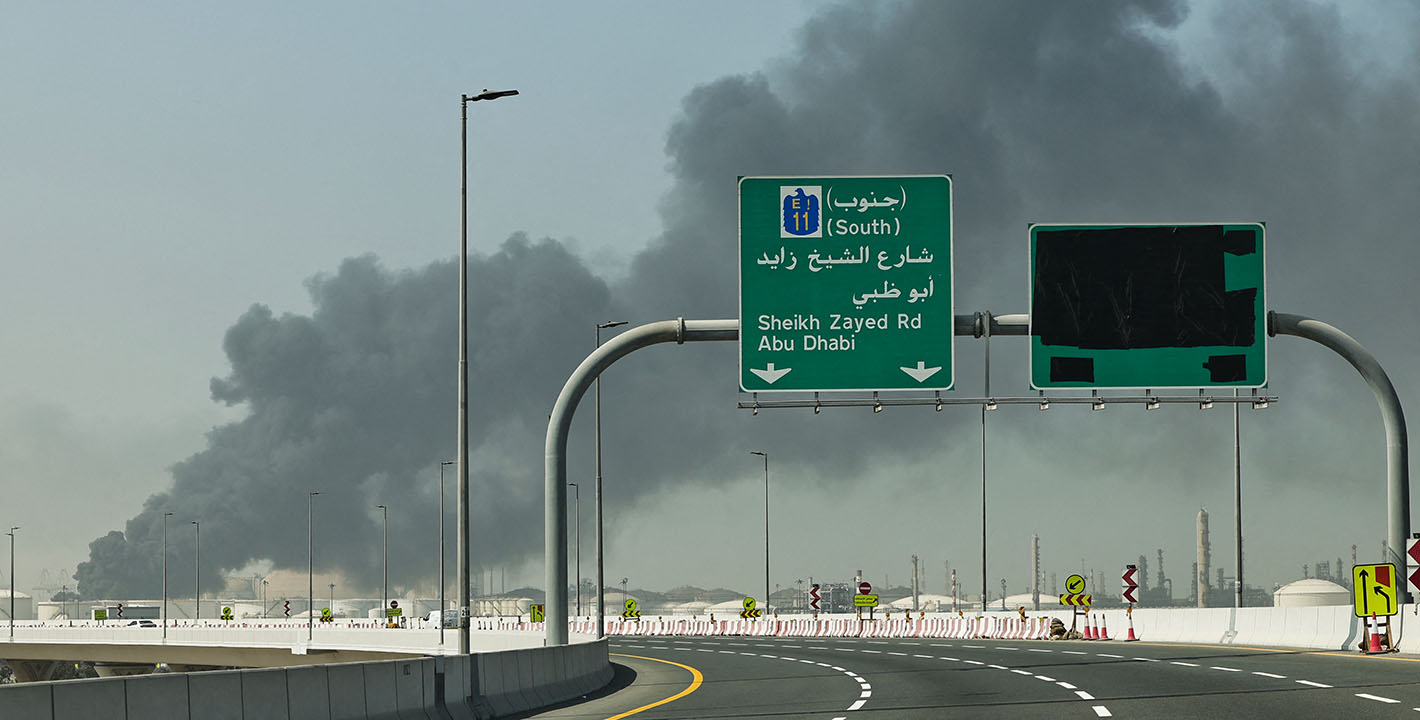
The countries in the region are managing the fallout from Iranian strikes in a paradoxical way.

Angie Omar

In an interview, Hassan Mneimneh discusses the ongoing conflict and the myriad miscalculations characterizing it.
Michael Young