

Research
- +6
Yasmine Farouk, Nathan J. Brown, Maysaa Shuja Al-Deen, …
{
  "authors": [
    "Michele Dunne"
  ],
  "type": "legacyinthemedia",
  "centerAffiliationAll": "dc",
  "centers": [
    "Carnegie Endowment for International Peace"
  ],
  "collections": [],
  "englishNewsletterAll": "menaTransitions",
  "nonEnglishNewsletterAll": "",
  "primaryCenter": "Carnegie Endowment for International Peace",
  "programAffiliation": "MEP",
  "programs": [
    "Middle East"
  ],
  "projects": [],
  "regions": [
    "Middle East",
    "Egypt"
  ],
  "topics": [
    "Political Reform"
  ]
}
Source: Getty
When it happens, it will rock the world, at least briefly: octogenarian Hosni Mubarak, President of the largest Arab country for over a quarter century, will leave office, either by his own decision or that of Providence, probably within the next three years. So far, few in the West have paid much attention. But Egyptians certainly are getting ready, and we should do so as well.
Source: American Interest

The question is not so much one of stability. Few expect a succession in Egypt to be violent. And Egypt’s basic strategic orientation (allied with the United States, at peace with Israel, working on behalf of regional stability) is unlikely to change. What is at issue, rather, is how seriously a new leader will pursue domestic political and economic reforms, which are critical to revitalizing a nation of eighty million that is slipping further and further behind in global competitiveness. While sudden, radical change is unlikely, most Egyptians are hoping that a new leadership will re-open the window for political reform that emerged briefly in 2004–05, which was then slammed shut when the country’s main opposition movement, the Muslim Brotherhood, did well in parliamentary elections.

Former Nonresident Scholar, Middle East Program
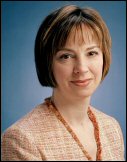
Michele Dunne was a nonresident scholar in Carnegie’s Middle East Program, where her research focuses on political and economic change in Arab countries, particularly Egypt, as well as U.S. policy in the Middle East.
Recent Work


Yasmine Farouk, Nathan J. Brown, Maysaa Shuja Al-Deen, …
Robert Springborg, Emile Hokayem, Becca Wasser, …
Carnegie does not take institutional positions on public policy issues; the views represented herein are those of the author(s) and do not necessarily reflect the views of Carnegie, its staff, or its trustees.
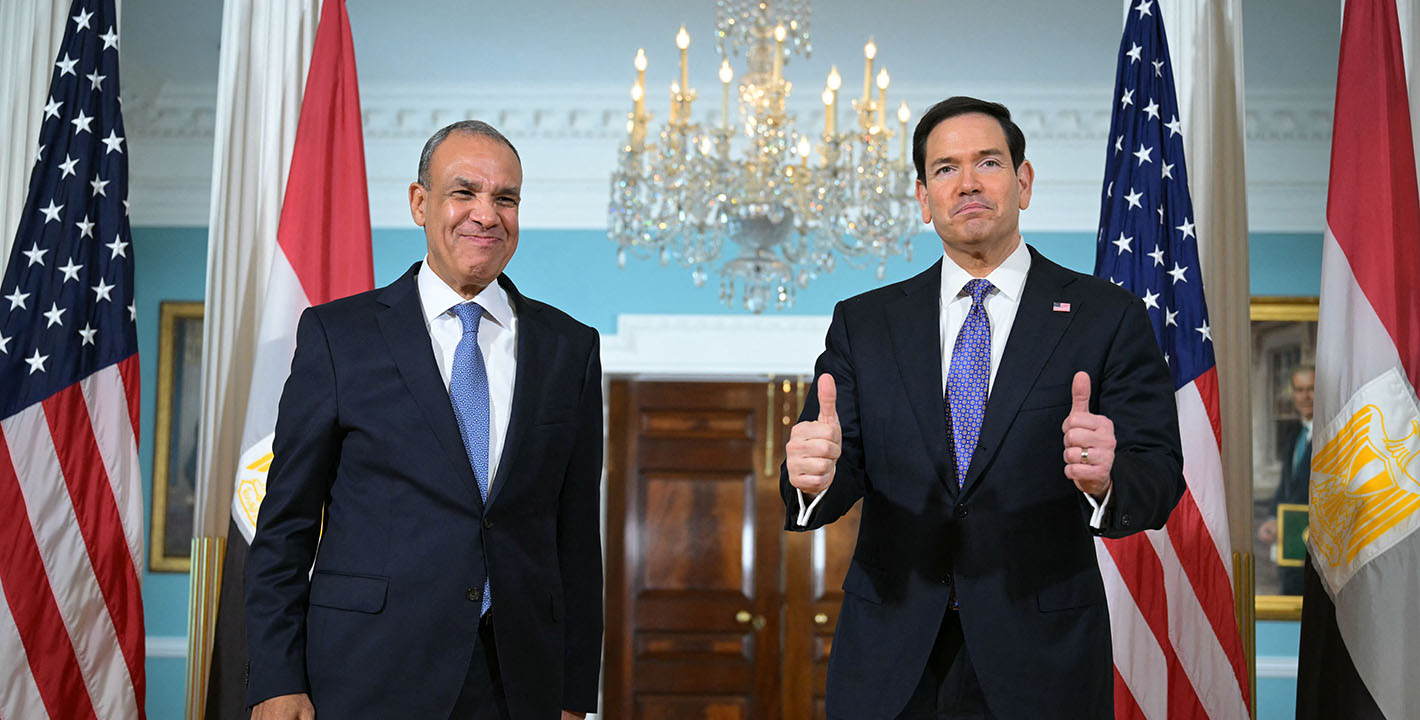
Cairo’s efforts send a message to the United States and the region that it still has a place at the diplomatic table.

Angie Omar

Just look at Iraq in 1991.

Marwan Muasher
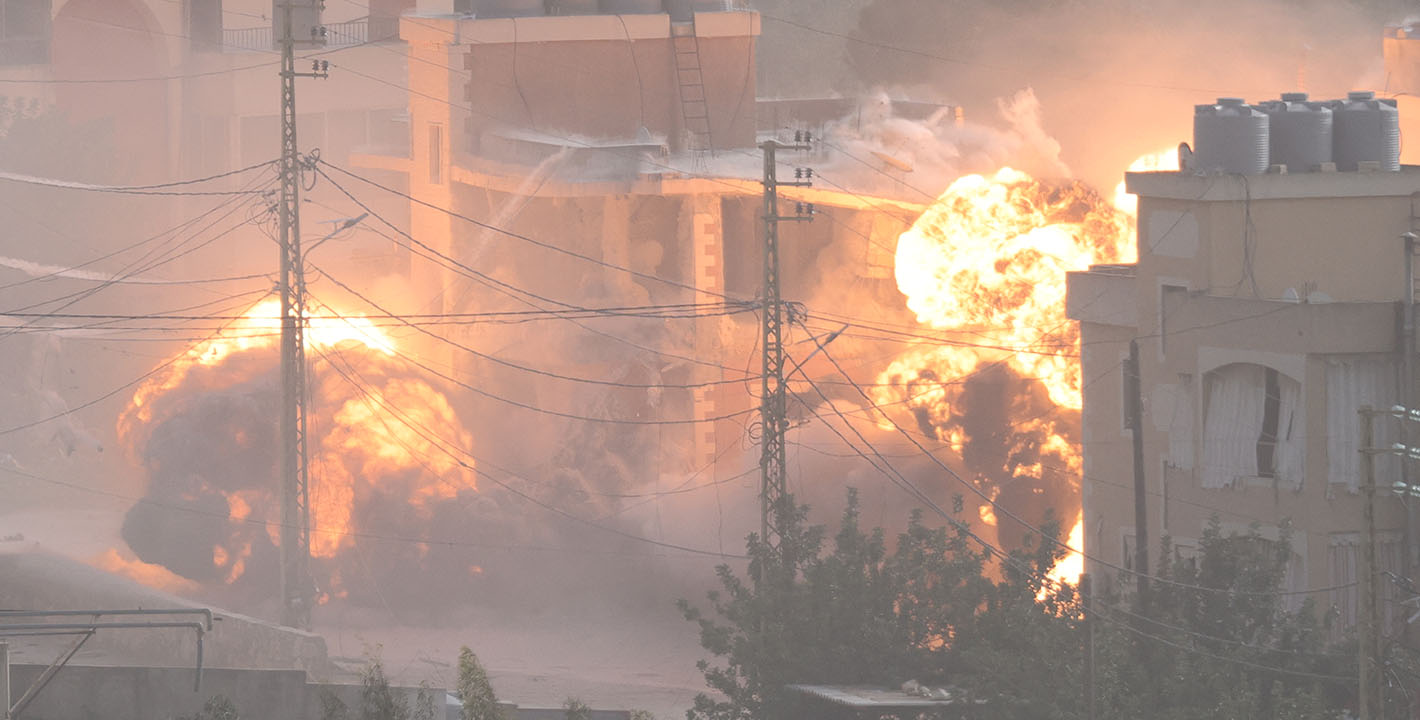
As Iran defends its interests in the region and its regime’s survival, it may push Hezbollah into the abyss.

Michael Young
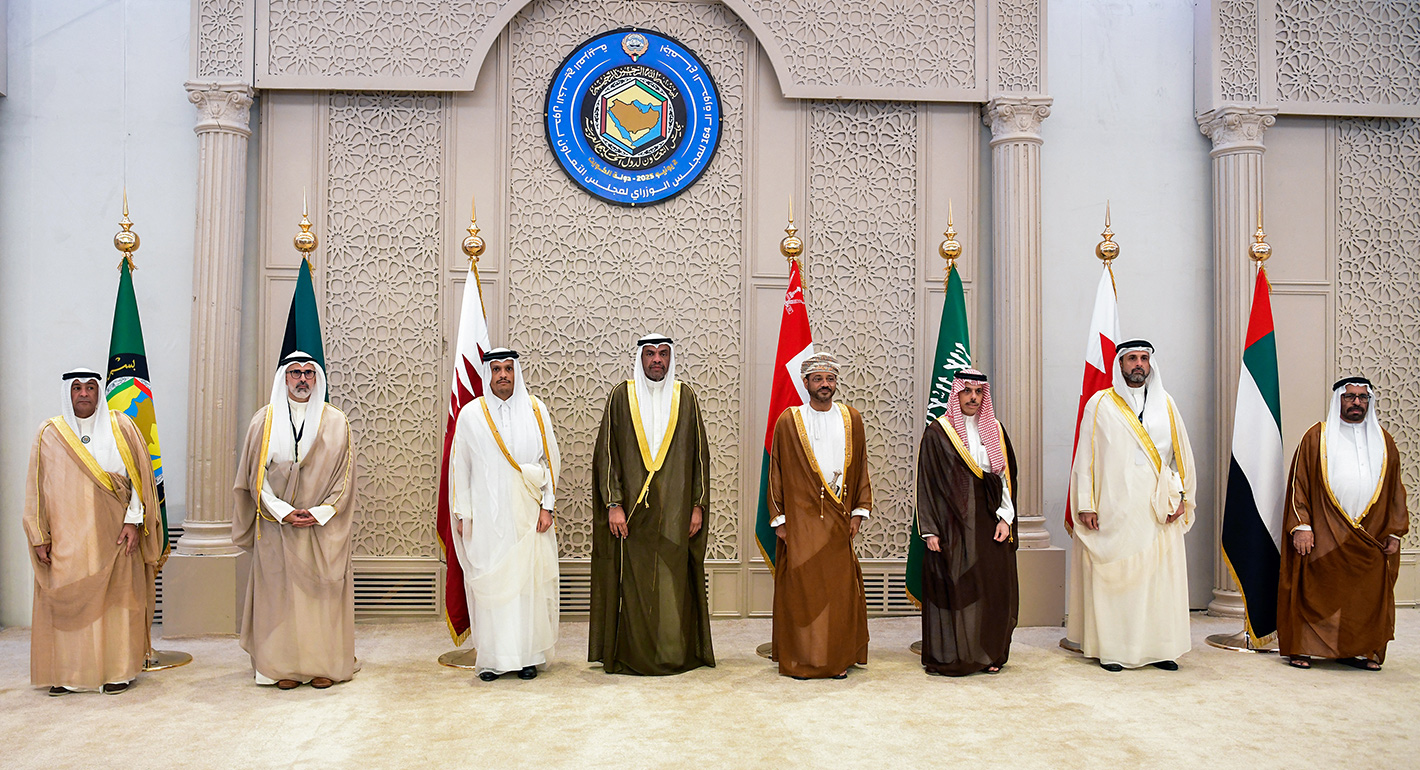
Without structural reform, the organization, which is racked by internal rivalries, risks sliding into irrelevance.

Hesham Alghannam

Fifteen years after the Arab uprisings, a new generation is mobilizing behind an inclusive growth model, and has the technical savvy to lead an economic transformation that works for all.
Jihad Azour