

Article
Леонид Гозман, Michael McFaul
{
  "authors": [
    "Michael McFaul"
  ],
  "type": "legacyinthemedia",
  "centerAffiliationAll": "dc",
  "centers": [
    "Carnegie Endowment for International Peace"
  ],
  "collections": [],
  "englishNewsletterAll": "ctw",
  "nonEnglishNewsletterAll": "",
  "primaryCenter": "Carnegie Endowment for International Peace",
  "programAffiliation": "russia",
  "programs": [
    "Russia and Eurasia"
  ],
  "projects": [],
  "regions": [
    "North America",
    "United States",
    "Caucasus",
    "Russia"
  ],
  "topics": [
    "Foreign Policy"
  ]
}
Source: Getty
With the escalation of violence between Georgia and Russia, and the apparent ceasefire of military operations by Russia, the role of the United States in the build-up and outbreak of the conflict has been largely muted.
Source: CNN's The Glenn Beck Program

Speaking to Glenn Beck of CNN, Carnegie's Michael McFaul argues that the U.S. severely lacks leverage with Russia and has no viable military option with which to respond to the conflict. Instead, it could counter Russian aspirations to become the hegemon in the region by using international forums to denounce Russia's actions: "[A] UN Security council resolution... [would] force the Russians to have to veto it and... the Chinese to have to make a say on that, because they`re the country that`s always talking about protecting territorial integrity of states... [T]his is a gross violation of the territorial integrity of Georgia. So that would I think be useful in terms of the symbolism."
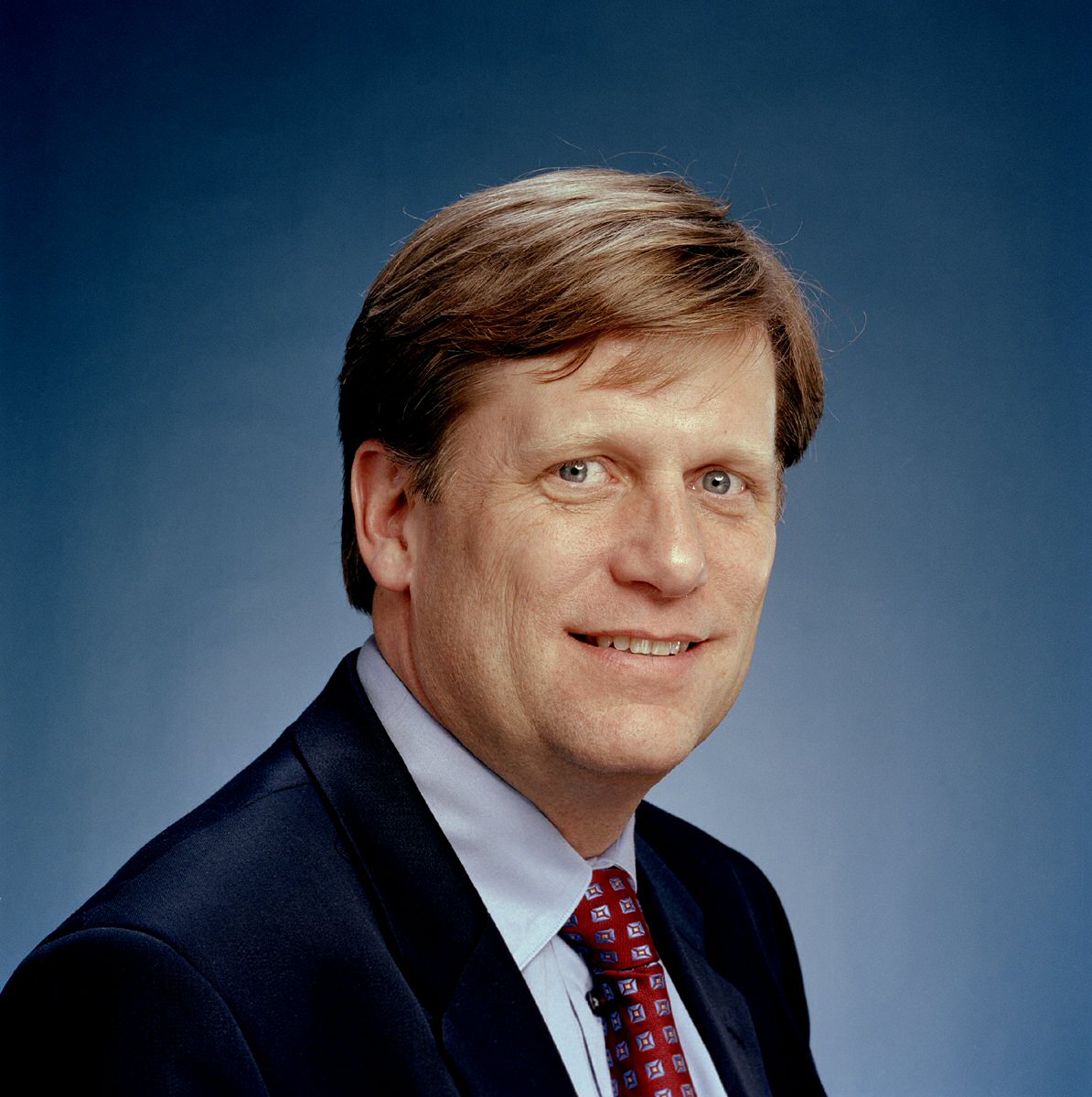
Former Senior Associate
In addition to his role at Carnegie, McFaul is Peter and Helen Bing Senior Fellow at the Hoover Institution and associate professor of political science at Stanford University.
Recent Work
Леонид Гозман, Michael McFaul
Michael McFaul, Sanja Tatic
Carnegie does not take institutional positions on public policy issues; the views represented herein are those of the author(s) and do not necessarily reflect the views of Carnegie, its staff, or its trustees.

In an interview, Ian Lustick and Eli Clifton discuss their new book on why a prominent ally has so much influence in America.

Michael Young

As the U.S. stumbles in its war with Iran, we are likely to see an acceleration of its disengagement from the region.
Michael Young

Huawei pushed hard to enter the Egyptian data centers market, until the Americans made a better offer.

Angie Omar

Middle Eastern states should welcome an accelerated U.S. disengagement from their region.
Michael Young

In an interview, former ambassador Charles Freeman assesses the Trump administration’s war against Iran.
Michael Young