

In The Media
John Judis
{
  "authors": [
    "John Judis"
  ],
  "type": "legacyinthemedia",
  "centerAffiliationAll": "",
  "centers": [
    "Carnegie Endowment for International Peace"
  ],
  "collections": [],
  "englishNewsletterAll": "",
  "nonEnglishNewsletterAll": "",
  "primaryCenter": "Carnegie Endowment for International Peace",
  "programAffiliation": "",
  "programs": [],
  "projects": [],
  "regions": [
    "North America",
    "United States"
  ],
  "topics": [
    "Security",
    "Military",
    "Foreign Policy"
  ]
}
Source: Getty
Despite his campaign promises, Obama’s initial foreign policy might not differ dramatically from Bush’s policies of the last two years. After failures during his first six years in office, Bush has struck a more diplomatic tone in recent years. Obama, who has tapped several Bush administration veterans for his own national security team, is likely to continue on this increasingly diplomatic path.
Source: The New Republic

Obama appears likely to continue on this path of gradually increasing diplomacy, particularly in light of the fact that he has tapped Bush veterans Robert Gates and James Jones for his national security team. While these appointments do indeed represent some departure from Obama’s campaign rhetoric, they will bring important continuity to U.S. foreign policy, which will turn out to be good for the country as a whole.
Click here to watch the full interview on The New Republic's TNRtv.

Former Visiting Scholar
As a visiting scholar at Carnegie, Judis wrote The Folly of Empire: What George W. Bush Could Learn from Theodore Roosevelt and Woodrow Wilson.
Recent Work
John Judis
John Judis
Carnegie does not take institutional positions on public policy issues; the views represented herein are those of the author(s) and do not necessarily reflect the views of Carnegie, its staff, or its trustees.
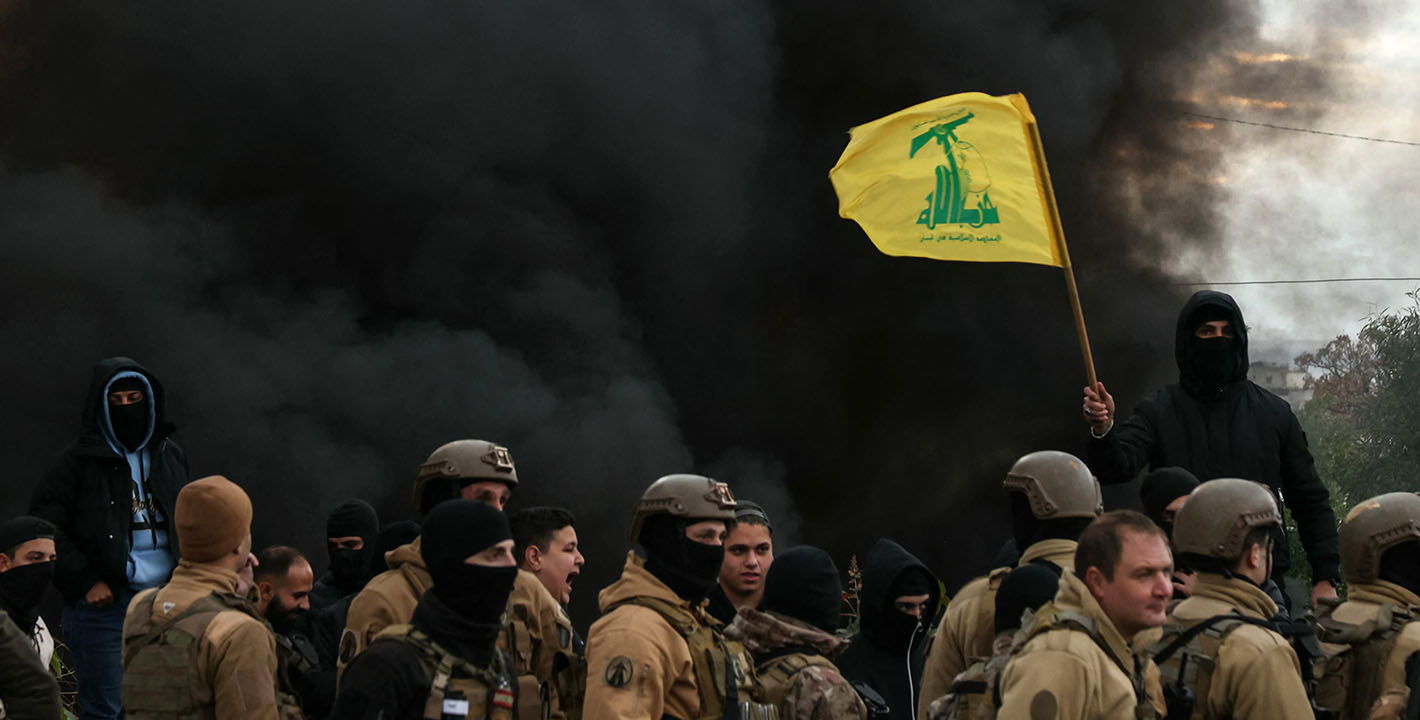
The party’s domestic and regional roles have changed, so Lebanon should devise a disarmament strategy that encompasses this.

Michael Young
In an interview, Marc Lynch discusses his new book decrying the post-1990 U.S.-dominated order in the Middle East.
Michael Young

Because perpetual conflict enhances control, offers economic benefits, and allows leaders to ignore popular preferences.

Angie Omar
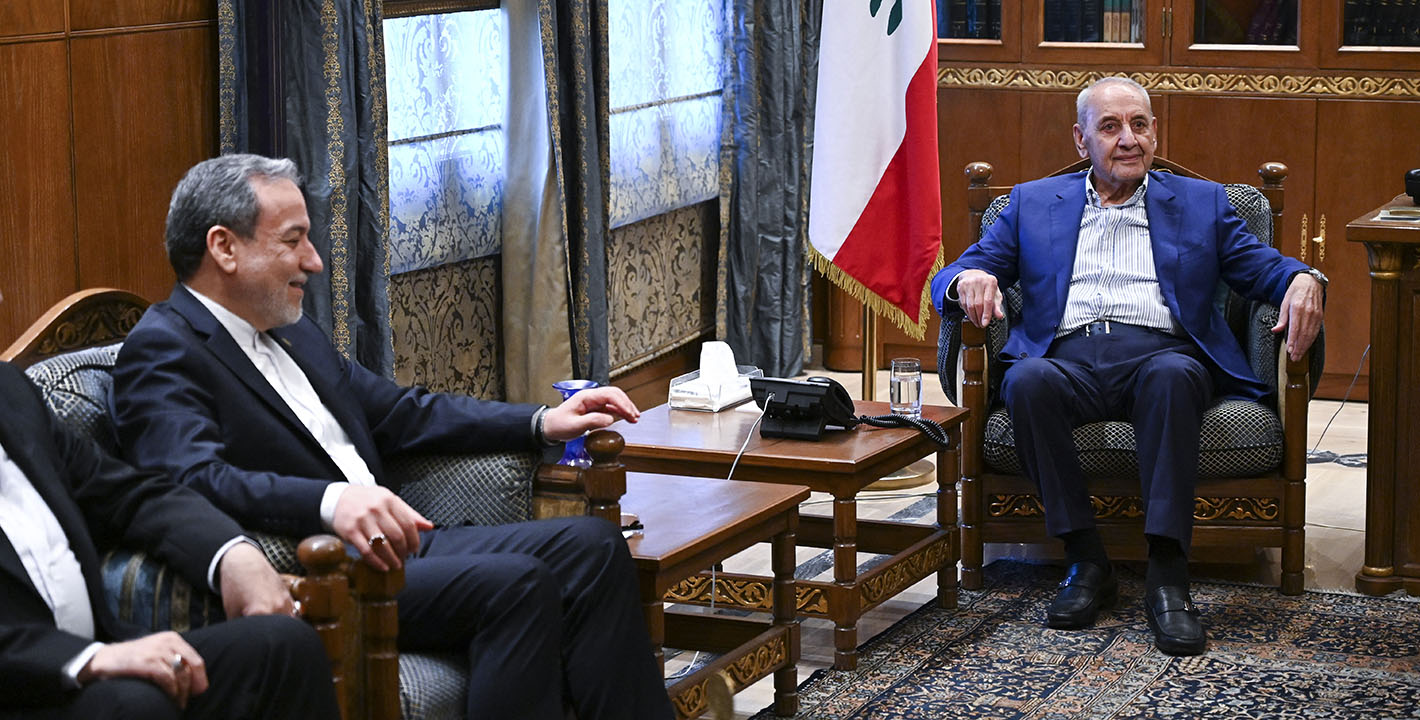
A prerequisite of serious talks is that the country’s leadership consolidates majority national support for such a process.
Michael Young
In an interview, Jim Lamson discusses the ongoing regional conflict and sees an unclear picture when it comes to winners and losers.
Michael Young