

Paper
Paul Salem
{
  "authors": [
    "Paul Salem"
  ],
  "type": "other",
  "centerAffiliationAll": "dc",
  "centers": [
    "Carnegie Endowment for International Peace",
    "Malcolm H. Kerr Carnegie Middle East Center"
  ],
  "collections": [],
  "englishNewsletterAll": "menaTransitions",
  "nonEnglishNewsletterAll": "",
  "primaryCenter": "Malcolm H. Kerr Carnegie Middle East Center",
  "programAffiliation": "MEP",
  "programs": [
    "Middle East"
  ],
  "projects": [],
  "regions": [
    "Levant",
    "Syria",
    "Middle East",
    "Israel"
  ],
  "topics": [
    "Political Reform",
    "Foreign Policy"
  ]
}
Source: Getty
An Israeli–Syrian peace deal is a real possibility and would have a positive effect on the Middle East and U.S. interests there. But the two sides will not reach an agreement without U.S. leadership. The incoming administration should use a balance of pressure, incentives, and robust diplomacy to make the agreement a reality.
An Israeli–Syrian peace deal is a real possibility and would have a positive effect on the Middle East and U.S. interests there. But the two sides will not reach an agreement without U.S. leadership. The incoming administration should use a balance of pressure, incentives, and robust diplomacy to make the agreement a reality, concludes a new paper by the director of the Carnegie Middle East Center.
Paul Salem argues that President-elect Barack Obama should continue the Bush administration’s policy of pressuring Syria to keep out of Lebanon and Iraq, which has helped push Syria towards a peace agreement. But the new administration must pursue a more balanced approach with strong diplomacy to reach a land-for-peace deal over the occupied Golan Heights.
Key Conclusions:
Salem concludes:
“The issues between Israel and Syria are complex, and the challenge of shifting Syria’s strategic posture is even more demanding. Turkish prime minister Recep Tayyip Erdogan has done an excellent job so far. But it will take a fully empowered U.S. secretary of state or presidential envoy—and, eventually, direct presidential engagement—to achieve a breakthrough on the Syrian–Israeli track.”
Senior Fellow at the Middle East Institute
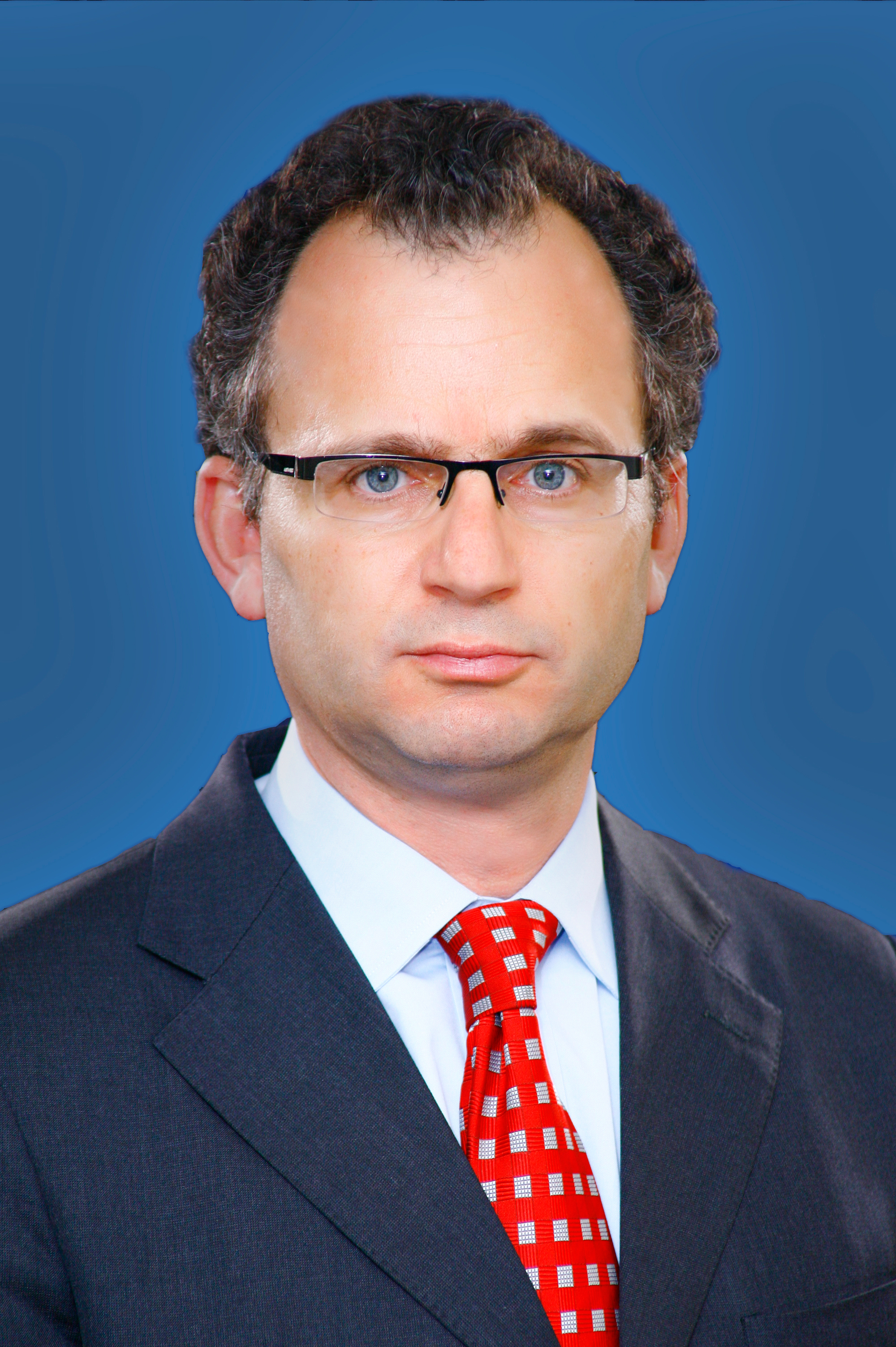
Paul Salem is a senior fellow at the Middle East Institute.
Recent Work
Paul Salem
Paul Salem
Carnegie does not take institutional positions on public policy issues; the views represented herein are those of the author(s) and do not necessarily reflect the views of Carnegie, its staff, or its trustees.

Huawei pushed hard to enter the Egyptian data centers market, until the Americans made a better offer.

Angie Omar

The accord represents a pivotal moment in the region to avert a security vacuum in the Gulf.


Azeema Cheema, Mohanad Hage Ali
In an interview, Jason Burke discusses his sweeping account of the “revolutionists” who so shaped the 1970s and early 1980s.

Michael Young
In an interview, Sohaib Jawhar analyzes the profound changes in the ties between the neighboring countries.
Michael Young

By failing to address Palestinian representation, the current process is bound to lead to just another temporary arrangement.

Nathan J. Brown