

Paper
Sven Behrendt
{
  "authors": [
    "Sven Behrendt"
  ],
  "type": "other",
  "centerAffiliationAll": "dc",
  "centers": [
    "Carnegie Endowment for International Peace",
    "Malcolm H. Kerr Carnegie Middle East Center"
  ],
  "collections": [],
  "englishNewsletterAll": "menaTransitions",
  "nonEnglishNewsletterAll": "",
  "primaryCenter": "Malcolm H. Kerr Carnegie Middle East Center",
  "programAffiliation": "MEP",
  "programs": [
    "Middle East"
  ],
  "projects": [],
  "regions": [
    "Kuwait",
    "Qatar",
    "Saudi Arabia",
    "United Arab Emirates",
    "Gulf"
  ],
  "topics": [
    "Economy"
  ]
}
Source: Getty
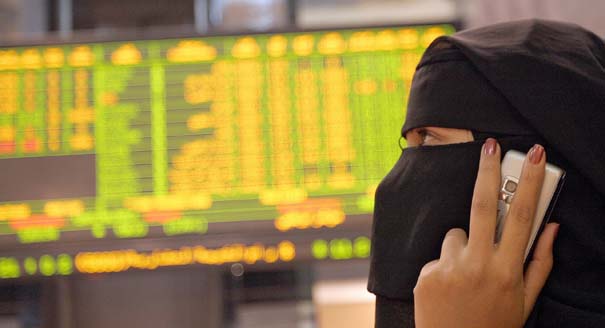
As the global economic crisis deepens, Arab Sovereign Wealth Funds can overcome the concern many foreign governments harbor about accepting investment money from them by providing greater transparency about their holdings and investment strategies.
Despite the severity of the global economic crisis, many governments are still nervous about accepting investment by Arab Sovereign Wealth Funds (SWFs) despite their potential to provide urgently needed liquidity. Greater transparency about their holdings and investment strategies would help SWFs to overcome these concerns and to play a role in resolving the economic crisis, concludes a new policy outlook from the Carnegie Middle East Center.
Key conclusions:
Sven Behrendt concludes:
“The uncertainty surrounding Arab SWFs has increased the political and regulatory risk premium for all sovereign foreign investors. It has also complicated efforts to address the global financial crisis. It is therefore in the individual interest of SWFs as well as in the interest of the global community at large to shift gears on the issues of transparency and disclosure.”

Former Visiting Scholar, Middle East Center
Behrendt is an expert in global issues, international negotiations, conflict resolution, and corporate strategy. He previously served at the World Economic Forum in various management positions.
Recent Work
Sven Behrendt
Sven Behrendt
Carnegie does not take institutional positions on public policy issues; the views represented herein are those of the author(s) and do not necessarily reflect the views of Carnegie, its staff, or its trustees.

Middle Eastern states should welcome an accelerated U.S. disengagement from their region.

Michael Young

The accord represents a pivotal moment in the region to avert a security vacuum in the Gulf.


Azeema Cheema, Mohanad Hage Ali

The armed forces champion a form of capitalism that is generating revenue, but its reliance on rent faces diminishing returns, leaving the country with massive sunk costs and deferred returns, deepening dependency on external borrowing.

Yezid Sayigh

Morocco and Algeria, each in its own way, are having to navigate the global economic fallout of the U.S.-Israeli military campaign against Iran.

Yasmine Zarhloule
This will be the region’s most representative tournament, amid broad changes in its footballing landscape.

Issam Kayssi