

Commentary
At heart, to impose unconditional surrender on Hezbollah and uproot the party among its coreligionists.
Yezid Sayigh
{
  "authors": [],
  "type": "pressRelease",
  "centerAffiliationAll": "dc",
  "centers": [
    "Carnegie Endowment for International Peace"
  ],
  "collections": [],
  "englishNewsletterAll": "menaTransitions",
  "nonEnglishNewsletterAll": "",
  "primaryCenter": "Carnegie Endowment for International Peace",
  "programAffiliation": "MEP",
  "programs": [
    "Middle East"
  ],
  "projects": [],
  "regions": [
    "North America",
    "United States",
    "Middle East",
    "Israel",
    "Iraq",
    "Palestine"
  ],
  "topics": [
    "Political Reform",
    "Foreign Policy"
  ]
}
REQUIRED IMAGE
Arabs expect the Obama administration to focus immediately on the Palestinian issue, using its influence with Israel to halt settlement activity and acting as an honest broker in peace negotiations.
BEIRUT, Feb 12—Arabs expect the Obama administration to focus immediately on the Palestinian issue, using its influence with Israel to halt settlement activity and acting as an honest broker in peace negotiations, according to a series of commentaries by leading Arab analysts and writers commissioned by the Carnegie Middle East Center.
The widespread belief that the United States is an ally of regional dictators and an unquestioning supporter of Israel colors Arab perceptions of every American move in the region. The writers argue that pressuring Israel to fulfill its commitments vis-à-vis the Palestinians is the only way to rebuild U.S.–Arab relations and rehabilitate the United States’ image in the Middle East.
Key points:
Gamal al-Ghitany, Khaled al-Hroub, Salah ad-Din al-Jourchi, and Mustapha al-Khalfi—prominent journalists, academics, and activists—contributed their reactions to Barack Obama’s victory.
Carnegie’s Amr Hamzawy and Marina Ottaway, who compiled the commentaries, conclude:
“Obama’s election was a public diplomacy triumph for the United States, the first real success the United States has won in the Arab world in a long time, and probably the most important one since President Eisenhower backed Egypt’s efforts to regain control of the Suez Canal in 1956. Yet the success could prove short-lived: Arabs were reacting to concrete change, not to words, and are likely to revert to the old hostility unless Obama’s words are backed by concrete changes in U.S. Middle East policies.”
###
NOTES
Carnegie does not take institutional positions on public policy issues; the views represented herein are those of the author(s) and do not necessarily reflect the views of Carnegie, its staff, or its trustees.
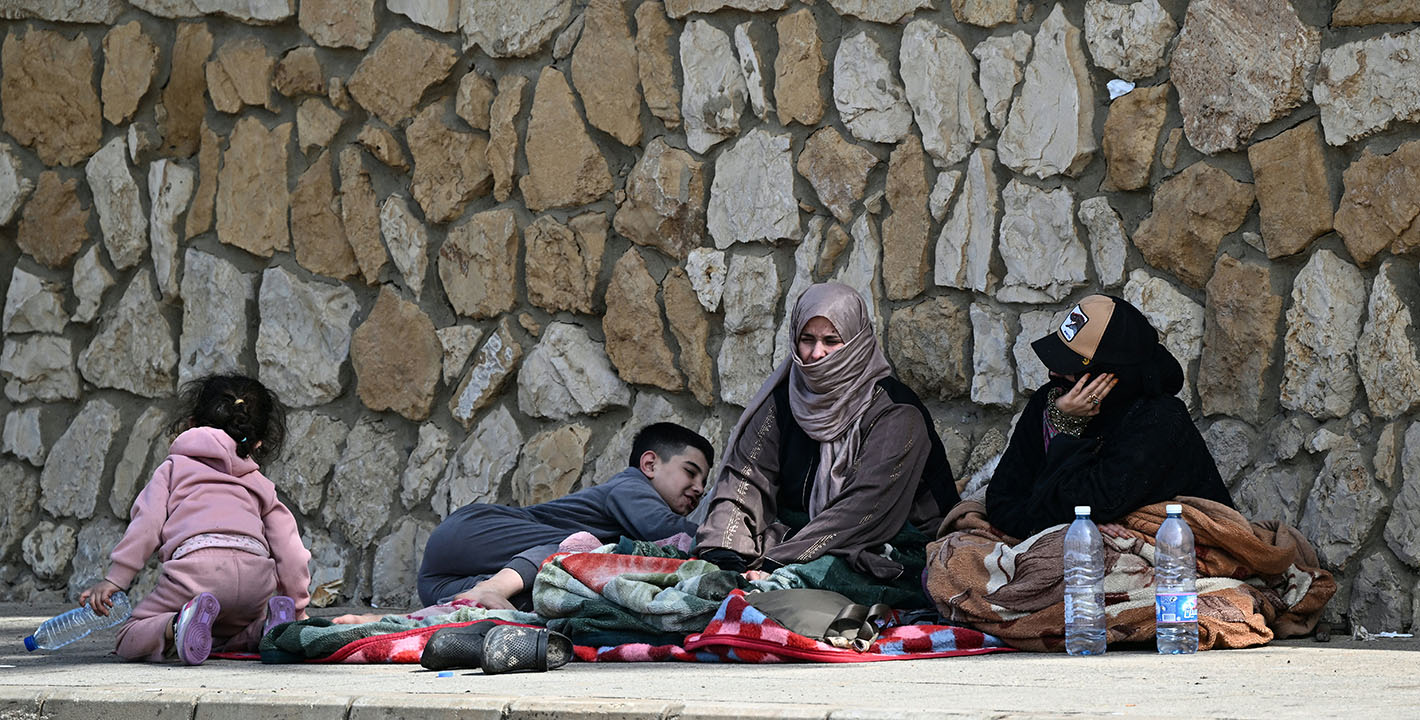
At heart, to impose unconditional surrender on Hezbollah and uproot the party among its coreligionists.

Yezid Sayigh
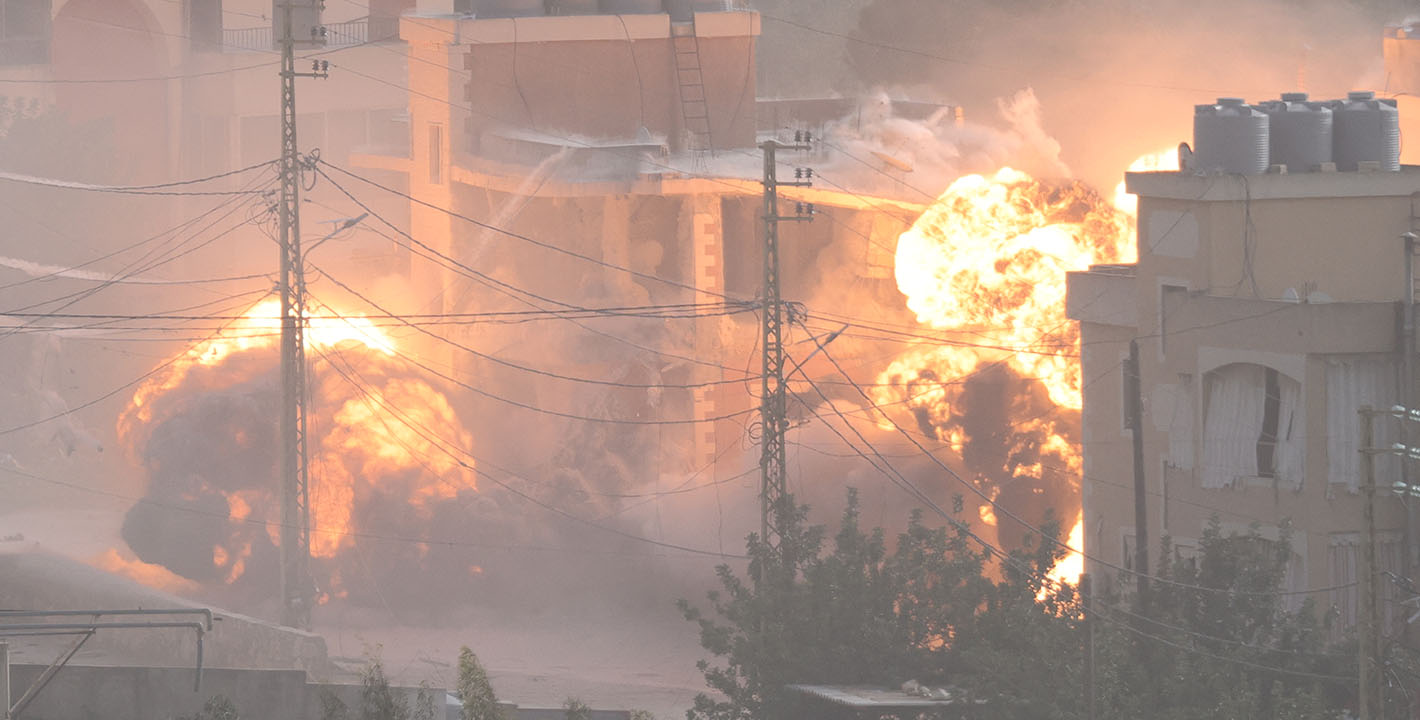
As Iran defends its interests in the region and its regime’s survival, it may push Hezbollah into the abyss.

Michael Young
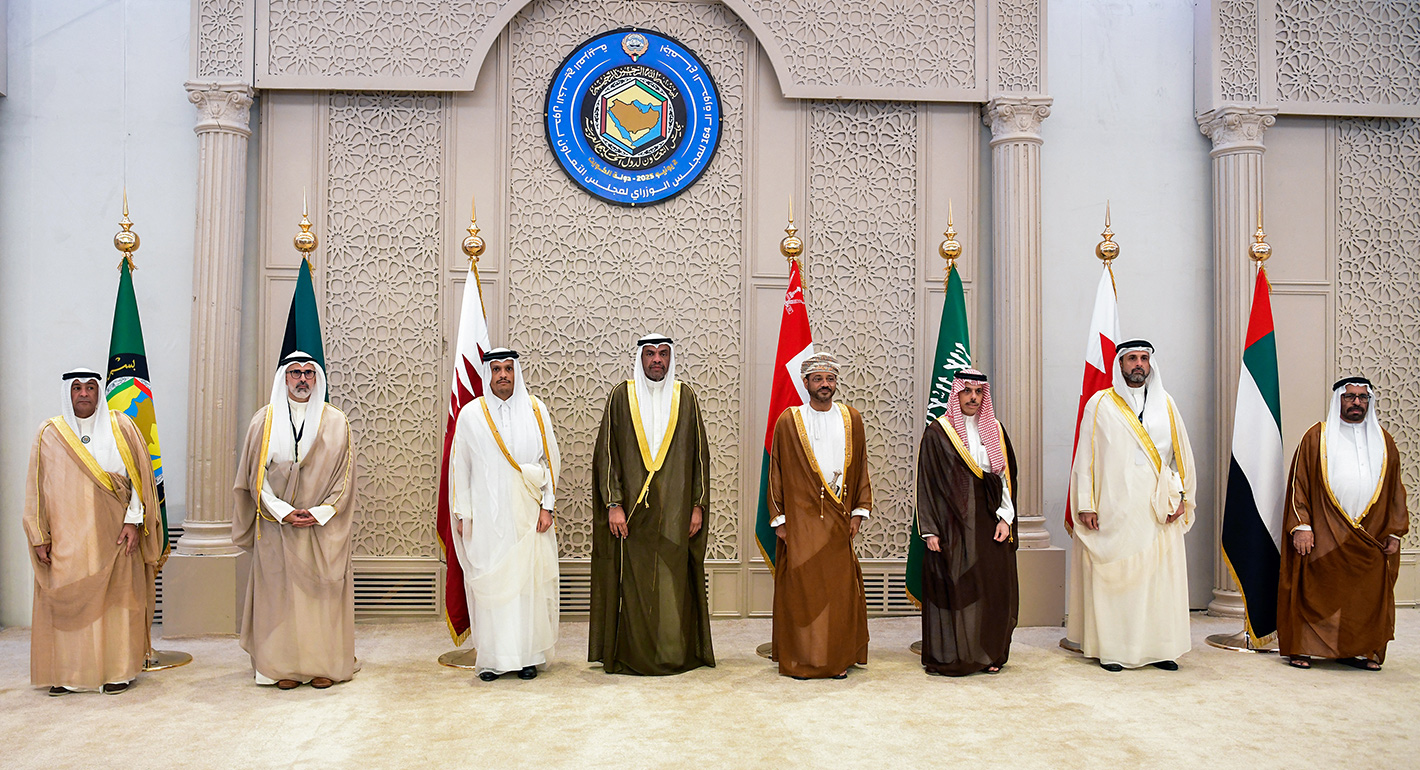
Without structural reform, the organization, which is racked by internal rivalries, risks sliding into irrelevance.

Hesham Alghannam
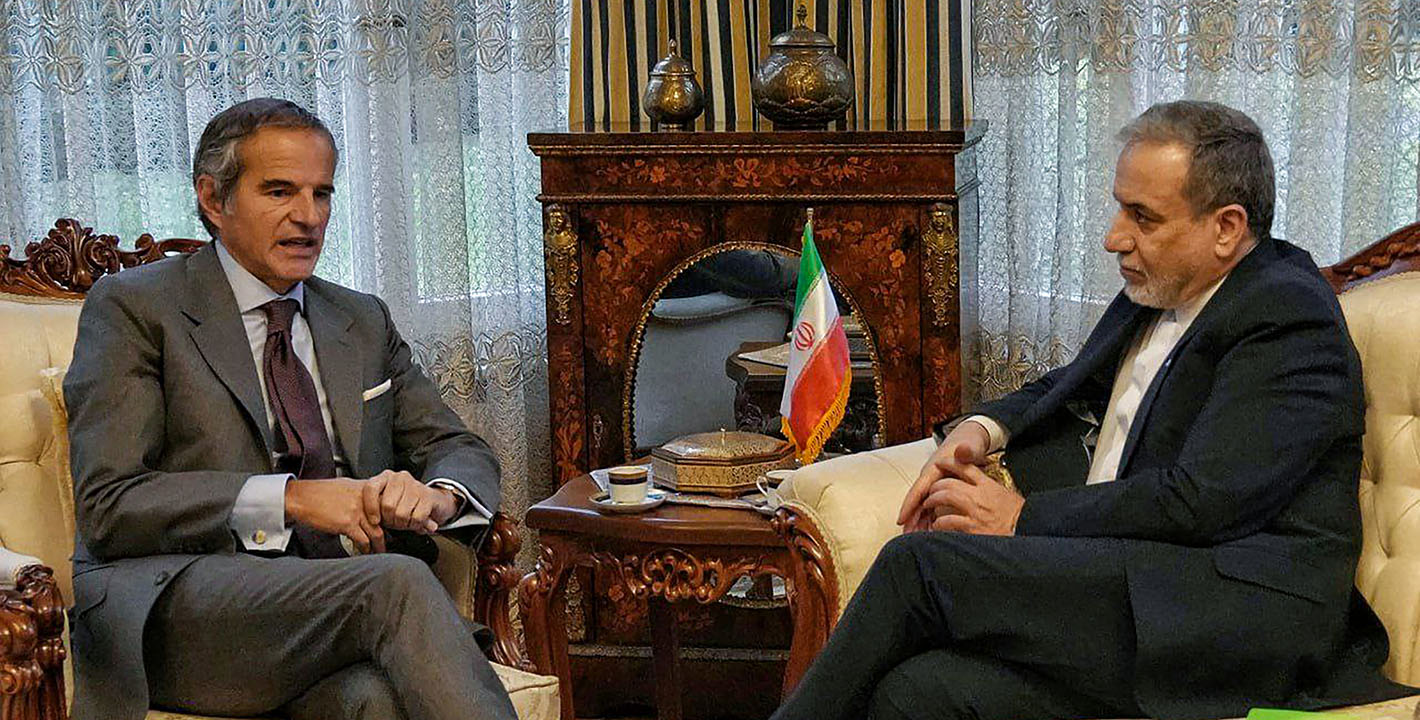
Because of this, the costs and risks of an attack merit far more public scrutiny than they are receiving.
Nicole Grajewski
The conflict did not reshape Arab foreign policy; on the contrary it exposed its limits.

Angie Omar