

Commentary
As talks begin between Washington and Tehran, Beirut has an opening to advance a regional plan for the party’s disarmament.
Michael Young
{
  "authors": [],
  "type": "legacyinthemedia",
  "centerAffiliationAll": "",
  "centers": [
    "Carnegie Endowment for International Peace"
  ],
  "collections": [],
  "englishNewsletterAll": "",
  "nonEnglishNewsletterAll": "",
  "primaryCenter": "Carnegie Endowment for International Peace",
  "programAffiliation": "",
  "programs": [],
  "projects": [],
  "regions": [
    "North America",
    "United States",
    "North Africa",
    "Sudan"
  ],
  "topics": [
    "Foreign Policy"
  ]
}
Source: Getty
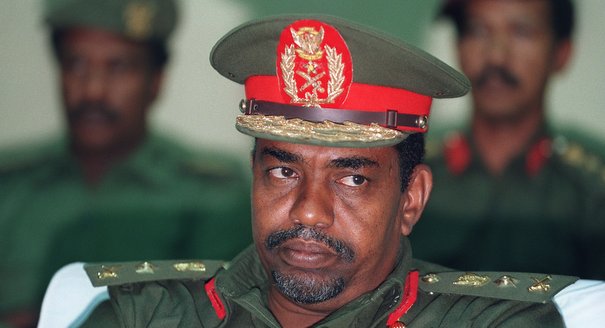
Darfur is being pushed perilously close to the edge by the Sudanese government. President Obama's biggest test in Africa will not be pirates, but Omar al-Bashir, the first sitting president with a warrant for his arrest.
Source: U.S. News & World Report

While Obama may have handled the high seas showdown, his most dangerous foe in Africa isn't a rag-tag group of teenagers with AK-47s and speedboats. No, that adversary is Sudan's Omar al-Bashir, the world's first sitting president with a warrant for his arrest.
Darfur, the war-torn western region of Sudan, is being pushed perilously close to the edge by the Sudanese government. The biggest test for Obama's foreign policy in Africa will not be pirates; it will be Bashir.
Carnegie does not take institutional positions on public policy issues; the views represented herein are those of the author(s) and do not necessarily reflect the views of Carnegie, its staff, or its trustees.
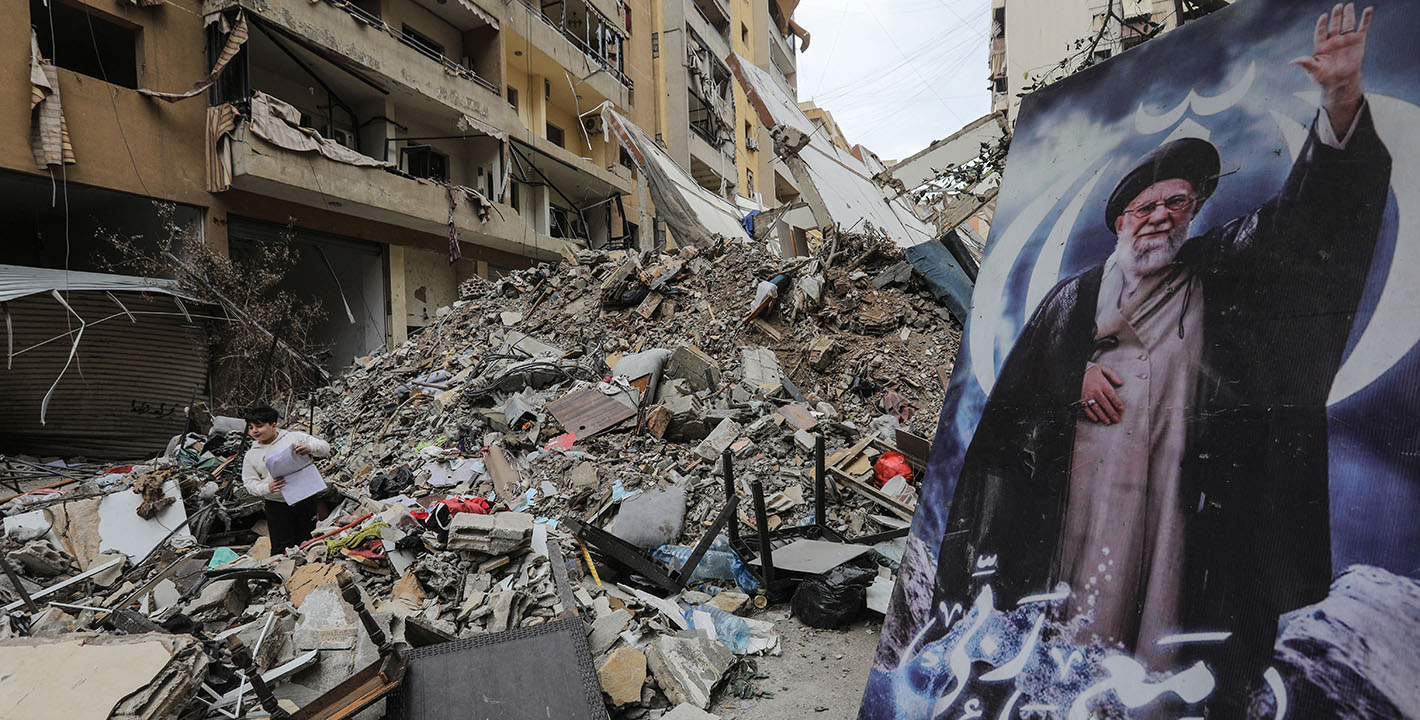
As talks begin between Washington and Tehran, Beirut has an opening to advance a regional plan for the party’s disarmament.

Michael Young
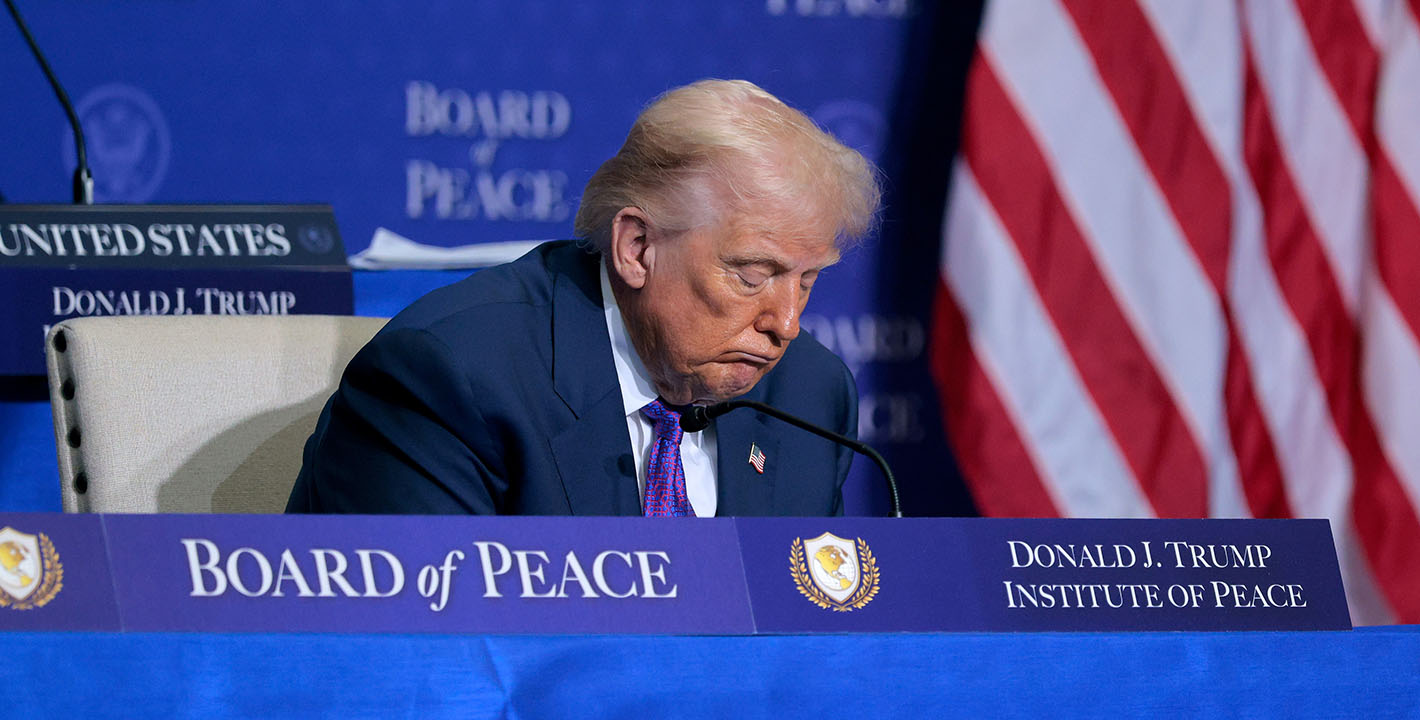
What is behind Marco Rubio’s announcement that the body is now an international nongovernmental organization?
Zaha Hassan
Policy discussion is ignoring that the Palestinian national project is hollowed out and apartheid is a present danger.

Nathan J. Brown
As negotiations with Iran and Lebanon continue, chaos is at the heart of the Netanyahu government’s calculations.
Michael Young
The party’s domestic and regional roles have changed, so Lebanon should devise a disarmament strategy that encompasses this.
Michael Young