

Commentary
Huawei pushed hard to enter the Egyptian data centers market, until the Americans made a better offer.
Angie Omar
{
  "authors": [
    "Gregory L. Schulte"
  ],
  "type": "other",
  "centerAffiliationAll": "dc",
  "centers": [
    "Carnegie Endowment for International Peace"
  ],
  "collections": [
    "Korean Peninsula"
  ],
  "englishNewsletterAll": "ctw",
  "nonEnglishNewsletterAll": "",
  "primaryCenter": "Carnegie Endowment for International Peace",
  "programAffiliation": "NPP",
  "programs": [
    "Nuclear Policy"
  ],
  "projects": [],
  "regions": [
    "Middle East",
    "Syria",
    "East Asia",
    "North Korea"
  ],
  "topics": [
    "Nuclear Policy",
    "Nuclear Energy"
  ]
}
Source: Getty
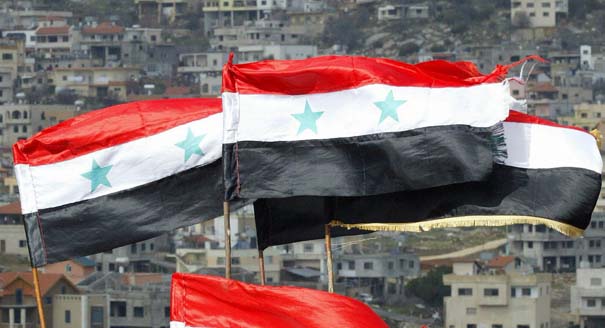
The current stalemate of the IAEA's investigation of undeclared nuclear activities in Syria is the responsibility of the Syrian government, which buried the remains of its covert nuclear reactor in 2008 and now seeks to bury the IAEA investigation.
Summary
In June 2009, one year after the first and only inspector visit in Syria, the IAEA director general reported that the information provided by the country "does not adequately support its assertions about the nature of the site." In August, he reported that the IAEA's investigation was "severely impeded" by Syria's non-cooperation.
About the Author
Ambassador Gregory L. Schulte was the U.S. permanent representative to the International Atomic Energy Agency from July 2005 to June 2009. He is now a senior visiting fellow at the Center for the Study of Weapons of Mass Destruction at the National Defense University. This article reflects his personal views and not those of NDU or the U.S. government.
Gregory L. Schulte
Carnegie does not take institutional positions on public policy issues; the views represented herein are those of the author(s) and do not necessarily reflect the views of Carnegie, its staff, or its trustees.

Huawei pushed hard to enter the Egyptian data centers market, until the Americans made a better offer.

Angie Omar

The accord represents a pivotal moment in the region to avert a security vacuum in the Gulf.


Azeema Cheema, Mohanad Hage Ali

In an interview, Jason Burke discusses his sweeping account of the “revolutionists” who so shaped the 1970s and early 1980s.

Michael Young
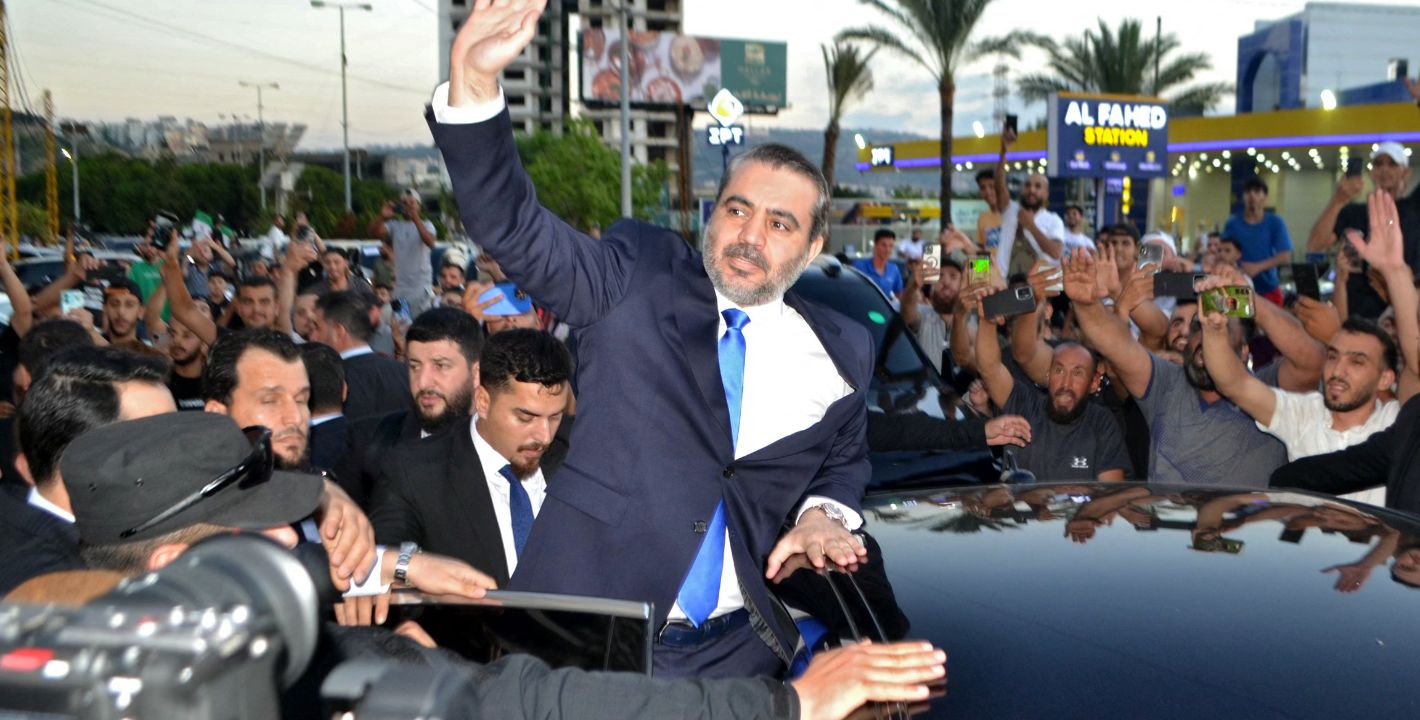
In an interview, Sohaib Jawhar analyzes the profound changes in the ties between the neighboring countries.
Michael Young
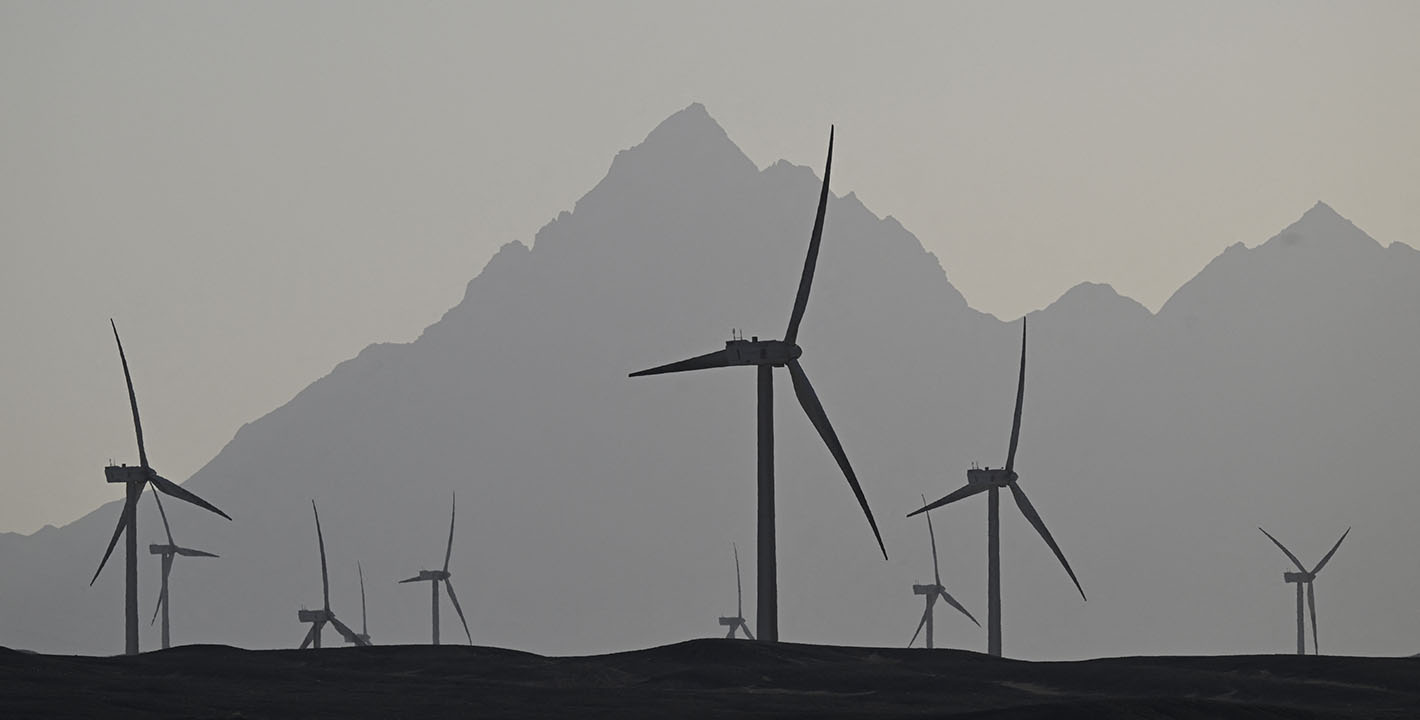
There is a disturbing structural parallel between the old global energy economy and the new green transition.
Angie Omar