

In The Media
Jessica Tuchman Mathews
{
  "authors": [
    "Jessica Tuchman Mathews"
  ],
  "type": "legacyinthemedia",
  "centerAffiliationAll": "dc",
  "centers": [
    "Carnegie Endowment for International Peace",
    "Malcolm H. Kerr Carnegie Middle East Center"
  ],
  "collections": [],
  "englishNewsletterAll": "menaTransitions",
  "nonEnglishNewsletterAll": "",
  "primaryCenter": "Carnegie Endowment for International Peace",
  "programAffiliation": "MEP",
  "programs": [
    "Middle East"
  ],
  "projects": [],
  "regions": [
    "Middle East",
    "Israel",
    "Türkiye",
    "Palestine",
    "Levant"
  ],
  "topics": [
    "Security"
  ]
}
Source: Getty
The attack on the flotilla headed for Gaza was not only a political catastrophe for the Israelis; it also underscored the tragedy of the situation in Gaza and the need for substantive progress to be made in the peace process.
Source: Al Jazeera
The attack on the flotilla of humanitarian aid headed for Gaza was not only a political catastrophe for the Israelis; it also underscored the tragedy of the situation in Gaza and the weaknesses of both Gaza and Israel. Gaza does not have a government that is recognized by the international community and, Carnegie's Jessica Tuchman Mathews explained, the Israeli government is acting against its own best interests. “Hopefully this recent incident,” said Mathews, “will focus the international community's attention on the situation in Gaza.” She argued that the lack of progress in the peace process over the course of the last few years has proven unsustainable and now, more than ever, the Obama administration and the international community must work to assist the two parties in coming to a peaceful solution.

Distinguished Fellow
Mathews is a distinguished fellow at the Carnegie Endowment for International Peace. She served as Carnegie’s president for 18 years.
Recent Work
Jessica Tuchman Mathews
Jessica Tuchman Mathews

As the U.S. stumbles in its war with Iran, we are likely to see an acceleration of its disengagement from the region.

Michael Young
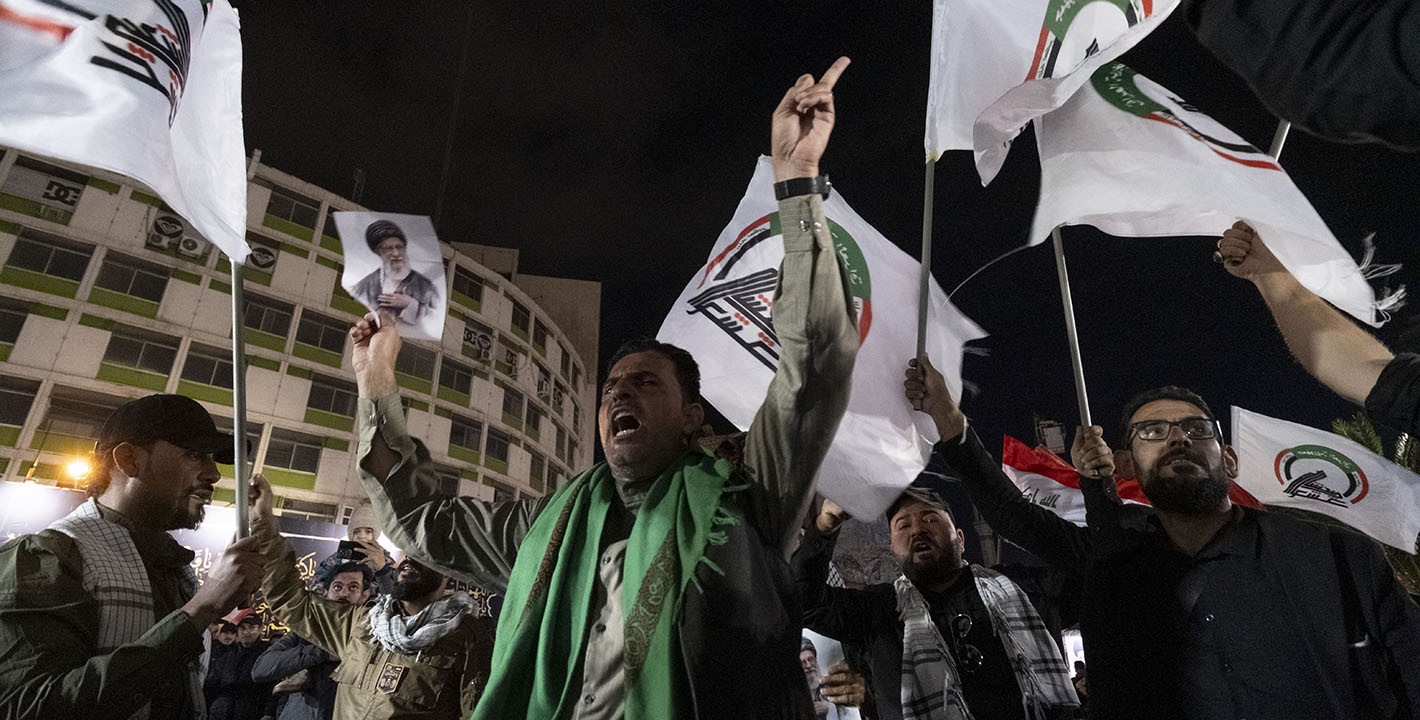
The Zaidi government’s objective to collect weapons is constrained by regional conflict, but it can take certain measures at home.
Ali Al-Mawlawi

It is improbable that Israel’s forthcoming elections will alter much in terms of how the country thinks about security.

Nathan J. Brown

Huawei pushed hard to enter the Egyptian data centers market, until the Americans made a better offer.

Angie Omar

The accord represents a pivotal moment in the region to avert a security vacuum in the Gulf.


Azeema Cheema, Mohanad Hage Ali