

Commentary
The accord represents a pivotal moment in the region to avert a security vacuum in the Gulf.
Azeema Cheema, Mohanad Hage Ali
{
  "authors": [],
  "type": "pressRelease",
  "centerAffiliationAll": "dc",
  "centers": [
    "Carnegie Endowment for International Peace"
  ],
  "collections": [],
  "englishNewsletterAll": "menaTransitions",
  "nonEnglishNewsletterAll": "",
  "primaryCenter": "Carnegie Endowment for International Peace",
  "programAffiliation": "MEP",
  "programs": [
    "Middle East"
  ],
  "projects": [],
  "regions": [
    "Middle East",
    "Palestine"
  ],
  "topics": []
}
REQUIRED IMAGE
The international community’s understandable admiration for Palestinian Prime Minister Salam Fayyad and his efforts to rebuild the West Bank obscures a dangerous regression in democracy and human rights.
WASHINGTON, July 1—The international community’s understandable admiration for Palestinian Prime Minister Salam Fayyad and his efforts to rebuild the West Bank obscures a dangerous regression in democracy and human rights. Just back from the West Bank, Nathan J. Brown contends that the United States is once again confusing support for an admirable individual with sound policy.
Key Conclusions
“To the extent that Fayyadism is building institutions, it is unmistakably doing so in an authoritarian context,” writes Brown. “There is no reason to associate Fayyad personally with the most egregious aspects of this new authoritarianism, but there is no way his cabinet could have been created or sustained in a more democratic environment.”
“Palestinian authoritarianism in 2010 is different from Palestinian authoritarianism under Arafat—it is less venal and probably less capricious. But it is also more stultifying.”
###
NOTES
Carnegie does not take institutional positions on public policy issues; the views represented herein are those of the author(s) and do not necessarily reflect the views of Carnegie, its staff, or its trustees.

The accord represents a pivotal moment in the region to avert a security vacuum in the Gulf.


Azeema Cheema, Mohanad Hage Ali

In an interview, Jason Burke discusses his sweeping account of the “revolutionists” who so shaped the 1970s and early 1980s.

Michael Young

By failing to address Palestinian representation, the current process is bound to lead to just another temporary arrangement.

Nathan J. Brown
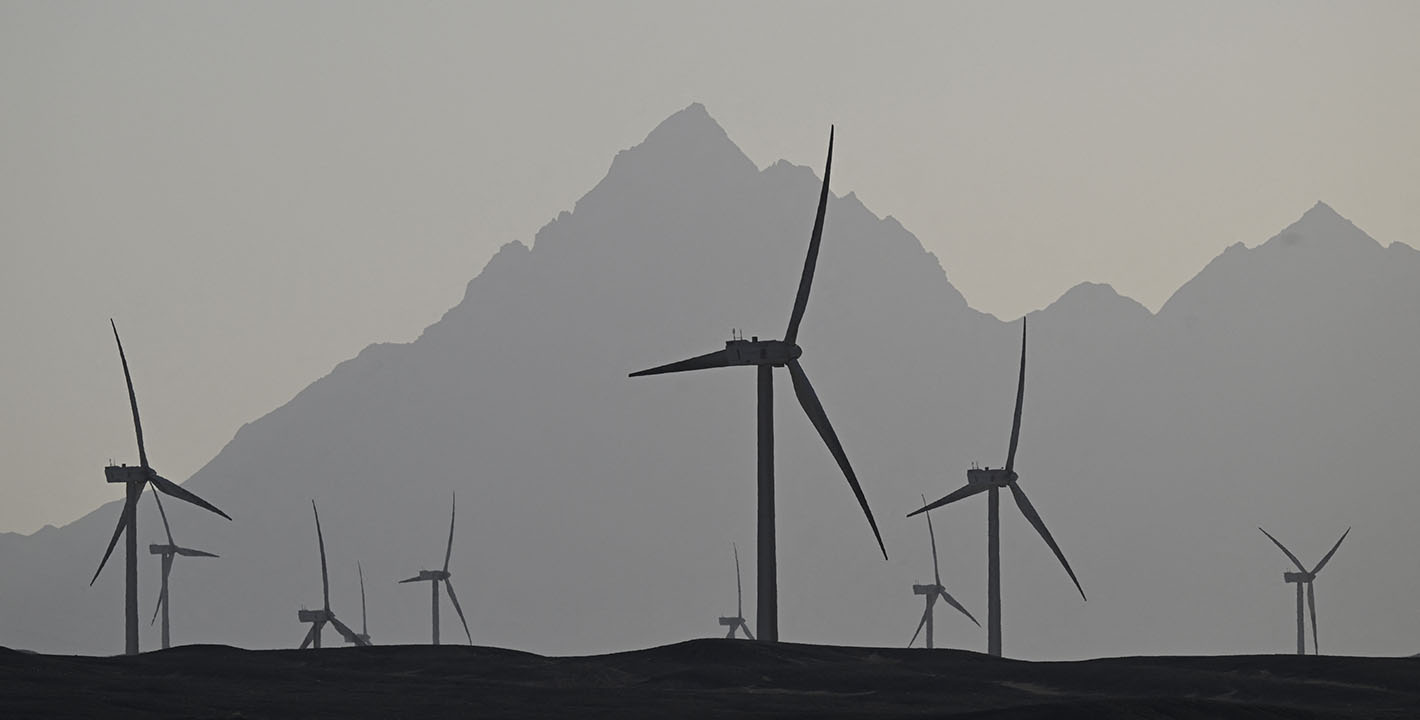
There is a disturbing structural parallel between the old global energy economy and the new green transition.

Angie Omar
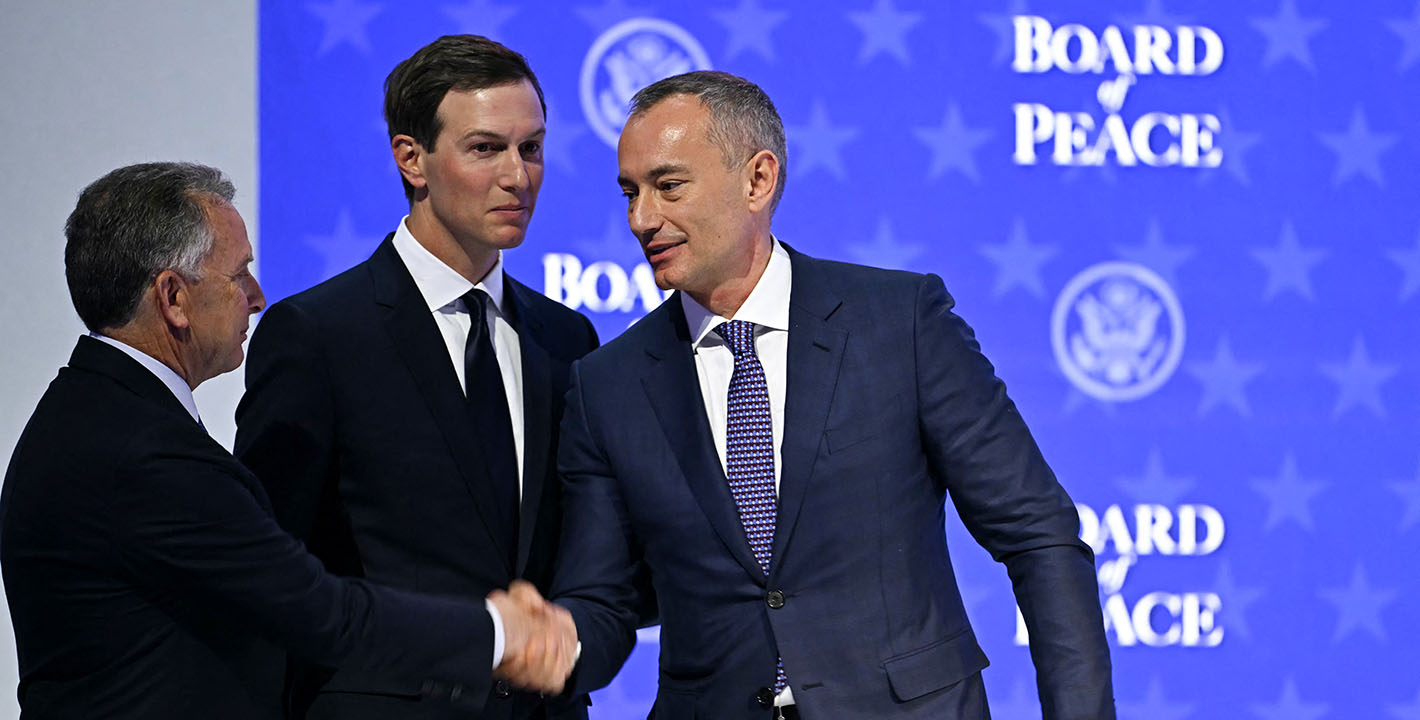
Policy discussion is ignoring that the Palestinian national project is hollowed out and apartheid is a present danger.
Nathan J. Brown