

Commentary
The party’s domestic and regional roles have changed, so Lebanon should devise a disarmament strategy that encompasses this.
Michael Young
{
  "authors": [
    "Matthew Rojansky",
    "James F. Collins"
  ],
  "type": "other",
  "centerAffiliationAll": "dc",
  "centers": [
    "Carnegie Endowment for International Peace",
    "Carnegie Russia Eurasia Center"
  ],
  "collections": [],
  "englishNewsletterAll": "ctw",
  "nonEnglishNewsletterAll": "",
  "primaryCenter": "Carnegie Endowment for International Peace",
  "programAffiliation": "russia",
  "programs": [
    "Russia and Eurasia"
  ],
  "projects": [
    "U.S.-Russia Bilateral Presidential Commission"
  ],
  "regions": [
    "North America",
    "United States",
    "Caucasus",
    "Russia"
  ],
  "topics": [
    "Political Reform",
    "Foreign Policy"
  ]
}
Source: Getty
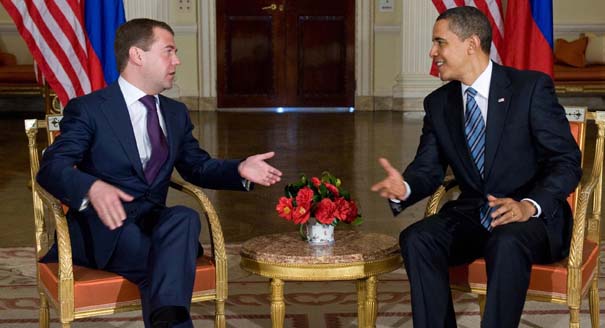
Despite the reset, a values gap still exists between Russia and the United States that could limit progress, undermine trust and confidence in the bilateral relationship, and raise difficult issues that cannot be ignored.
Nearly two years after the Obama administration’s “reset” with Russia, significant accomplishments have validated a policy based on cooperating on shared interests and building working-level relationships as a foundation for future cooperation and conflict prevention. Moscow and Washington have worked together to reduce both sides’ nuclear arsenals and combat global nuclear proliferation, to support peacekeeping and reconstruction in Afghanistan, and to prepare coordinated responses to international terrorist threats.
Yet critics have rightly pointed out that Russia is still far from a steadfast U.S. ally, and that some of the Kremlin’s conduct at home—arresting dissidents, muzzling independent media, and concentrating wealth in the hands of loyal oligarchs—remains troubling. Despite the reset, a “values gap” still exists between Russia and the United States that limits progress, undermines trust and confidence in the bilateral relationship, and raises difficult issues that cannot be ignored.
Unfortunately, the responses to this challenge proposed by experts on both sides of an ongoing debate in Washington are at best inadequate, and at worst fundamentally misguided. On the one hand, a policy of “linkage”—making nascent U.S.-Russia cooperation across the board conditional on the Kremlin’s domestic policies and human rights record—will not work. Rather, it is likely to undermine U.S. influence with Moscow that could be used to support change over the long term. On the other hand, compartmentalizing Russian domestic politics and U.S.-Russia cooperation on shared interests may send the wrong signal to Moscow, implying that it can deepen cooperation with Washington and increase Washington’s stake in the relationship without taking any actions to reduce the values gap.
It is time for a new approach, focusing on the intersection between concrete U.S. interests and the principles that have been accepted in greater Europe since the Helsinki Final Act was adopted in 1975. First, the United States should work with European allies and multilateral institutions to remind Russia of commitments to international rules and norms it has freely undertaken, such as the Charter of Paris and the European Convention on Human Rights.
Second, the U.S. government should fulfill its duty to support the interests of U.S. citizens and U.S. companies working in Russia, insist on legal protections for U.S. entrepreneurs and innovators participating in Russia’s “modernization” campaign, and make clear that Russia must accept American rules when it participates in the U.S. market.
Third, recalling its own substantial political investment in U.S.-Russia cooperation, the Obama administration should remind Moscow that political repression and economic abuses will cause a backlash among Americans and limits its ability to pursue broader and deeper engagement with Russia in the future. By focusing on how Russian domestic policies affect U.S. interests, Washington has a better chance to influence change in Moscow than by holding cooperation hostage to unrealistic goals or by artificially de-linking Russia’s domestic policies from the U.S.-Russia relationship.

Former Deputy Director, Russia and Eurasia Program
Rojansky, formerly executive director of the Partnership for a Secure America, is an expert on U.S. and Russian national security and nuclear-weapon policies.
Nonresident Senior Fellow, Russia and Eurasia Program; Diplomat in Residence
Ambassador Collins was the U.S. ambassador to the Russian Federation from 1997 to 2001 and is an expert on the former Soviet Union, its successor states, and the Middle East.
Carnegie does not take institutional positions on public policy issues; the views represented herein are those of the author(s) and do not necessarily reflect the views of Carnegie, its staff, or its trustees.
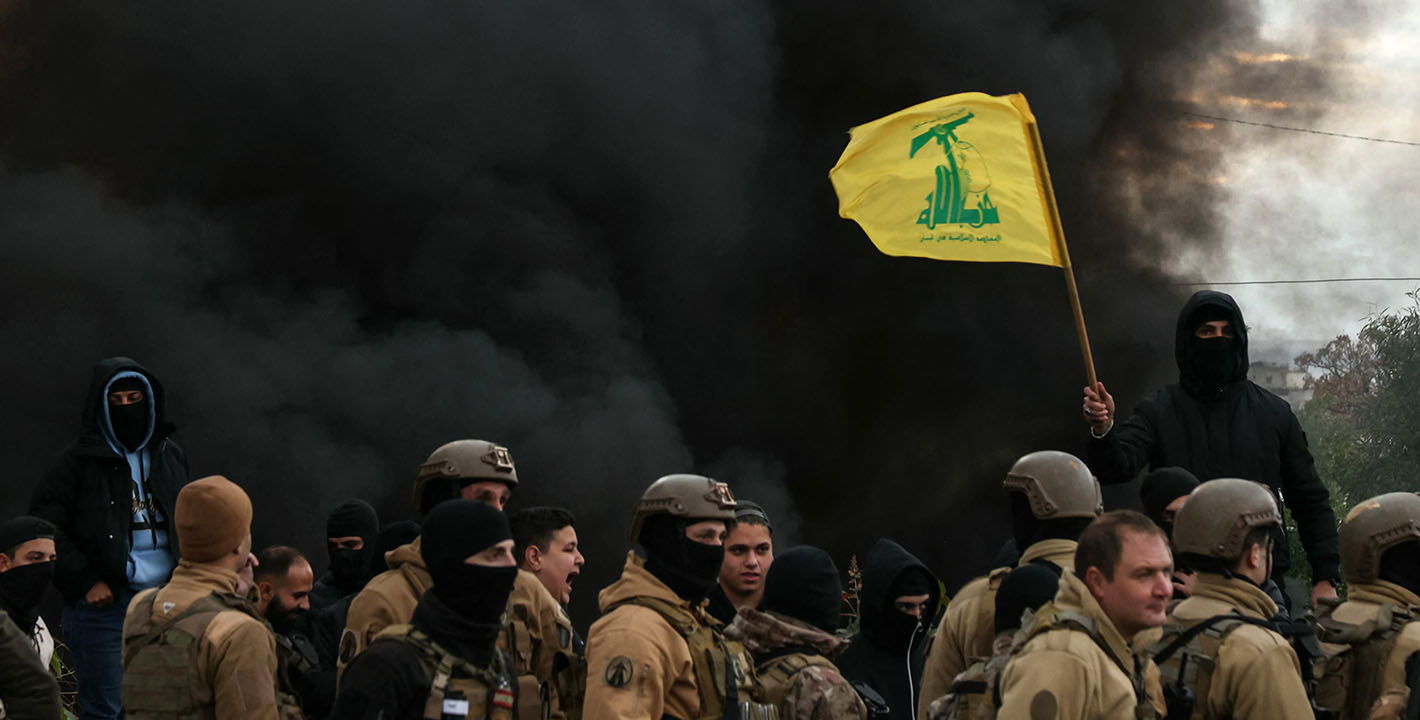
The party’s domestic and regional roles have changed, so Lebanon should devise a disarmament strategy that encompasses this.

Michael Young

In an interview, Marc Lynch discusses his new book decrying the post-1990 U.S.-dominated order in the Middle East.
Michael Young

Because perpetual conflict enhances control, offers economic benefits, and allows leaders to ignore popular preferences.

Angie Omar
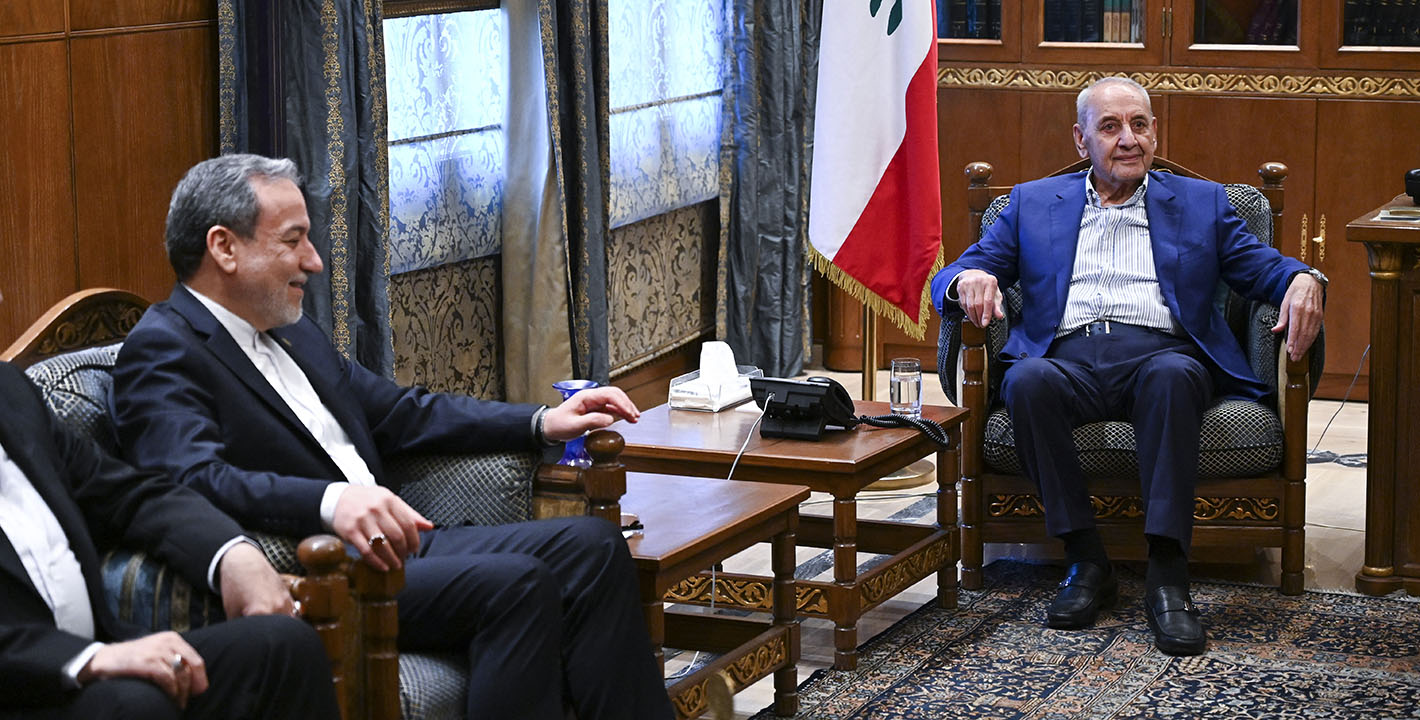
A prerequisite of serious talks is that the country’s leadership consolidates majority national support for such a process.
Michael Young

In an interview, Jim Lamson discusses the ongoing regional conflict and sees an unclear picture when it comes to winners and losers.
Michael Young