

Paper
Douglas H. Paal
{
  "authors": [
    "Douglas H. Paal"
  ],
  "type": "legacyinthemedia",
  "centerAffiliationAll": "dc",
  "centers": [
    "Carnegie Endowment for International Peace"
  ],
  "collections": [],
  "englishNewsletterAll": "asia",
  "nonEnglishNewsletterAll": "",
  "primaryCenter": "Carnegie Endowment for International Peace",
  "programAffiliation": "AP",
  "programs": [
    "Asia"
  ],
  "projects": [],
  "regions": [
    "United States",
    "East Asia",
    "China"
  ],
  "topics": [
    "Economy",
    "Trade",
    "Foreign Policy"
  ]
}
Source: Getty
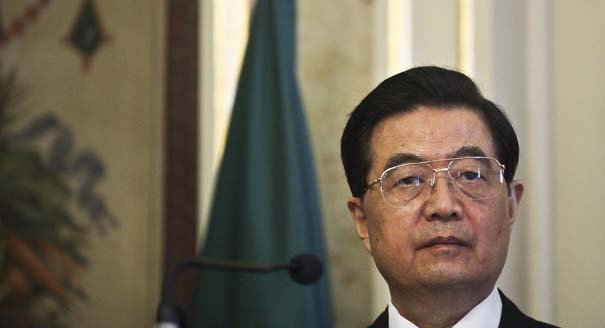
The United States and China have already seen an improvement in bilateral ties in the months leading up to President Hu Jintao's visit to Washington and this positive momentum should be maintained going forward.
Source: China Daily

The past year produced many warning signs of potential trouble as debates erupted on both sides about the other's intentions. Many in the US suspect China is trying to steal US jobs by unfair means and to knock the US from its leading position in world affairs. Many in China suspect the US is trying to "contain" China's return to greatness and its regional influence.
Fortunately, leaders in both countries over the past few months have refrained from the temptation to presume the worst about the other. They have worked to develop greater cooperation in the management of the many security, economic, and political issues that naturally arise among such different and globally engaged societies. They have raised their vision above the journalism of the day.
The Barack Obama administration reached out to the Chinese government last September, and together they set forth a road map to rebuild momentum in what they call a positive, cooperative, and comprehensive relationship.
Subsequently, the previously strained military-to-military relations were formally restored. The Joint Commission on Commerce and Trade held its most successful meeting yet in addressing trade and market access issues. China's currency increased in real terms by 10 percent, relieving both trade tension and China's domestic inflation. The US and China also reached a consensus on verification to mitigate the effects of climate change.
Perhaps most significantly, Chinese officials have recently reiterated their commitment to "peaceful development," and acknowledged that the US will enjoy global leadership for decades to come. When President Hu visits Washington, his reiteration of this policy stance will be welcome and helpful in reducing mutual mistrust.
For its part, the Obama administration has gone to extraordinary lengths to prepare for the visit and to send a message of willingness to partner with China on a range of issues. The secretaries of defense, state and commerce have delivered major speeches on the topic, and President Obama has immersed himself in detailed preparations.
For most of the first two decades of modern US-China relations, starting in 1972, the differences between the two countries were submerged in a common anti-Soviet stance. In the 1990s, differences over trade, human rights and regional security reemerged, as the common strategic objectives diffused.
After 2001, the US became fixated on counter-terrorism and awash in a bubble economy, to some extent diverting US eyes from US interests in Asia. China marched forward, as a new member of the World Trade Organization, rapidly growing its economy and attracting Western investment. China's regional influence and global interests grew accordingly. The China that has emerged is a much more capable country than at any time in the past nearly 40 years of the US-China relationship.
Today, the US is changing its foreign policy and returning to its traditional role in Asia. This is not intended to "contain" or threaten China, but to nurture, protect and advance US interests there. The problems that confront Washington and Beijing are wide-ranging and serious, but so too is the potential for cooperation. Despite different histories, cultures, values, and systems, the US and China nonetheless have the potential to perpetuate peace and prosperity together. China benefited greatly from the post-war system, as did the US and China's neighbors - Japan, the Republic of Korea, and Southeast Asia.
China, as a renewed, economically vibrant major power, can work with the US in the Asia-Pacific region to prolong peace and prosperity. Failure and conflict would waste the hopes of not just our two peoples, but of the 21st century as a whole.
President Hu's visit, and the careful preparations that preceded it, have set the stage for adopting a course to navigate the challenges of the next few years, as China goes through a generational transition in leadership and the US and others experience elections.
With wisdom and will, the meeting of Presidents Obama and Hu can chart the course for decades to come.

Distinguished Fellow, Asia Program
Paal previously served as vice chairman of JPMorgan Chase International and as unofficial U.S. representative to Taiwan as director of the American Institute in Taiwan.
Recent Work
Douglas H. Paal


Douglas H. Paal, Tong Zhao, Chen Qi, …
Carnegie does not take institutional positions on public policy issues; the views represented herein are those of the author(s) and do not necessarily reflect the views of Carnegie, its staff, or its trustees.
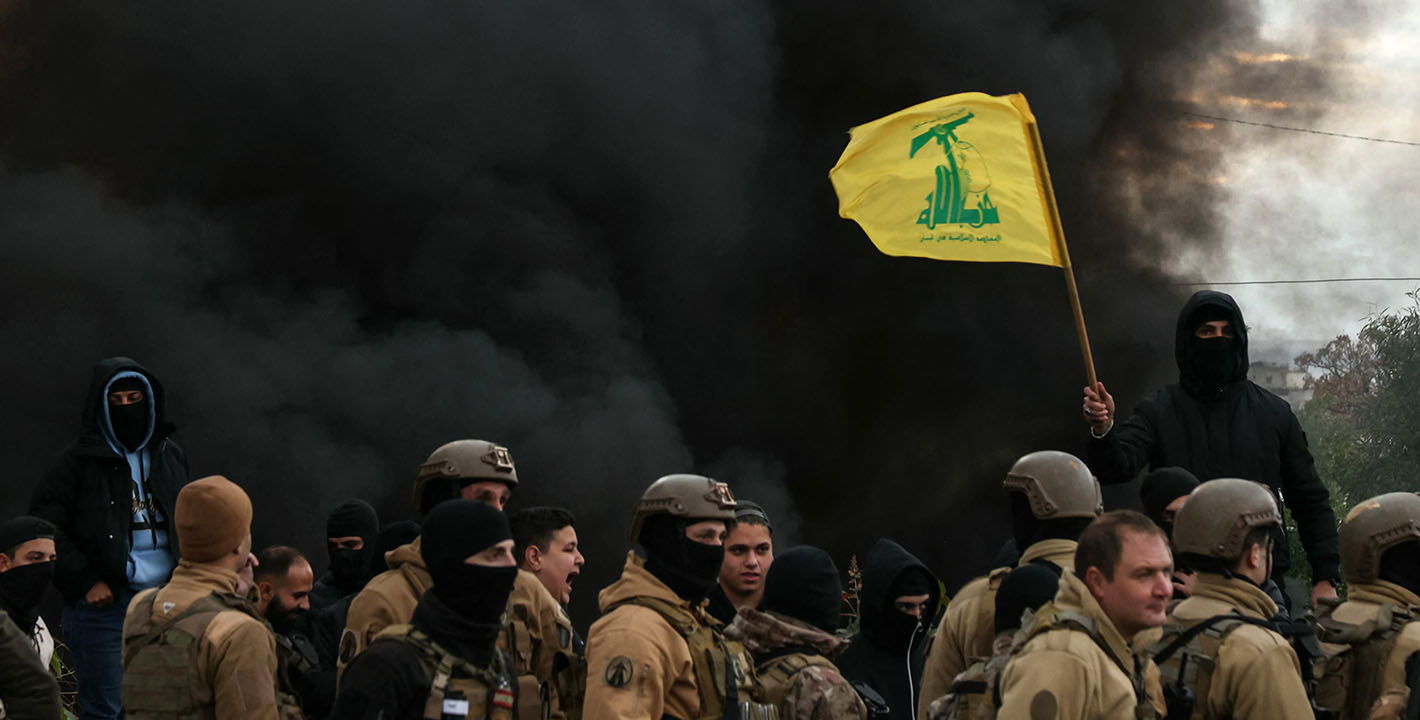
The party’s domestic and regional roles have changed, so Lebanon should devise a disarmament strategy that encompasses this.

Michael Young

In an interview, Marc Lynch discusses his new book decrying the post-1990 U.S.-dominated order in the Middle East.
Michael Young

Because perpetual conflict enhances control, offers economic benefits, and allows leaders to ignore popular preferences.

Angie Omar
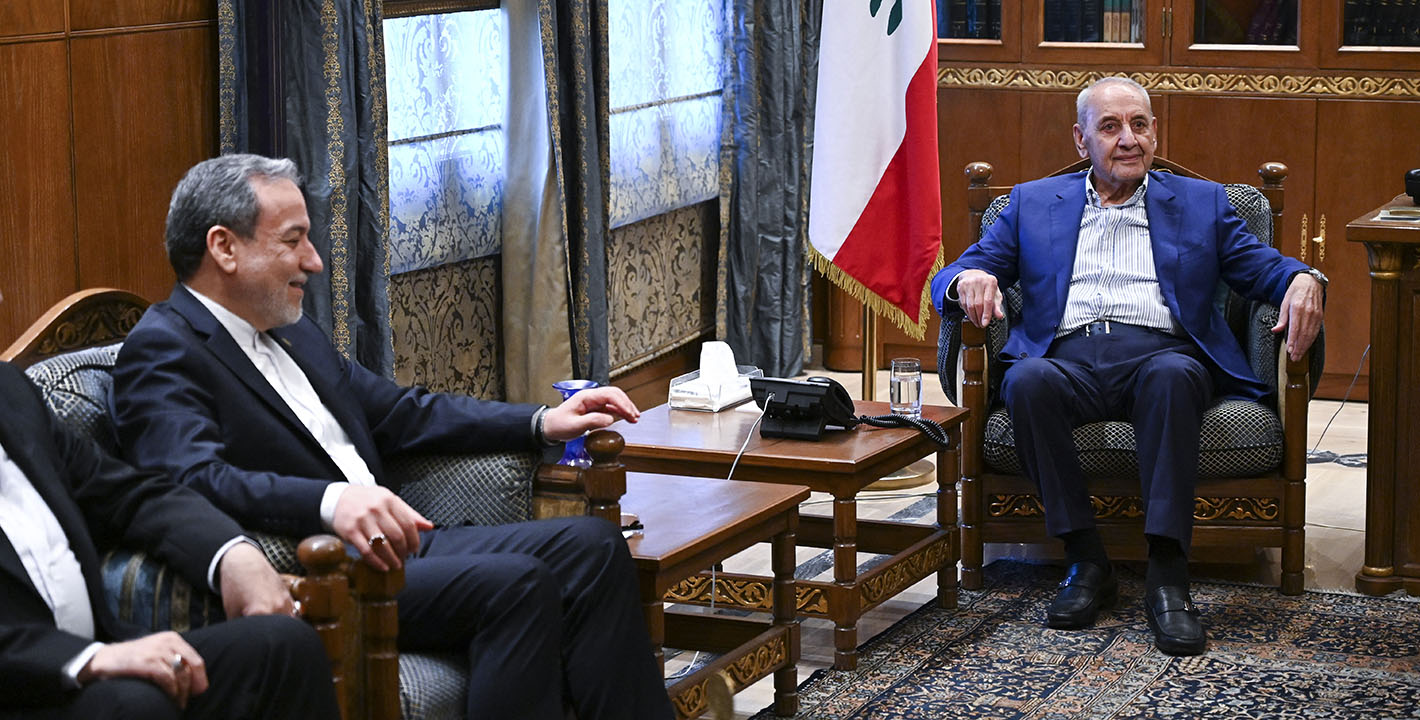
A prerequisite of serious talks is that the country’s leadership consolidates majority national support for such a process.
Michael Young
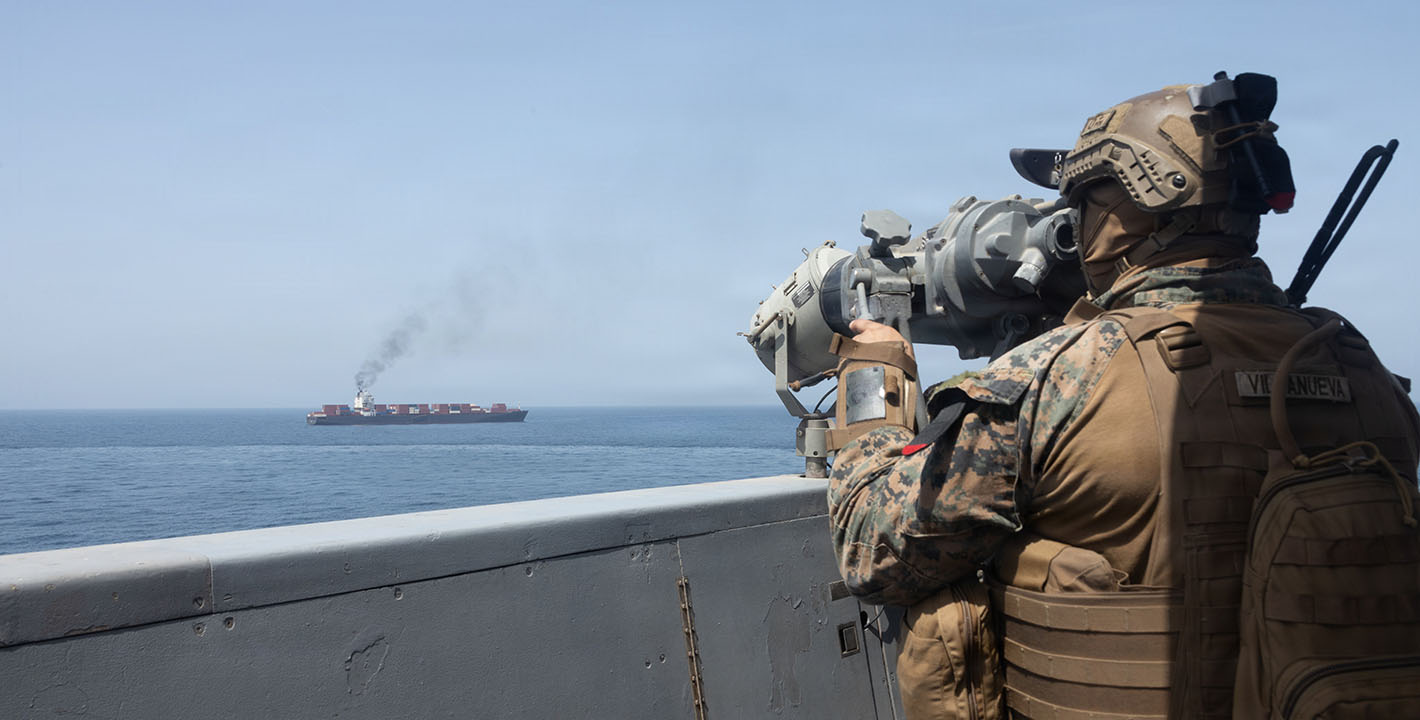
In an interview, Jim Lamson discusses the ongoing regional conflict and sees an unclear picture when it comes to winners and losers.
Michael Young