

Q&A
- +1
Amr Hamzawy, Andrew Leber, Eric Lob, …
{
  "authors": [
    "Marwan Muasher"
  ],
  "type": "legacyinthemedia",
  "centerAffiliationAll": "dc",
  "centers": [
    "Carnegie Endowment for International Peace",
    "Malcolm H. Kerr Carnegie Middle East Center"
  ],
  "collections": [
    "Arab Awakening"
  ],
  "englishNewsletterAll": "menaTransitions",
  "nonEnglishNewsletterAll": "",
  "primaryCenter": "Carnegie Endowment for International Peace",
  "programAffiliation": "MEP",
  "programs": [
    "Middle East"
  ],
  "projects": [],
  "regions": [
    "Middle East",
    "Jordan",
    "Levant"
  ],
  "topics": [
    "Political Reform",
    "Economy"
  ]
}
Source: Getty
The protest movement in Jordan is fundamentally about opening the political system in Jordan, not economic grievances.
Source: France 24

The Jordanian government's efforts to subsidize basic foodstuffs and raise public-sector wages will not be enough to ameliorate the calls for serious political reform, Muasher said. The economic measures taken by the government in Jordan are only addressing one of the protesters’ grievances. Ultimately, Muasher concluded, these protests are about political reform and democracy, not the economy.

Vice President for Studies
Marwan Muasher is vice president for studies at Carnegie, where he oversees research in Washington and Beirut on the Middle East. Muasher served as foreign minister (2002–2004) and deputy prime minister (2004–2005) of Jordan, and his career has spanned the areas of diplomacy, development, civil society, and communications.
Recent Work



Amr Hamzawy, Andrew Leber, Eric Lob, …
Marwan Muasher
Carnegie does not take institutional positions on public policy issues; the views represented herein are those of the author(s) and do not necessarily reflect the views of Carnegie, its staff, or its trustees.

Huawei pushed hard to enter the Egyptian data centers market, until the Americans made a better offer.

Angie Omar

The accord represents a pivotal moment in the region to avert a security vacuum in the Gulf.


Azeema Cheema, Mohanad Hage Ali

In an interview, Jason Burke discusses his sweeping account of the “revolutionists” who so shaped the 1970s and early 1980s.

Michael Young

The armed forces champion a form of capitalism that is generating revenue, but its reliance on rent faces diminishing returns, leaving the country with massive sunk costs and deferred returns, deepening dependency on external borrowing.

Yezid Sayigh
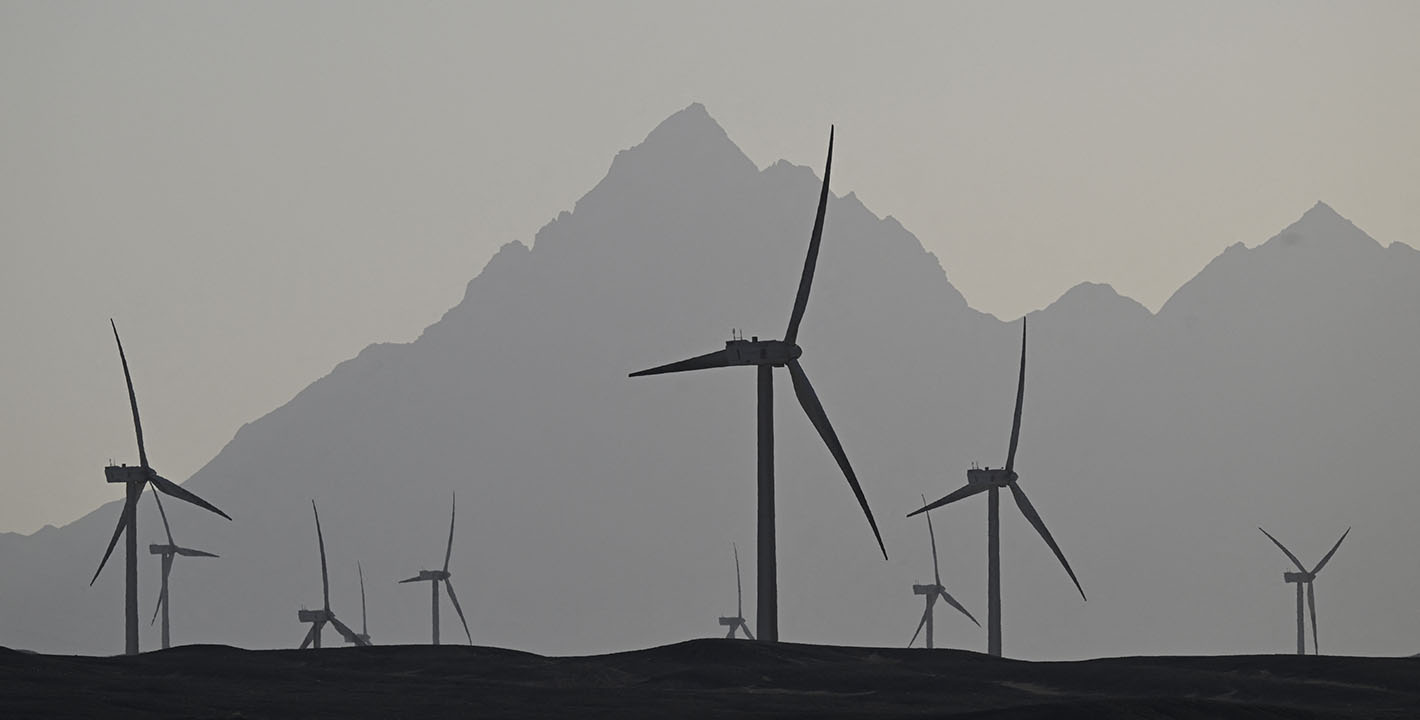
There is a disturbing structural parallel between the old global energy economy and the new green transition.
Angie Omar