

Commentary
By failing to address Palestinian representation, the current process is bound to lead to just another temporary arrangement.
Nathan J. Brown
{
  "authors": [
    "Heather Grabbe",
    "Sinan Ülgen"
  ],
  "type": "legacyinthemedia",
  "centerAffiliationAll": "",
  "centers": [
    "Carnegie Endowment for International Peace",
    "Carnegie Europe"
  ],
  "collections": [
    "Turkey’s Transformation"
  ],
  "englishNewsletterAll": "",
  "nonEnglishNewsletterAll": "",
  "primaryCenter": "Carnegie Europe",
  "programAffiliation": "",
  "programs": [],
  "projects": [],
  "regions": [
    "Middle East",
    "Europe",
    "Türkiye",
    "Western Europe",
    "France"
  ],
  "topics": [
    "Foreign Policy"
  ]
}
Source: Getty
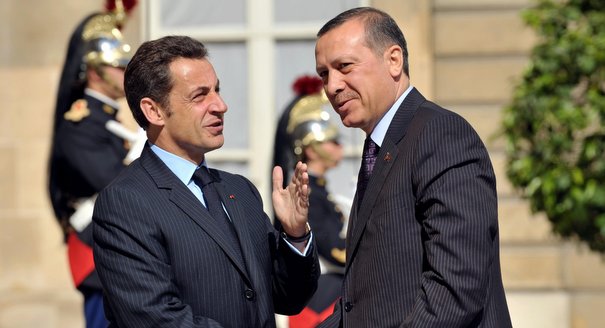
The strategic rivalry emerging between France and Turkey could compromise the ability of the West to respond cohesively and effectively to emerging threats.
Source: European Voice

This is more serious than their difference of approach on military intervention to Muslim countries. A strategic rivalry is emerging that is compromising the ability of the West to respond cohesively and effectively to emerging threats. And this rivalry is damaging the EU's relationship with Turkey at a moment when both have much to gain by working together in the southern Mediterranean.
The relationship between Paris and Ankara has long been poor, but it has rarely been worse. Turkey was conspicuously absent from the meeting of leaders in Paris that, on 19 March, established the ad hoc coalition to enforce the no-fly zone over Libya. French President Nicolas Sarkozy's decision not to invite Turkey showed how deep the rift between Paris and Ankara has grown.
Usually, acrimony in bilateral relations can be addressed through political dialogue and direct contacts between leaders, but reconciliation looks far away. Sarkozy's visit to Turkey in March added insult to several years of injury, by repeating his opposition to Turkey's bid to the join the EU. Turkish Prime Minister Recep Tayyip Erdogan was furious about being frozen out of the Paris summit.
The strategic rivalry could extend beyond Libya. France is actively looking for new interlocutors in north Africa, a region in which it has huge political, economic and energy interests as well as a long history. Paris is seeking not only to establish ties with the emerging leaders in Tunisia and Egypt, as well as looking for new allies in Algeria and Morocco.
But, while France may have aspirations, the emerging political constituencies in Tunisia and Egypt find Turkey a more interesting model and more appealing partner for their transition processes.
Like France, Turkey has a difficult imperial legacy in the region, but it offers a successful combination of Muslim traditions, democracy and rising prosperity. And, in Arab eyes, the dynamism of its economic growth compares favourably with crisis-ridden Europe's sluggishness.
In recent years, as its membership talks with the EU have slowed down, Turkey has focused on being a big power in its neighbourhood. In the process, it has regained self-confidence.
However, the Arab transitions pose Turkey a challenge that it cannot manage alone – and neither can the EU. The region needs what both have to offer. For example, the EU can offer money but not guidance on combining political Islam with democracy. For its part, Turkey has trade and investments but lacks the EU's capacity for technology transfer and market size to help north Africa's developing economies.
Both Turkey and the EU have much to gain from dovetailing their neighbourhood policies to form a common strategy for the southern Mediterranean.
For that to happen, Turkey and the EU would need a high-level political dialogue on foreign policy. That is missing at the moment because Turkey's accession process is nearly at a standstill. Negotiators have no reason to meet to discuss foreign, security and external policies because those chapters are blocked.
The EU should therefore establish a foreign-policy dialogue that allows Turkey to work in concert with the Union regardless of the progress of accession talks. This dialogue would be a forum for regular, institutionalised discussions about the aid, technical assistance, political support and economic opportunities that are needed to facilitate the Arab transitions.
Strategic dialogue between the EU and Turkey needs to replace the emerging strategic rivalry between France and Turkey, to establish a smoother and more reliable regional security order led by NATO, and prevent a repeat of the debacles in the Libya crisis.
Heather Grabbe
Grabbe is director of the Open Society European Policy Institute.

Senior Fellow, Carnegie Europe
Sinan Ülgen is a senior fellow at Carnegie Europe in Brussels, where his research focuses on Turkish foreign policy, transatlantic relations, international trade, economic security, and digital policy.
Carnegie does not take institutional positions on public policy issues; the views represented herein are those of the author(s) and do not necessarily reflect the views of Carnegie, its staff, or its trustees.

By failing to address Palestinian representation, the current process is bound to lead to just another temporary arrangement.

Nathan J. Brown
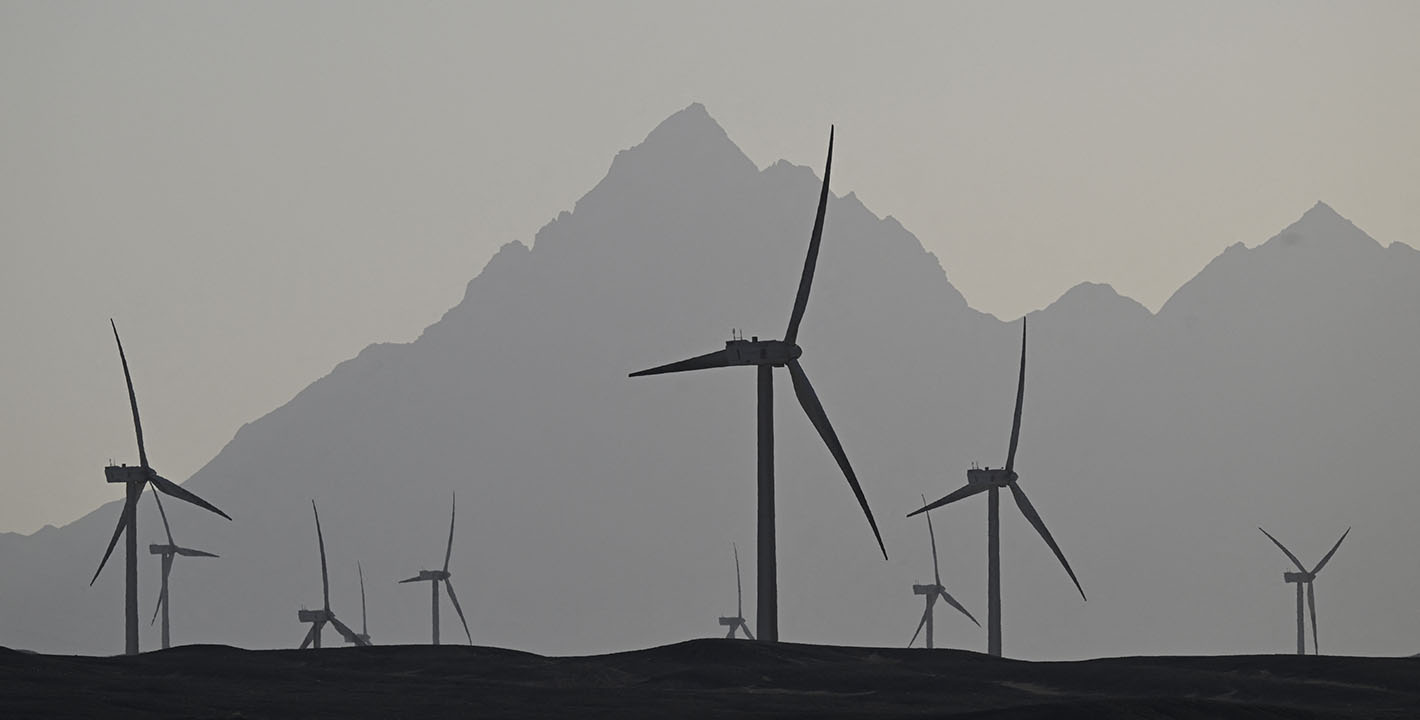
There is a disturbing structural parallel between the old global energy economy and the new green transition.

Angie Omar
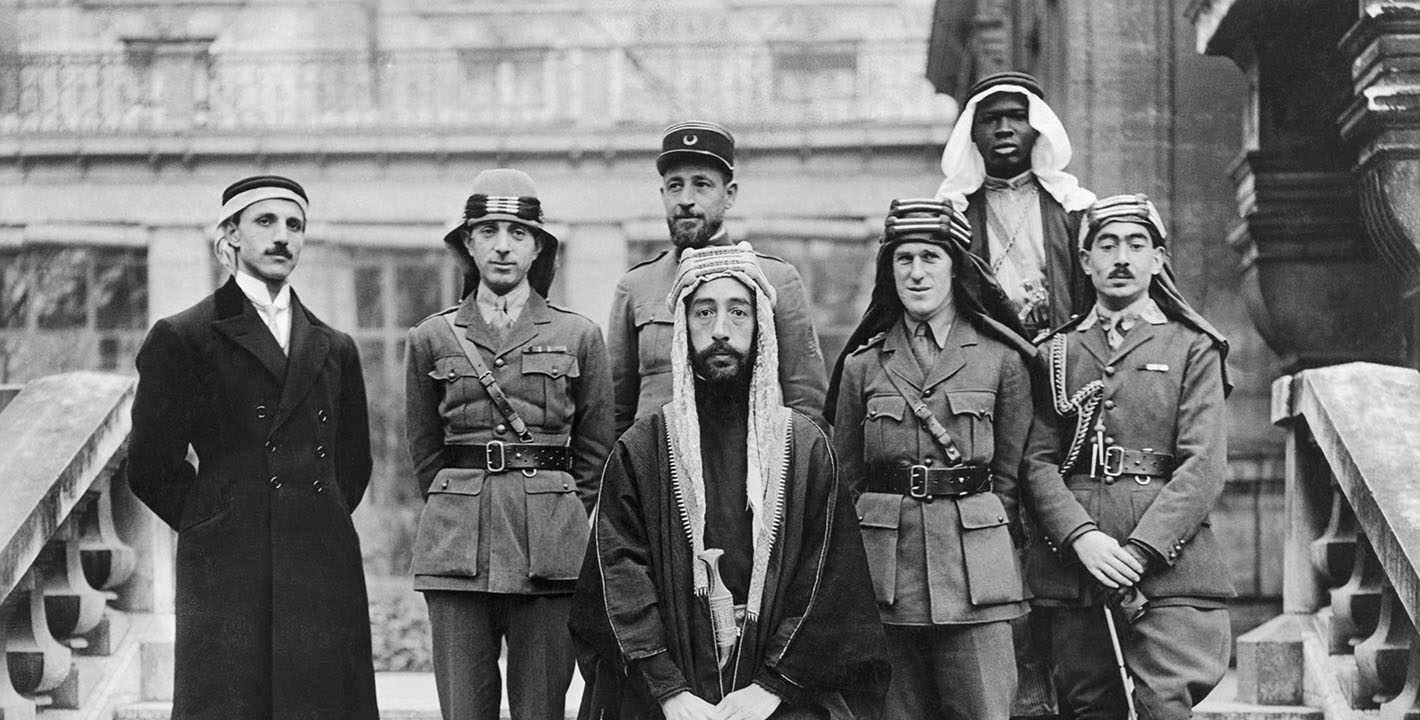
In an interview, Elizabeth Thompson recalls how the country formulated a liberal constitution in 1920, before being denied by France and Britain.

Michael Young
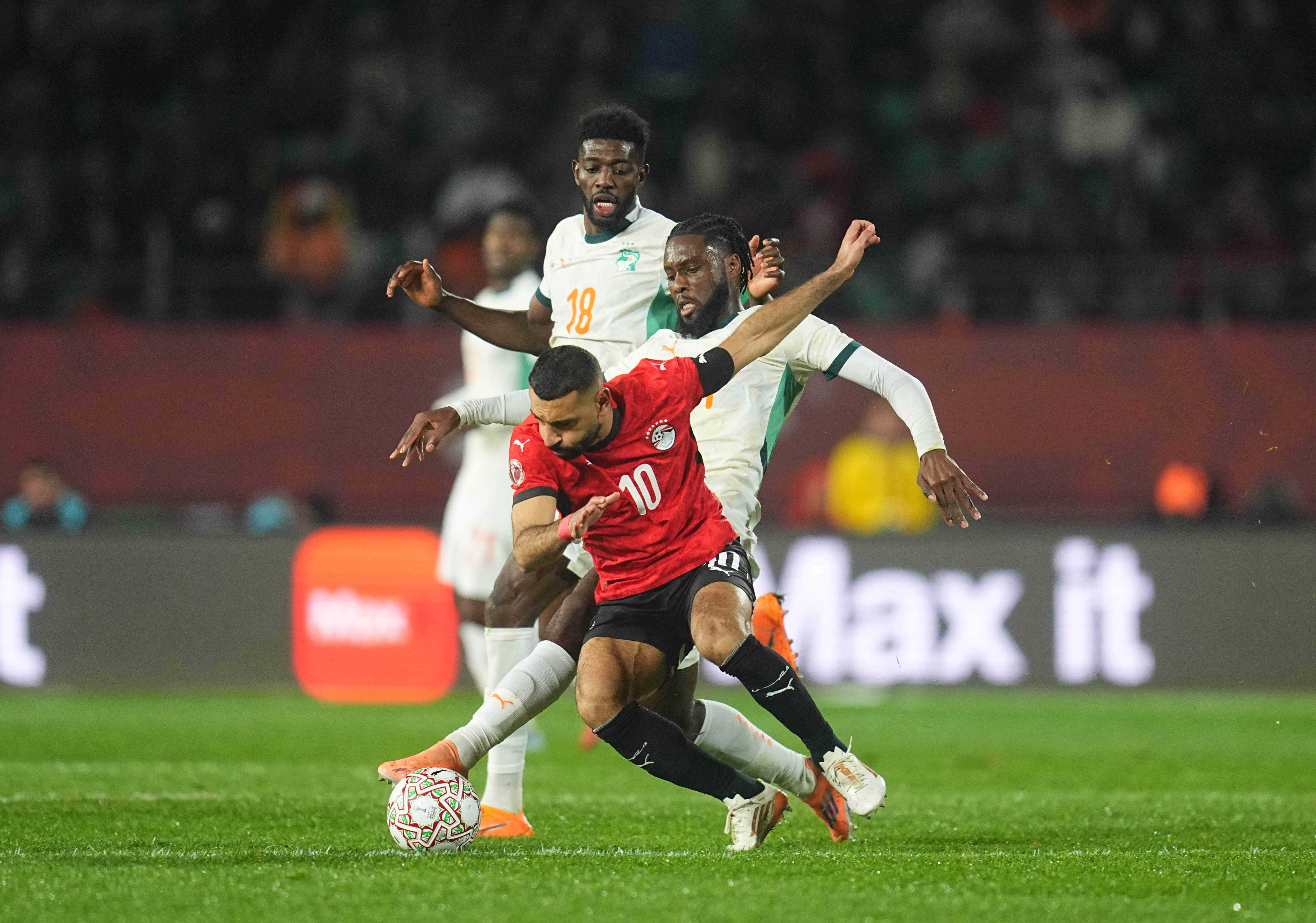
This will be the region’s most representative tournament, amid broad changes in its footballing landscape.

Issam Kayssi

Just look at Iraq in 1991.

Marwan Muasher