• Research
  • Diwan
  • About
  • Experts
Carnegie Middle East logoCarnegie lettermark logo
PalestineSyria
{
  "authors": [
    "Anouar Boukhars"
  ],
  "type": "legacyinthemedia",
  "centerAffiliationAll": "dc",
  "centers": [
    "Carnegie Endowment for International Peace"
  ],
  "collections": [],
  "englishNewsletterAll": "menaTransitions",
  "nonEnglishNewsletterAll": "",
  "primaryCenter": "Carnegie Endowment for International Peace",
  "programAffiliation": "MEP",
  "programs": [
    "Middle East"
  ],
  "projects": [],
  "regions": [
    "North Africa",
    "Algeria",
    "Southern, Eastern, and Western Africa",
    "Mali"
  ],
  "topics": [
    "Political Reform",
    "Security"
  ]
}
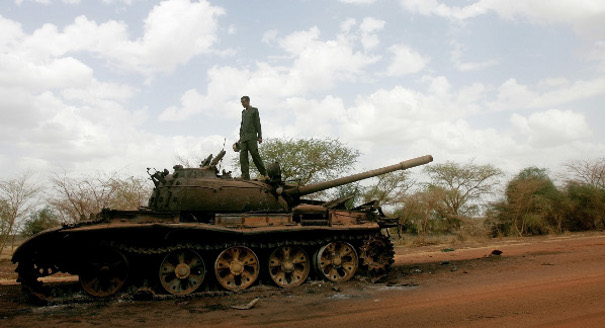
Source: Getty

In The Media

Islamists in the Sahel

The conflict in northern Mali cannot be solved by a military solution alone. Any effort to end the violence will have to utilize diplomatic and political components to address the grievances of the groups that have taken up arms.

Link Copied
By Anouar Boukhars
Published on Jan 17, 2013

Source: WBEZ's Worldview

The turmoil in northern Mali and southern Algeria may be an unpleasant harbinger of things to come. Speaking on WBEZ’s Worldview, Anouar Boukhars suggested that it is likely that there will continue to be incidents like the recent kidnapping of 45 hostages from an Algerian gas field. “This is something we should get used to,” noted Boukhars. Indeed, following the French intervention in northern Mali a host of terrorist groups vowed revenge and reprisal against not just the French, but the West in general and any African countries sending troops into Mali, he added The United States and other Western allies would have preferred a consortium led by west African forces, said Boukhars. However, the French intervention escalated the violence and provided a rallying point for the various disparate terrorist groups in the region. Ultimately, Boukhars argued that there can be no military solution to the conflict, suggesting that the conflict is political in nature and will need to be addressed through political and diplomatic measures. 

About the Author

Anouar Boukhars

Former Nonresident Fellow, Middle East Program

Boukhars was a nonresident fellow in Carnegie’s Middle East Program. He is a professor of countering violent extremism and counter-terrorism at the Africa Center for Strategic Studies, National Defense University.

    Recent Work

  • Article
    Islamic Authority and Arab States in a Time of Pandemic
      • +3

      Frederic Wehrey, Nathan J. Brown, Bader Al-Saif, …

  • Commentary
    A Different Type of Alliance

      Anouar Boukhars

Anouar Boukhars
Former Nonresident Fellow, Middle East Program
Political ReformSecurityNorth AfricaAlgeriaSouthern, Eastern, and Western AfricaMali

Carnegie does not take institutional positions on public policy issues; the views represented herein are those of the author(s) and do not necessarily reflect the views of Carnegie, its staff, or its trustees.
More Work from Malcolm H. Kerr Carnegie Middle East Center

  • Commentary
    Diwan
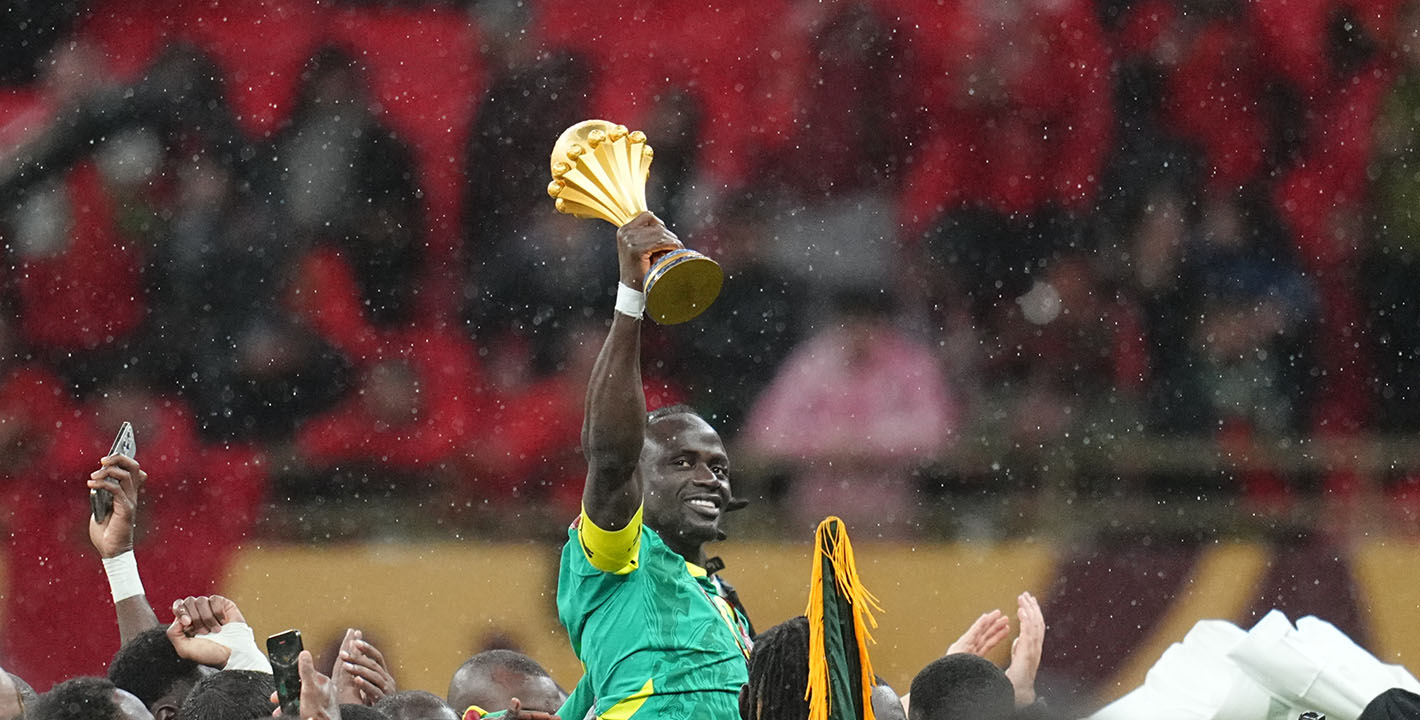
    When Football Is More Than Football

    The recent African Cup of Nations tournament in Morocco touched on issues that largely transcended the sport.


      Issam Kayssi, Yasmine Zarhloule

  • Commentary
    Carnegie Politika
    Baku Proceeds With Caution as Ethnic Azeris Join Protests in Neighboring Iran

    Baku may allow radical nationalists to publicly discuss “reunification” with Azeri Iranians, but the president and key officials prefer not to comment publicly on the protests in Iran.

      Bashir Kitachaev
  • Article
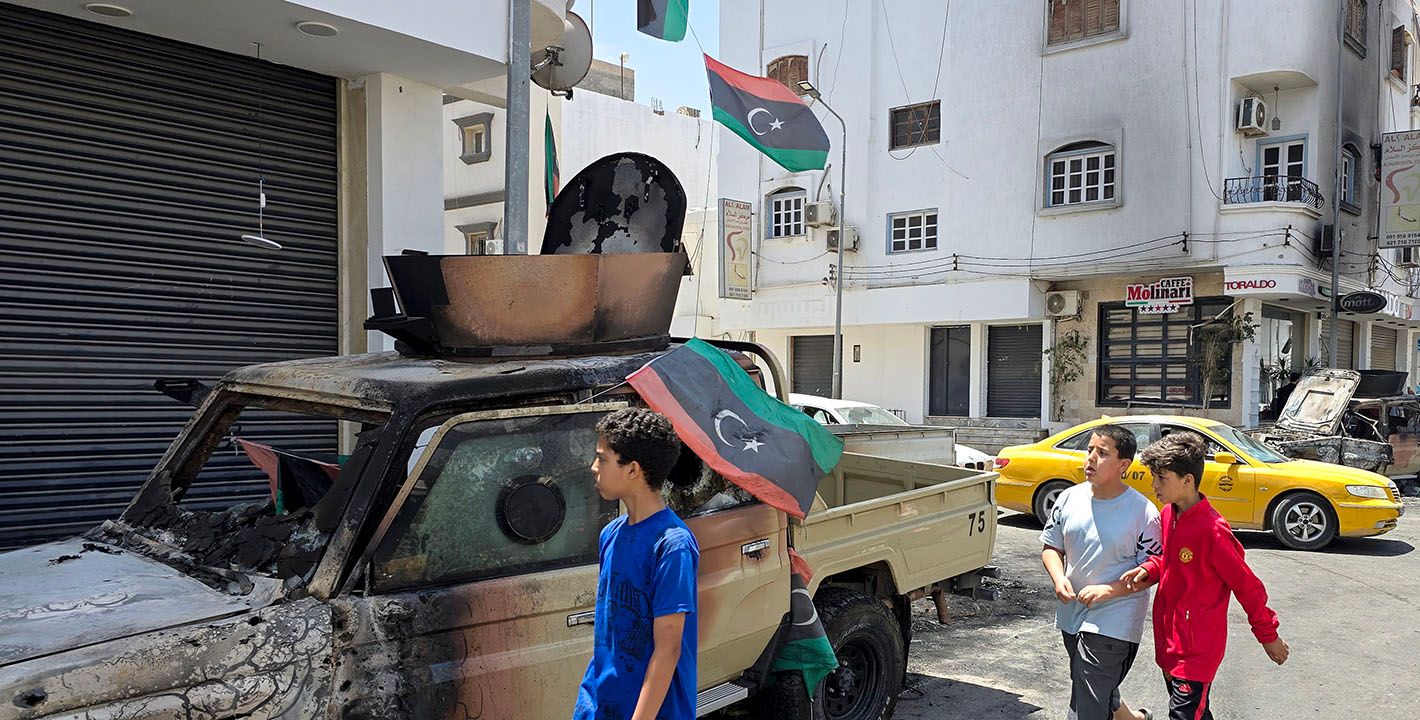
    Rethinking Power-Sharing Agreements in Libya

    The UN Support Mission in the country should reassess its approach so that consensus between the warring parties becomes the eventual goal, rather than a procedural matter that dogs the negotiating process at every turn.
      Soraya Rahem
  • Commentary
    Diwan
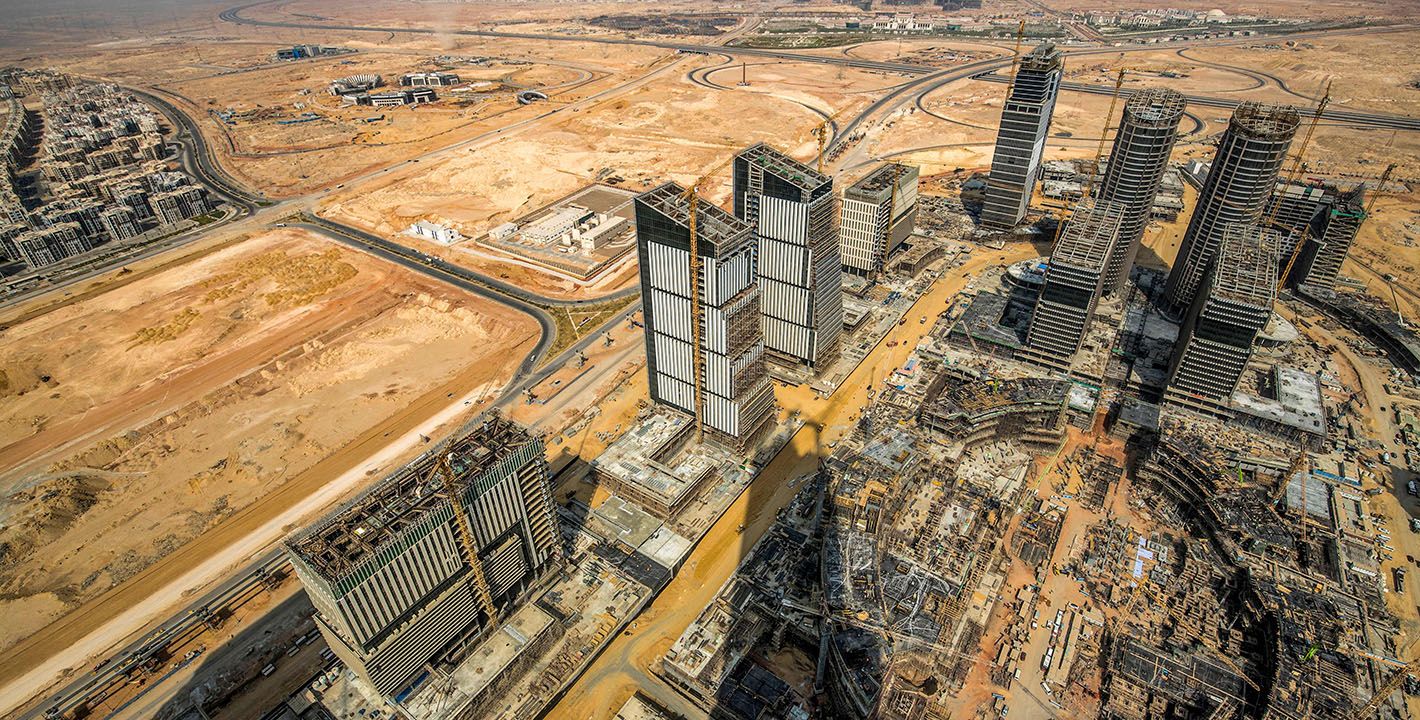
    Has Sisi Found a Competent Military Entrepreneur?

    Mustaqbal Misr has expanded its portfolio with remarkable speed, but a lack of transparency remains.

      Yezid Sayigh
  • Commentary
    Diwan
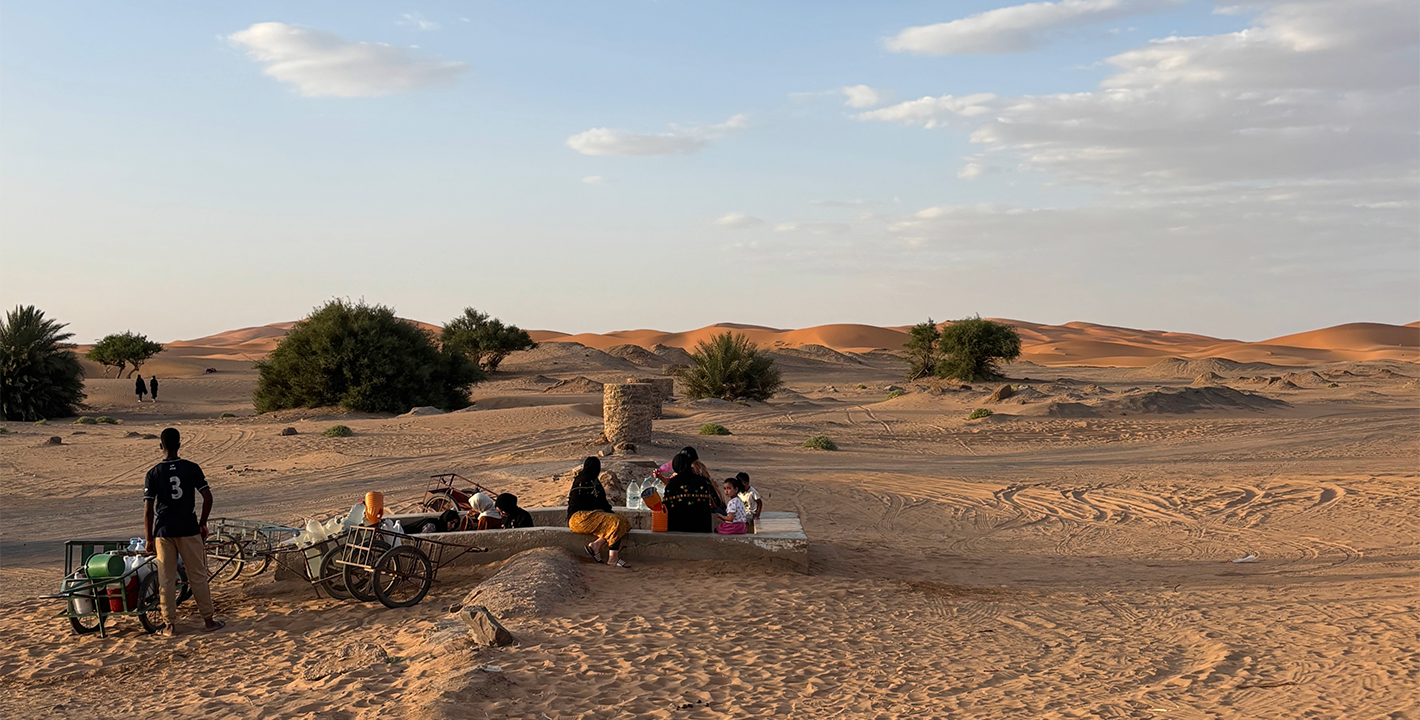
    Women, Water, and Adaptation in Ait Khabbash

    The burden of environmental degradation is felt not only through physical labor but also emotional and social loss.

      Yasmine Zarhloule, Ella Williams

Get more news and analysis from
Malcolm H. Kerr Carnegie Middle East Center
Carnegie Middle East logo, white
  • Research
  • Diwan
  • About
  • Experts
  • Projects
  • Events
  • Contact
  • Careers
  • Privacy
  • For Media
Get more news and analysis from
Malcolm H. Kerr Carnegie Middle East Center
© 2026 Carnegie Endowment for International Peace. All rights reserved.
