

Commentary
Sarah Chayes
{
  "authors": [
    "Sarah Chayes"
  ],
  "type": "legacyinthemedia",
  "centerAffiliationAll": "dc",
  "centers": [
    "Carnegie Endowment for International Peace"
  ],
  "collections": [],
  "englishNewsletterAll": "ctw",
  "nonEnglishNewsletterAll": "",
  "primaryCenter": "Carnegie Endowment for International Peace",
  "programAffiliation": "SAP",
  "programs": [
    "South Asia"
  ],
  "projects": [],
  "regions": [
    "North America",
    "United States",
    "South Asia",
    "Afghanistan"
  ],
  "topics": [
    "Political Reform",
    "Democracy",
    "Security",
    "Military",
    "Foreign Policy",
    "Civil Society",
    "Religion"
  ]
}
Source: Getty
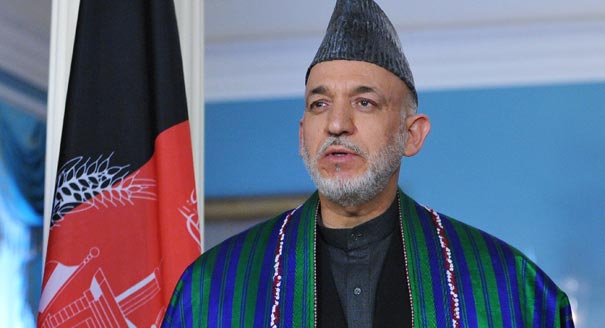
The future of Afghanistan depends on the willingness of the U.S. and Afghan governments to incorporate constituencies besides the Taliban in peace negotiations.
Source: WBEZ's Worldview
Speaking on WBEZ Chicago, Carnegie's Sarah Chayes argued that the United States has been too tolerant of Afghan President Hamid Karzai's political gesturing, and as a result, negotiations for a peaceful resolution to the conflict there are off track. She suggested that a major course correction is needed if the governments are to succeed in staunching the violence, and recommended as a first step broadening negotiations to include a diverse group of constituents within Afghanistan, rather than focusing exclusively on the Taliban. Chayes also observed that the U.S. government has sent very mixed signals to Karzai, further complicating efforts to end the war on favorable terms.
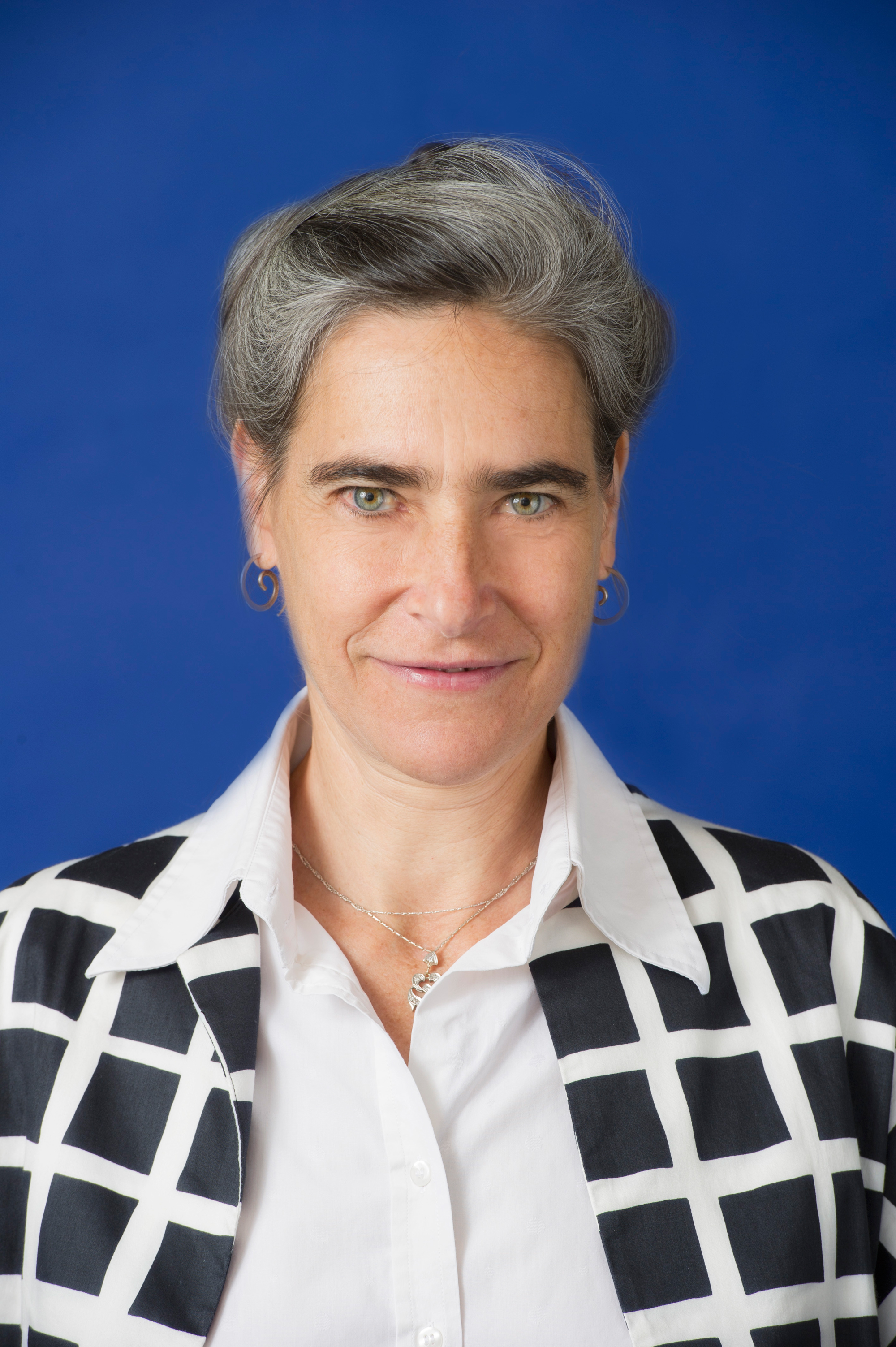
Former Senior Fellow, Democracy, Conflict, and Governance Program
Sarah Chayes is internationally recognized for her innovative thinking on corruption and its implications. Her work explores how severe corruption can help prompt such crises as terrorism, revolutions and their violent aftermaths, and environmental degradation.
Recent Work
Sarah Chayes
Carnegie does not take institutional positions on public policy issues; the views represented herein are those of the author(s) and do not necessarily reflect the views of Carnegie, its staff, or its trustees.

In an interview, Rozina Ali discusses her new book on the rise and manifestations of Islamophobia in the United States.

Michael Young

In an interview, Ian Lustick and Eli Clifton discuss their new book on why a prominent ally has so much influence in America.
Michael Young

As the U.S. stumbles in its war with Iran, we are likely to see an acceleration of its disengagement from the region.
Michael Young

Middle Eastern states should welcome an accelerated U.S. disengagement from their region.
Michael Young

In an interview, former ambassador Charles Freeman assesses the Trump administration’s war against Iran.
Michael Young