

Article
Wang Tao
{
  "authors": [
    "Wang Tao"
  ],
  "type": "legacyinthemedia",
  "centerAffiliationAll": "",
  "centers": [
    "Carnegie Endowment for International Peace",
    "Carnegie China"
  ],
  "collections": [
    "China’s Foreign Relations"
  ],
  "englishNewsletterAll": "",
  "nonEnglishNewsletterAll": "",
  "primaryCenter": "Carnegie China",
  "programAffiliation": "",
  "programs": [],
  "projects": [],
  "regions": [
    "East Asia",
    "China",
    "Russia"
  ],
  "topics": [
    "Climate Change",
    "Foreign Policy"
  ]
}
Source: Getty
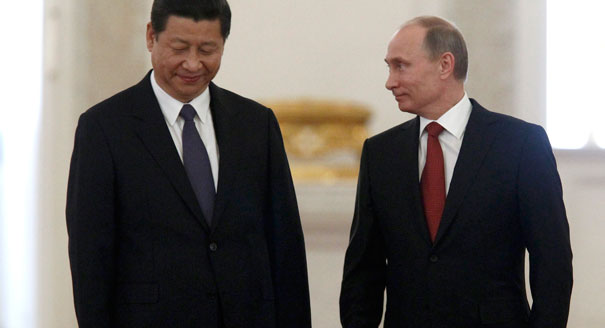
China should not lose sight of the need to develop more sustainable and renewable ways of meeting its energy demands, even as the country looks set to form new energy ties with Russia.
Source: CCTV
Speaking to CCTV, Carnegie’s Wang Tao discussed the future of energy cooperation between China and Russia as the two powers seek to implement a series of agreements currently impeded by disagreements over gas prices and pipeline construction. While “strong energy cooperation” would be a “great breakthrough,” Wang Tao recognized that such collaboration will need time to develop.
Turning to the growing role of energy as a major contributor to Chinese diplomacy, Wang highlighted that China’s oil and energy state owned enterprises have been investing abroad for years to meet rising energy demands in China. Nevertheless, Wang said that China should be simultaneously investing in renewable and sustainable energy sources and technologies to secure China’s energy needs in the long run. <
Former Nonresident Scholar, Carnegie-Tsinghua Center for Global Policy
Wang Tao was a nonresident scholar in the Energy and Climate Program based at the Carnegie–Tsinghua Center for Global Policy.
Recent Work
Wang Tao
Wang Tao, Yang Yifang
Carnegie does not take institutional positions on public policy issues; the views represented herein are those of the author(s) and do not necessarily reflect the views of Carnegie, its staff, or its trustees.
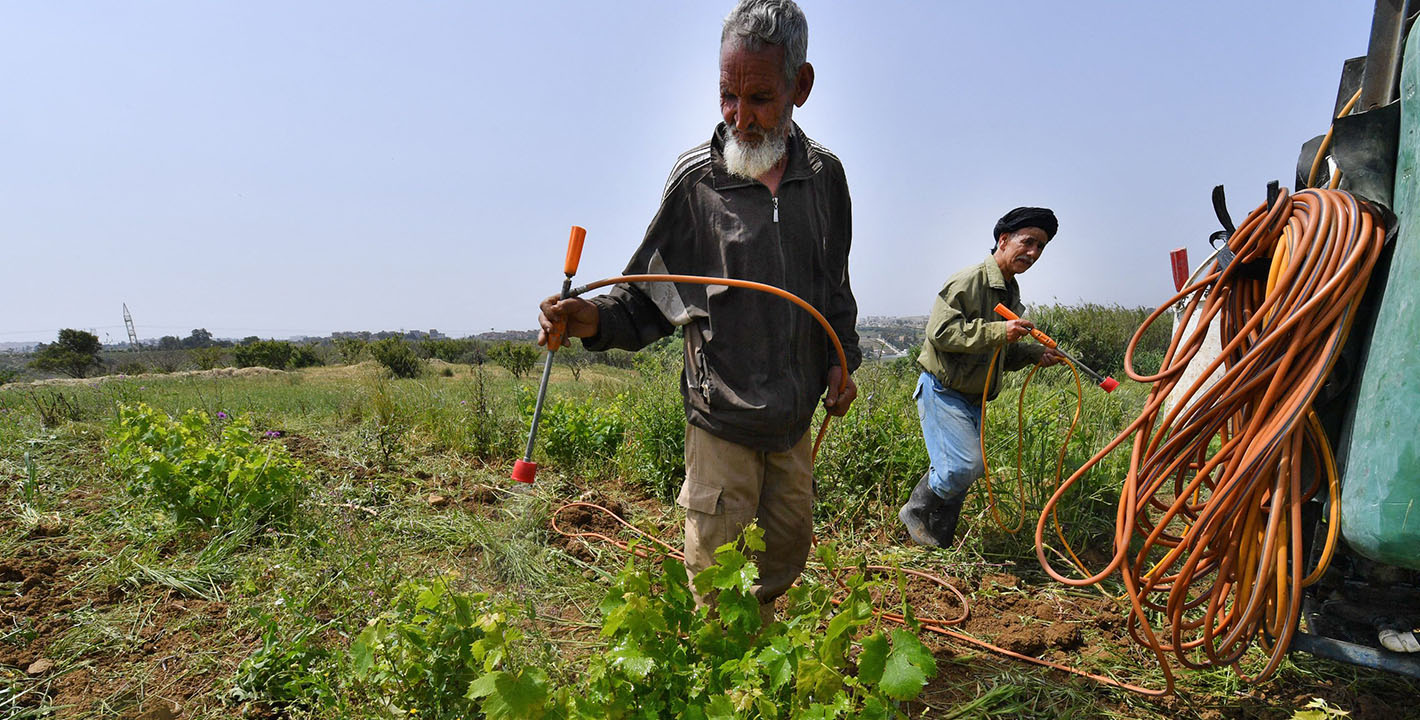
Understanding how farmers in the Oued Sahel-Soummam Valley grapple with climate change is essential for addressing the paradoxes through which adaptation, operating at both individual and institutional levels, deepens the region’s vulnerability and erodes the social fabric and agrarian identity that once defined life.

Ilyssa Yahmi
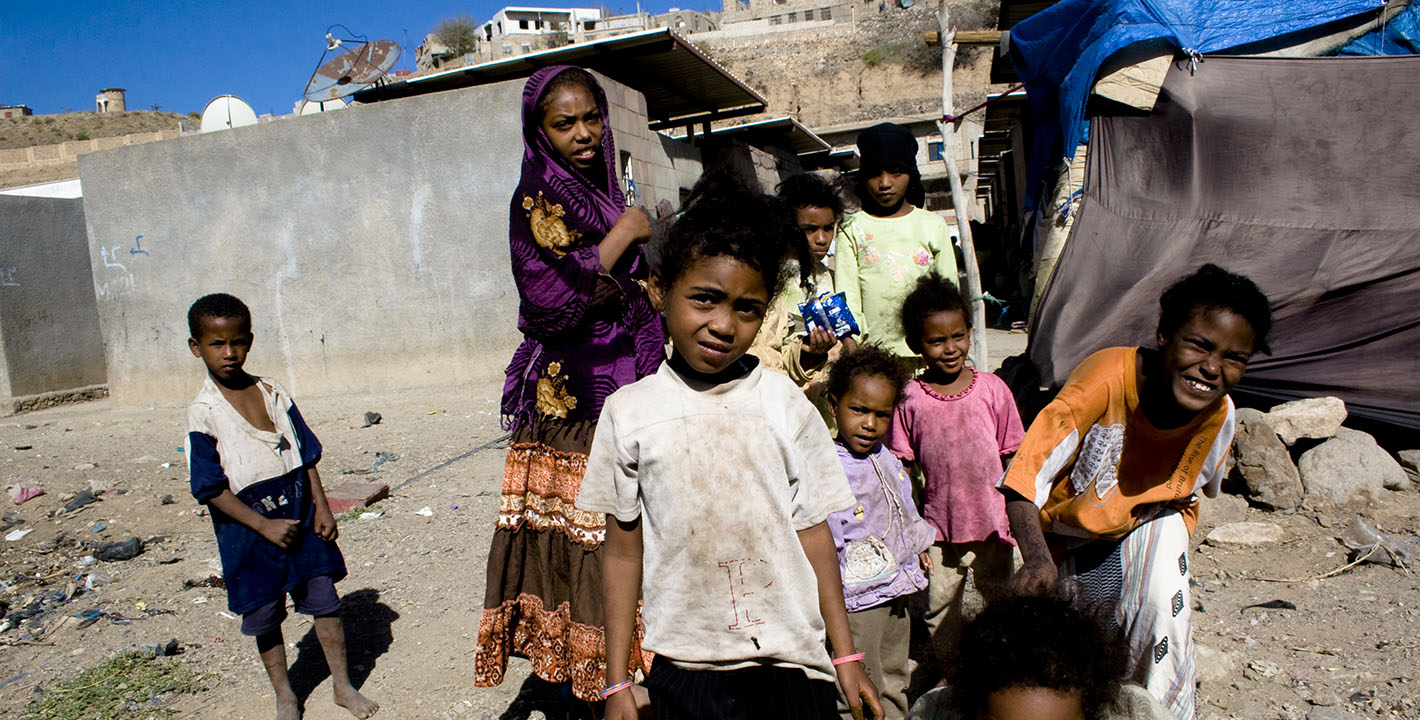
The community already suffers social discrimination, so addressing inequalities requires sustained interventions.
Musaed Aklan , Mohammad Al-Saidi
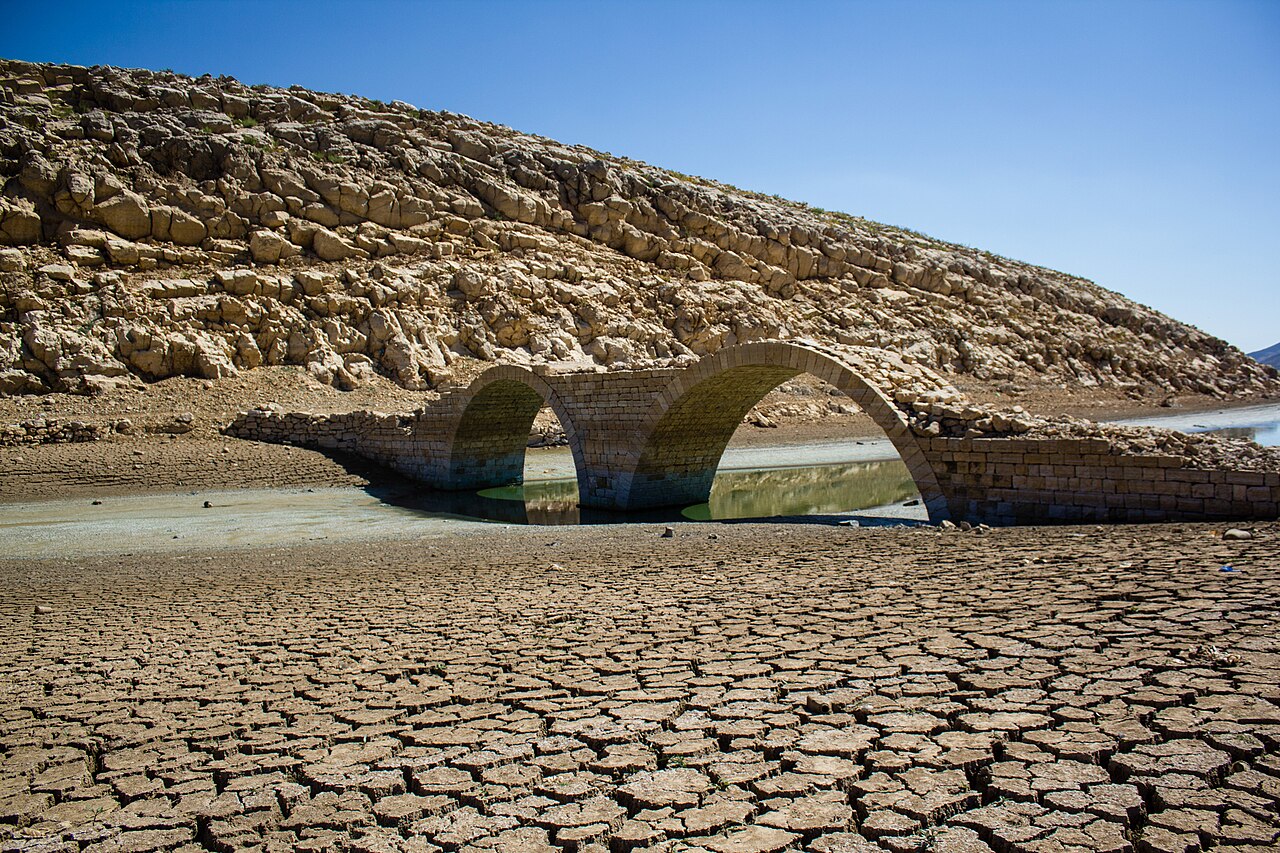
Lebanon’s largest water reservoir is a house of many mansions when it comes to converging failures.

Camille Ammoun
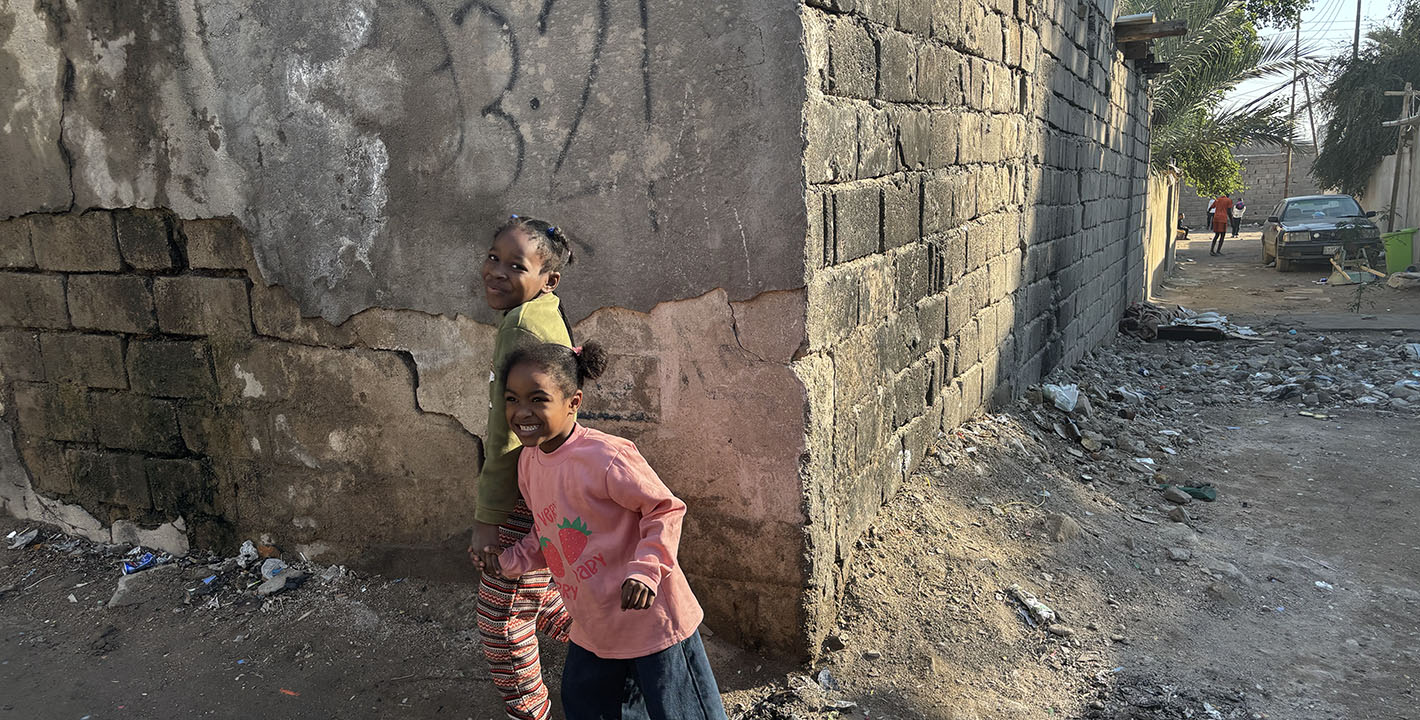
Afro-Iraqis experience political, economic, and social marginalization and discrimination, which exposes the poorest members of the community to the harsh realities of the region’s climate disaster.

Zeinab Shuker
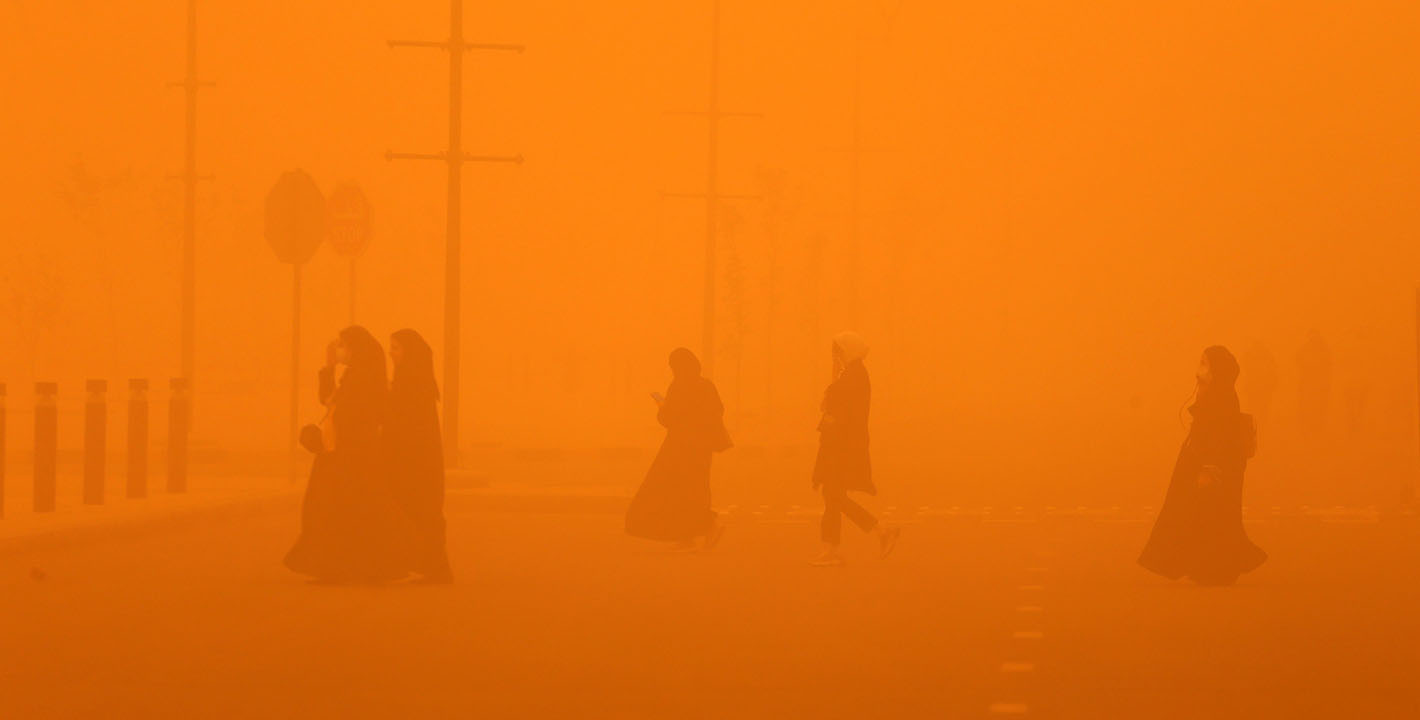
Mitigating the repercussions of climate change in Kuwait is crucial for lessening economic disparities and achieving social justice.

Courtney Freer