

Research
- +10
Rosa Balfour, Frances Z. Brown, Yasmine Farouk, …
{
  "authors": [
    "Moisés Naím"
  ],
  "type": "legacyinthemedia",
  "centerAffiliationAll": "",
  "centers": [
    "Carnegie Endowment for International Peace"
  ],
  "collections": [],
  "englishNewsletterAll": "",
  "nonEnglishNewsletterAll": "",
  "primaryCenter": "Carnegie Endowment for International Peace",
  "programAffiliation": "",
  "programs": [],
  "projects": [],
  "regions": [
    "North America",
    "South America",
    "Southern, Eastern, and Western Africa",
    "South Asia",
    "India",
    "East Asia",
    "China",
    "Russia"
  ],
  "topics": [
    "Economy",
    "Global Governance"
  ]
}
Source: Getty
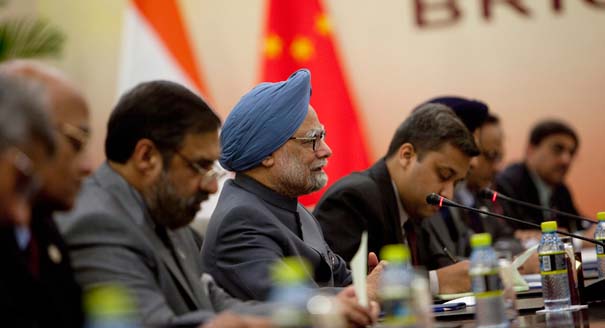
Power has become more fleeting and transient, with a number of different kinds of constraints limiting the abilities of those in power, whether countries, corporations, churches, or armies.
Source: BBC World News America
Speaking on BBC World News America, Carnegie's Moisés Naím discussed the implications of how power has recently become more dispersed and thus more difficult to use. With new competitors entering the arena, there is an underlying threat to the significance and power of existing actors. In his new book, The End of Power, Naím explains that power is easier to get, harder to wield, and faster to lose. Power has become more fleeting and transient, with a number of different kinds of constraints limiting the abilities of those in power, whether countries, corporations, churches, or armies, Naím said. The BRICS-- Brazil, Russia, India, China, and South Africa-- are an example of how new countries are challenging the traditional power structure. These five large, fast-growing economies share great economic performance, yet they face the same corrosion of power that the big powers, such as the United States and Europe, have also experienced, said Naím.
This interview was originally broadcast on BBC World News America.

Distinguished Fellow
Moisés Naím is a distinguished fellow at the Carnegie Endowment for International Peace, a best-selling author, and an internationally syndicated columnist.
Recent Work



Rosa Balfour, Frances Z. Brown, Yasmine Farouk, …
Moisés Naím
Carnegie does not take institutional positions on public policy issues; the views represented herein are those of the author(s) and do not necessarily reflect the views of Carnegie, its staff, or its trustees.

The armed forces champion a form of capitalism that is generating revenue, but its reliance on rent faces diminishing returns, leaving the country with massive sunk costs and deferred returns, deepening dependency on external borrowing.

Yezid Sayigh
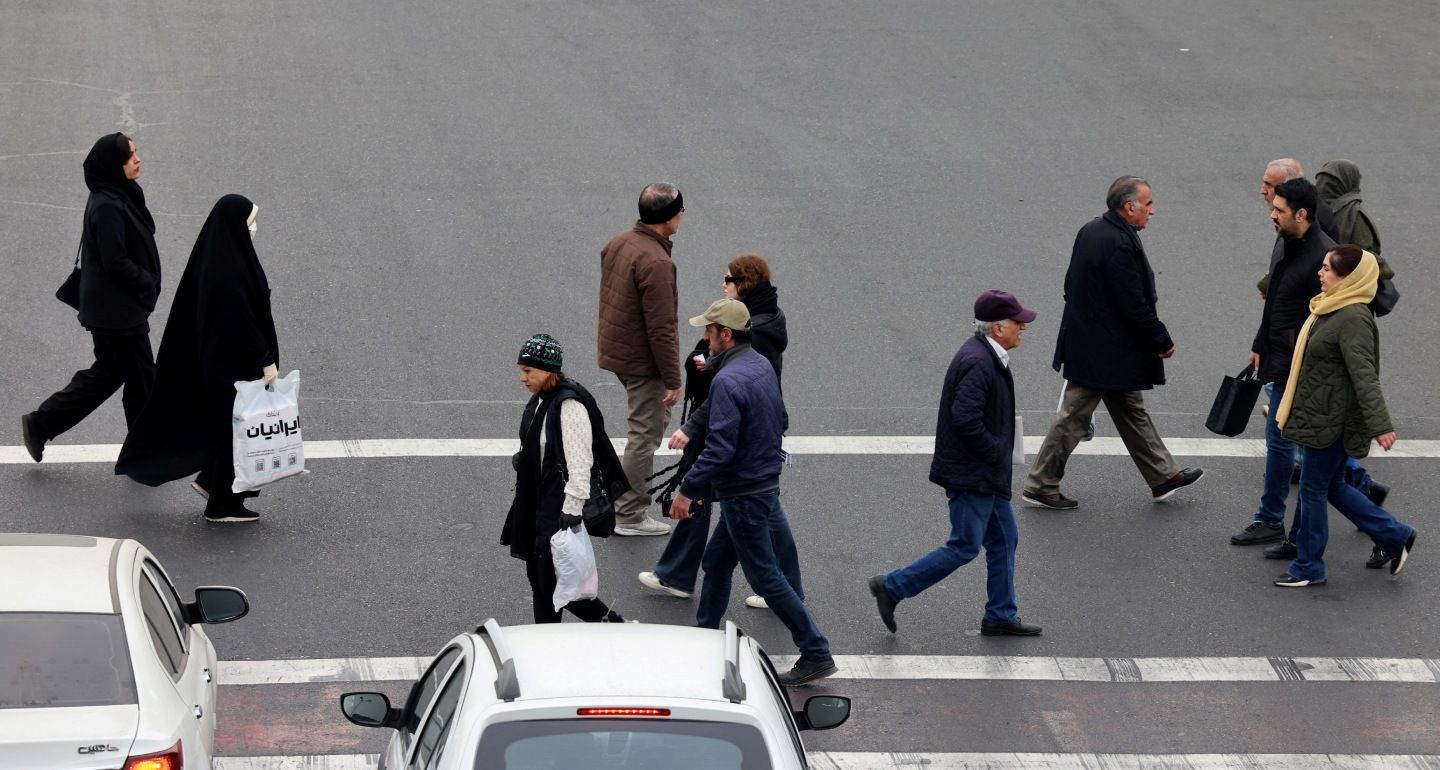
Baku may allow radical nationalists to publicly discuss “reunification” with Azeri Iranians, but the president and key officials prefer not to comment publicly on the protests in Iran.

Bashir Kitachaev
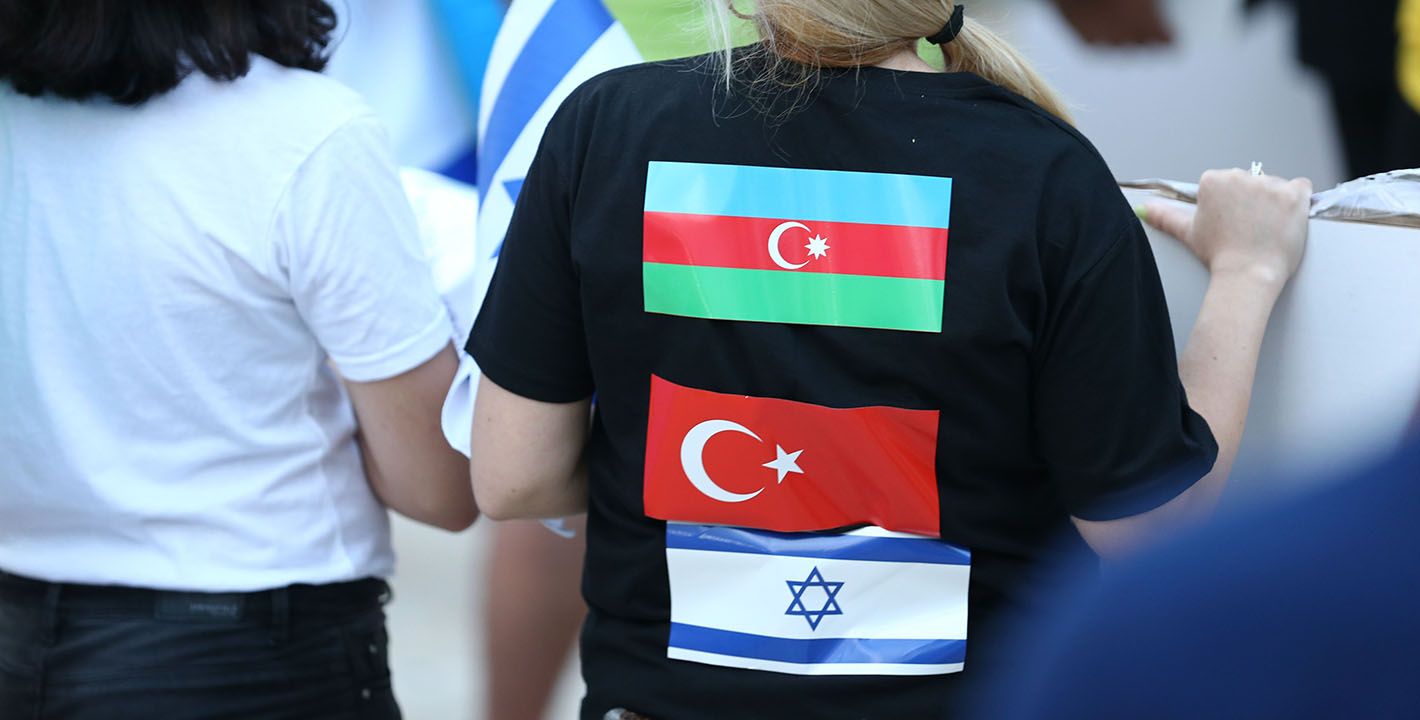
The country’s leadership is increasingly uneasy about multiple challenges from the Levant to the South Caucasus.

Armenak Tokmajyan
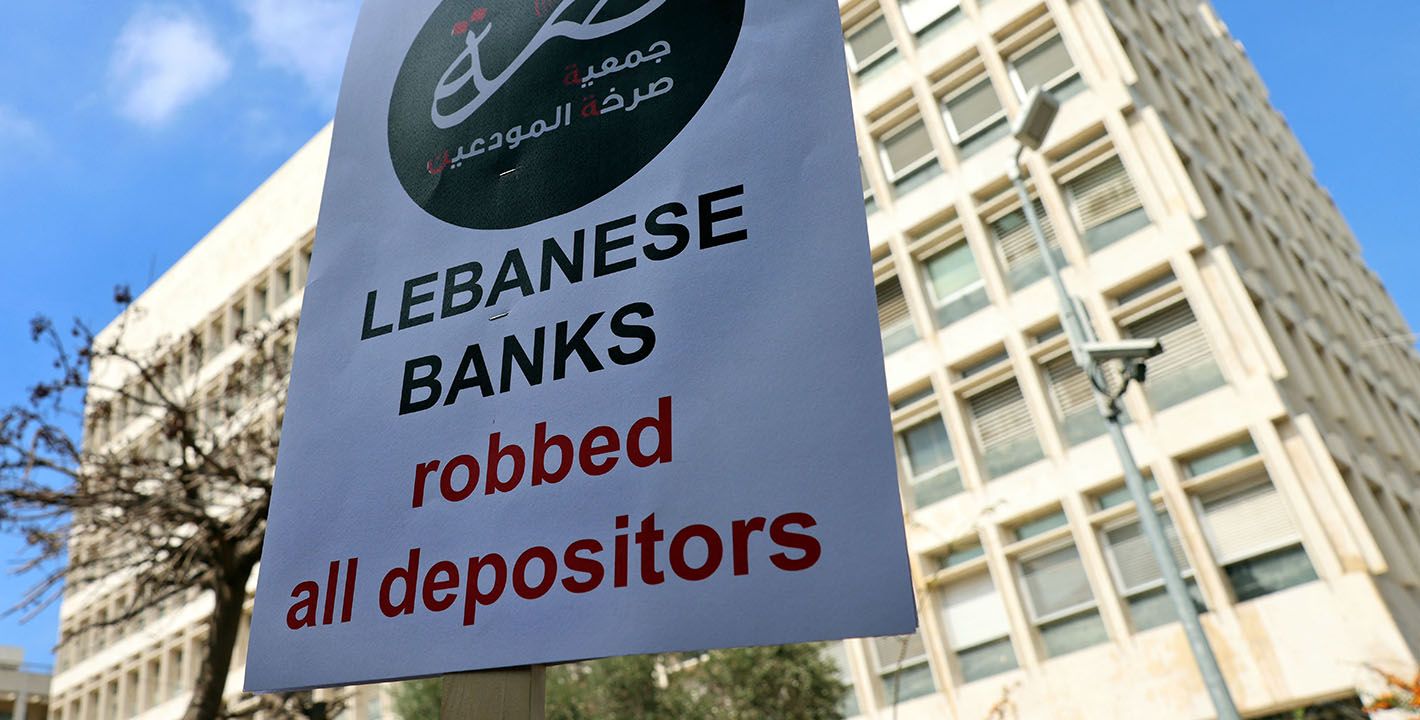
In an interview, Ishac Diwan looks at the merits and flaws in the draft legislation distributing losses from the financial collapse.

Michael Young

Mustaqbal Misr has expanded its portfolio with remarkable speed, but a lack of transparency remains.
Yezid Sayigh