

In The Media
Petr Topychkanov
{
  "authors": [
    "Petr Topychkanov"
  ],
  "type": "legacyinthemedia",
  "centerAffiliationAll": "",
  "centers": [
    "Carnegie Endowment for International Peace",
    "Carnegie Russia Eurasia Center"
  ],
  "collections": [],
  "englishNewsletterAll": "",
  "nonEnglishNewsletterAll": "",
  "primaryCenter": "Carnegie Russia Eurasia Center",
  "programAffiliation": "",
  "programs": [],
  "projects": [
    "Eurasia in Transition"
  ],
  "regions": [
    "South Asia",
    "Pakistan"
  ],
  "topics": [
    "Political Reform",
    "Military"
  ]
}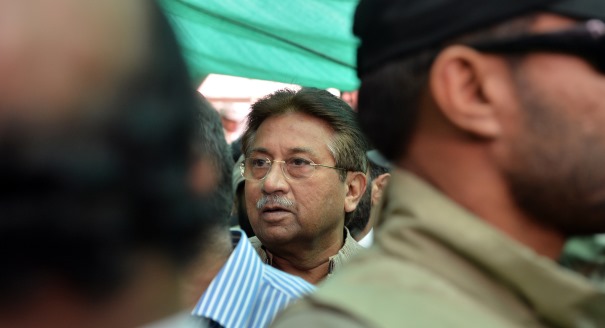
Source: Getty
The arrest of Pervez Musharraf is a momentous event for Pakistan, since his conviction would deprive the country’s military establishment of impunity it has long enjoyed.
Source: Voice of Russia's Morning Show
After returning from a four-year exile, Pervez Musharraf is in custody. Carnegie Moscow Center’s Petr Topychkanov spoke about reasons for Musharraf’s return to Pakistan after four years of exile and his recent arrest with Voice of Russia’s Ric Young.Regarding Musharraf’s reasons to return and participate in elections, Topychkanov noted that the former Pakistani president and top commander hoped for the support of the military establishment and military-owned businesses. However, while in exile he was unable to accurately gauge the changes in the Pakistan’s political environment , Topychkanov said. Musharraf thus made a mistake deciding to return to the country, where he actually had no support whatsoever.
According to Topychkanov, the arrest of Musharraf is a momentous event for Pakistan since his conviction would deprive the country’s military establishment of the legal impunity it has been enjoying for a long time.
Topychkanov admitted that there is no doubt the judges will try to bring all the possible charges against Musharraf, including the assassination of Benazir Bhutto. However, it is hard to predict whether he will be imprisoned since he will try to reach some sort of agreement with Pakistani judges and current politicians, Topychkanov concluded.
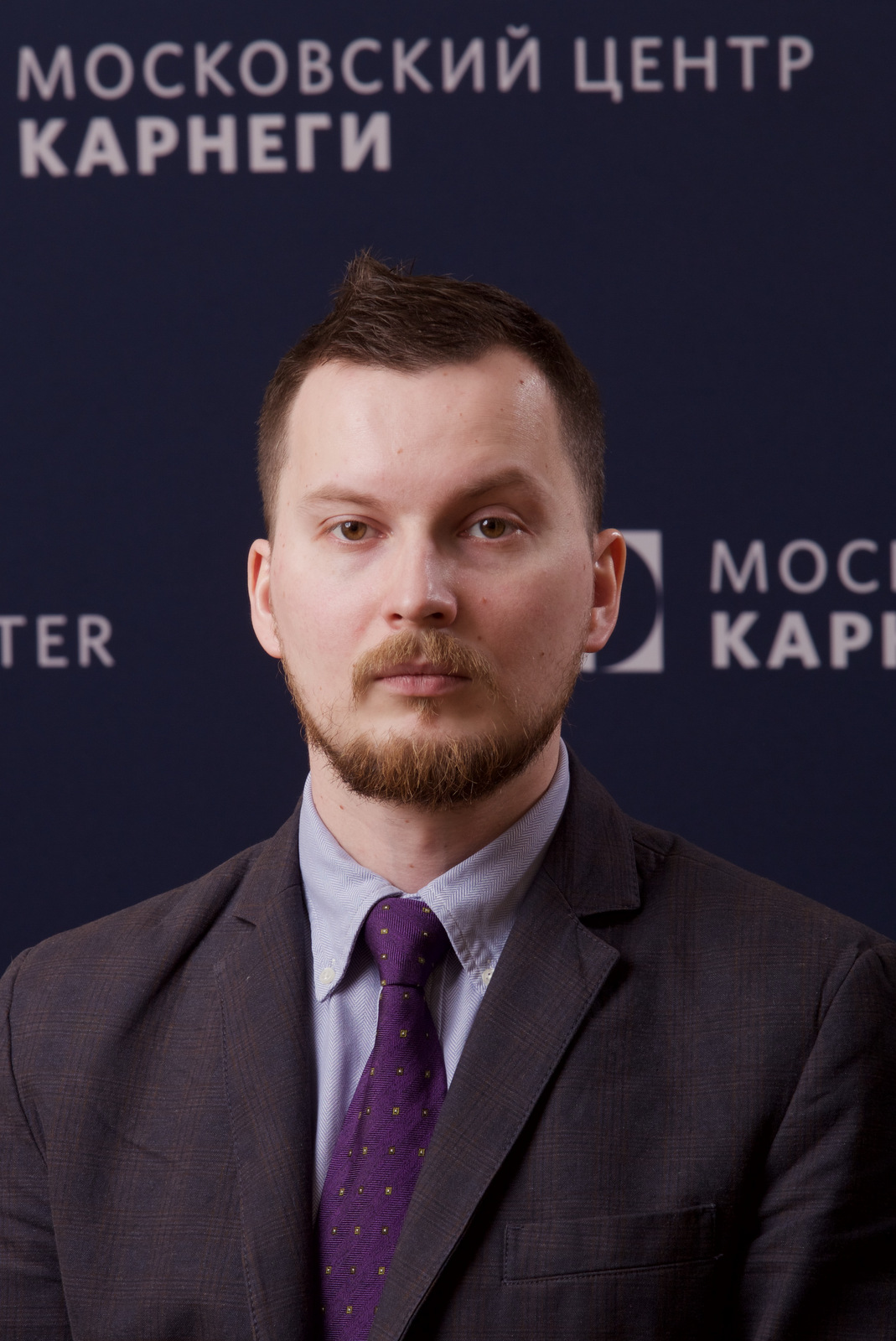
Former Fellow, Nonproliferation Program, Moscow Center
Topychkanov was a fellow in the Carnegie Moscow Center’s Nonproliferation Program.
Recent Work
Petr Topychkanov
Petr Topychkanov
Carnegie does not take institutional positions on public policy issues; the views represented herein are those of the author(s) and do not necessarily reflect the views of Carnegie, its staff, or its trustees.
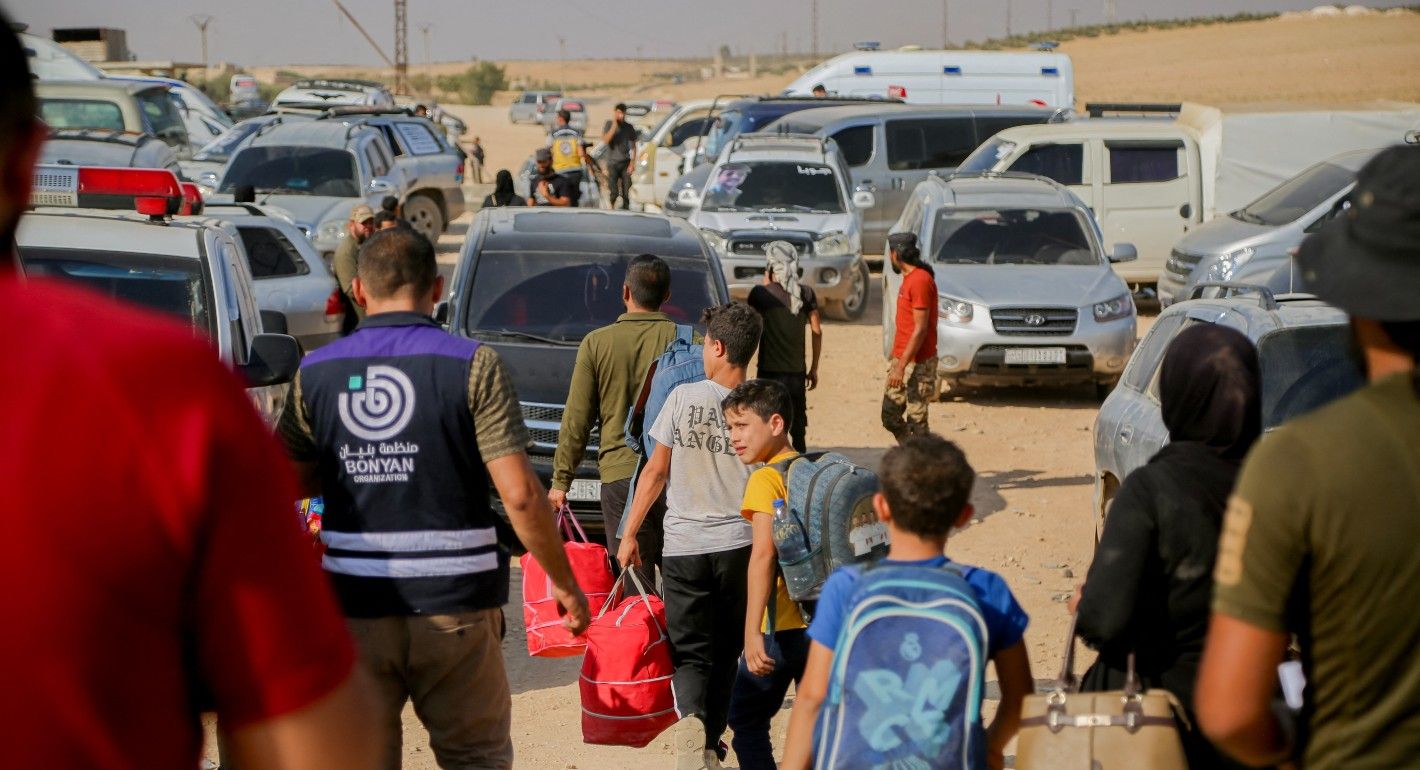
A humanitarian crisis in Lebanon deepens, and Syrian refugees face a perilous choice: remain in a war-torn environment or return to Syria where they risk encountering significant dangers and discrimination. There are significant challenges and risks to their search for safety in Syria.
Haid Haid
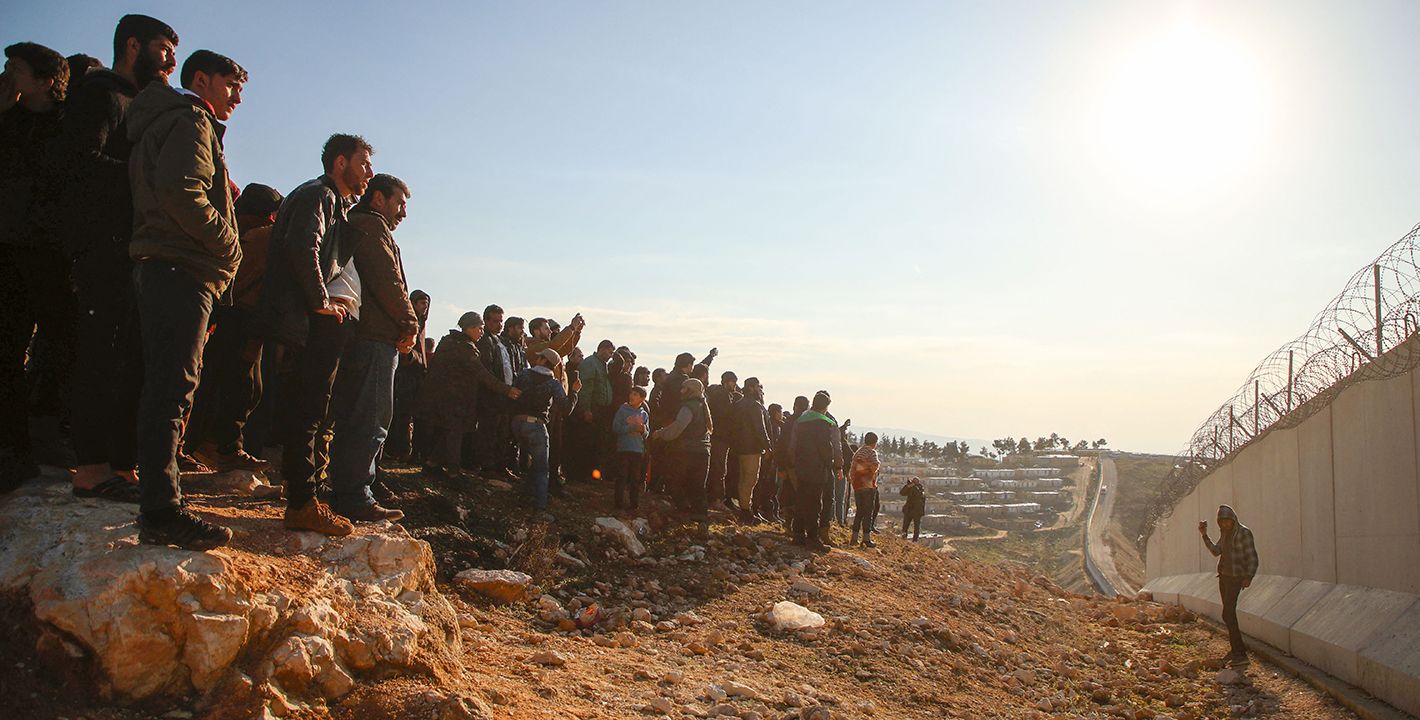
In Syria’s border regions, changes in demographics, economics, and security mean that an inter-Syrian peace process will require consensus among main regional powers that Syria must remain united, that no one side can be victorious, and that perennial instability threatens the region.


Kheder Khaddour, Armenak Tokmajyan
The interaction of national armed forces and private business sectors offers a useful lens for viewing the politics of numerous countries of the so-called Global South. A rising trend of military political activism—often accompanied by military commercial activity—underlines the importance of drivers and outcomes in these relationships.

Yezid Sayigh, Hamza Meddeb
Gulf states such as Saudi Arabia and the UAE have determined that their national security goes beyond their physical borders. It is just as important to shield their airspace, territorial waters, and even maritime trade routes.
Abdullah Baabood
For many in the society, the post-Ben Ali years were mainly about successive economic crises and political instability.
Jasmine Khelil