

Q&A
Suzanne Maloney, Aaron David Miller, Karim Sadjadpour
{
  "authors": [
    "Karim Sadjadpour"
  ],
  "type": "legacyinthemedia",
  "centerAffiliationAll": "dc",
  "centers": [
    "Carnegie Endowment for International Peace",
    "Malcolm H. Kerr Carnegie Middle East Center"
  ],
  "collections": [
    "Iranian Proliferation"
  ],
  "englishNewsletterAll": "menaTransitions",
  "nonEnglishNewsletterAll": "",
  "primaryCenter": "Carnegie Endowment for International Peace",
  "programAffiliation": "MEP",
  "programs": [
    "Middle East"
  ],
  "projects": [],
  "regions": [
    "North America",
    "United States",
    "Middle East",
    "Iran"
  ],
  "topics": [
    "Foreign Policy"
  ]
}
Source: Getty
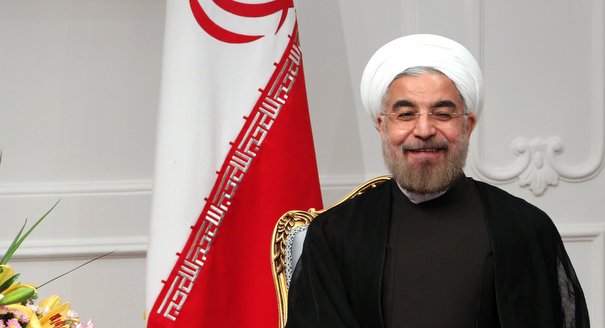
Iranian President Hassan Rouhani may be interested in a détente with the United States, but thorny issues remain. Nonetheless, the United States should seize the opportunity.
Source: NPR's Morning Edition
Launching “one of the greatest charm offensives since Iran’s 1979 revolution,” Iranian President Hassan Rouhani has set a tone vis-à-vis the United States that sharply contrasts with that of his predecessor Mahmoud Ahmadinejad. Describing Rouhani’s election and his actions since then as a “surprise,” Carnegie’s Karim Sadjadpour believes that the Iranian president is interested in a détente between the United States and Iran, and that Iran’s supreme leader Ayatollah Khamenei supports Rouhani’s conciliatory stance.
“The goal of sanctions was … to subject Iran to enough economic pressure in order to compel it to make meaningful nuclear compromises,” Sadjadpour explained. “And now if Iran is showing signs that it’s interested in commencing a diplomatic process, which would culminate in them making meaningful nuclear compromises, I think we have to test that.” However, Sadjadpour argues that the issues of Iran’s support for Hezbollah, its backing the Assad regime in Syria, and its rejection of Israel’s existence will be harder for Rouhani to change and will continue to present a great challenge for U.S.-Iranian relations.
This interview was originally broadcast on NPR’s Morning Edition.

Senior Fellow, Middle East Program
Karim Sadjadpour is a senior fellow at the Carnegie Endowment for International Peace, where he focuses on Iran and U.S. foreign policy toward the Middle East.
Recent Work


Suzanne Maloney, Aaron David Miller, Karim Sadjadpour

Aaron David Miller, Karim Sadjadpour, Robin Wright
Carnegie does not take institutional positions on public policy issues; the views represented herein are those of the author(s) and do not necessarily reflect the views of Carnegie, its staff, or its trustees.
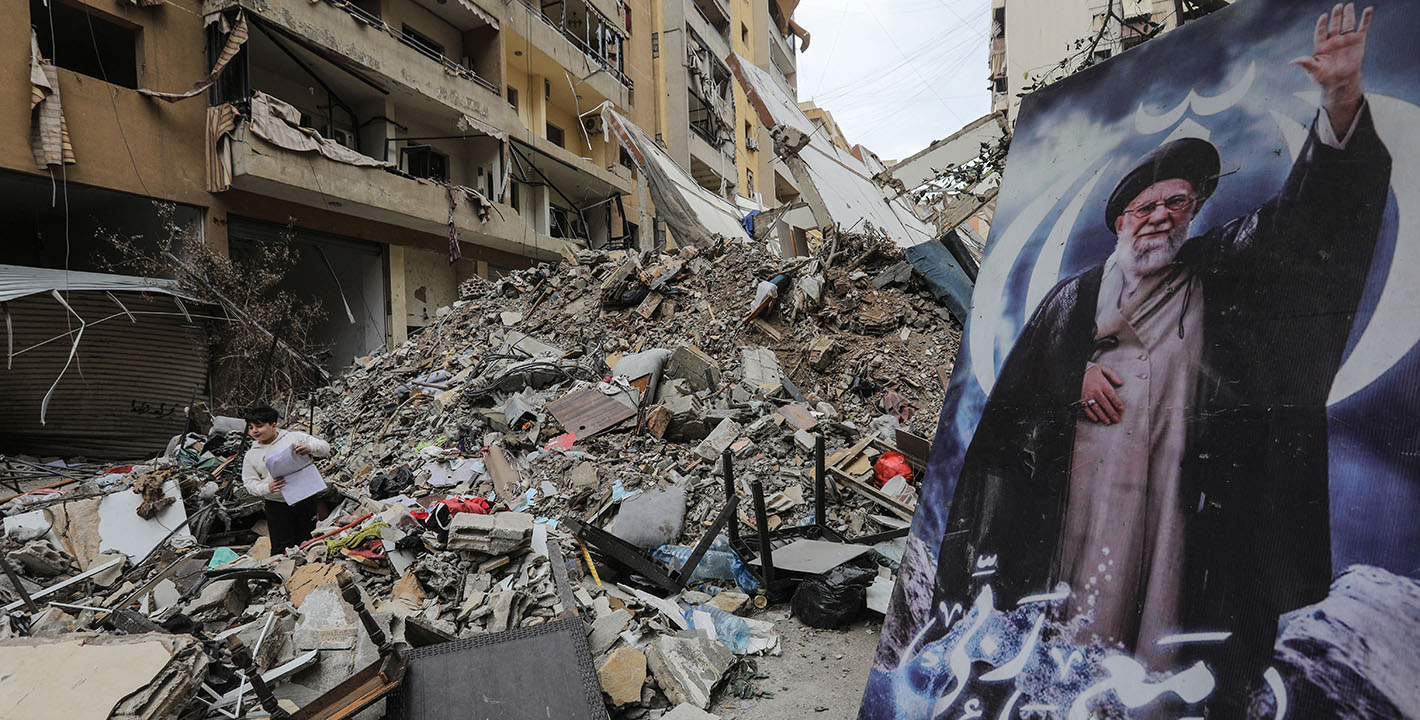
As talks begin between Washington and Tehran, Beirut has an opening to advance a regional plan for the party’s disarmament.

Michael Young
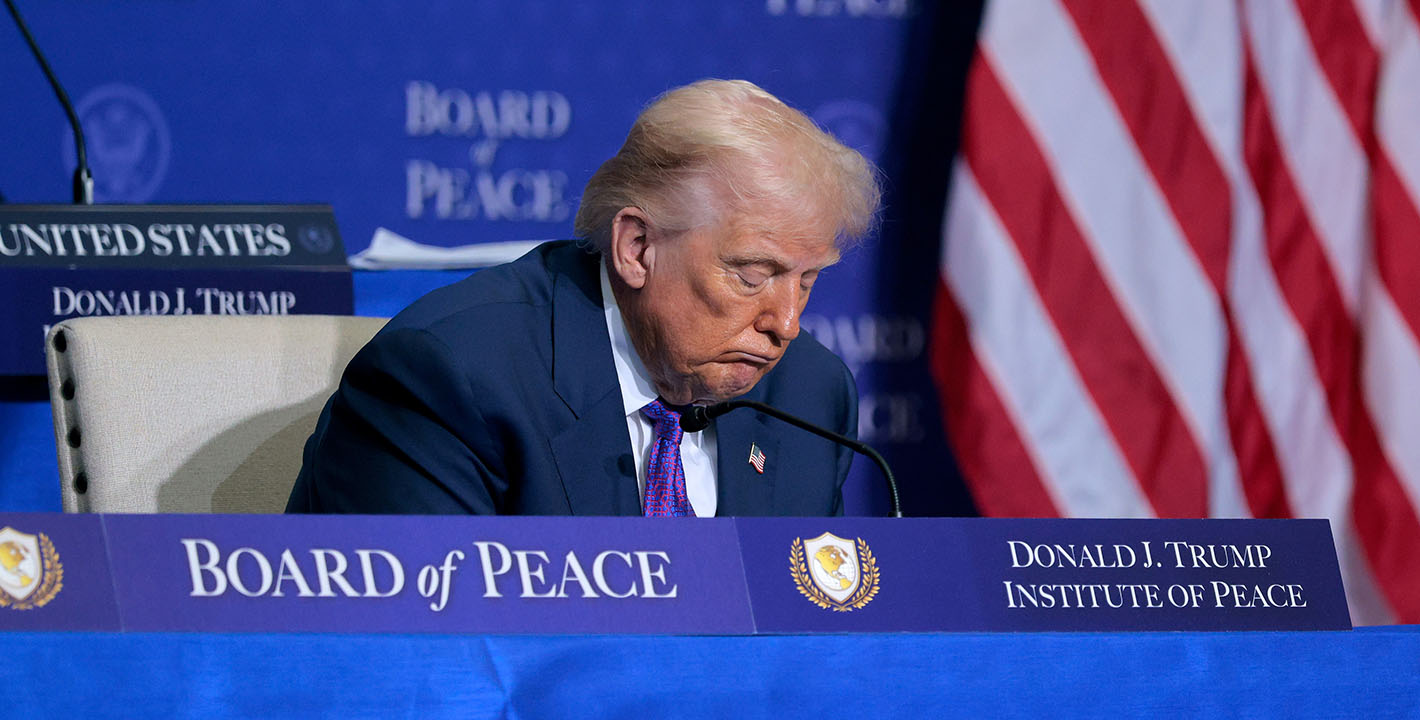
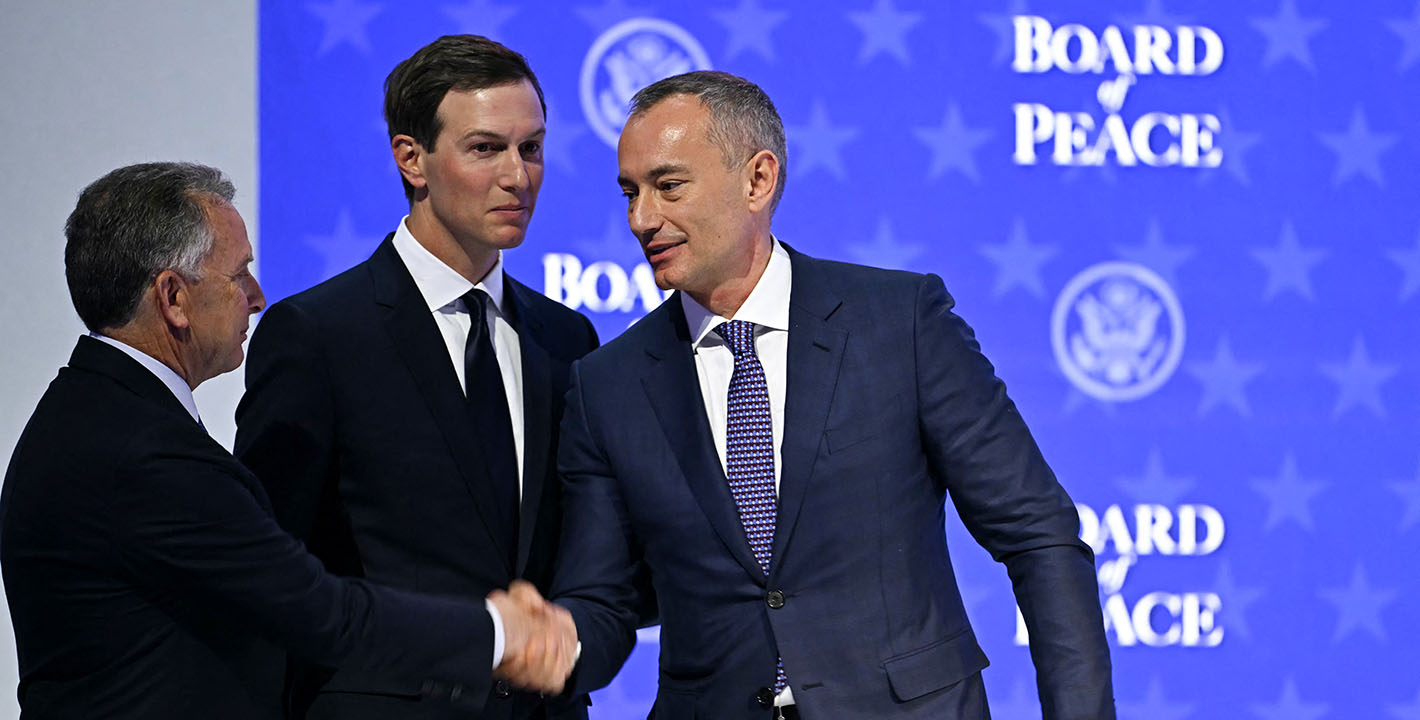
What is behind Marco Rubio’s announcement that the body is now an international nongovernmental organization?
Zaha Hassan
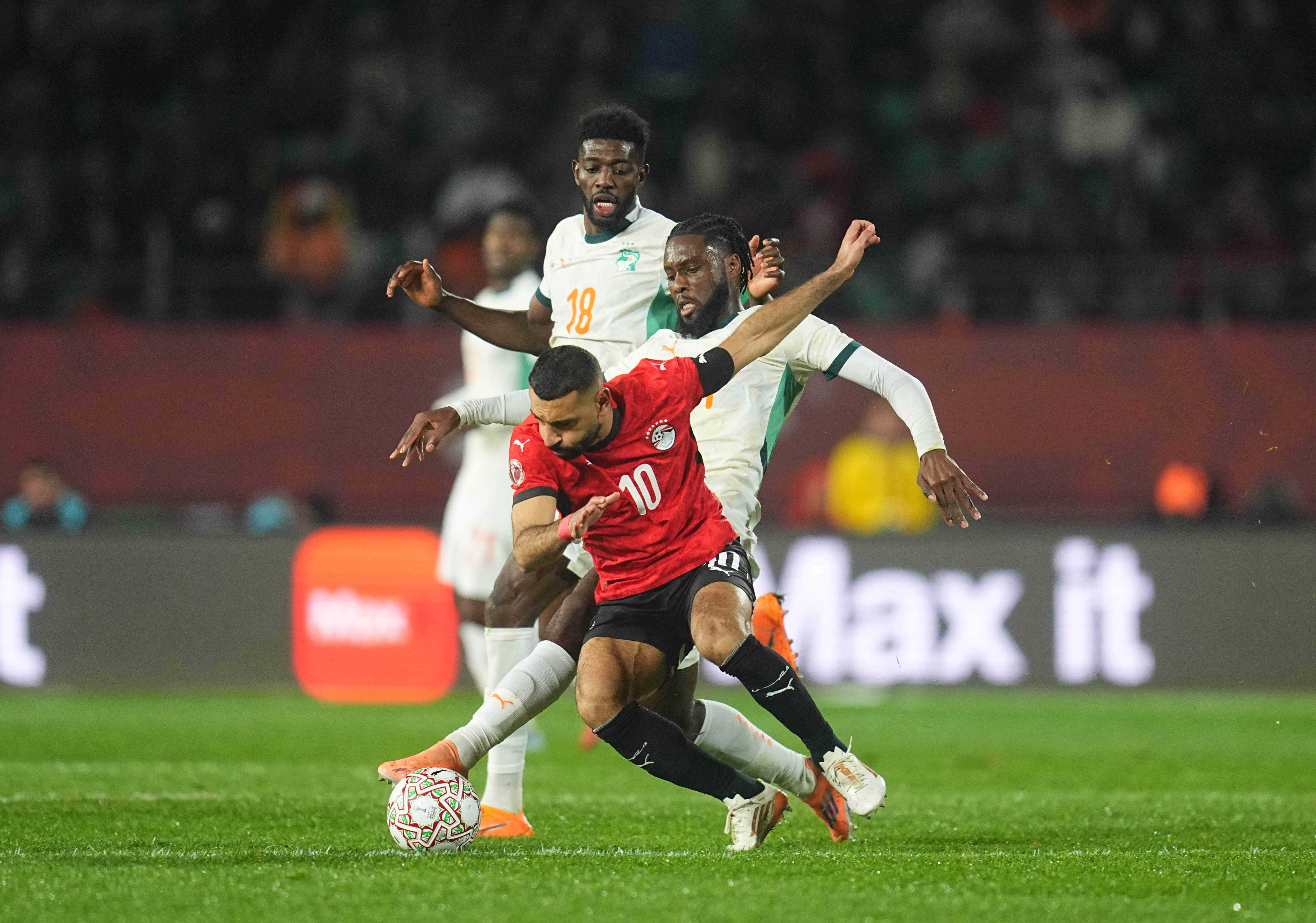
Policy discussion is ignoring that the Palestinian national project is hollowed out and apartheid is a present danger.

Nathan J. Brown
This will be the region’s most representative tournament, amid broad changes in its footballing landscape.
Issam Kayssi
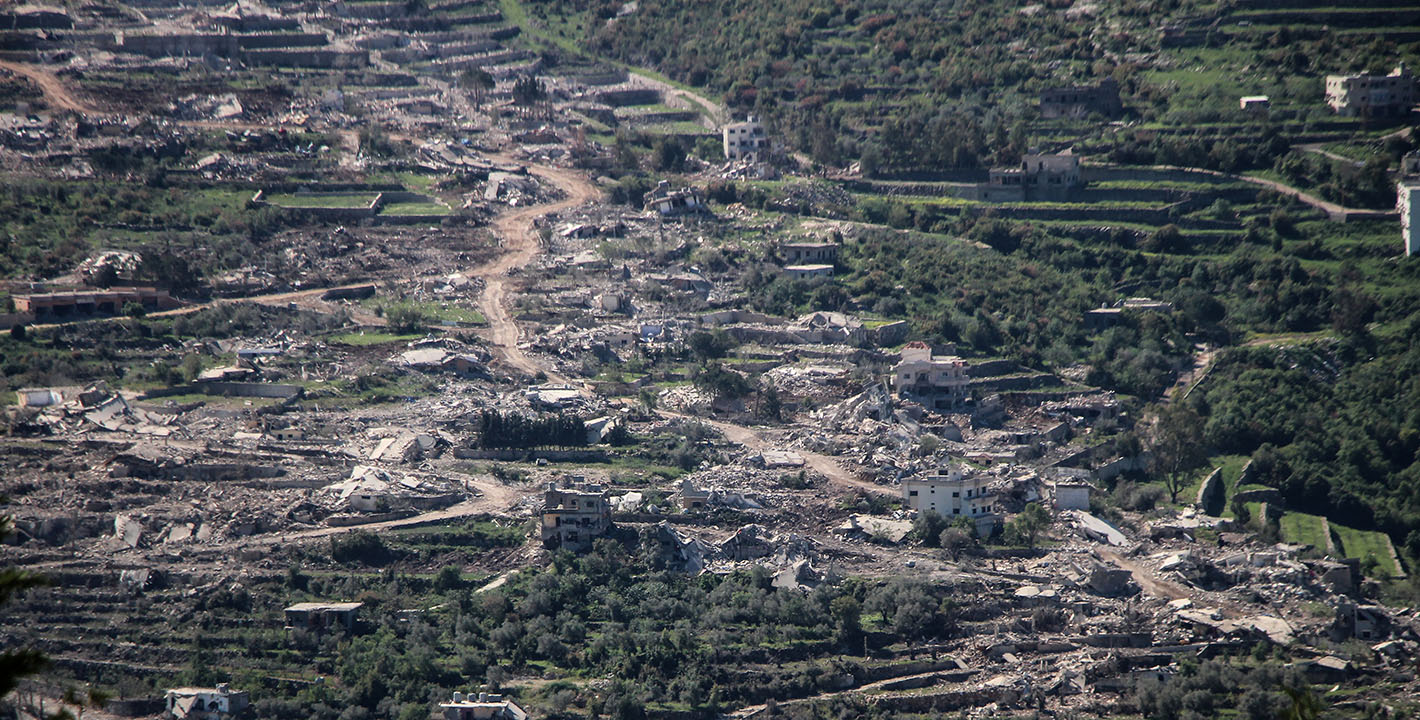
As negotiations with Iran and Lebanon continue, chaos is at the heart of the Netanyahu government’s calculations.
Michael Young