

Article
Wang Tao
{
  "authors": [
    "Wang Tao"
  ],
  "type": "legacyinthemedia",
  "centerAffiliationAll": "",
  "centers": [
    "Carnegie Endowment for International Peace",
    "Carnegie China"
  ],
  "collections": [],
  "englishNewsletterAll": "",
  "nonEnglishNewsletterAll": "",
  "primaryCenter": "Carnegie China",
  "programAffiliation": "",
  "programs": [],
  "projects": [],
  "regions": [
    "East Asia",
    "China"
  ],
  "topics": [
    "Climate Change"
  ]
}
Source: Getty
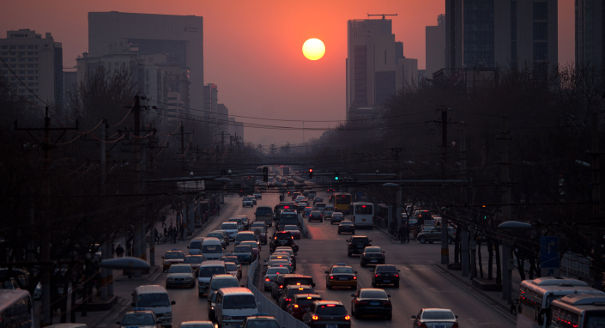
While Beijing has made some progress in combating air pollution, the problem lies in the country’s development model as China adjusts its emission control per unit of GDP growth.
Source: CCTV News
Carnegie–Tsinghua’s Wang Tao spoke with CCTV’s China 24 about his views on China’s new carbon emission goals. Wang commented that China’s new carbon emission targets differed from the initial ones set in 2005. The new goals are divided into two sub-targets: the reduction of carbon intensity by 17 percent and the increase renewable targets of non-fossil energy by 11.4 percent within a five year period.
Wang further explained how these targets play a role in China’s overall development plan and use of new green technology. He questioned the seemingly negligible influence these targets have on Beijing’s very visible smog problem. Wang stated that while progress has been made, the problem lies in the development model as China adjusts its emission control per unit of GDP growth. Consequently, as China’s GDP increases the amount of pollution allotment increases as well. The key to solving this issue is to strengthen the current model in order to prevent the pollution from increasing as GDP continues to rise.
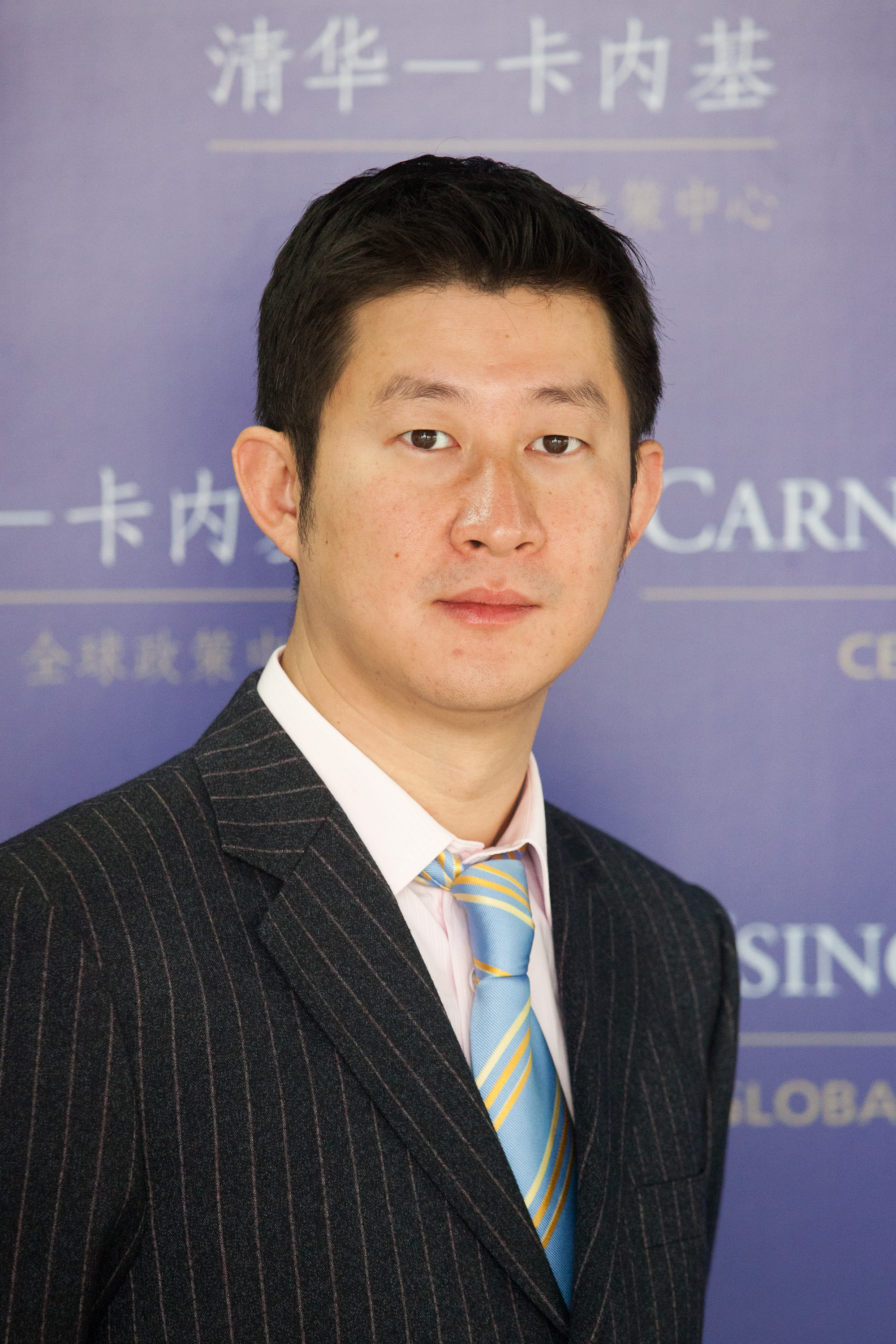
Former Nonresident Scholar, Carnegie-Tsinghua Center for Global Policy
Wang Tao was a nonresident scholar in the Energy and Climate Program based at the Carnegie–Tsinghua Center for Global Policy.
Recent Work
Wang Tao
Wang Tao, Yang Yifang
Carnegie does not take institutional positions on public policy issues; the views represented herein are those of the author(s) and do not necessarily reflect the views of Carnegie, its staff, or its trustees.

Huawei pushed hard to enter the Egyptian data centers market, until the Americans made a better offer.

Angie Omar
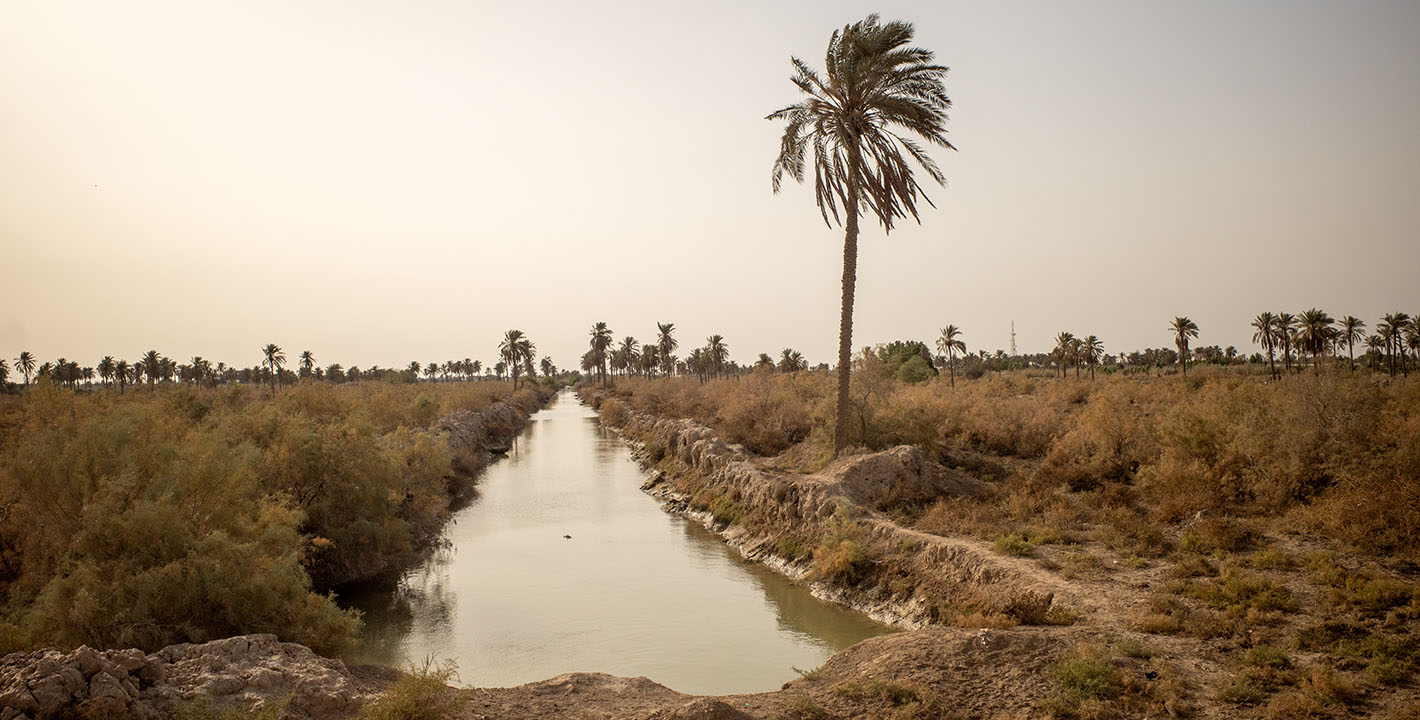
Across the Middle East and North Africa, climate stress interacts with economic fragility, governance failures, social marginalization, and conflict.
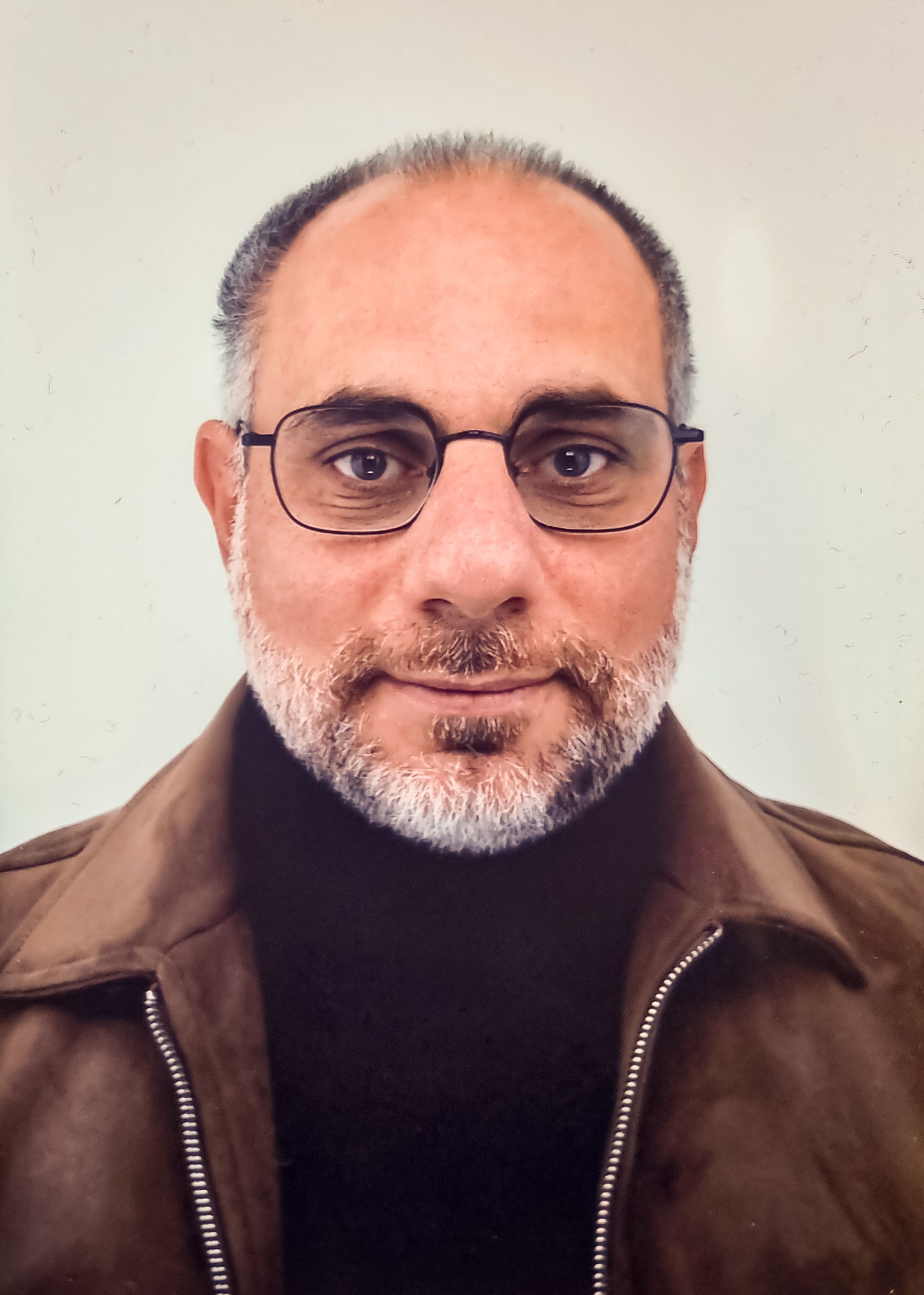
Camille Ammoun
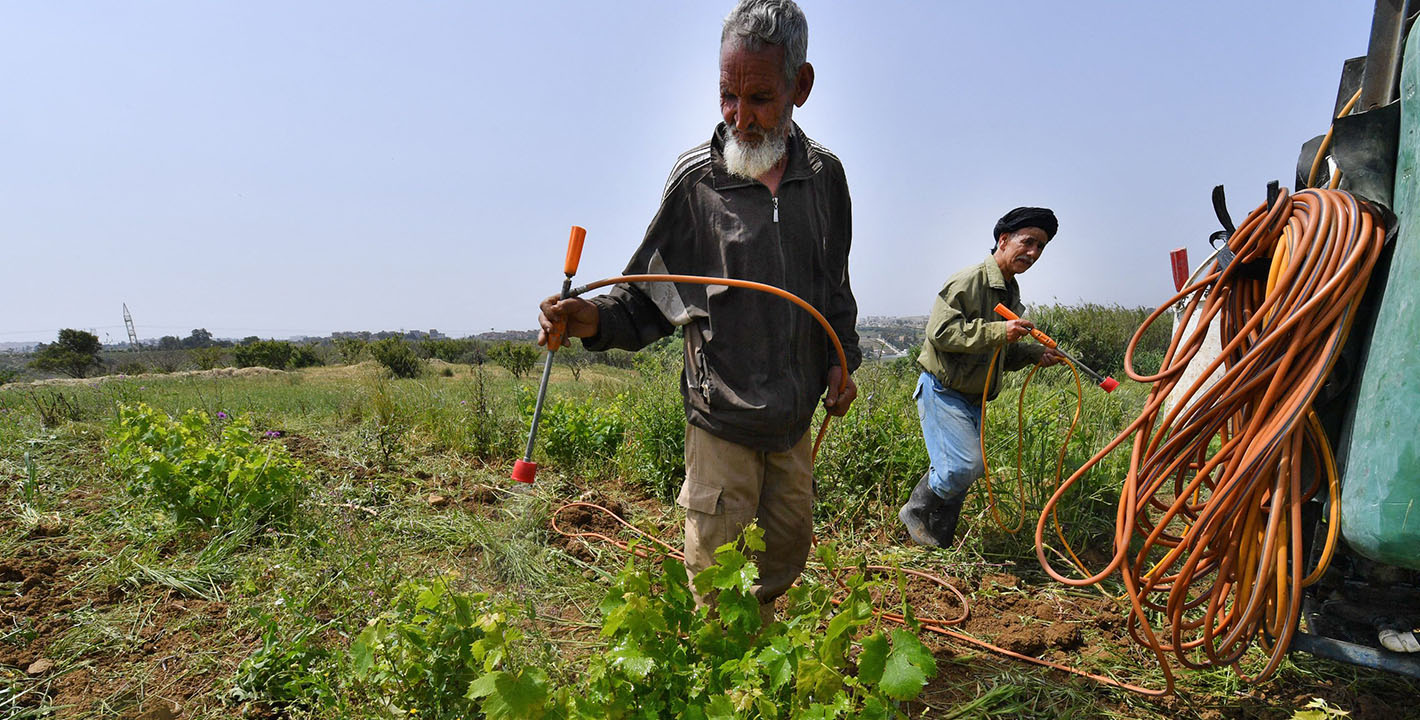
Understanding how farmers in the Oued Sahel-Soummam Valley grapple with climate change is essential for addressing the paradoxes through which adaptation, operating at both individual and institutional levels, deepens the region’s vulnerability and erodes the social fabric and agrarian identity that once defined life.

Ilyssa Yahmi
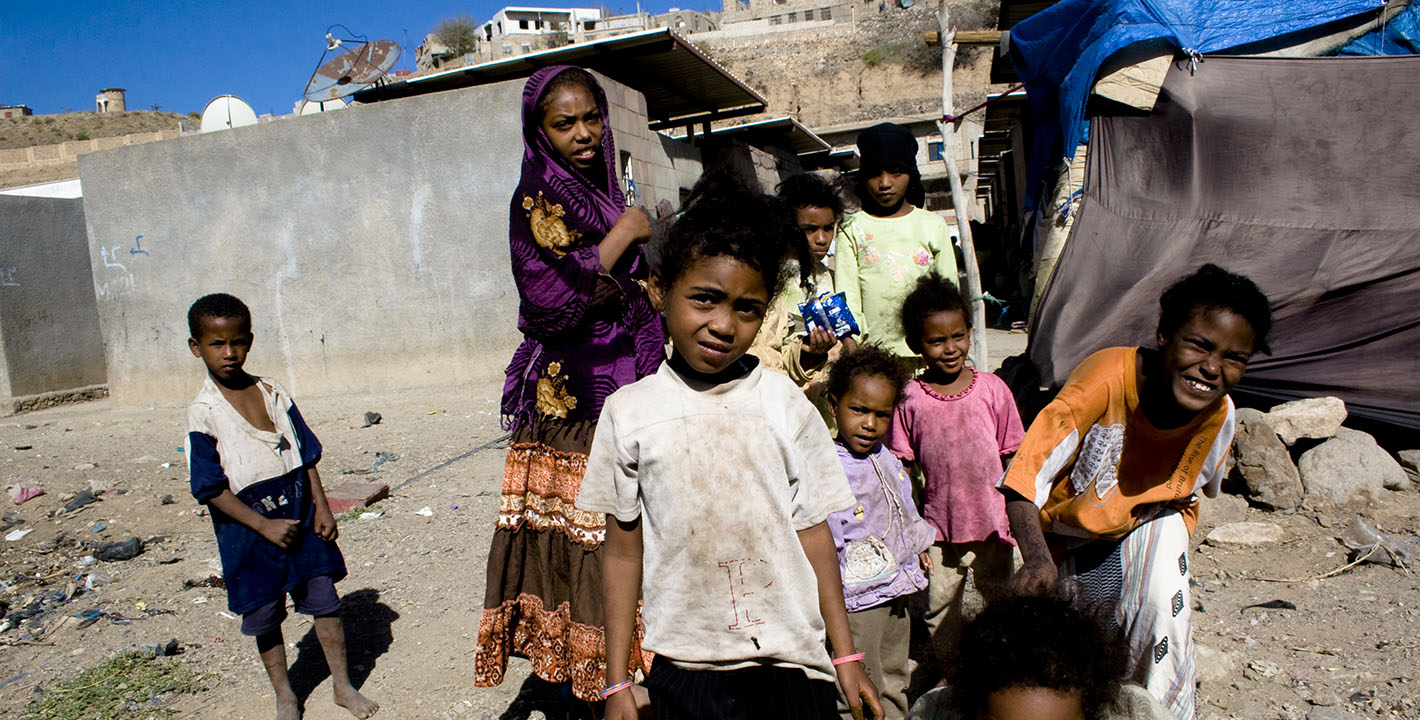
The community already suffers social discrimination, so addressing inequalities requires sustained interventions.
Musaed Aklan , Mohammad Al-Saidi
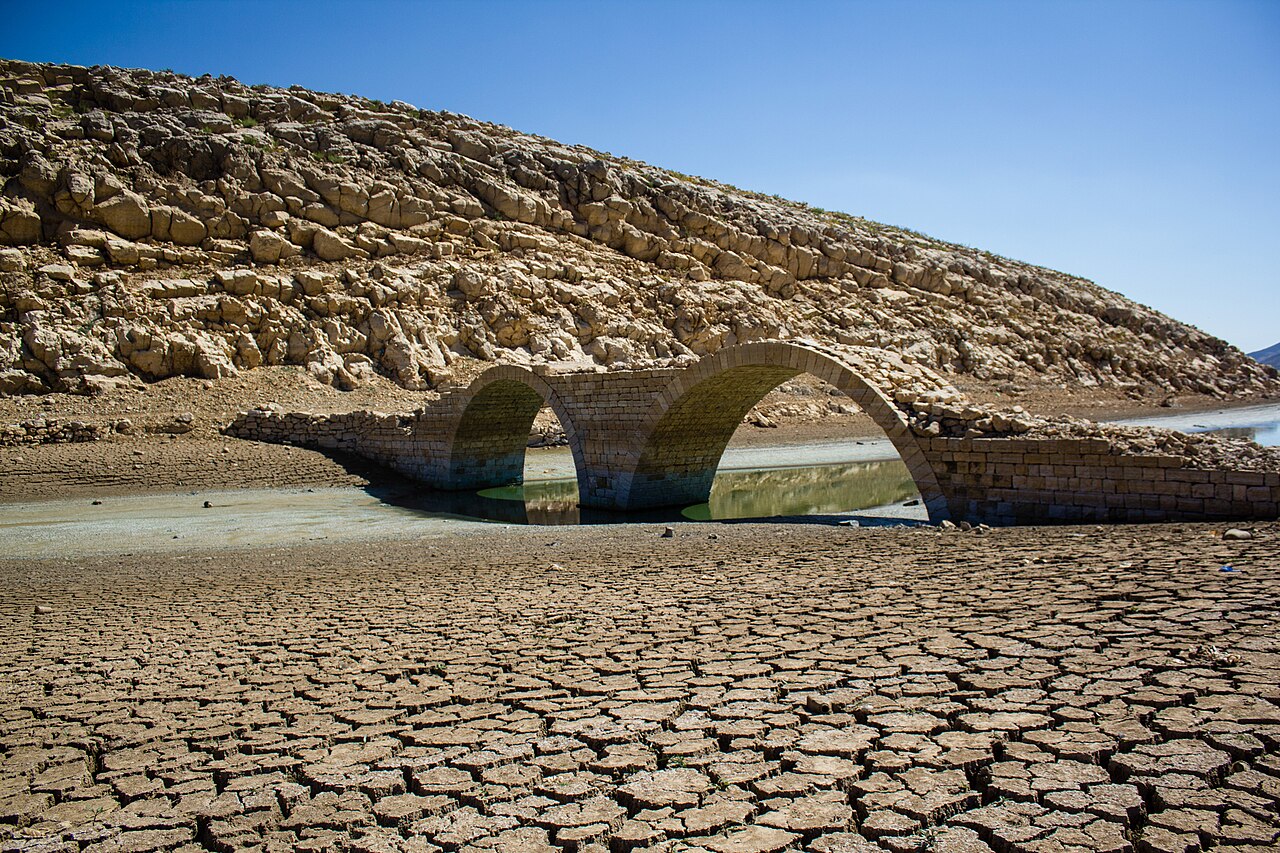
Lebanon’s largest water reservoir is a house of many mansions when it comes to converging failures.
Camille Ammoun