

Article
Wang Tao
{
  "authors": [
    "Wang Tao"
  ],
  "type": "legacyinthemedia",
  "centerAffiliationAll": "",
  "centers": [
    "Carnegie Endowment for International Peace",
    "Carnegie China"
  ],
  "collections": [],
  "englishNewsletterAll": "",
  "nonEnglishNewsletterAll": "",
  "primaryCenter": "Carnegie China",
  "programAffiliation": "",
  "programs": [],
  "projects": [],
  "regions": [
    "East Asia",
    "China"
  ],
  "topics": [
    "Climate Change"
  ]
}
Source: Getty
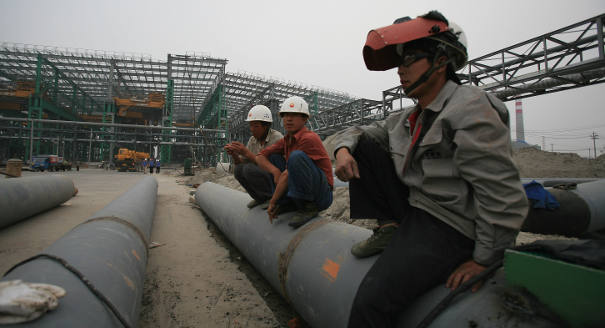
As continued air pollution forces the closure of factories in northern China, numerous questions remain about the effectiveness of these regulations.
Source: CCTV News
147 industrial companies have cut or suspended production in an effort to combat high levels of smog over the last week. Carnegie-Tsinghua’s Wang Tao appeared on CCTV English to discuss the effectiveness of this move. Wang explained that reduced industrial output, while essential to curbing the source of the smog, would not have a significant effect on the smog already present in northeastern China. Stricter enforcement of higher emissions standards is necessary to ensure that factories comply with regulations, and help reduce pollution over the long term. Wang concluded that more attention must be paid to local sources of pollution, such as transportation, in order to reach a sustainable solution to the air pollution problem.
Former Nonresident Scholar, Carnegie-Tsinghua Center for Global Policy
Wang Tao was a nonresident scholar in the Energy and Climate Program based at the Carnegie–Tsinghua Center for Global Policy.
Recent Work
Wang Tao
Wang Tao, Yang Yifang
Carnegie does not take institutional positions on public policy issues; the views represented herein are those of the author(s) and do not necessarily reflect the views of Carnegie, its staff, or its trustees.
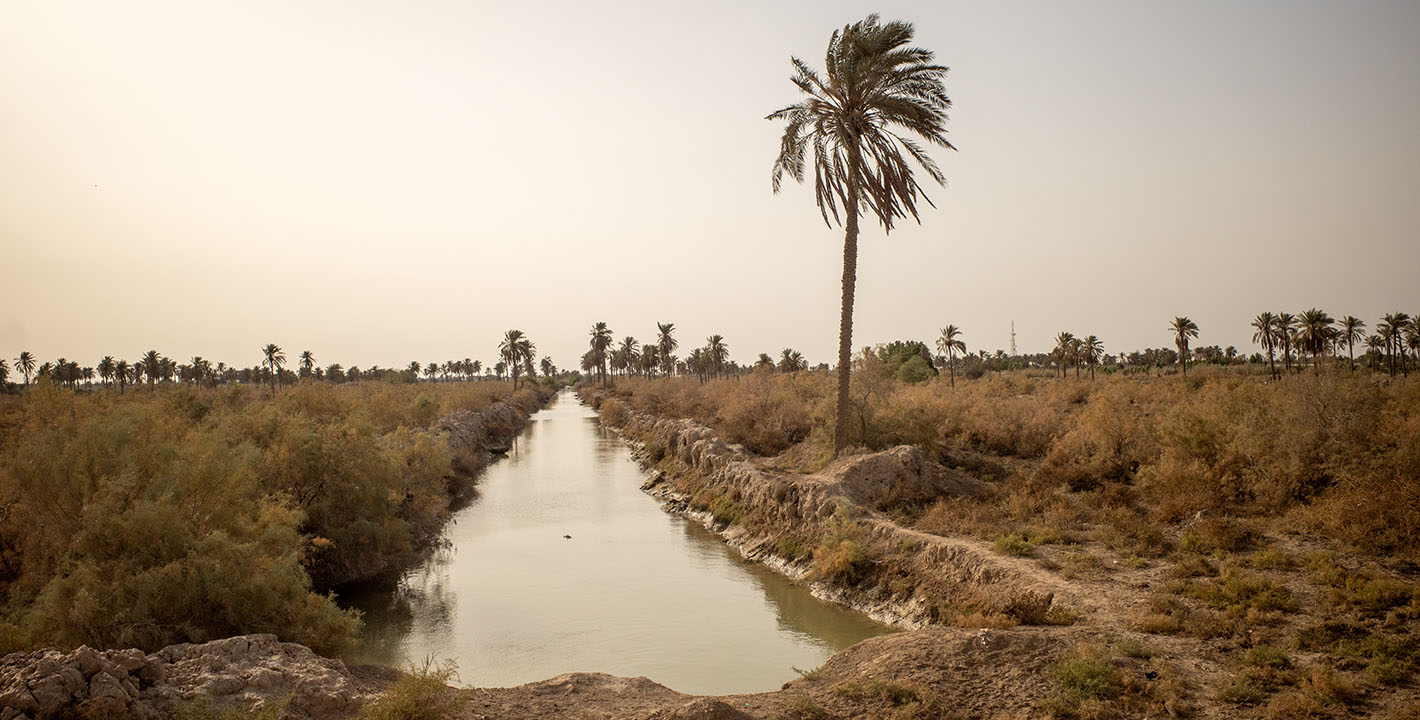
Across the Middle East and North Africa, climate stress interacts with economic fragility, governance failures, social marginalization, and conflict.
Camille Ammoun
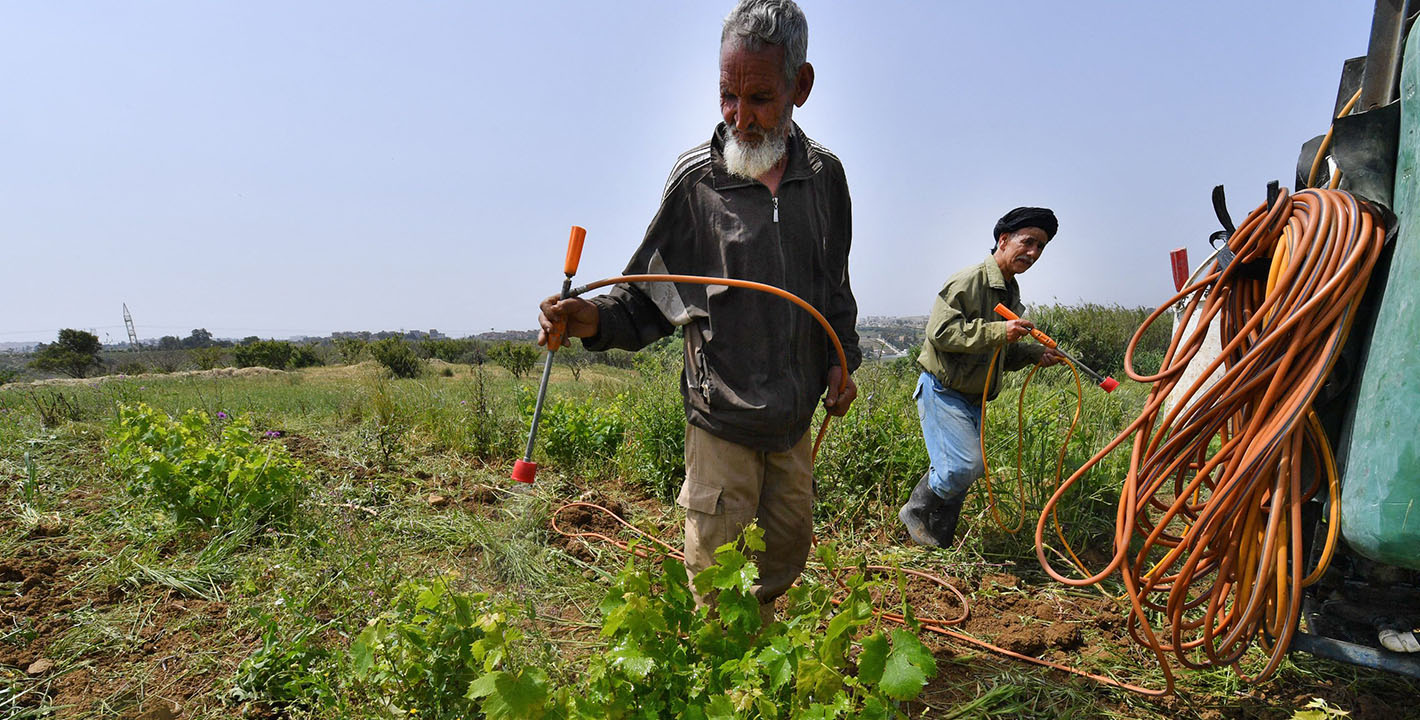
Understanding how farmers in the Oued Sahel-Soummam Valley grapple with climate change is essential for addressing the paradoxes through which adaptation, operating at both individual and institutional levels, deepens the region’s vulnerability and erodes the social fabric and agrarian identity that once defined life.
Ilyssa Yahmi
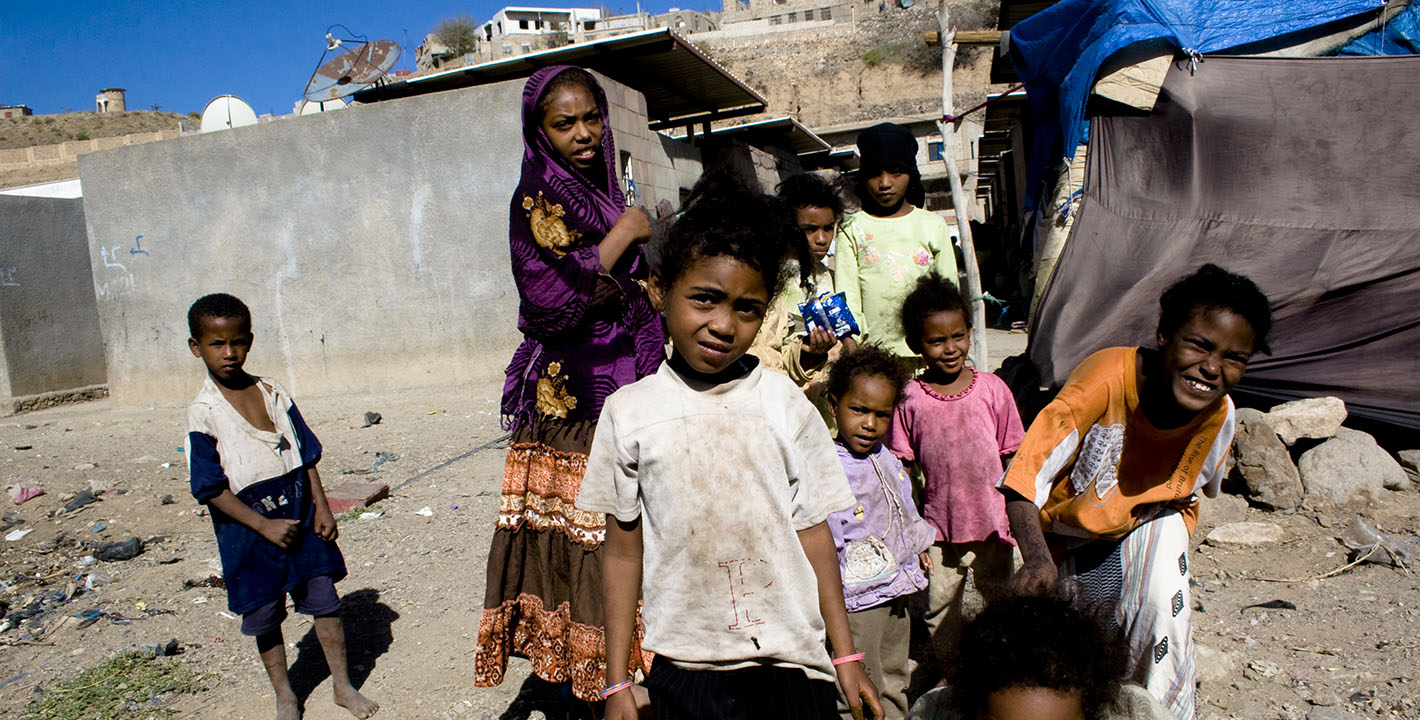
The community already suffers social discrimination, so addressing inequalities requires sustained interventions.
Musaed Aklan , Mohammad Al-Saidi
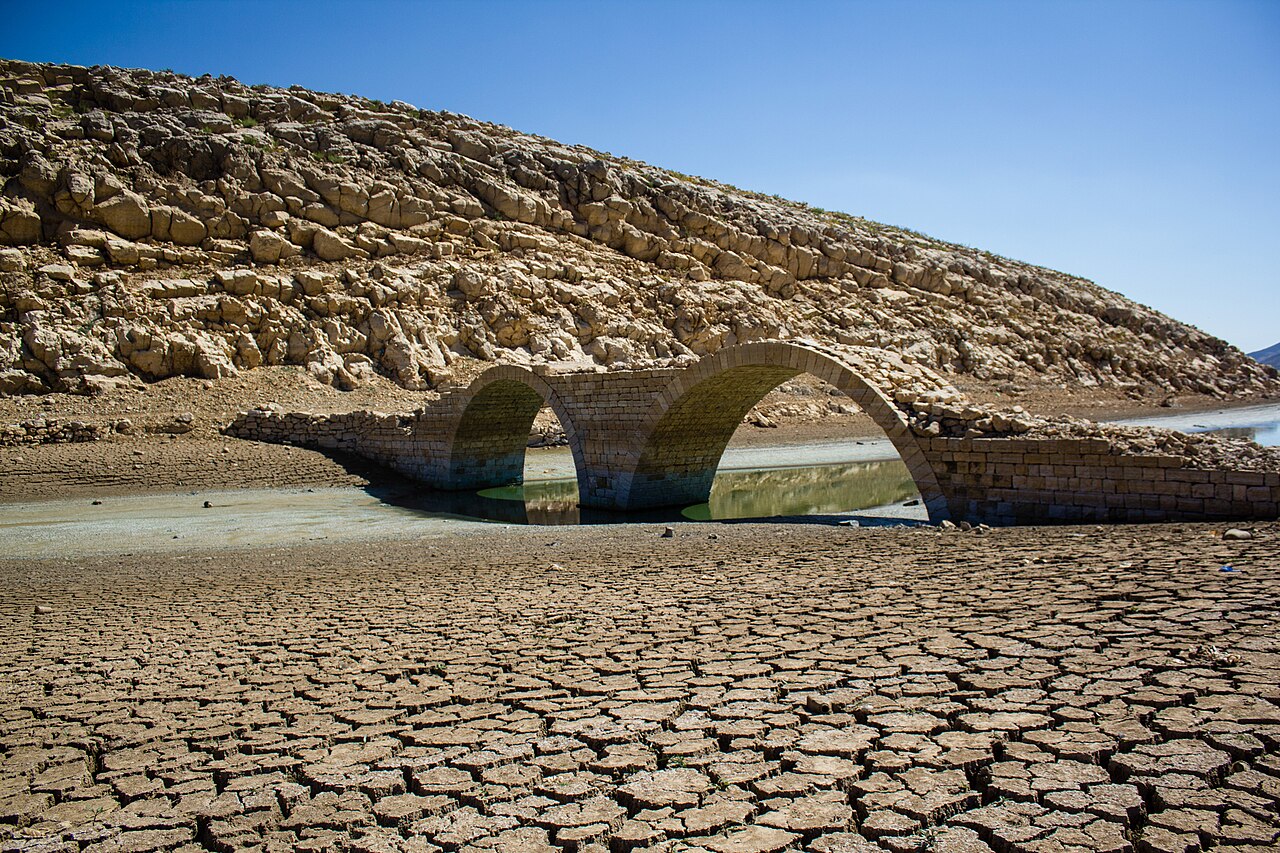
Lebanon’s largest water reservoir is a house of many mansions when it comes to converging failures.
Camille Ammoun
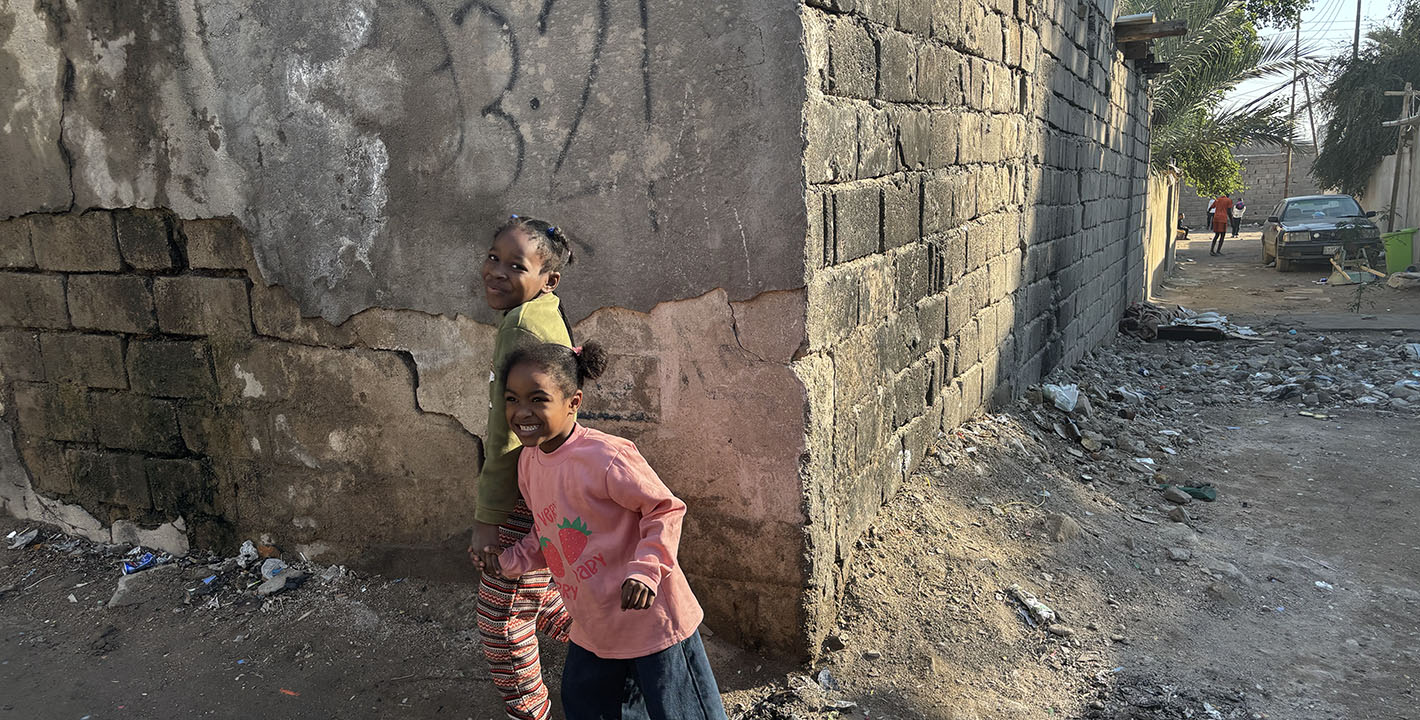
Afro-Iraqis experience political, economic, and social marginalization and discrimination, which exposes the poorest members of the community to the harsh realities of the region’s climate disaster.

Zeinab Shuker