

Research
- +6
Yasmine Farouk, Nathan J. Brown, Maysaa Shuja Al-Deen, …
{
  "authors": [
    "Michele Dunne"
  ],
  "type": "legacyinthemedia",
  "centerAffiliationAll": "dc",
  "centers": [
    "Carnegie Endowment for International Peace",
    "Malcolm H. Kerr Carnegie Middle East Center"
  ],
  "collections": [],
  "englishNewsletterAll": "menaTransitions",
  "nonEnglishNewsletterAll": "",
  "primaryCenter": "Carnegie Endowment for International Peace",
  "programAffiliation": "MEP",
  "programs": [
    "Middle East"
  ],
  "projects": [],
  "regions": [
    "Middle East",
    "Israel",
    "Palestine",
    "Levant"
  ],
  "topics": [
    "Political Reform",
    "Security"
  ]
}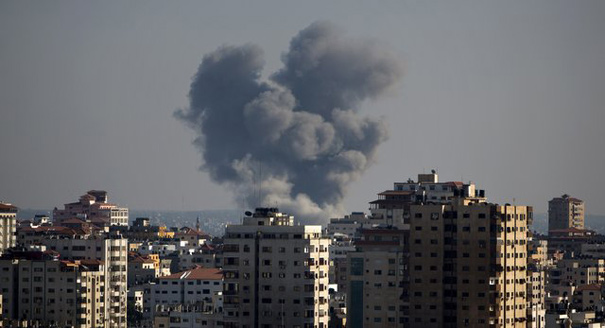
Source: Getty
The United States has made the argument that the changed regional context should make Israel more eager to make peace with the Palestinians.
Source: NPR’s On Point with Tom Ashbrook
Hamas’s situation is different now than it was during their last big conflict with Israel in 2012, said Carnegie’s Michele Dunne on NPR’s On Point with Tom Ashbrook. Hamas had a falling out with Syria and Iran and now has worse relations with Egypt than in 2012. Qatar and Turkey are their only friends in the region and that makes a difference in terms of who can possibly mediate this conflict and bring about an end, Dunne explained.
The United States has made the argument to Israel that the changed regional context should make Israel more eager to make peace with the Palestinians, Dunne said, and that resolving the Palestinian question would deflate radicalism and extremism in the region. However, Israeli Prime Minister Benjamin Netanyahu has not been receptive to those arguments and the Israelis seem less willing to negotiate peace with the Palestinians because of what’s going on elsewhere in the region.
The interview was originally aired on NPR’s On Point with Tom Ashbrook.

Former Nonresident Scholar, Middle East Program
Michele Dunne was a nonresident scholar in Carnegie’s Middle East Program, where her research focuses on political and economic change in Arab countries, particularly Egypt, as well as U.S. policy in the Middle East.
Recent Work


Yasmine Farouk, Nathan J. Brown, Maysaa Shuja Al-Deen, …
Robert Springborg, Emile Hokayem, Becca Wasser, …
Carnegie does not take institutional positions on public policy issues; the views represented herein are those of the author(s) and do not necessarily reflect the views of Carnegie, its staff, or its trustees.
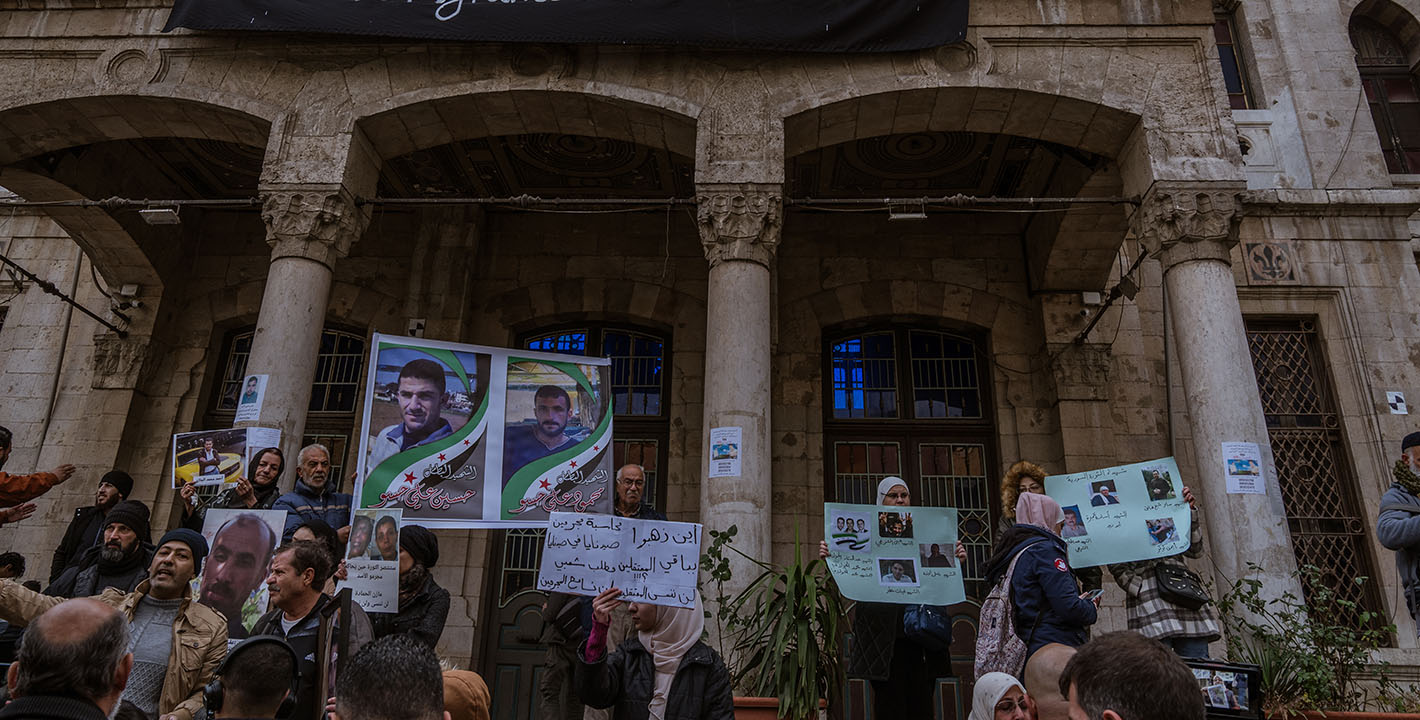
Reconciliation councils are emerging throughout the country to mediate in intracommunal disputes, many from the war years.
Natacha Danon
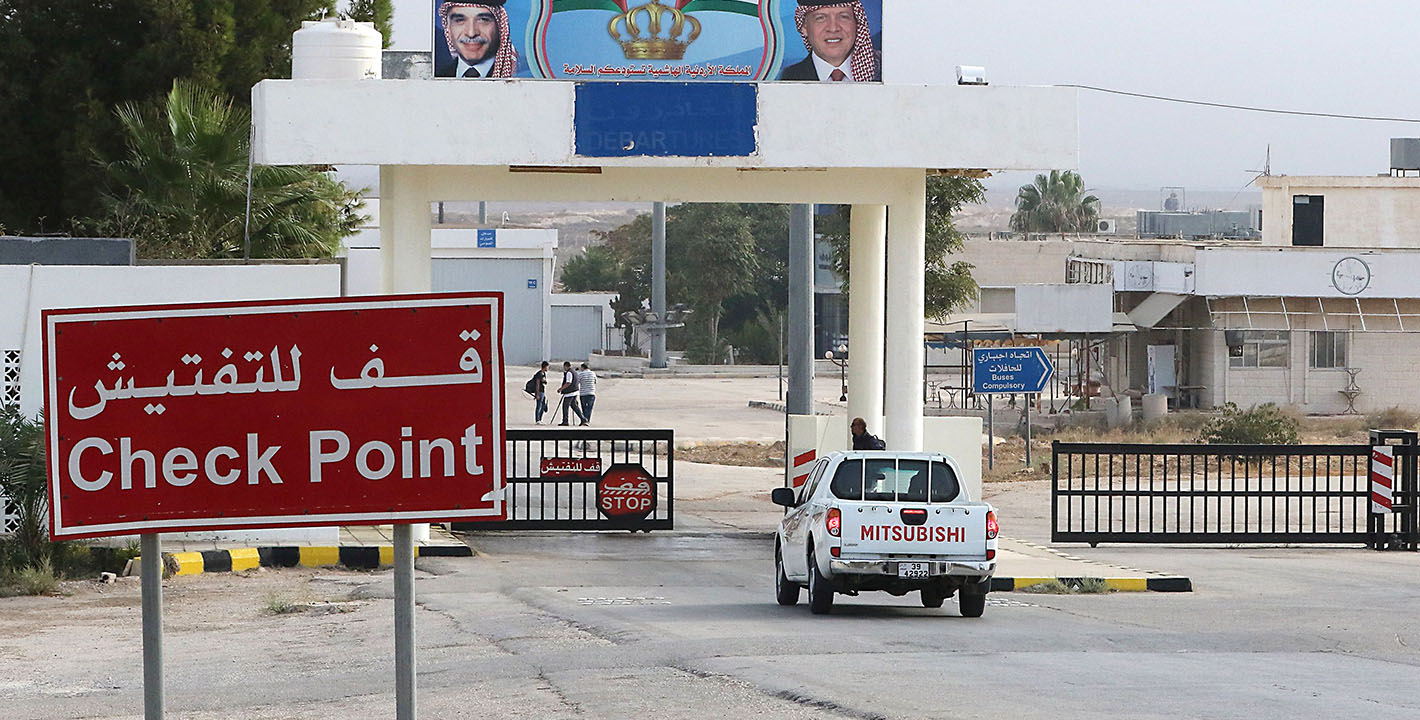
The civil war in Syria may have ended, but the country continues to serve as a source for the trafficking of illegal substances into and via Jordanian territory.

Armenak Tokmajyan, Laith Qerbaa
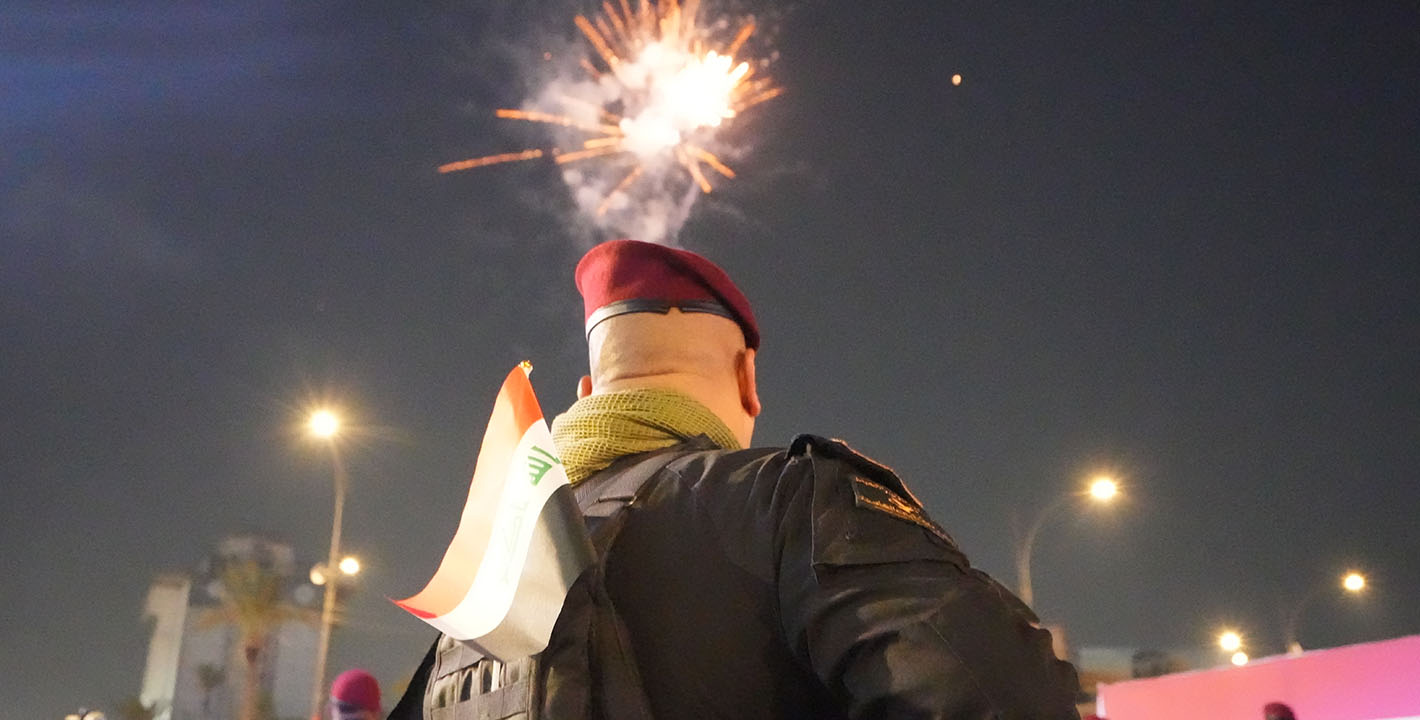
As the U.S.-led Coalition withdraws, the Kurds’ reliance on Baghdad, and on themselves, will only increase.
Wladimir van Wilgenburg

In an interview, Ian Lustick and Eli Clifton discuss their new book on why a prominent ally has so much influence in America.

Michael Young

As the U.S. stumbles in its war with Iran, we are likely to see an acceleration of its disengagement from the region.
Michael Young