

In The Media
Jessica Tuchman Mathews
{
  "authors": [
    "Jessica Tuchman Mathews"
  ],
  "type": "legacyinthemedia",
  "centerAffiliationAll": "",
  "centers": [
    "Carnegie Endowment for International Peace",
    "Malcolm H. Kerr Carnegie Middle East Center"
  ],
  "collections": [
    "Iranian Proliferation"
  ],
  "englishNewsletterAll": "",
  "nonEnglishNewsletterAll": "",
  "primaryCenter": "Carnegie Endowment for International Peace",
  "programAffiliation": "",
  "programs": [],
  "projects": [],
  "regions": [
    "United States",
    "Iran"
  ],
  "topics": [
    "Political Reform",
    "Security",
    "Foreign Policy",
    "Nuclear Policy"
  ]
}
Source: Getty
With respect to Iran, the United States has three basic choices: a war option, a deal option, and a “muddling through” option.
Source: WESA
It has been months since President Obama announced an interim deal had been struck between the group known as P5+1 and Iranian leadership over Iran's nuclear program. Many open questions remain as the deliberations move forward and the details of the agreement emerge. How will this play out?
Dr. Jessica Tuchman Mathews, president of the Carnegie Endowment for International Peace, talks about the stakes and interests involved in Iran’s nuclear future.
Tuchman Mathews explains that with respect to Iran, the United States has three basic choices: a war option, a deal option, and a “muddling through” option. Tuchman Mathews speaks tonight on the state of the Middle East at Point Park University. Earlier in the day she participated in a video conference at Cornell High School in Coraopolis. Her visit to Pittsburgh was organized by the World Affairs Council of Pittsburgh. Read more about her work as part of the Iran Project.
This interview was originally broadcast by WESA.

Distinguished Fellow
Mathews is a distinguished fellow at the Carnegie Endowment for International Peace. She served as Carnegie’s president for 18 years.
Recent Work
Jessica Tuchman Mathews
Jessica Tuchman Mathews
Carnegie does not take institutional positions on public policy issues; the views represented herein are those of the author(s) and do not necessarily reflect the views of Carnegie, its staff, or its trustees.

By failing to address Palestinian representation, the current process is bound to lead to just another temporary arrangement.

Nathan J. Brown

Morocco and Algeria, each in its own way, are having to navigate the global economic fallout of the U.S.-Israeli military campaign against Iran.

Yasmine Zarhloule
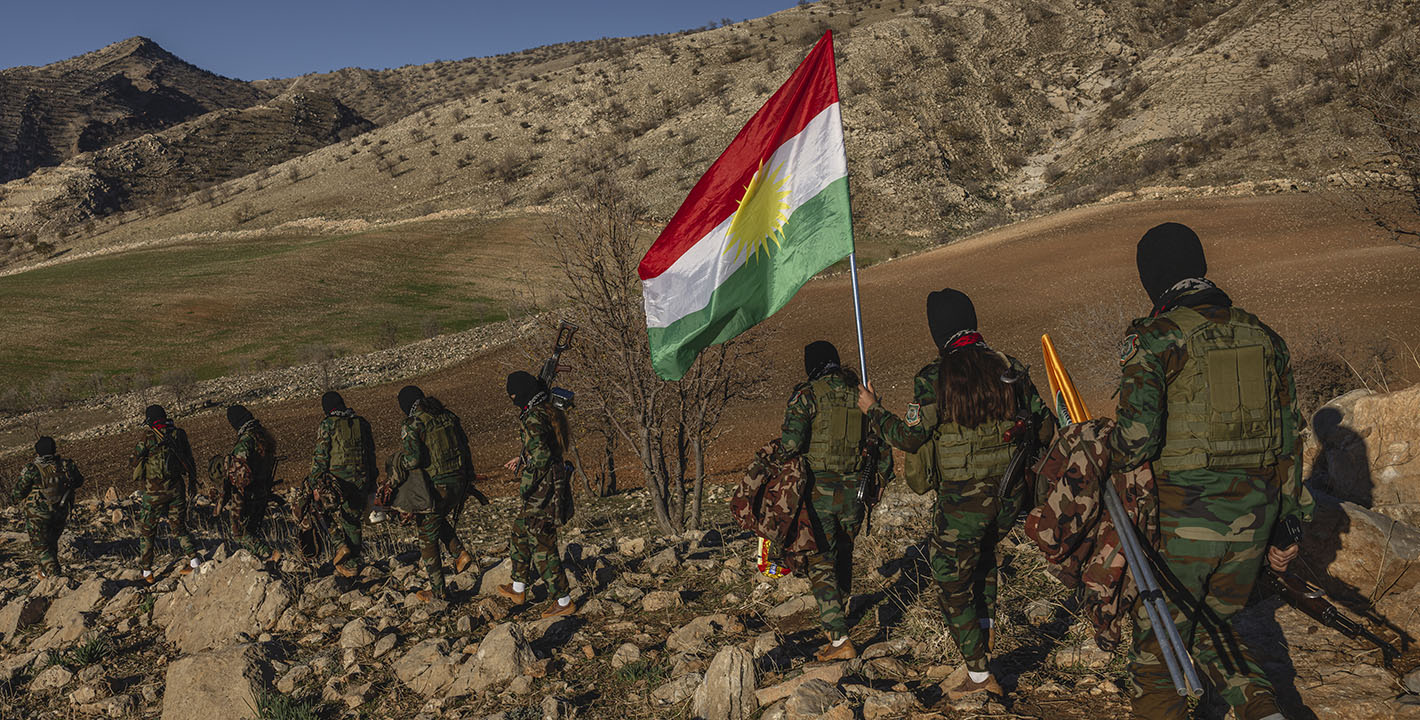
Following its deal with the United States, Iran may act against Iraq-based dissidents.
Wladimir van Wilgenburg
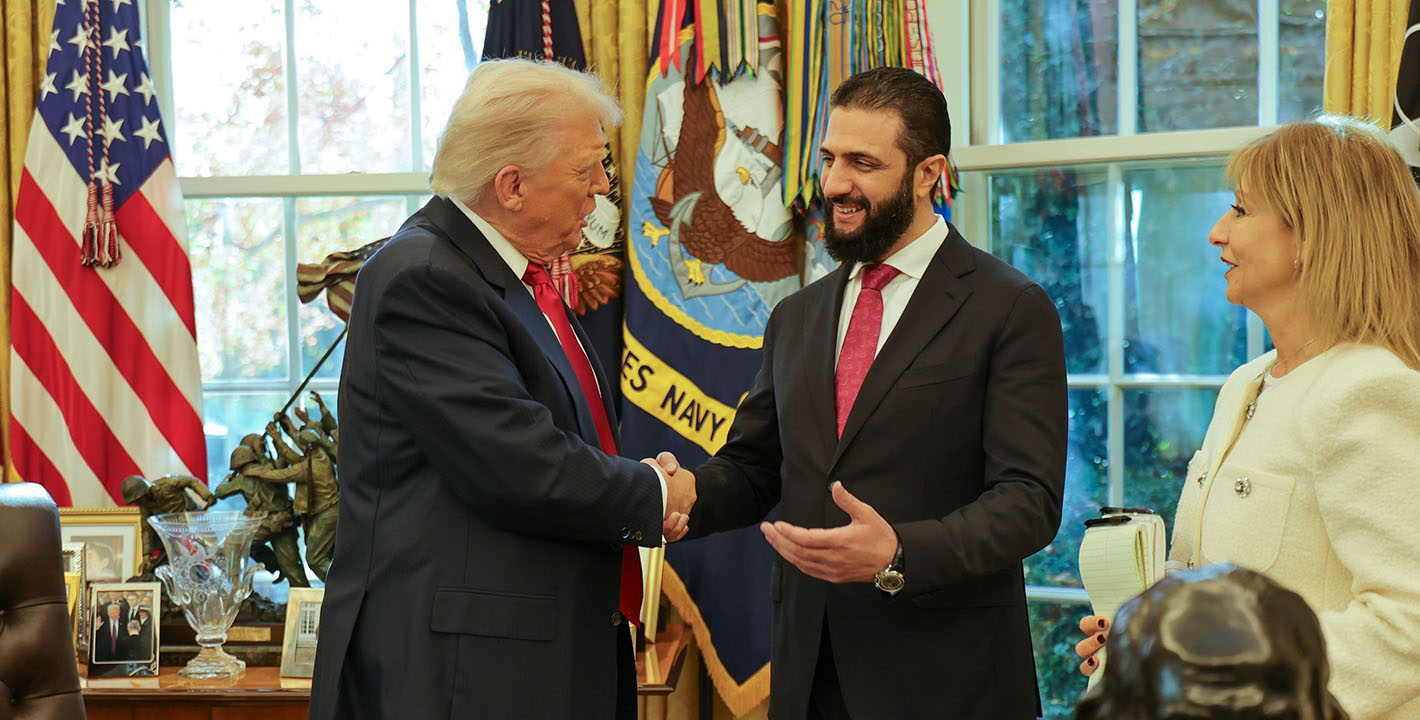
Any move by the United States to make good on Trump’s suggestion that Washington persuade Damascus to confront Hezbollah militarily would have catastrophic consequences.
Kheder Khaddour
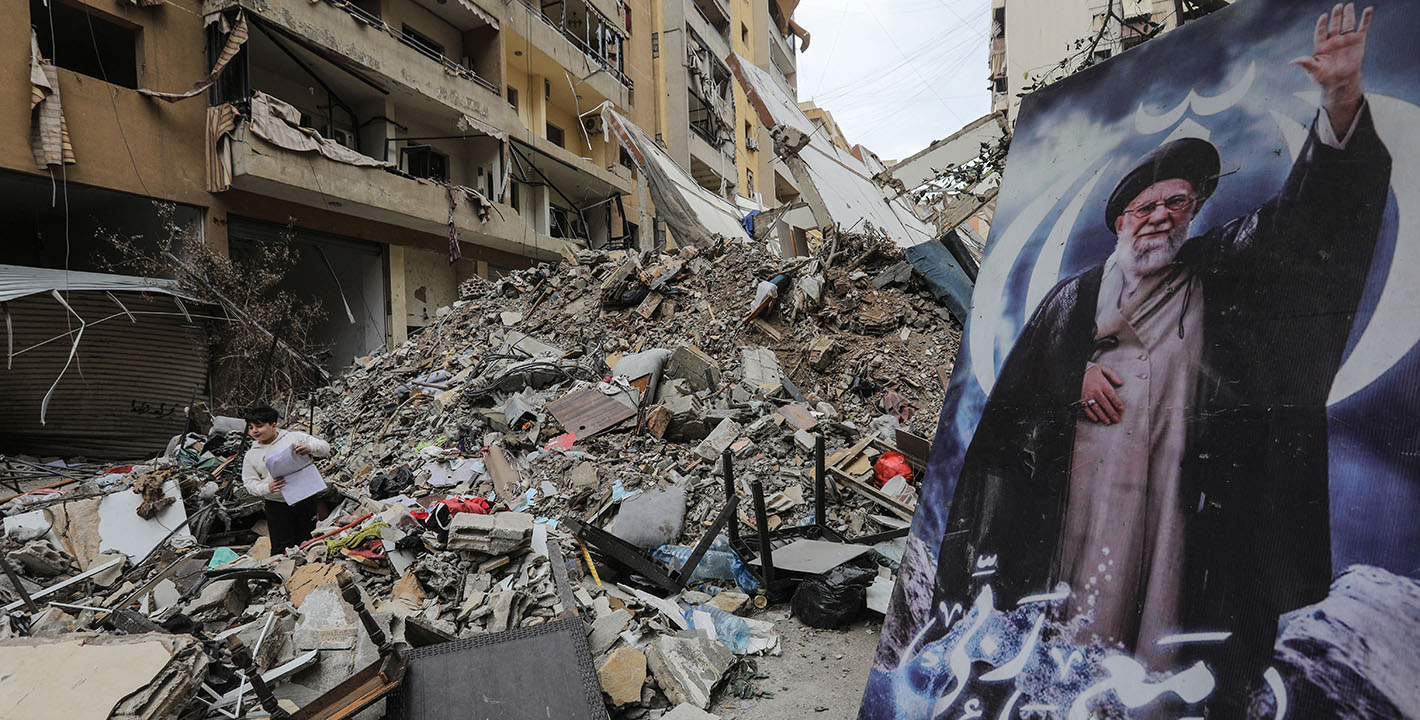
As talks begin between Washington and Tehran, Beirut has an opening to advance a regional plan for the party’s disarmament.

Michael Young