

Commentary
As the U.S.-led Coalition withdraws, the Kurds’ reliance on Baghdad, and on themselves, will only increase.
Wladimir van Wilgenburg
{
  "authors": [
    "Mario Abou Zeid",
    "Mamoun Abu-Nowar",
    "James Denselow"
  ],
  "type": "legacyinthemedia",
  "centerAffiliationAll": "",
  "centers": [
    "Carnegie Endowment for International Peace",
    "Malcolm H. Kerr Carnegie Middle East Center"
  ],
  "collections": [],
  "englishNewsletterAll": "",
  "nonEnglishNewsletterAll": "",
  "primaryCenter": "Malcolm H. Kerr Carnegie Middle East Center",
  "programAffiliation": "",
  "programs": [],
  "projects": [],
  "regions": [
    "Gulf",
    "Iraq",
    "Middle East"
  ],
  "topics": [
    "Political Reform",
    "Security"
  ]
}
Source: Getty
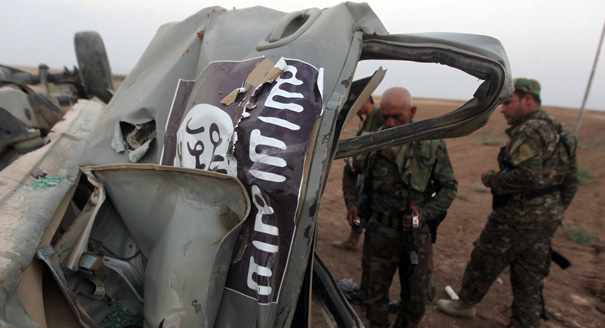
Recent major territorial gains by the self-proclaimed Islamic State are making many players very nervous.
Source: Al Jazeera inside story
The capture of Ramadi by fighters from the Islamic State of Iraq and the Levant (ISIL) group is being seen as a significant setback for the government.
Ramadi is the capital of the vast desert province of Anbar, where ISIL is seeking to consolidate its gains.
Iraqi government leaders are pledging to recapture Ramadi with the help of Shia units.
But how? And what is ISIL’s military strategy?
This broadcast originally appeared on Al Jazeera Inside Story.

Former Research Analyst, Middle East Center
Abou Zeid was a research analyst at the Carnegie Middle East Center, where his work focuses on political developments in Lebanon, Syria, Iraq, and Iran.
Mamoun Abu-Nowar
James Denselow
Carnegie does not take institutional positions on public policy issues; the views represented herein are those of the author(s) and do not necessarily reflect the views of Carnegie, its staff, or its trustees.
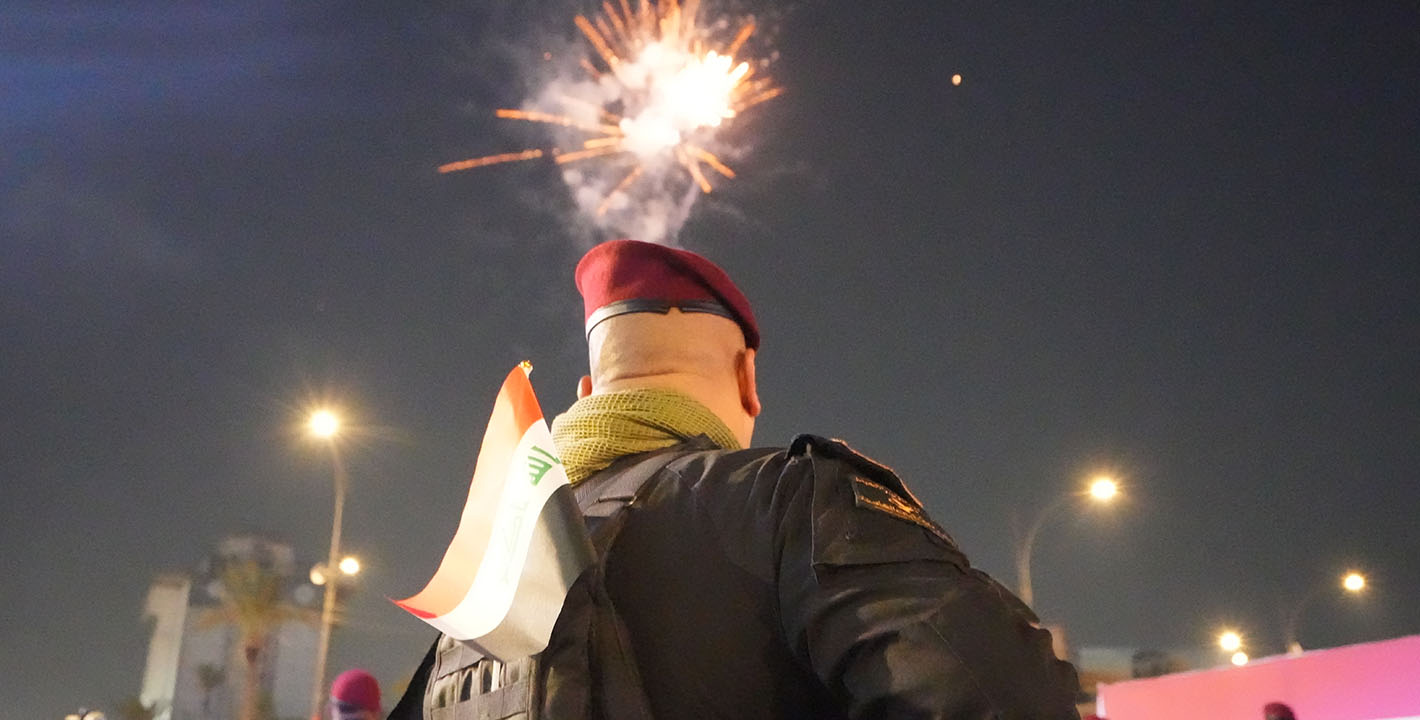
As the U.S.-led Coalition withdraws, the Kurds’ reliance on Baghdad, and on themselves, will only increase.
Wladimir van Wilgenburg

As the U.S. stumbles in its war with Iran, we are likely to see an acceleration of its disengagement from the region.

Michael Young
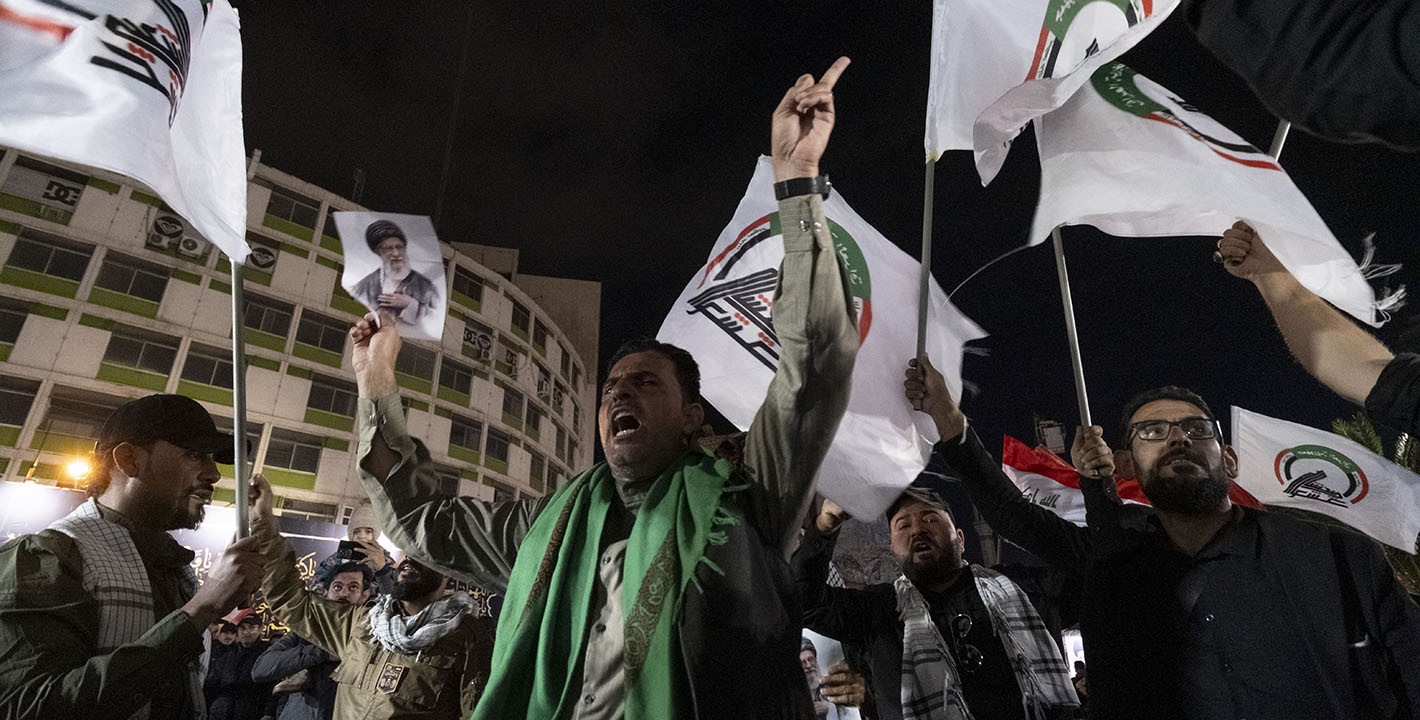
The Zaidi government’s objective to collect weapons is constrained by regional conflict, but it can take certain measures at home.
Ali Al-Mawlawi

Huawei pushed hard to enter the Egyptian data centers market, until the Americans made a better offer.

Angie Omar

Middle Eastern states should welcome an accelerated U.S. disengagement from their region.
Michael Young