

Commentary
In an interview, Rozina Ali discusses her new book on the rise and manifestations of Islamophobia in the United States.
Michael Young
{
  "authors": [
    "Perry Cammack",
    "Hussein Ibish"
  ],
  "type": "legacyinthemedia",
  "centerAffiliationAll": "dc",
  "centers": [
    "Carnegie Endowment for International Peace"
  ],
  "collections": [],
  "englishNewsletterAll": "menaTransitions",
  "nonEnglishNewsletterAll": "",
  "primaryCenter": "Carnegie Endowment for International Peace",
  "programAffiliation": "MEP",
  "programs": [
    "Middle East"
  ],
  "projects": [],
  "regions": [
    "North America",
    "United States",
    "Middle East",
    "North Africa",
    "Saudi Arabia"
  ],
  "topics": [
    "Political Reform",
    "Security",
    "Foreign Policy",
    "Civil Society"
  ]
}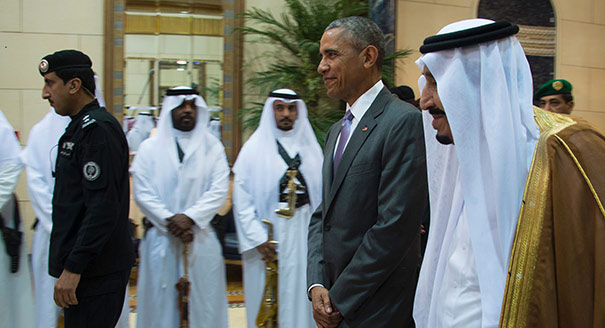
Source: Getty
President Obama’s recent trip to Saudi Arabia has come at a time of strained ties, raising questions about the state of U.S. relationships in the region.
Source: Voice of America
Speaking with Voice of America’s Carol Castiel, Perry Cammack discussed President Obama’s recent trip to Saudi Arabia to meet with Gulf leaders and the state of the U.S.-Saudi relationship.
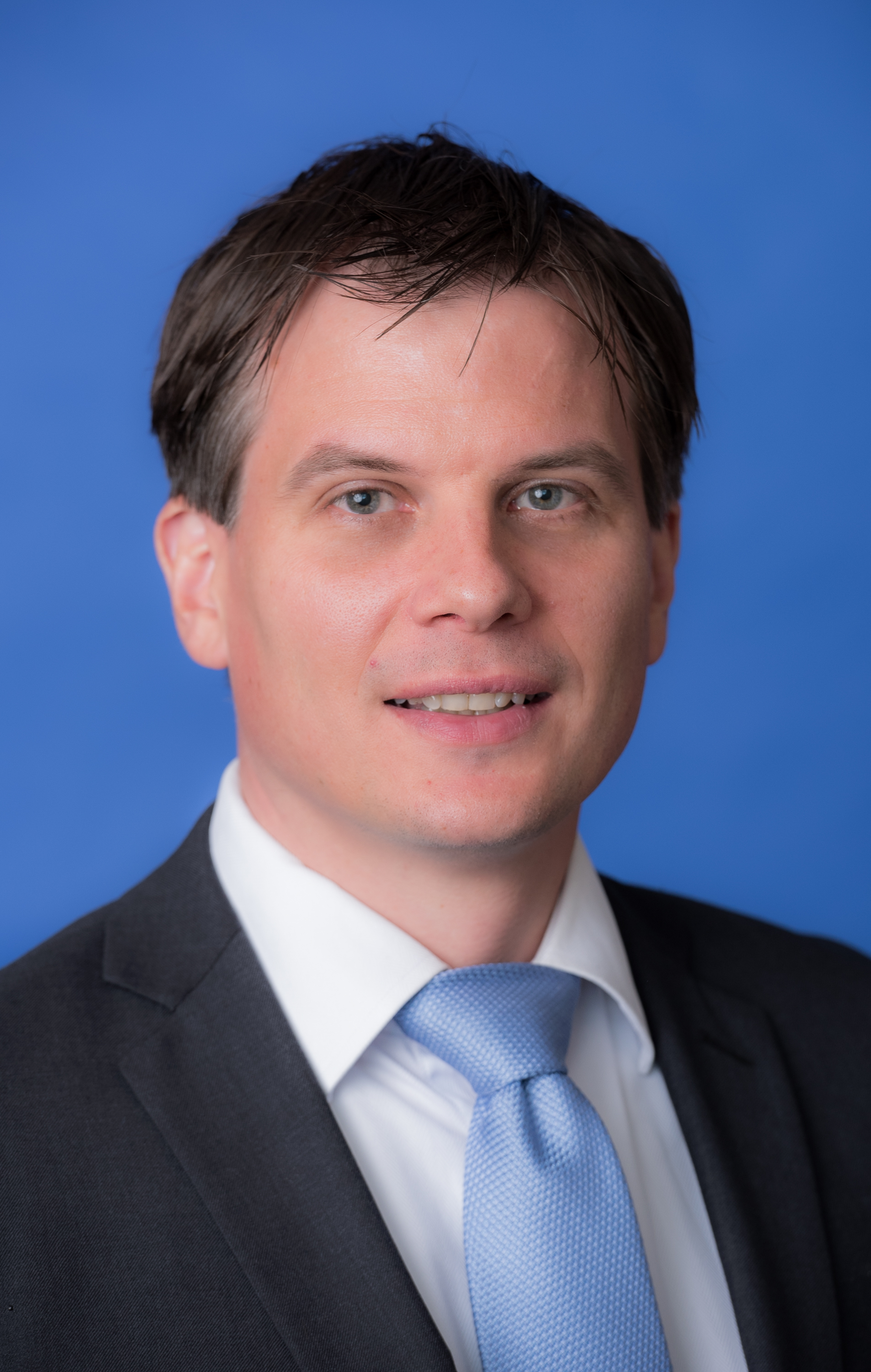
Former Nonresident Fellow, Middle East Program
Perry Cammack was a nonresident fellow in the Middle East Program at the Carnegie Endowment for International Peace, where he focuses on long-term regional trends and their implications for American foreign policy.

Hussein Ibish
Hussein Ibish is a senior resident scholar at the Arab Gulf States Institute in Washington. He is a weekly columnist for The National (UAE), former columnist for Bloomberg, regular contributor to The New York Times and The Daily Beast, and frequent contributor to many other U.S. and Middle Eastern publications. He has made thousands of radio and television appearances and was the Washington, DC correspondent for the Daily Star (Beirut). Many of Ibish’s articles are archived on his Ibish blog website.
Carnegie does not take institutional positions on public policy issues; the views represented herein are those of the author(s) and do not necessarily reflect the views of Carnegie, its staff, or its trustees.

In an interview, Rozina Ali discusses her new book on the rise and manifestations of Islamophobia in the United States.

Michael Young

In an interview, Ian Lustick and Eli Clifton discuss their new book on why a prominent ally has so much influence in America.
Michael Young

As the U.S. stumbles in its war with Iran, we are likely to see an acceleration of its disengagement from the region.
Michael Young

Middle Eastern states should welcome an accelerated U.S. disengagement from their region.
Michael Young

In an interview, former ambassador Charles Freeman assesses the Trump administration’s war against Iran.
Michael Young