

Commentary
Kheder Khaddour
{
  "authors": [
    "Kheder Khaddour"
  ],
  "type": "legacyinthemedia",
  "centerAffiliationAll": "dc",
  "centers": [
    "Carnegie Endowment for International Peace",
    "Malcolm H. Kerr Carnegie Middle East Center"
  ],
  "collections": [],
  "englishNewsletterAll": "menaTransitions",
  "nonEnglishNewsletterAll": "",
  "primaryCenter": "Malcolm H. Kerr Carnegie Middle East Center",
  "programAffiliation": "MEP",
  "programs": [
    "Middle East"
  ],
  "projects": [],
  "regions": [
    "Levant",
    "Lebanon",
    "Middle East"
  ],
  "topics": [
    "Political Reform"
  ]
}
Source: Getty
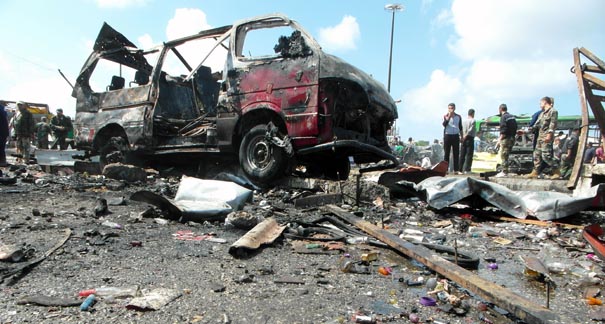
Syria's coastal region, although perceived as an island outside of the conflict, has also been affected in a number of ways by the country's protracted civil war.
Source: Friedrich Ebert Stiftung
In the ongoing conflict, Syria’s northwest coastal region has thus far been insulated from the extensive destruction and unrelenting violence occurring elsewhere in the country. This has prevented the mass population exodus seen in other contested areas and kept the region’s residents better off, relatively speaking, than Syrians from other parts of the country. Far-reaching, conflict-induced developments have nevertheless significantly altered the living circumstances of the coastal population, the majority of which is of the Alawite faith.
This study looks at the adaptation and survival strategies of local communities in the coastal Latakia and Tartus governorates during the conflict and, more specifically, at their responses to three new phenomena brought about by the ongoing fighting. After a review of the methodology in Chapter 2, Chapter 3 looks at the coastal communities’ responses to the arrival of a massive number of largely Sunni individuals escaping the violence unfolding in the surrounding governorates, and discusses the extent to which they have changed, or left unaltered, the preexisting social relations—both between the coast’s Sunnis and Alawites and between its Alawites and the Assad regime. Cross-sectarian relationships along the coast were jolted by the conflict, and Chapter 4 explores their evolution by examining the trajectories of local economies in the two port cities of Latakia and Banias. Chapter 5 examines the charities and militia recruitment centers that proliferated on the coast as the regime was forced to create new channels of interaction, co-optation, and containment of the Alawite community’s dissent.
Taking the coastal region as a case study, this research seeks to contribute to a more nuanced understanding of how the protracted conflict affects not only socioeconomic relations between Syria’s sects, but also the Assad regime’s traditional mechanisms of governance, coercion, and control.
This article was originally published by Friedrich Ebert Stiftung.

Nonresident Scholar, Malcolm H. Kerr Carnegie Middle East Center
Kheder Khaddour is a nonresident scholar at the Malcolm H. Kerr Carnegie Middle East Center in Beirut. His research focuses on tribal structures in the Levant, civil-military relations in Syria, and the role of borders in shaping local and national identities across the Middle East.
Recent Work
Kheder Khaddour
Kheder Khaddour
Carnegie does not take institutional positions on public policy issues; the views represented herein are those of the author(s) and do not necessarily reflect the views of Carnegie, its staff, or its trustees.

The accord represents a pivotal moment in the region to avert a security vacuum in the Gulf.


Azeema Cheema, Mohanad Hage Ali
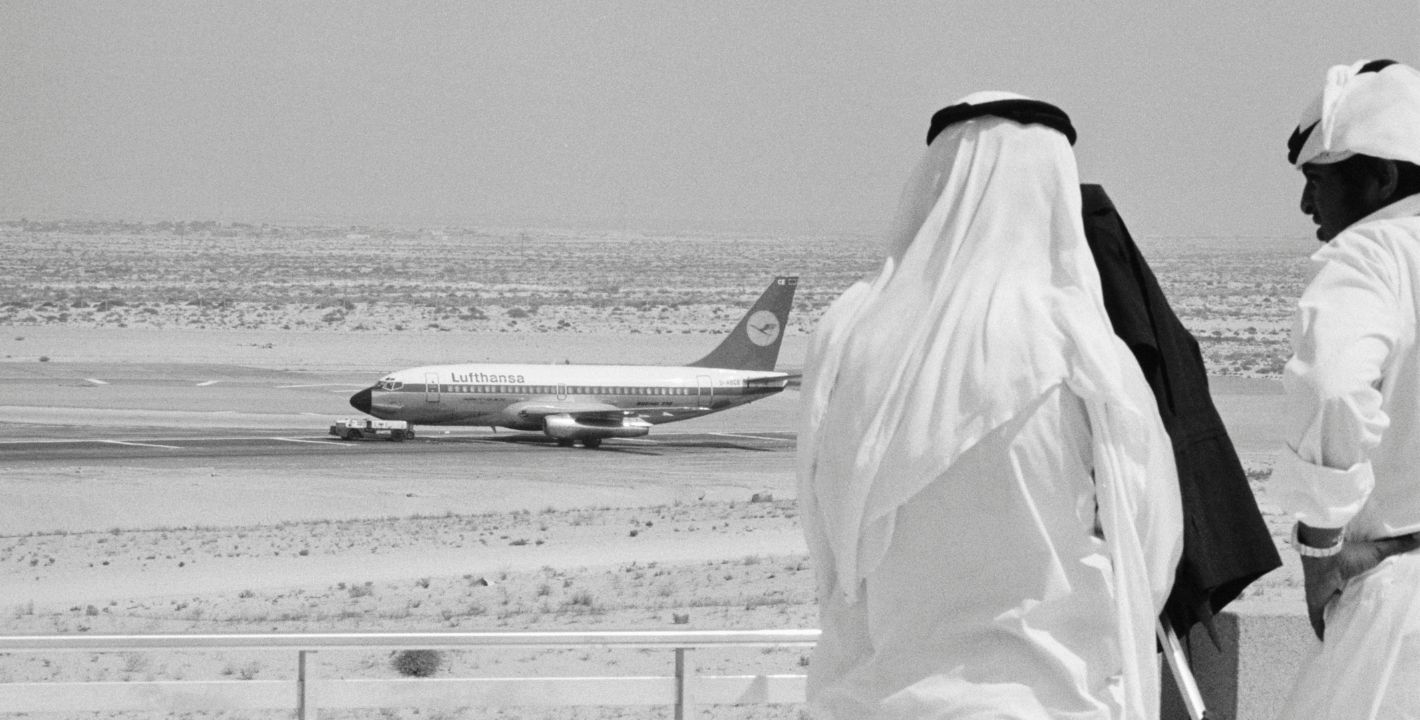
In an interview, Jason Burke discusses his sweeping account of the “revolutionists” who so shaped the 1970s and early 1980s.

Michael Young
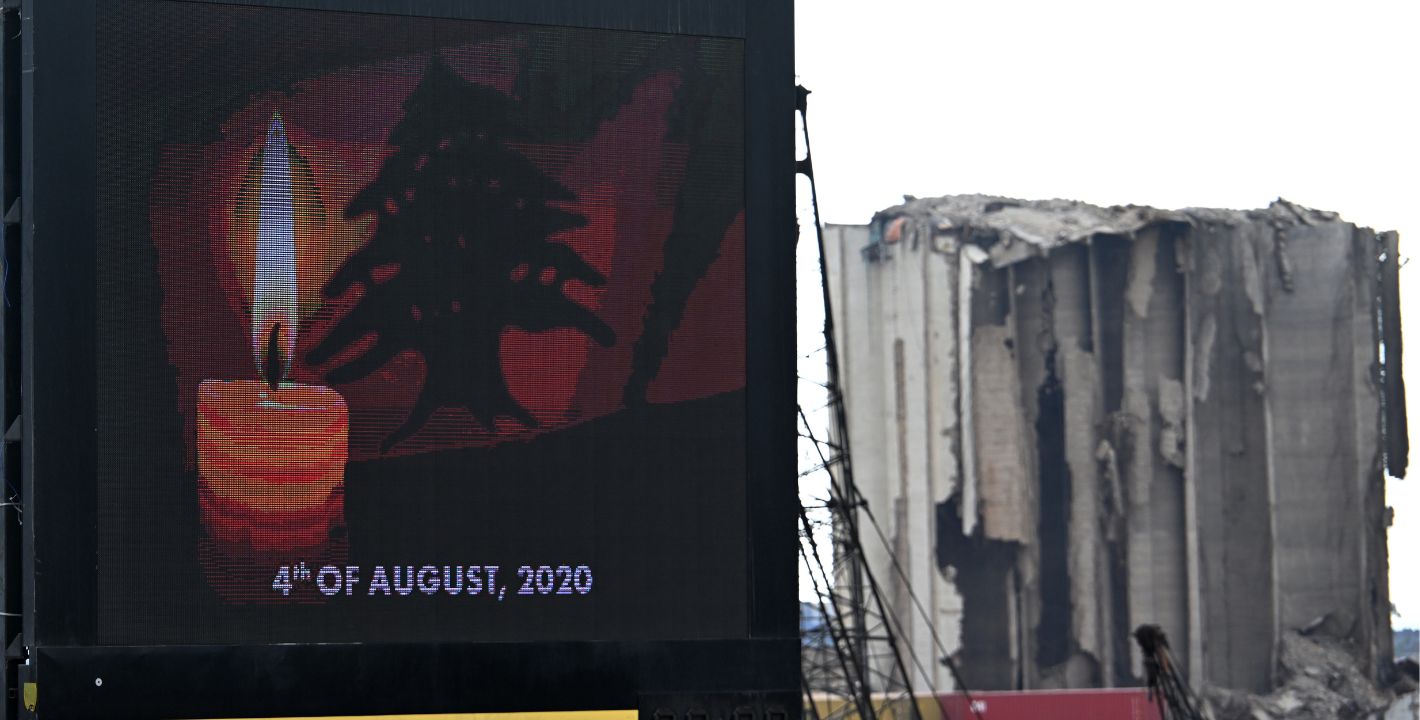
Lying at the heart of Lebanon’s dysfunction is an inability to secure accountability and institutional legitimacy.

Maha Yahya
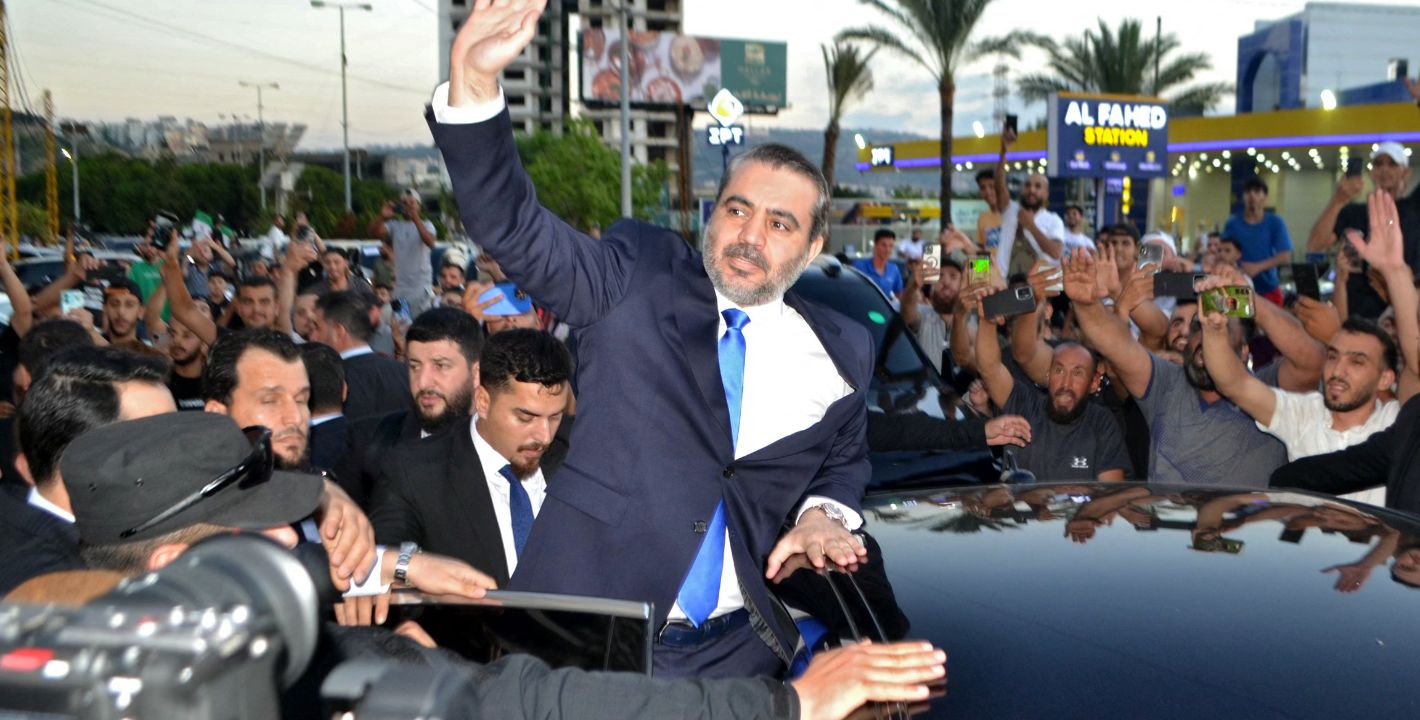
In an interview, Sohaib Jawhar analyzes the profound changes in the ties between the neighboring countries.
Michael Young

There is a disturbing structural parallel between the old global energy economy and the new green transition.

Angie Omar