

Commentary
A coalition of states is seeking to avert a U.S. attack, and Israel is in the forefront of their mind.
Michael Young
{
  "authors": [
    "C. Raja Mohan",
    "Arushi Kumar",
    "Constantino Xavier"
  ],
  "type": "other",
  "centerAffiliationAll": "",
  "centers": [
    "Carnegie Endowment for International Peace",
    "Carnegie India"
  ],
  "collections": [],
  "englishNewsletterAll": "",
  "nonEnglishNewsletterAll": "",
  "primaryCenter": "Carnegie India",
  "programAffiliation": "",
  "programs": [],
  "projects": [],
  "regions": [
    "South Asia",
    "Afghanistan",
    "India",
    "Western Europe"
  ],
  "topics": [
    "Foreign Policy"
  ]
}
Source: Getty
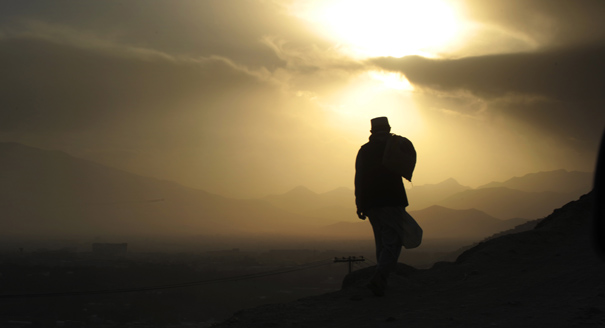
After 15 years of limited cooperation, India and the EU have the opportunity to join forces on promoting peace and stability in Afghanistan.
Source: Global Public Policy Institute
With the US seeking to limit its international role amidst domestic political resistance, India and Europe are facing increased pressure to take on greater international responsibilities. Delhi and Brussels are both pursuing a more ambitious role in international security affairs, and the imperative for strategic cooperation between them is growing. After 15 years of limited cooperation, India and the EU have the opportunity to join forces on promoting peace and stability in Afghanistan. Despite extraordinary international attention paid to Afghanistan since the turn of the millennium, prospects for the current regime’s failure have increased. A Taliban victory in Afghanistan would impose severe costs on India and Europe in terms of refugee inflows and terrorist threats. To prevent this, cooperation between India and the EU should be directed towards improving Kabul’s odds of defeating the Taliban offensive and enhancing its leverage in the negotiations on regional reconciliation. This will require greater trilateral coordination between Kabul, Brussels and New Delhi, in conjunction with a dual track approach that demands short-term emphasis on political and military consultations on the changing ground conditions, along with with a long-term focus on continued economic assistance to strengthen a moderate and stable Afghan regime.
This policy paper was originally published by the Global Public Policy Institute.
Former Nonresident Senior Fellow, Carnegie India
A leading analyst of India’s foreign policy, Mohan is also an expert on South Asian security, great-power relations in Asia, and arms control.
Arushi Kumar
Former Fellow, Carnegie India
Constantino Xavier was a fellow at Carnegie India, based in New Delhi. His research focus is on India’s foreign policy, with emphasis on relations with its neighboring countries and South Asian regional security.
Carnegie does not take institutional positions on public policy issues; the views represented herein are those of the author(s) and do not necessarily reflect the views of Carnegie, its staff, or its trustees.

A coalition of states is seeking to avert a U.S. attack, and Israel is in the forefront of their mind.

Michael Young

Baku may allow radical nationalists to publicly discuss “reunification” with Azeri Iranians, but the president and key officials prefer not to comment publicly on the protests in Iran.

Bashir Kitachaev

The country’s leadership is increasingly uneasy about multiple challenges from the Levant to the South Caucasus.

Armenak Tokmajyan
The countries of the region have engaged in sustained competition that has tested their capacities and limitations, while resisting domination by rivals. Can a more stable order emerge from this maelstrom, and what would it require?

Hamza Meddeb, Mohamed Ali Adraoui
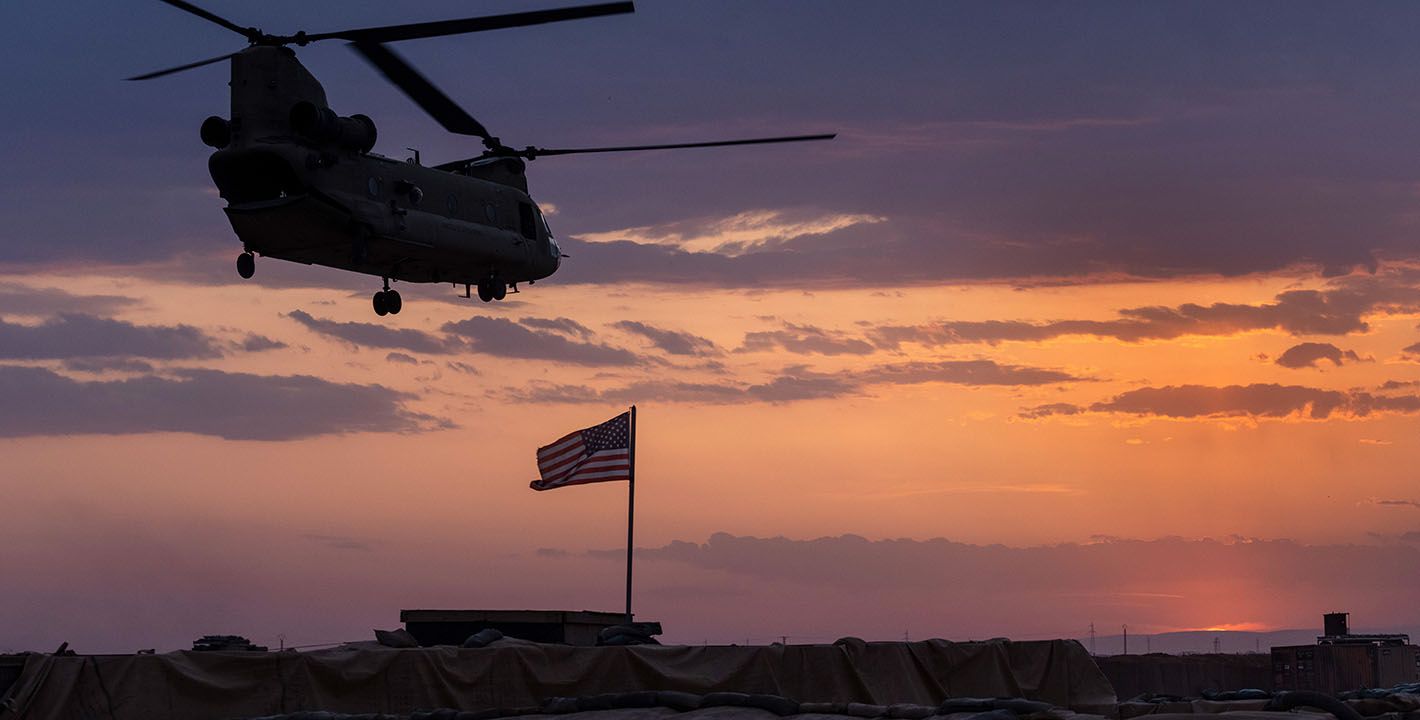
As Washington reduces its presence in the country, the success of its withdrawal and continued containment of the Islamic State will hinge on adopting an approach of flexible oversight built around three priorities, as well as balancing Turkish and Israeli red lines.

Kheder Khaddour, Issam Kayssi