

Commentary
Huawei pushed hard to enter the Egyptian data centers market, until the Americans made a better offer.
Angie Omar
{
  "authors": [
    "William J. Burns",
    "David Ignatius",
    "Kori Schake"
  ],
  "type": "legacyinthemedia",
  "centerAffiliationAll": "",
  "centers": [
    "Carnegie Endowment for International Peace",
    "Carnegie China"
  ],
  "collections": [],
  "englishNewsletterAll": "",
  "nonEnglishNewsletterAll": "",
  "primaryCenter": "Carnegie Endowment for International Peace",
  "programAffiliation": "",
  "programs": [],
  "projects": [],
  "regions": [
    "North America",
    "United States"
  ],
  "topics": [
    "Security",
    "Foreign Policy"
  ]
}
Source: Getty
While political transitions are always hard, the international landscape today is particularly unforgiving.
Source: NPR’s On Point
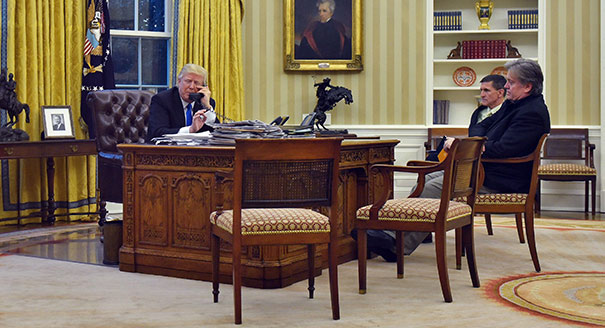
Carnegie’s William J. Burns joined NPR’s On Point’s Tom Ashbrook, the Washington Post’s David Ignatius, and the Hoover Institution’s Kori Schake for a discussion on national security in the Trump White House. Burns cautioned that while “transitions are always hard … but the international landscape today is particularly unforgiving.”
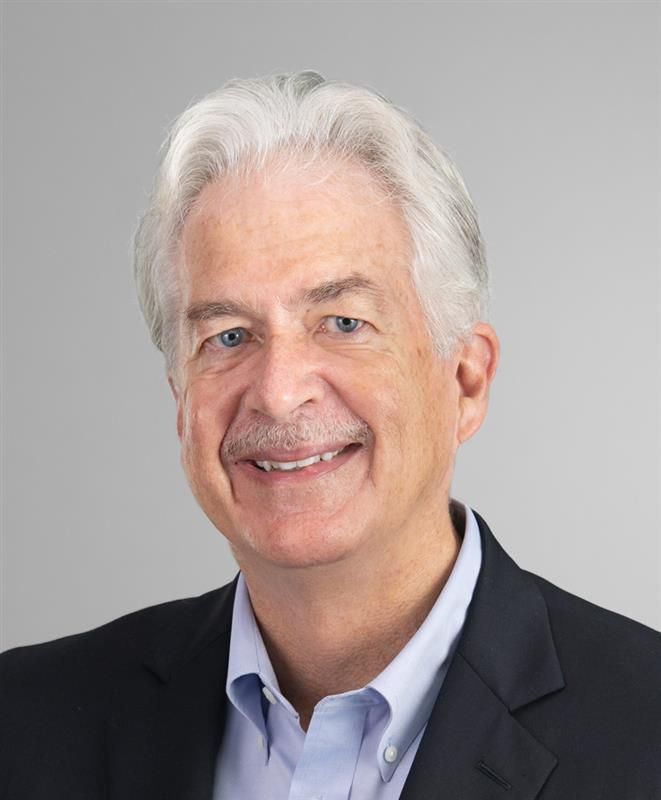
Former Carnegie President (2015-2021)
A former career diplomat, William J. Burns served as director of the CIA, deputy secretary of State, and ambassador to Russia and Jordan. Burns was also president of the Carnegie Endowment for International Peace from 2015 to 2021.
David Ignatius

Kori Schake
Senior Fellow and Director of Foreign and Defense Policy Studies, American Enterprise Institute (AEI)
Kori Schake leads the foreign and defense policy team at the American Enterprise Institute. She is the author of Safe Passage: the Transition from British to American Hegemony and a contributing writer at the Atlantic, War on the Rocks, and Bloomberg.
Carnegie does not take institutional positions on public policy issues; the views represented herein are those of the author(s) and do not necessarily reflect the views of Carnegie, its staff, or its trustees.

Huawei pushed hard to enter the Egyptian data centers market, until the Americans made a better offer.

Angie Omar

Middle Eastern states should welcome an accelerated U.S. disengagement from their region.

Michael Young

In an interview, former ambassador Charles Freeman assesses the Trump administration’s war against Iran.
Michael Young

By failing to address Palestinian representation, the current process is bound to lead to just another temporary arrangement.

Nathan J. Brown

Morocco and Algeria, each in its own way, are having to navigate the global economic fallout of the U.S.-Israeli military campaign against Iran.

Yasmine Zarhloule