

Research
- +11
Frances Z. Brown, Nate Reynolds, Priyal Singh, …
{
  "authors": [
    "Andrew S. Weiss"
  ],
  "type": "legacyinthemedia",
  "centerAffiliationAll": "dc",
  "centers": [
    "Carnegie Endowment for International Peace"
  ],
  "collections": [],
  "englishNewsletterAll": "ctw",
  "nonEnglishNewsletterAll": "",
  "primaryCenter": "Carnegie Endowment for International Peace",
  "programAffiliation": "russia",
  "programs": [
    "Russia and Eurasia"
  ],
  "projects": [],
  "regions": [
    "North America",
    "United States",
    "South Asia",
    "Afghanistan",
    "Russia"
  ],
  "topics": [
    "Security",
    "Foreign Policy"
  ]
}
Source: Getty
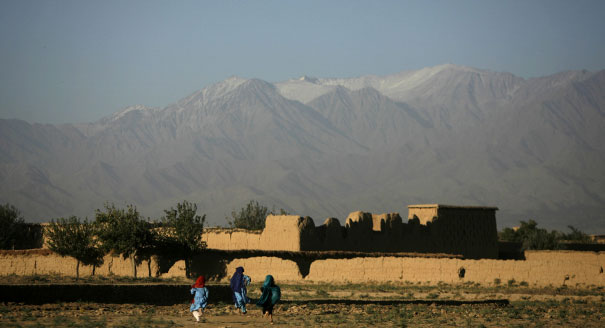
Russia seeks to build a diplomatic profile in Afghanistan that circumvents the West and the government of Afghanistan in an attempt to undermine the U.S.- and NATO-led peace effort.
Source: WBUR’s Here & Now
Last week, Senator John McCain said that Russia is propping up the Taliban to undermine U.S. efforts in Afghanistan. Speaking on WBUR, Carnegie’s Andrew Weiss explained the motivation behind Russia's presence in Afghanistan:
“We’re talking about harassment and efforts by the Russians to undermine the United States- and NATO-led military effort [in Afghanistan]. What we’ve seen in recent days is the Russians trying to build a diplomatic profile on Afghanistan that circumvents what the U.S.-led effort is about and circumvents the government of Afghanistan itself... They’re building bridges to the Taliban, the radical group which ruled Afghanistan before the U.S. military intervention in 2001. And they’re trying to legitimize the Taliban.”
This interview was originally broadcast on WBUR’s Here & Now.
James Family Chair, Vice President for Studies
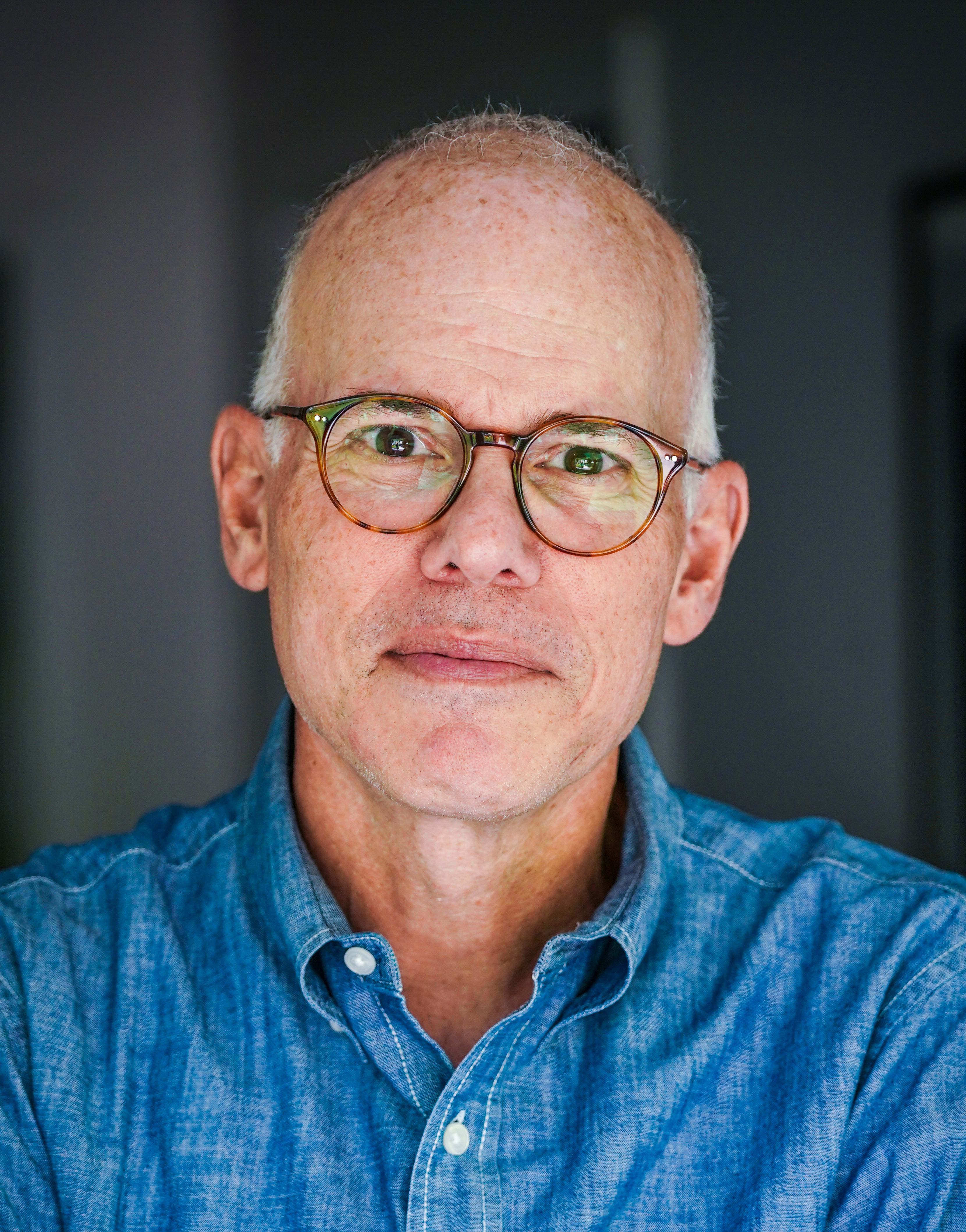
Andrew S. Weiss is the James Family Chair and vice president for studies at the Carnegie Endowment for International Peace, where he oversees research on Russia, Ukraine, and Eurasia. His graphic novel biography of Vladimir Putin, Accidental Czar: the Life and Lies of Vladimir Putin, was published by First Second/Macmillan in 2022.
Recent Work

Frances Z. Brown, Nate Reynolds, Priyal Singh, …

James M. Acton, Saskia Brechenmacher, Cecily Brewer, …
Carnegie does not take institutional positions on public policy issues; the views represented herein are those of the author(s) and do not necessarily reflect the views of Carnegie, its staff, or its trustees.
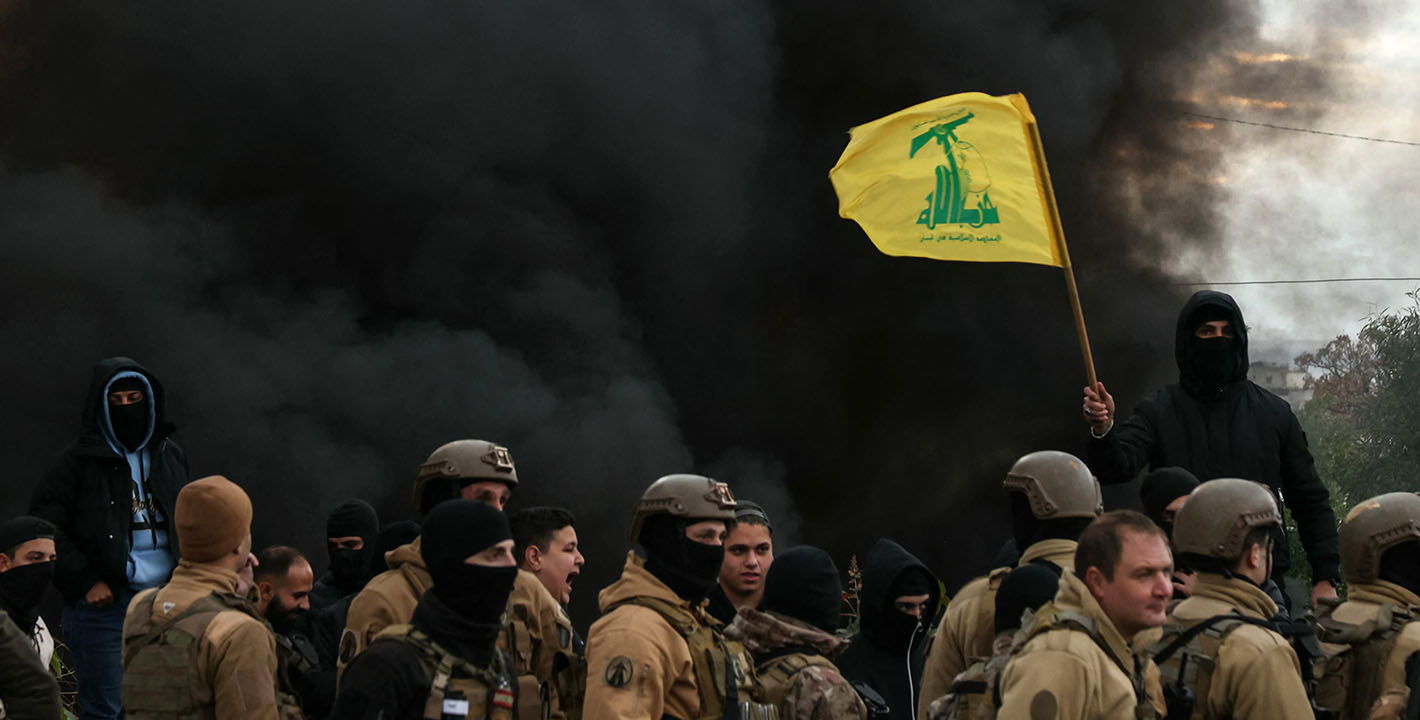
The party’s domestic and regional roles have changed, so Lebanon should devise a disarmament strategy that encompasses this.

Michael Young
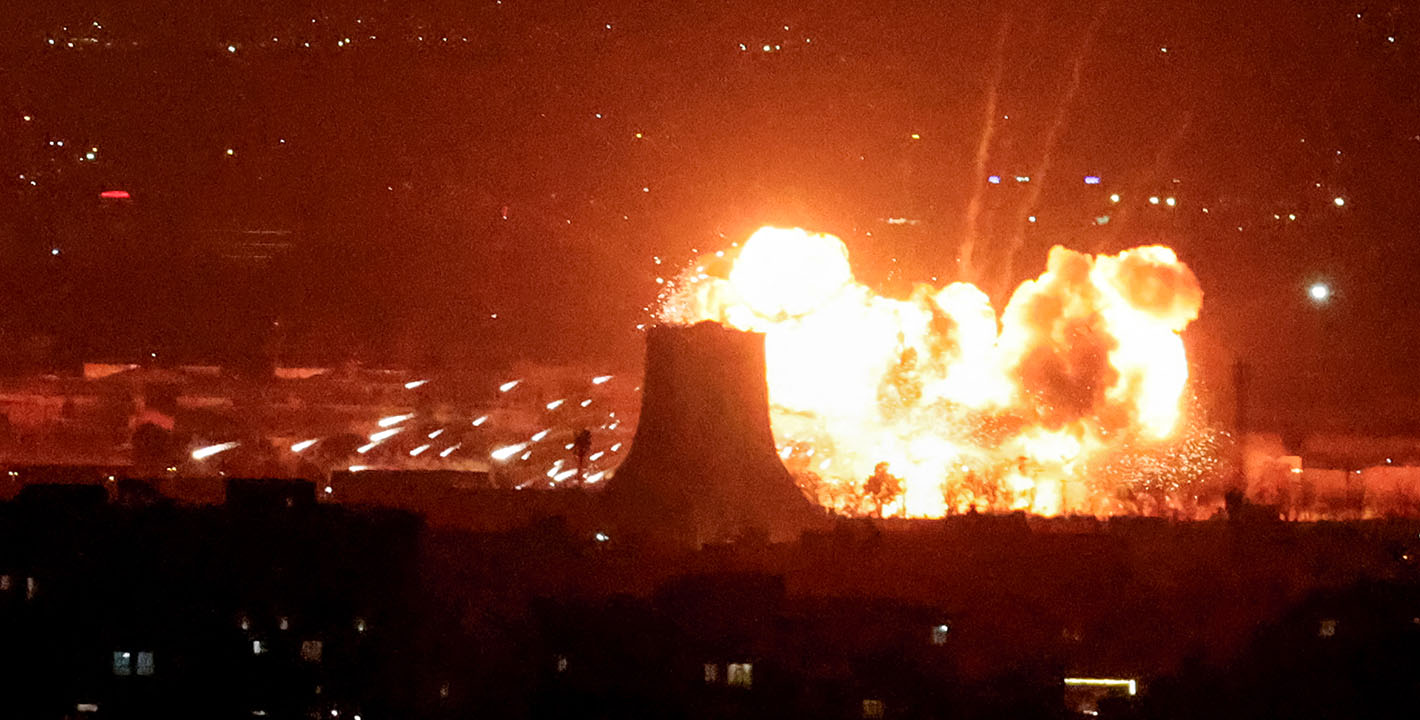
In an interview, Marc Lynch discusses his new book decrying the post-1990 U.S.-dominated order in the Middle East.
Michael Young

Because perpetual conflict enhances control, offers economic benefits, and allows leaders to ignore popular preferences.

Angie Omar
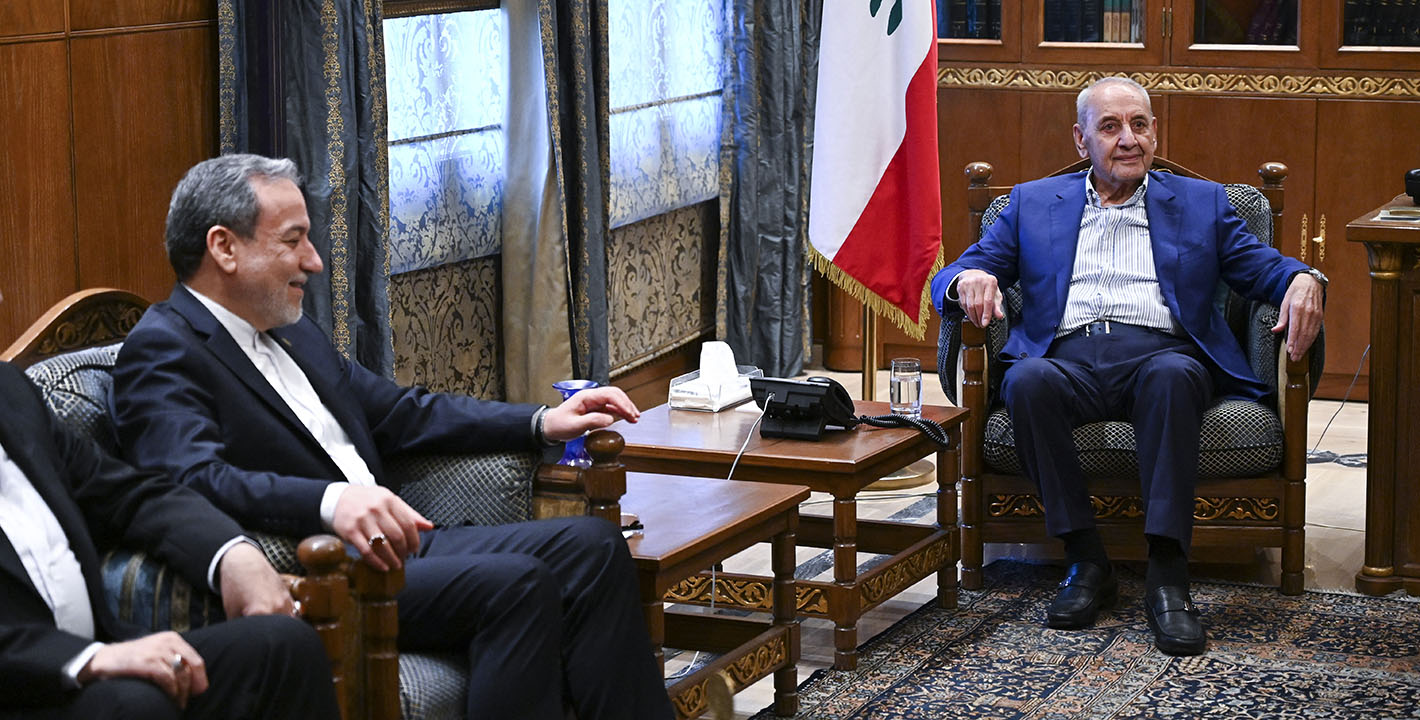
A prerequisite of serious talks is that the country’s leadership consolidates majority national support for such a process.
Michael Young
In an interview, Jim Lamson discusses the ongoing regional conflict and sees an unclear picture when it comes to winners and losers.
Michael Young