

Commentary
As talks begin between Washington and Tehran, Beirut has an opening to advance a regional plan for the party’s disarmament.
Michael Young
{
  "authors": [
    "Richard Sokolsky",
    "Aaron David Miller"
  ],
  "type": "legacyinthemedia",
  "centerAffiliationAll": "",
  "centers": [
    "Carnegie Endowment for International Peace",
    "Malcolm H. Kerr Carnegie Middle East Center"
  ],
  "collections": [
    "Iranian Proliferation"
  ],
  "englishNewsletterAll": "",
  "nonEnglishNewsletterAll": "",
  "primaryCenter": "Carnegie Endowment for International Peace",
  "programAffiliation": "",
  "programs": [],
  "projects": [],
  "regions": [
    "North America",
    "United States",
    "Middle East",
    "Iran"
  ],
  "topics": [
    "Political Reform",
    "Foreign Policy",
    "Nuclear Policy"
  ]
}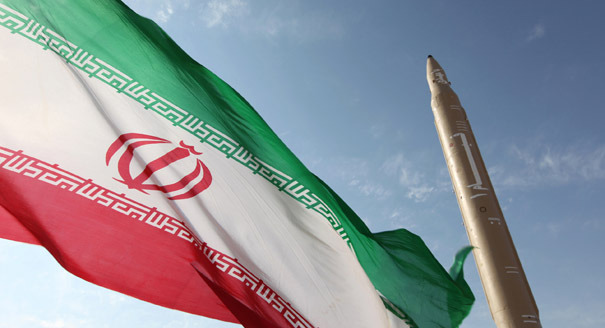
Source: Getty
The administration needs to come up with a sensible strategy to confront Iran where it challenges core U.S. interests. But playing around with a nuclear agreement is both irresponsible and dangerous.
Source: USA Today
President Trump has certified for the second time that Iran is in compliance with the 2015 nuclear accord that limits its nuclear program. But the leaks and background briefings surrounding his statement, followed by new sanctions announced Tuesday, sent unmistakable signals: The decision was taken grudgingly, Trump is increasingly unhappy with Iran and the deal, and he may be looking for a way out.
This is potentially playing with fire. The Iranian regime is repressive, a serial human rights abuser and expanding its influence in the region. Iran without nuclear weapons is a far less dangerous adversary. Unless Iran cheats big time on the agreement, there are four very good reasons why the administration would be well advised not to abandon it or take actions designed to push Iran to do so.
Signaling can be dangerous. Everything about the president’s certification, which is required every 90 days, seemed like a warning to Iran that the next time might be different. The White House put out the story that Trump spent 55 minutes of an hour-long meeting arguing against certification and that he’d been talked into approving it the first time around in April. Administration officials mentioned the additional sanctions and said they intended to strengthen enforcement policies in response to Trump’s request for a more hard-line approach...

Nonresident Senior Fellow, Russia and Eurasia Program
Richard Sokolsky is a nonresident senior fellow in Carnegie’s Russia and Eurasia Program. His work focuses on U.S. policy toward Russia in the wake of the Ukraine crisis.

Senior Fellow, American Statecraft Program
Aaron David Miller is a senior fellow at the Carnegie Endowment for International Peace, focusing on U.S. foreign policy.
Carnegie does not take institutional positions on public policy issues; the views represented herein are those of the author(s) and do not necessarily reflect the views of Carnegie, its staff, or its trustees.
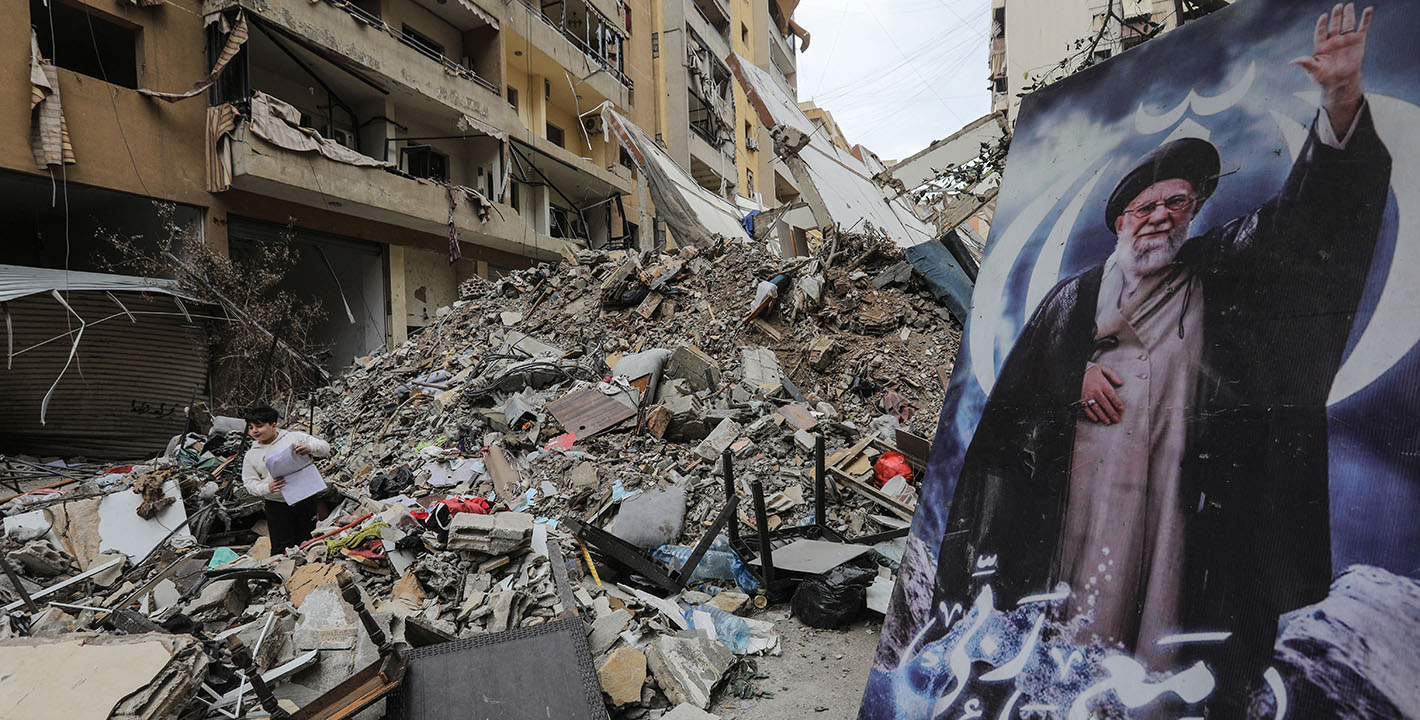
As talks begin between Washington and Tehran, Beirut has an opening to advance a regional plan for the party’s disarmament.

Michael Young
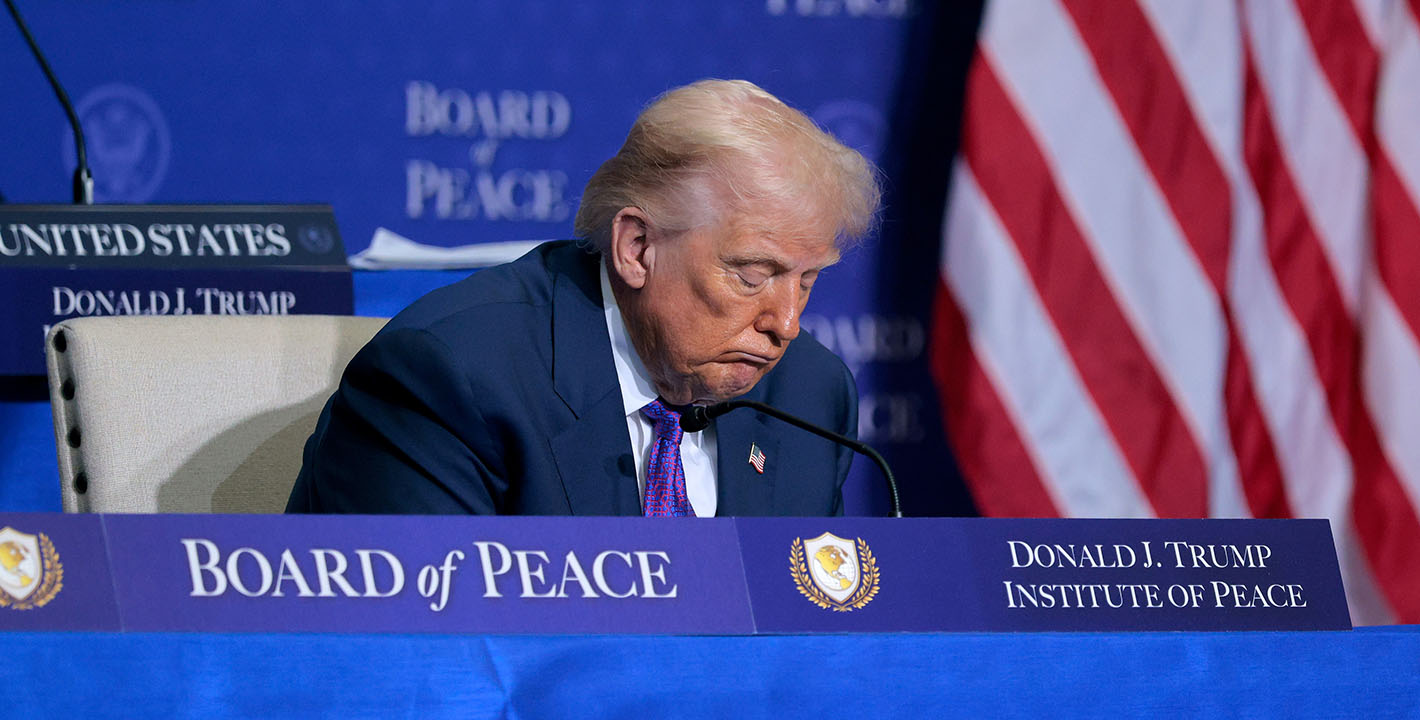
What is behind Marco Rubio’s announcement that the body is now an international nongovernmental organization?
Zaha Hassan
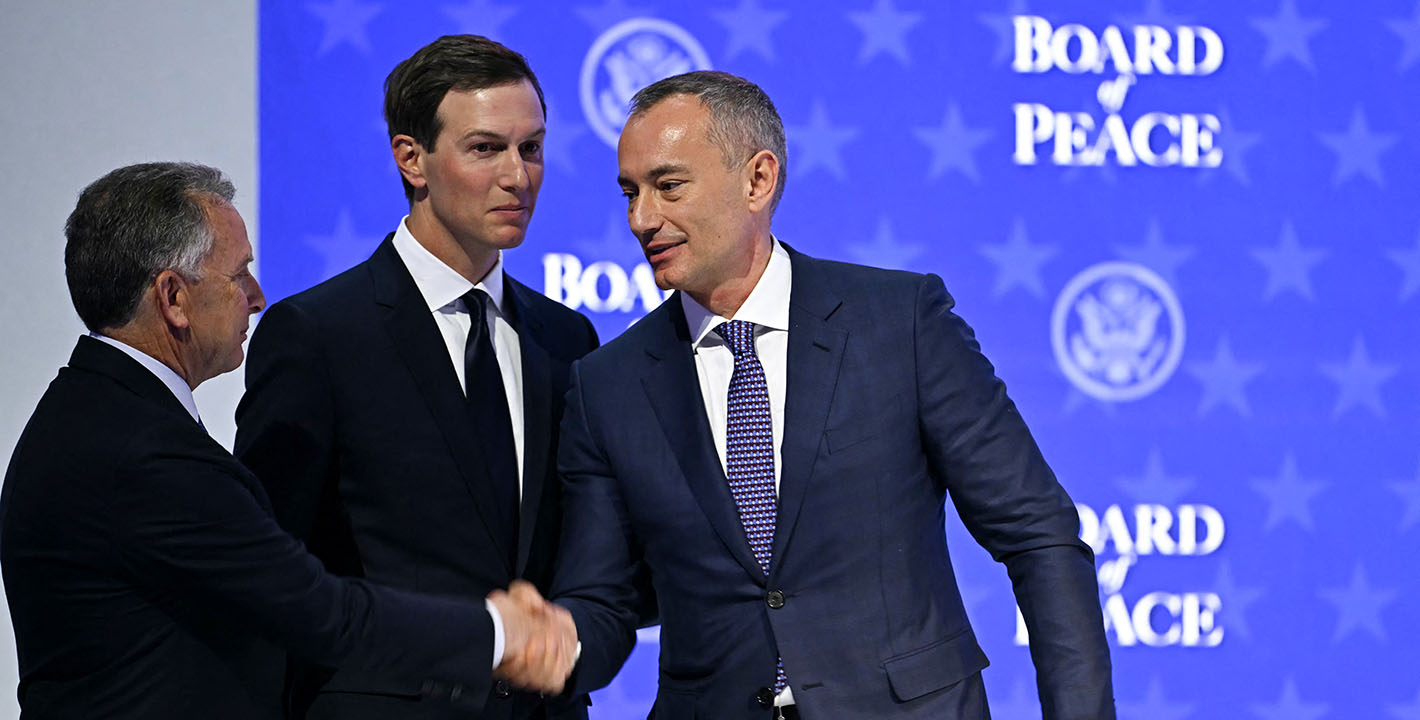
Policy discussion is ignoring that the Palestinian national project is hollowed out and apartheid is a present danger.

Nathan J. Brown
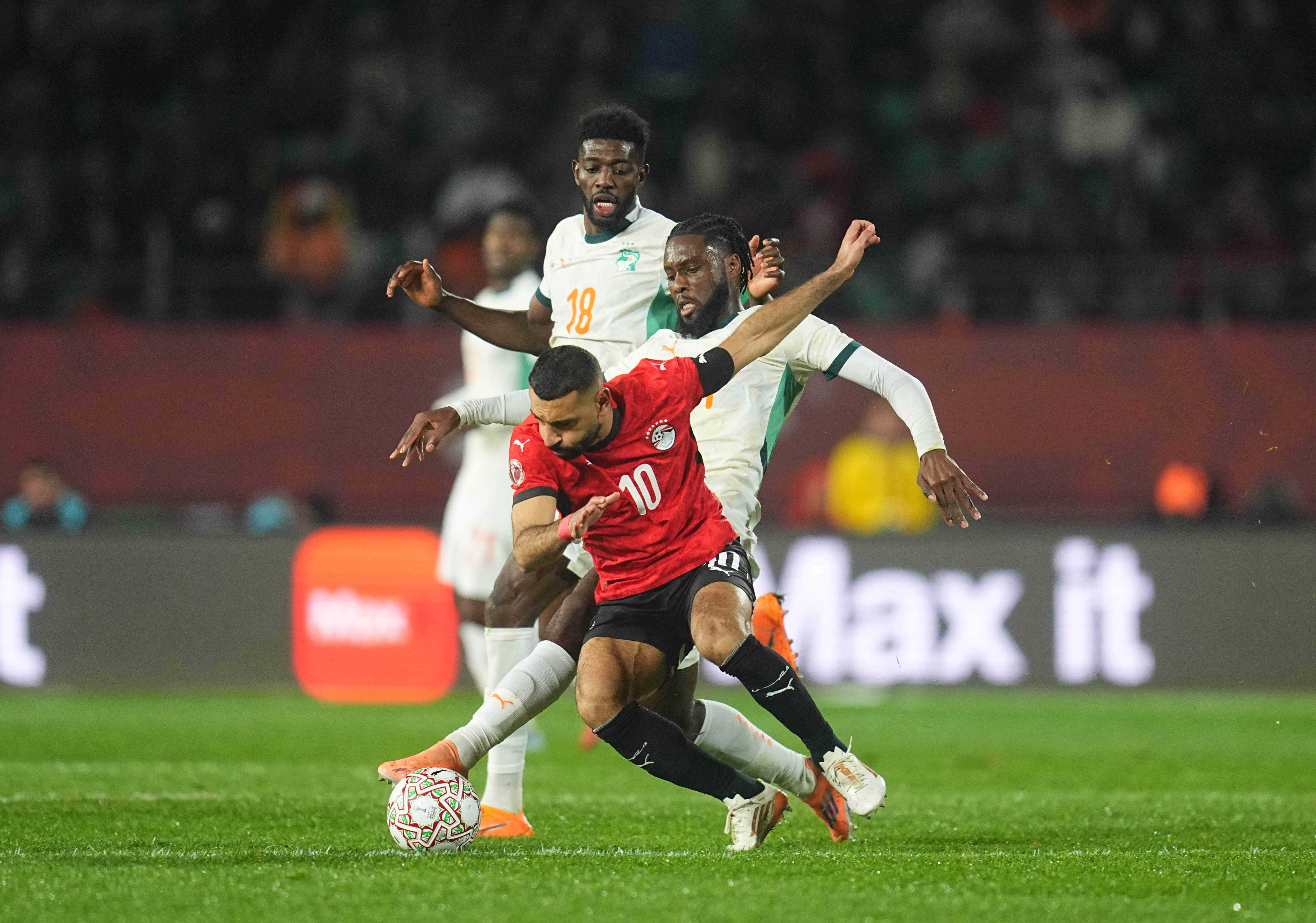
This will be the region’s most representative tournament, amid broad changes in its footballing landscape.

Issam Kayssi
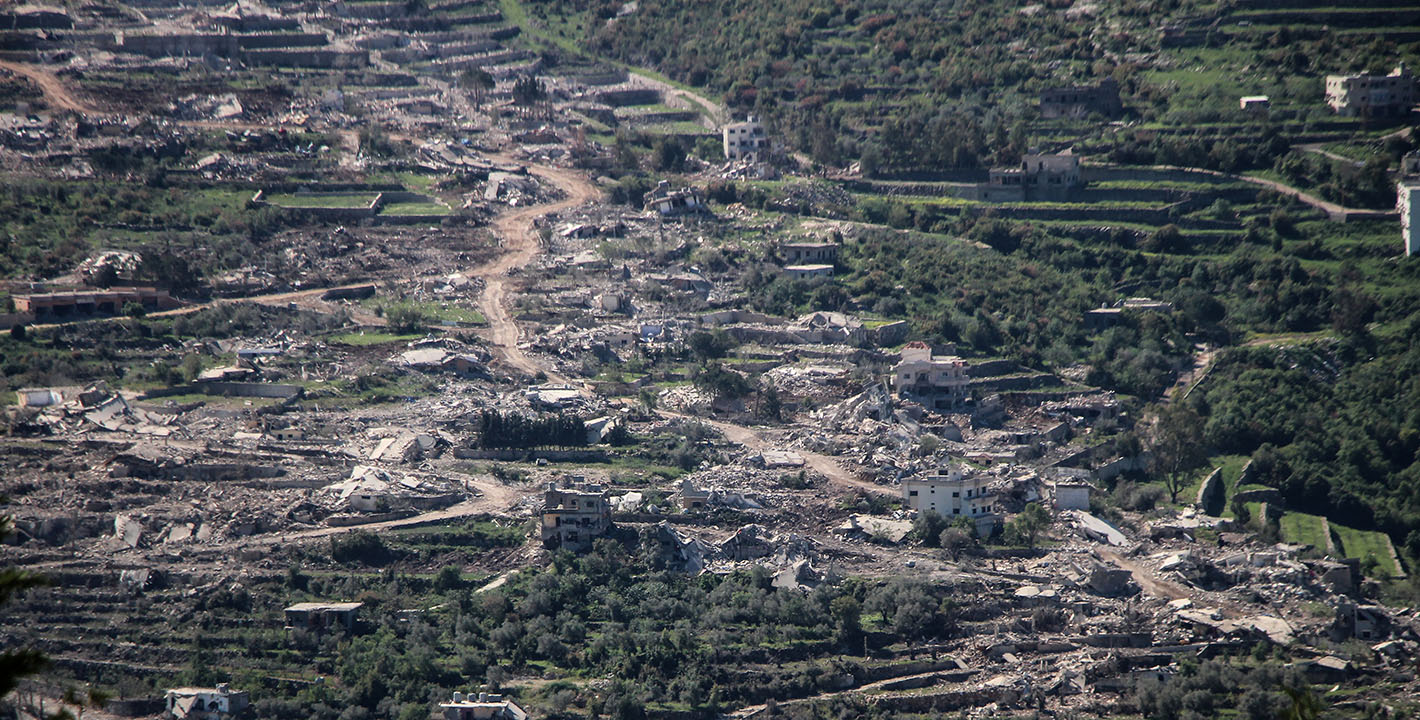
As negotiations with Iran and Lebanon continue, chaos is at the heart of the Netanyahu government’s calculations.
Michael Young