

Other
Michael D. Swaine
{
  "authors": [
    "Michael D. Swaine"
  ],
  "type": "legacyinthemedia",
  "centerAffiliationAll": "dc",
  "centers": [
    "Carnegie Endowment for International Peace",
    "Carnegie China"
  ],
  "collections": [],
  "englishNewsletterAll": "asia",
  "nonEnglishNewsletterAll": "",
  "primaryCenter": "Carnegie China",
  "programAffiliation": "AP",
  "programs": [
    "Asia"
  ],
  "projects": [],
  "regions": [
    "North America",
    "United States",
    "East Asia",
    "South Korea",
    "China",
    "Taiwan",
    "Japan"
  ],
  "topics": [
    "Foreign Policy"
  ]
}
Source: Getty
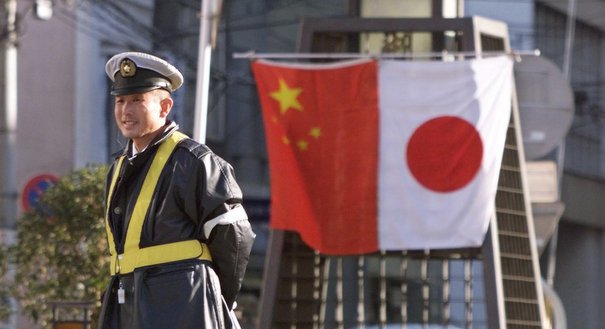
Japan wants to keep the United States close and confident, but at the same time maintain good relations with China.
Source: CGTN
Speaking on CGTN’s Dialogue With Yang Rui, Carnegie’s Michael Swaine explained that Japan, despite popular Chinese perceptions, will take a limited role as a security actor in the Western Pacific. He expressed doubts over Abe’s attempt at revising the Japanese constitution, and stated that a reinterpretation of the constitution would be a better approach for Japan. He also indicated that Chinese overreactions to Japanese actions in the South China Sea could deteriorate the security environment in the Asia-Pacific.
This interview was originally broadcast on CGTN’s Dialogue With Yang Rui.

Former Senior Fellow, Asia Program
Swaine was a senior fellow at the Carnegie Endowment for International Peace and one of the most prominent American analysts in Chinese security studies.
Recent Work
Michael D. Swaine
Michael D. Swaine
Carnegie does not take institutional positions on public policy issues; the views represented herein are those of the author(s) and do not necessarily reflect the views of Carnegie, its staff, or its trustees.
Spot analysis from Carnegie scholars on events relating to the Middle East and North Africa.

Michael Young
In an interview, Hamidreza Azizi discusses how Tehran has adapted in real time to the conflict with the United States and Israel.
Michael Young
The simple conclusion is that the scheme will bring neither peace nor prosperity, but will institutionalize devastation.

Nathan J. Brown
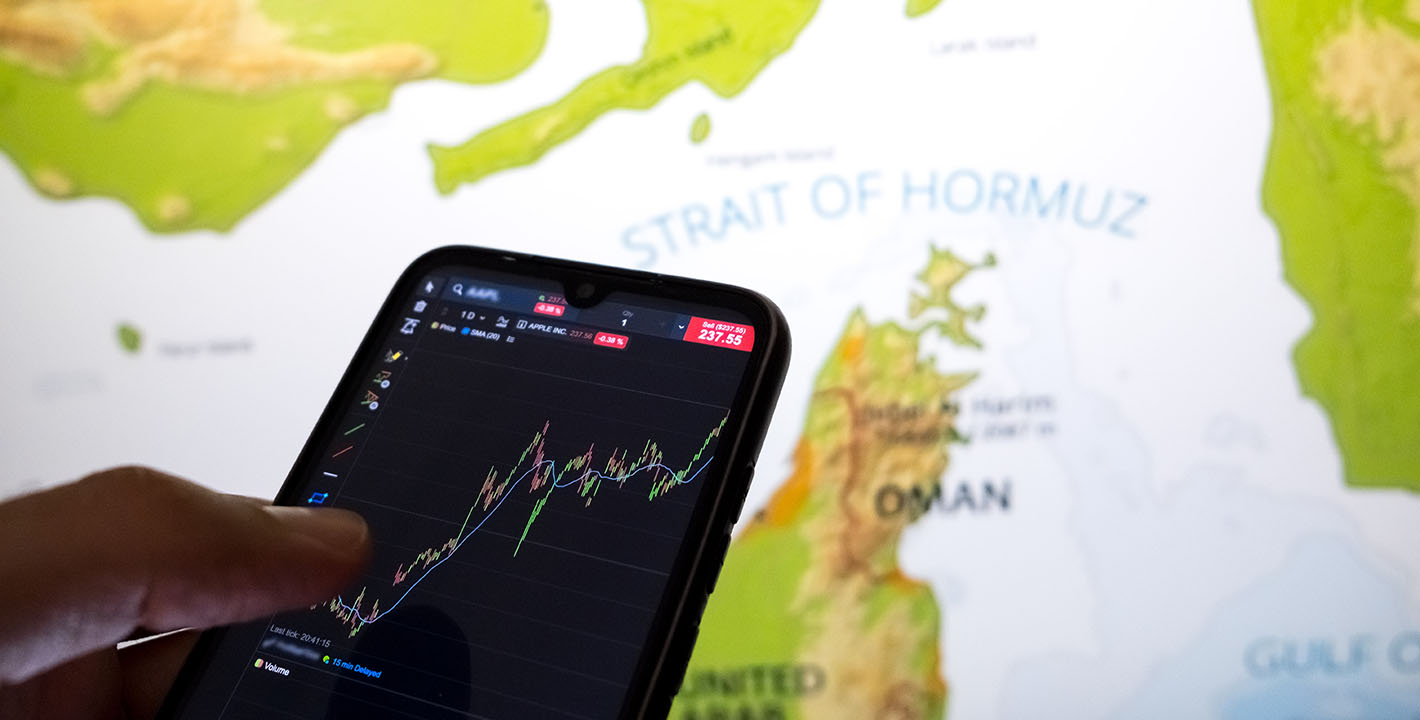
In an interview, Roger Diwan discusses where the global economy may be going in the third week of the U.S.-Israeli war with Iran.

Nur Arafeh
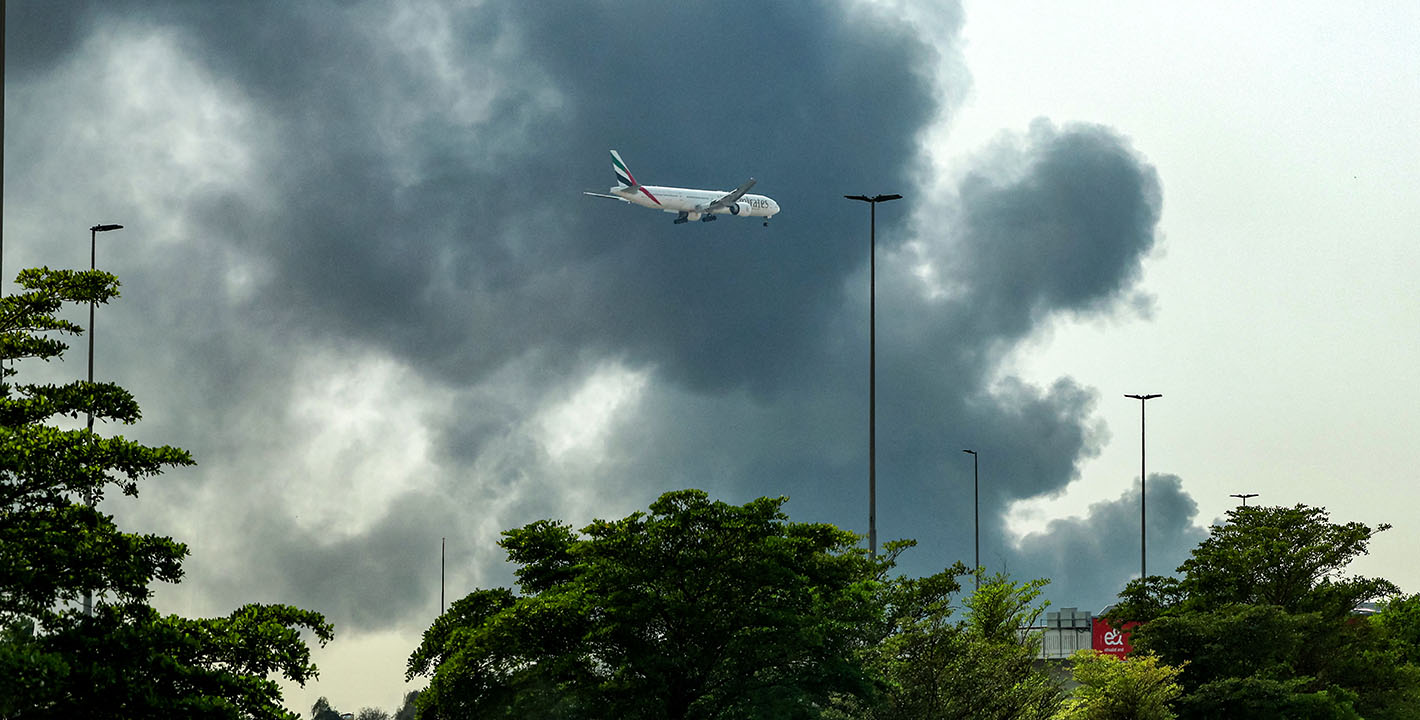
In an interview, Andrew Leber discusses the impact the U.S. and Israeli war against Iran is having on Arab Gulf states.
Michael Young