

Article
C. Raja Mohan, Darshana M. Baruah
{
  "authors": [
    "C. Raja Mohan"
  ],
  "type": "other",
  "centerAffiliationAll": "",
  "centers": [
    "Carnegie Endowment for International Peace",
    "Carnegie India"
  ],
  "collections": [],
  "englishNewsletterAll": "",
  "nonEnglishNewsletterAll": "",
  "primaryCenter": "Carnegie India",
  "programAffiliation": "",
  "programs": [],
  "projects": [],
  "regions": [
    "United States",
    "Asia",
    "South Asia",
    "India",
    "North America",
    "East Asia",
    "Southeast Asia"
  ],
  "topics": [
    "Foreign Policy"
  ]
}
Source: Getty
The durability of the Indo-Pacific dynamic will depend essentially on New Delhi’s willingness to work with the United States and its allies in the region.
Source: Institute of South Asian Studies
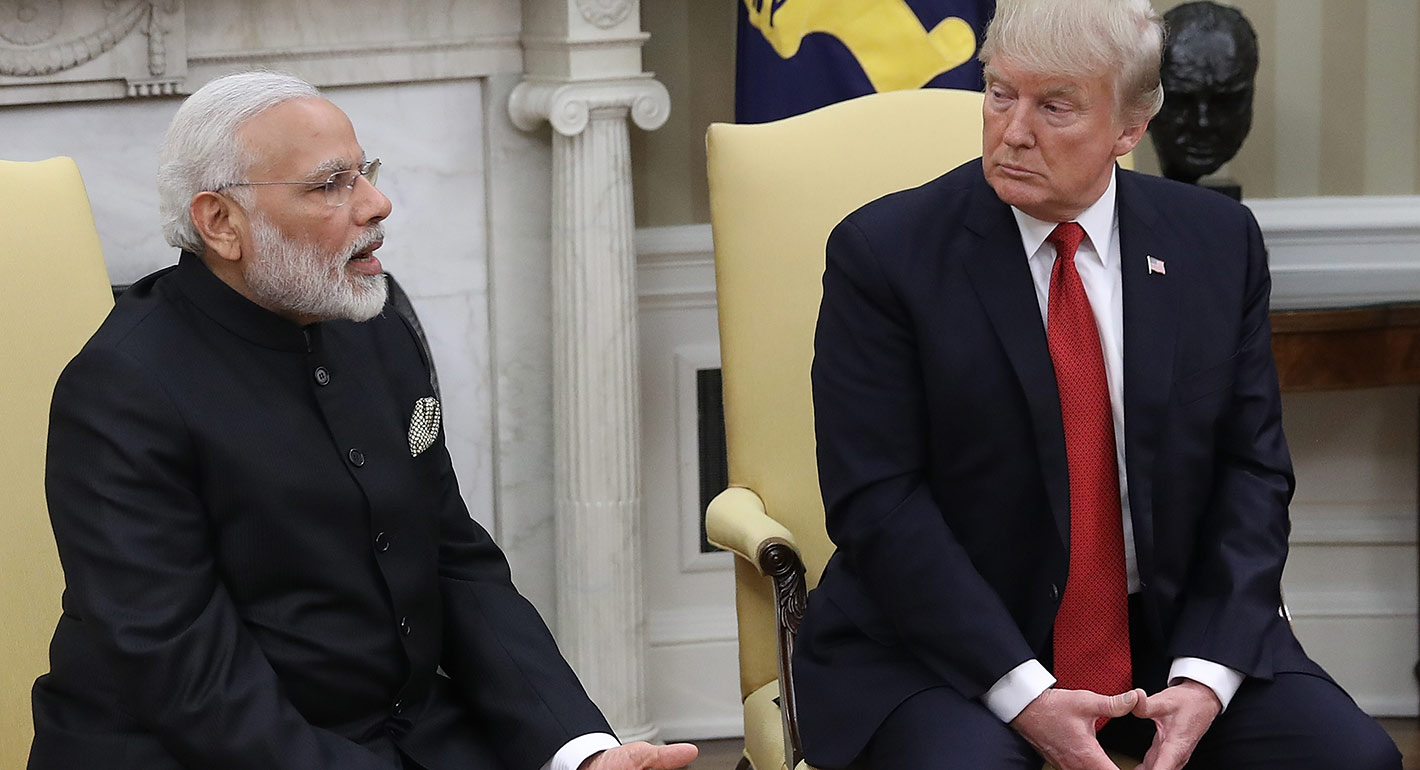
One of the new dynamics of the gathering geopolitical turbulence in Asia and its waters is the growing use of the term ‘Indo-Pacific’. During his extended visit to Asia in November 2017, United States (US) President Donald Trump has defined the region as ‘Indo-Pacific’ rather than the customary ‘Asia-Pacific’. Concepts of geopolitical space are never static, and Trump’s emphasis on the Indo-Pacific underlines the rise of India, China’s assertiveness and its expanding footprint in the Indian Ocean, as well as Washington’s plans to elevate its strategic partnership with New Delhi. It involves America’s strategic bet on India’s future role in shaping the security architecture in the eastern hemisphere. Actively promoted in recent years by Japanese Prime Minister Shinzo Abe, the Indo-Pacific conception can be traced back to the decision of the Association of Southeast Asian Nations to invite India as a founding member of the East Asia Summit in 2005. The durability of the Indo-Pacific dynamic, however, will depend essentially on New Delhi’s willingness to work with the US and its allies in the region.
Former Nonresident Senior Fellow, Carnegie India
A leading analyst of India’s foreign policy, Mohan is also an expert on South Asian security, great-power relations in Asia, and arms control.
Recent Work

C. Raja Mohan, Darshana M. Baruah


Alexander Gabuev, Paul Haenle, C. Raja Mohan, …
Carnegie does not take institutional positions on public policy issues; the views represented herein are those of the author(s) and do not necessarily reflect the views of Carnegie, its staff, or its trustees.
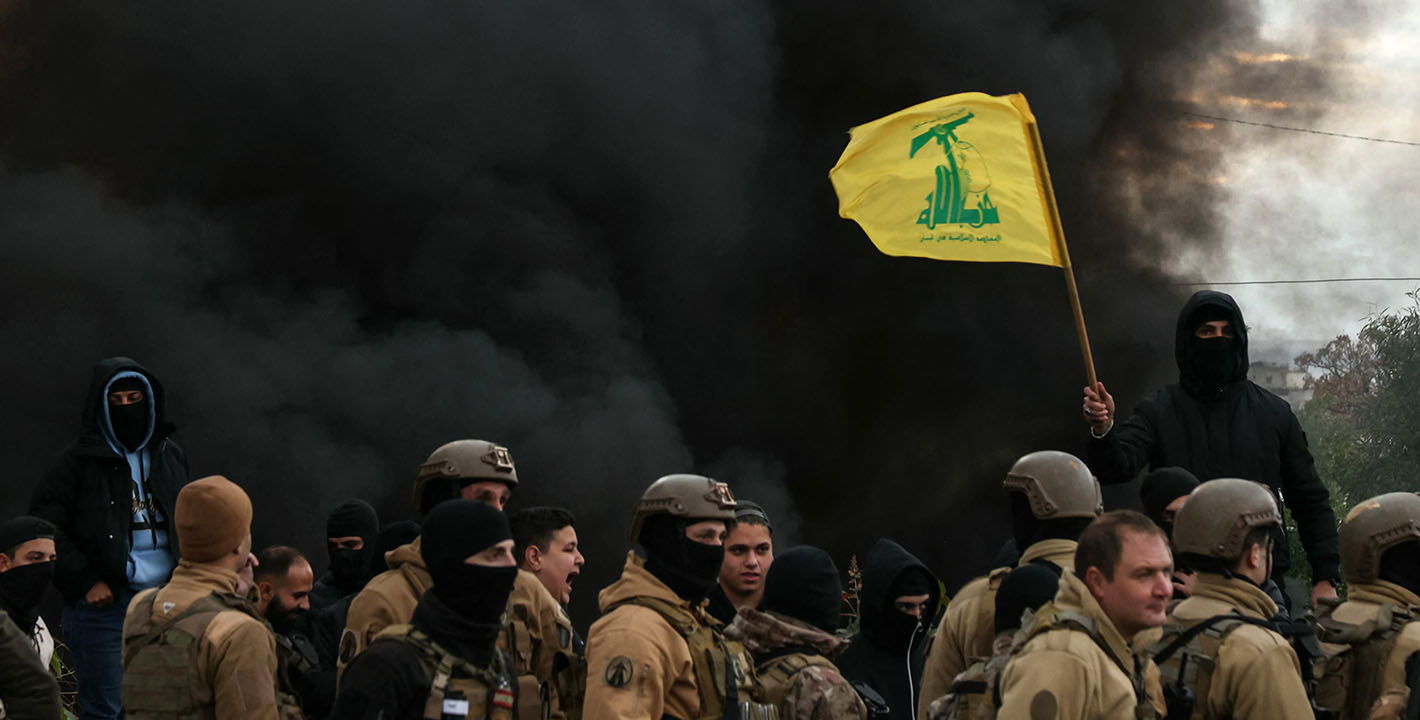
The party’s domestic and regional roles have changed, so Lebanon should devise a disarmament strategy that encompasses this.

Michael Young
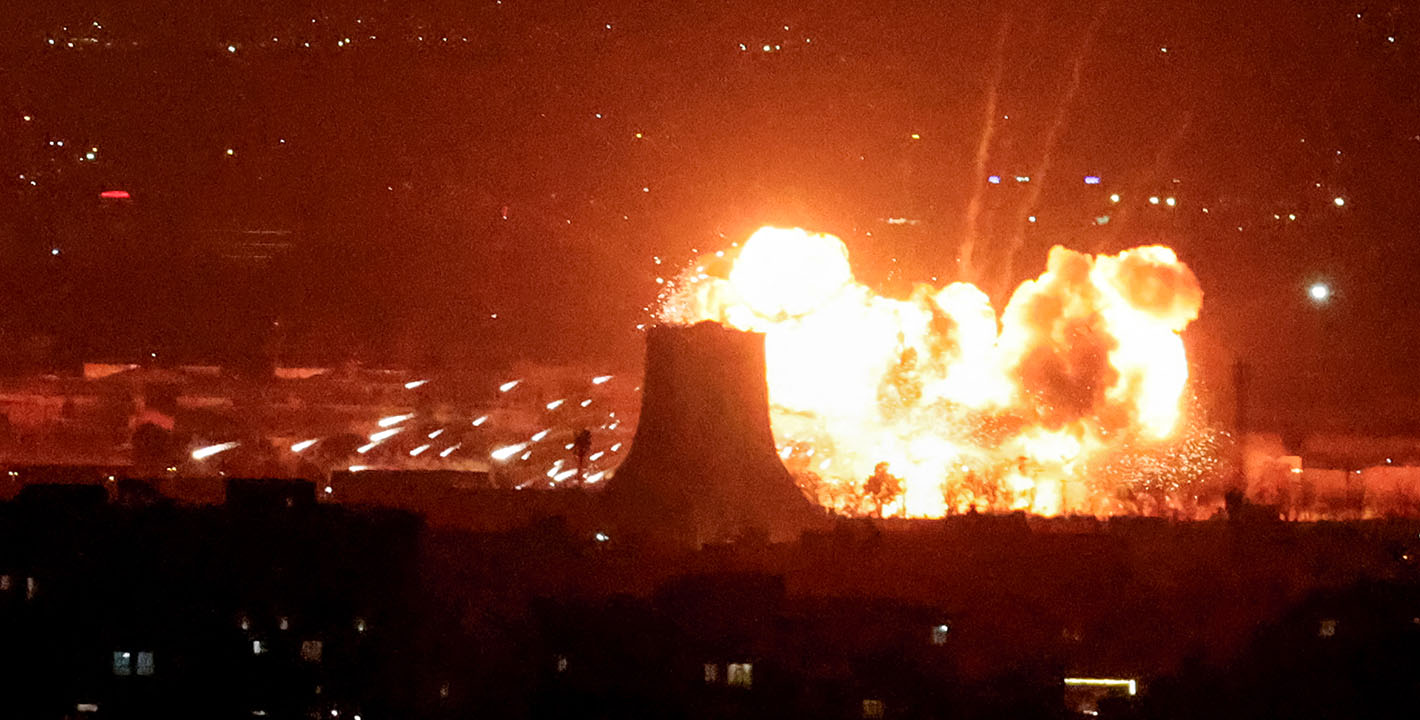
In an interview, Marc Lynch discusses his new book decrying the post-1990 U.S.-dominated order in the Middle East.
Michael Young

Because perpetual conflict enhances control, offers economic benefits, and allows leaders to ignore popular preferences.

Angie Omar
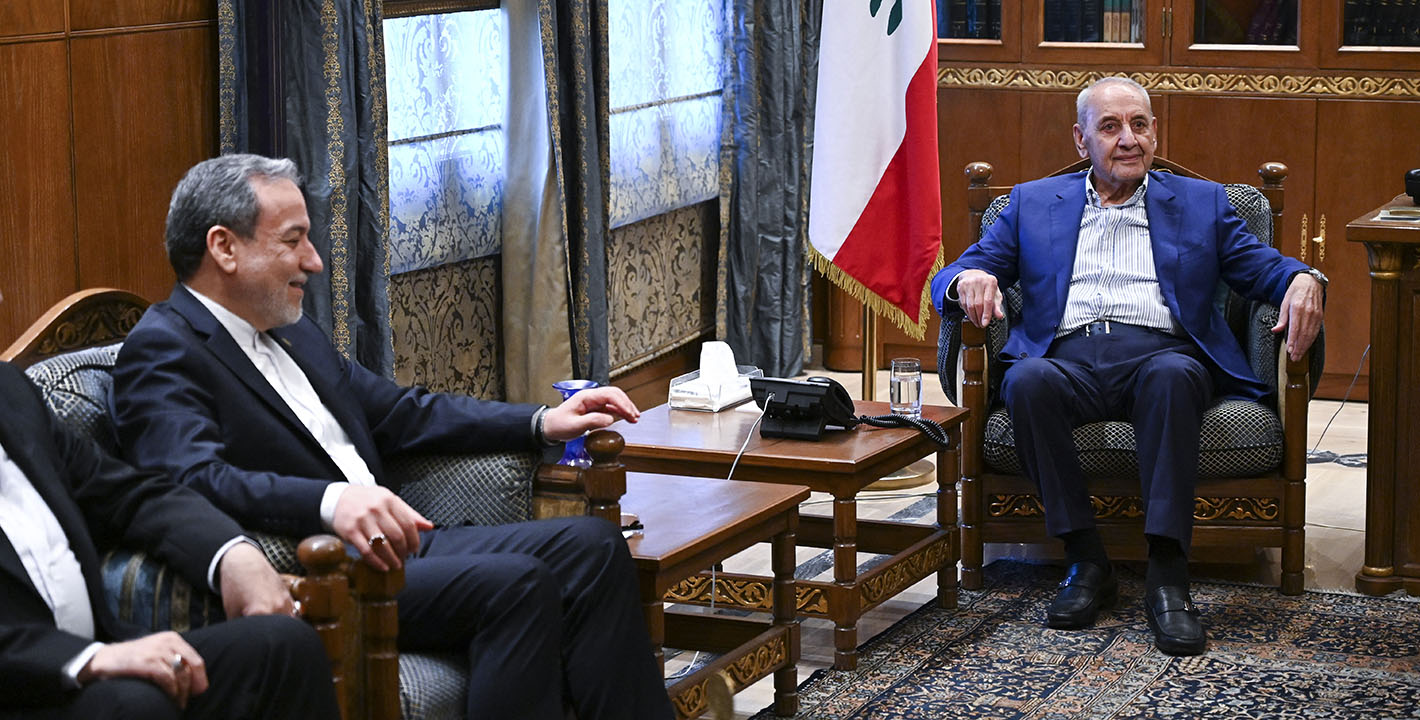
A prerequisite of serious talks is that the country’s leadership consolidates majority national support for such a process.
Michael Young
In an interview, Jim Lamson discusses the ongoing regional conflict and sees an unclear picture when it comes to winners and losers.
Michael Young