• Research
  • Diwan
  • About
  • Experts
Carnegie Middle East logoCarnegie lettermark logo
LebanonIran
{
  "authors": [
    "Matthew T. Page"
  ],
  "type": "other",
  "centerAffiliationAll": "dc",
  "centers": [
    "Carnegie Endowment for International Peace"
  ],
  "collections": [
    "Violence and Conflict"
  ],
  "englishNewsletterAll": "democracy",
  "nonEnglishNewsletterAll": "",
  "primaryCenter": "Carnegie Endowment for International Peace",
  "programAffiliation": "DCG",
  "programs": [
    "Democracy, Conflict, and Governance"
  ],
  "projects": [],
  "regions": [
    "Southern, Eastern, and Western Africa",
    "East Asia",
    "China"
  ],
  "topics": [
    "Democracy",
    "Economy",
    "Trade",
    "Security"
  ]
}

Source: Getty

Other

The Intersection of China’s Commercial Interests and Nigeria’s Conflict Landscape

China’s strategic interests in Nigeria are deeply intertwined with the country’s complicated conflict landscape, and Chinese commercial activities have both constructive and potentially destabilizing effects on Nigeria’s peace and security.

Link Copied
By Matthew T. Page
Published on Sep 5, 2018

Source: United States Institute of Peace

Like Washington, Beijing has an abiding strategic interest in promoting stability and security in Nigeria—the largest economy in Africa, a major oil and gas producer, and on track to become the world’s third most populous country by 2050. Yet from the Boko Haram insurgency in its northeast to farmer-herder clashes in its Middle Belt region and militancy in the oil-rich Niger Delta, insecurity undermines Nigeria’s socioeconomic development. This Special Report examines how China’s economic interests intersect with Nigeria’s complicated conflict landscape.

Summary

  • The foundation of China’s strategic interest in Nigeria is its robust commercial and investment footprint—especially the thriving bilateral trading relationship. Nigeria’s strategic importance as an export destination, source of oil outside the Middle East, and home to a growing consumer population means that it will continue to receive special attention from Beijing.
  • Nigeria remains one of the world’s most challenging business environments, even for risk-tolerant Chinese entrepreneurs. Despite this, many Chinese-owned small businesses and larger companies have prospered and are contributing to Nigeria’s socioeconomic development—and thus the overall security and stability of Africa’s most populous country.
  • Nevertheless, practices associated with some Chinese enterprises—especially bribery and involvement in illegal mining, logging, and fishing—are problematic and potentially destabilizing. Although these activities rarely spark violence themselves, they exacerbate homegrown conflict drivers such as resource competition, misgovernance, and policing failures.
  • Like Washington, Beijing has an abiding strategic interest in promoting stability and security in Nigeria, one of the world’s most conflict-prone states. By working with Nigerian and Chinese counterparts as well as private-sector actors, U.S. policymakers could help rein in problematic business practices and promote responsible ones while exploring new collaborative opportunities for U.S. investment in Nigeria.

Read Full Text

This report was originally published by the U.S. Institute of Peace.

About the Author

Matthew T. Page

Former Nonresident Scholar, Democracy, Conflict, and Governance Program

Matthew T. Page was a nonresident scholar at the Carnegie Endowment for International Peace.

    Recent Work

  • Commentary
    The Two Voting Blocs That Could Transform Nigerian Politics

      Matthew T. Page, Feyi Fawehinmi

  • Paper
    Halting the Kleptocratic Capture of Local Government in Nigeria

      Matthew T. Page, Abdul H. Wando

Matthew T. Page
Former Nonresident Scholar, Democracy, Conflict, and Governance Program
Matthew T. Page
DemocracyEconomyTradeSecuritySouthern, Eastern, and Western AfricaEast AsiaChina

Carnegie does not take institutional positions on public policy issues; the views represented herein are those of the author(s) and do not necessarily reflect the views of Carnegie, its staff, or its trustees.

More Work from Malcolm H. Kerr Carnegie Middle East Center

  • people watching smoke rising at sunrise from rooftops
    Commentary
    Emissary
    Bombing Campaigns Do Not Bring About Democracy. Nor Does Regime Change Without a Plan.

    Just look at Iraq in 1991.

      Marwan Muasher

  • Commentary
    Carnegie Politika
    Baku Proceeds With Caution as Ethnic Azeris Join Protests in Neighboring Iran

    Baku may allow radical nationalists to publicly discuss “reunification” with Azeri Iranians, but the president and key officials prefer not to comment publicly on the protests in Iran.

      Bashir Kitachaev
  • Commentary
    Diwan
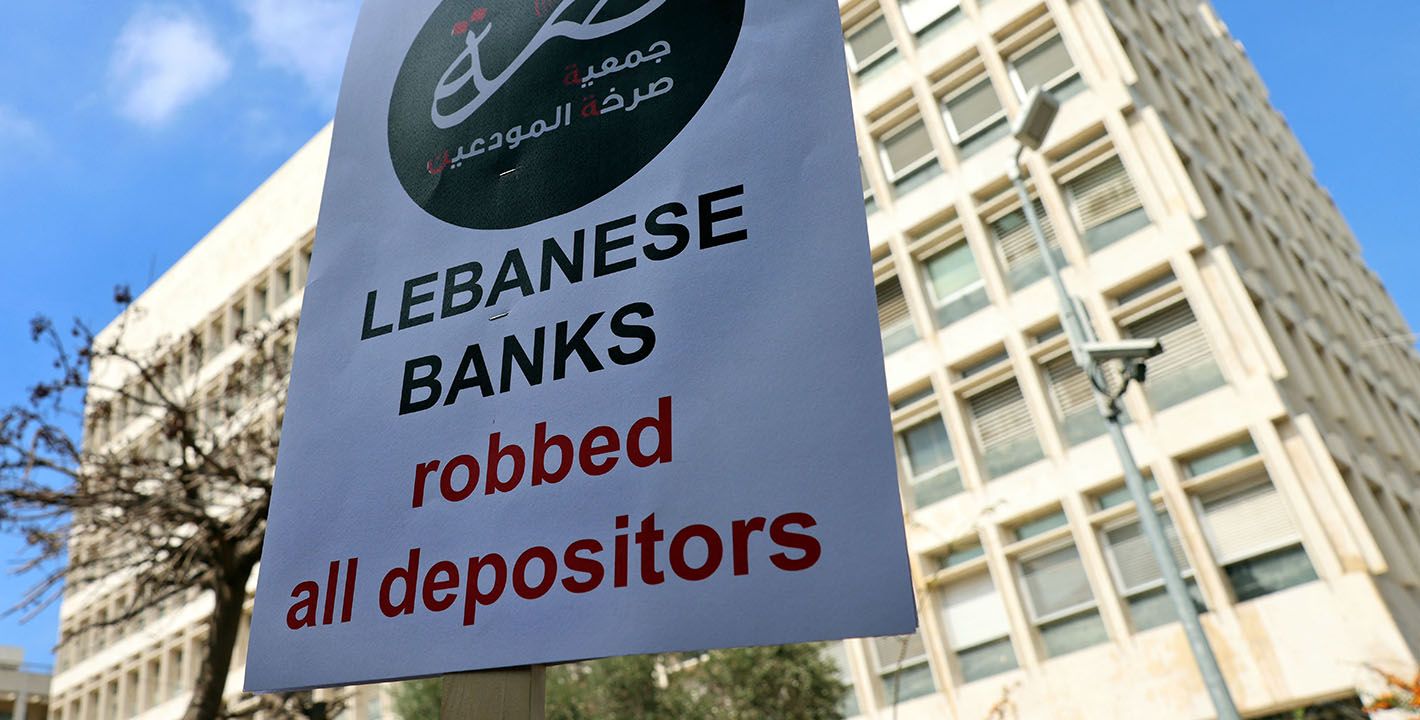
    Unpacking Lebanon’s Gap Law

    In an interview, Ishac Diwan looks at the merits and flaws in the draft legislation distributing losses from the financial collapse.

      Michael Young

  • Commentary
    Diwan
    Has Sisi Found a Competent Military Entrepreneur?

    Mustaqbal Misr has expanded its portfolio with remarkable speed, but a lack of transparency remains.

      Yezid Sayigh

  • Research
    Arab Diaspora Business Communities in Egypt

    Arab diaspora business communities in Egypt often mirror the same systemic challenges facing Egyptian businesses.

      • +4

      Nur Arafeh, Yezid Sayigh, Qaboul al-Absi, …

Get more news and analysis from
Malcolm H. Kerr Carnegie Middle East Center
Carnegie Middle East logo, white
  • Research
  • Diwan
  • About
  • Experts
  • Projects
  • Events
  • Contact
  • Careers
  • Privacy
  • For Media
Get more news and analysis from
Malcolm H. Kerr Carnegie Middle East Center
© 2026 Carnegie Endowment for International Peace. All rights reserved.





