

Research
- +10
Jarrett Blanc, Thomas de Waal, Karim Sadjadpour, …
{
  "authors": [
    "Jarrett Blanc"
  ],
  "type": "legacyinthemedia",
  "centerAffiliationAll": "dc",
  "centers": [
    "Carnegie Endowment for International Peace"
  ],
  "collections": [
    "Iranian Proliferation"
  ],
  "englishNewsletterAll": "americanStatecraft",
  "nonEnglishNewsletterAll": "",
  "primaryCenter": "Carnegie Endowment for International Peace",
  "programAffiliation": "ASP",
  "programs": [
    "American Statecraft"
  ],
  "projects": [],
  "regions": [
    "North America",
    "United States",
    "Middle East",
    "Iran",
    "East Asia",
    "China"
  ],
  "topics": [
    "Economy",
    "Trade",
    "Security",
    "Foreign Policy",
    "Nuclear Policy"
  ]
}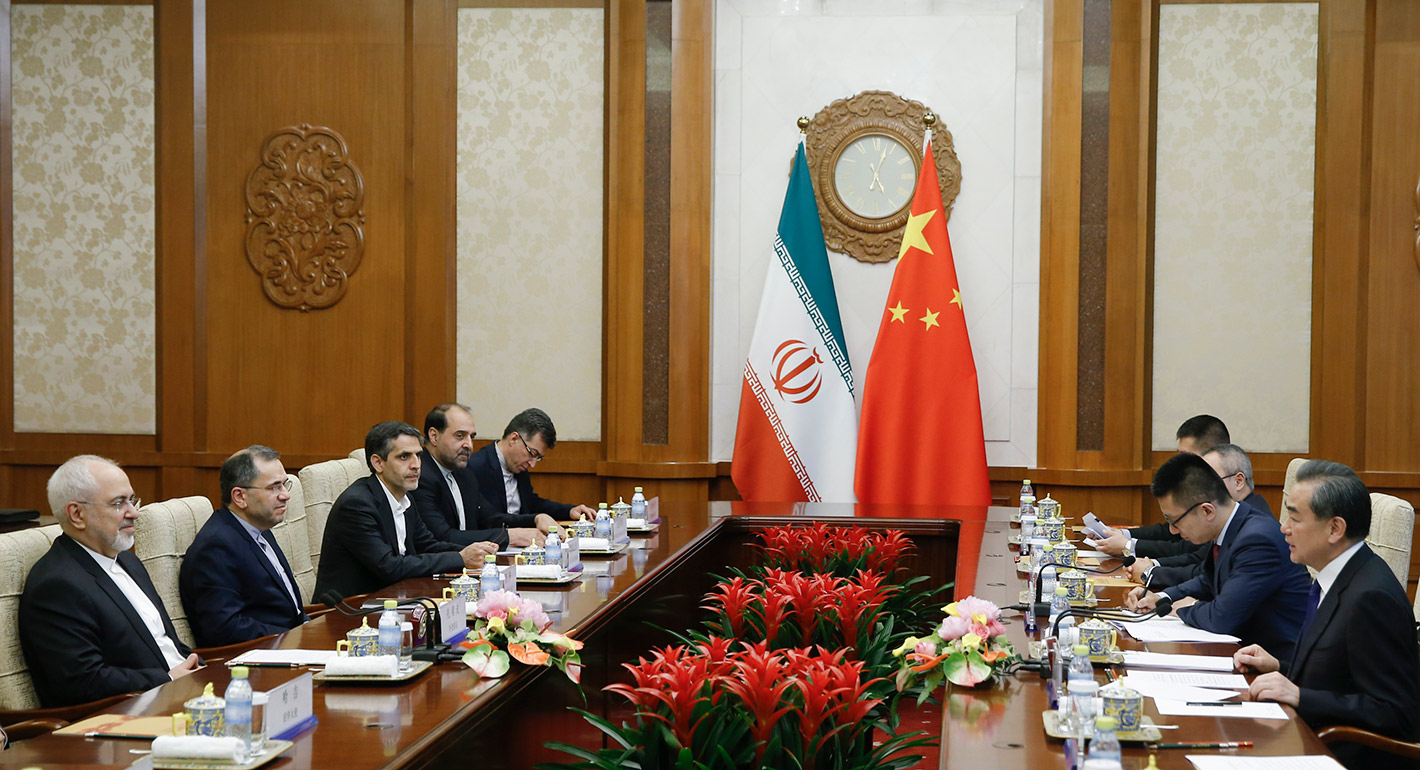
Source: Getty
Early next month, the U.S. will re-impose sanctions on Iran that had been lifted under the Iran nuclear deal. China’s largest oil refiners may also stop importing Iranian oil in November, which will effect Iran’s economy.
Source: Axios
On Nov. 4, the U.S. will re-impose sanctions on Iran that had been lifted under the Iran nuclear deal. In response, the Bank of Kunlun, which handles China’s financial transactions with Iran, informed customers that on Nov. 1 it will stop processing them. China’s largest oil refiners, Sinopec and China National Petroleum Corporation (CNPC), may also stop importing Iranian oil in November.
Why it matters: China is Iran’s largest oil importer and most important trading partner. Because China is better insulated from U.S. sanctions than other major importers, Iran could avoid the worst economic effects of U.S. sanctions if China continues buying its oil. But if China cuts back, Iran will likely pull out of the nuclear deal, leaving it free to resume an unrestricted nuclear program.
The background: Nevertheless, Chinese government officials have been deeply critical of President Trump’s nuclear deal withdrawal. At the UN Security Council's September meeting, Foreign Minister Wang stressed economic sovereignty and defended “the legitimate right of all countries to normal economic relations and trade with Iran.”
There are three ways to think about China’s latest moves:
The bottom line: In any case, the Trump administration has succeeded in creating the impression that China bowed to U.S. pressure, something China was careful to avoid when it substantially reduced Iranian oil purchases under President Obama. By acting before Trump’s November deadline and leaking waiver requests, China has made, in principle, an important concession.
Former Senior Fellow, Geoeconomics and Strategy Program
Jarrett Blanc was a senior fellow in the Geoeconomics and Strategy Program at the Carnegie Endowment for International Peace.
Recent Work


Jarrett Blanc, Thomas de Waal, Karim Sadjadpour, …

Dan Baer, Rosa Balfour, Jarrett Blanc, …
Carnegie does not take institutional positions on public policy issues; the views represented herein are those of the author(s) and do not necessarily reflect the views of Carnegie, its staff, or its trustees.

In an interview, Ian Lustick and Eli Clifton discuss their new book on why a prominent ally has so much influence in America.

Michael Young

As the U.S. stumbles in its war with Iran, we are likely to see an acceleration of its disengagement from the region.
Michael Young

Middle Eastern states should welcome an accelerated U.S. disengagement from their region.
Michael Young

In an interview, former ambassador Charles Freeman assesses the Trump administration’s war against Iran.
Michael Young

The accord represents a pivotal moment in the region to avert a security vacuum in the Gulf.


Azeema Cheema, Mohanad Hage Ali