

Commentary
Municipal elections in the city may be a harbinger of developments in the Sunni community.
Issam Kayssi
{
  "authors": [
    "Suyash Rai",
    "Anirudh Burman"
  ],
  "type": "legacyinthemedia",
  "centerAffiliationAll": "",
  "centers": [
    "Carnegie Endowment for International Peace",
    "Carnegie India"
  ],
  "collections": [],
  "englishNewsletterAll": "",
  "nonEnglishNewsletterAll": "",
  "primaryCenter": "Carnegie India",
  "programAffiliation": "",
  "programs": [],
  "projects": [
    "Political Economy"
  ],
  "regions": [
    "India",
    "South Asia"
  ],
  "topics": [
    "Domestic Politics",
    "Democracy"
  ]
}
Source: Getty
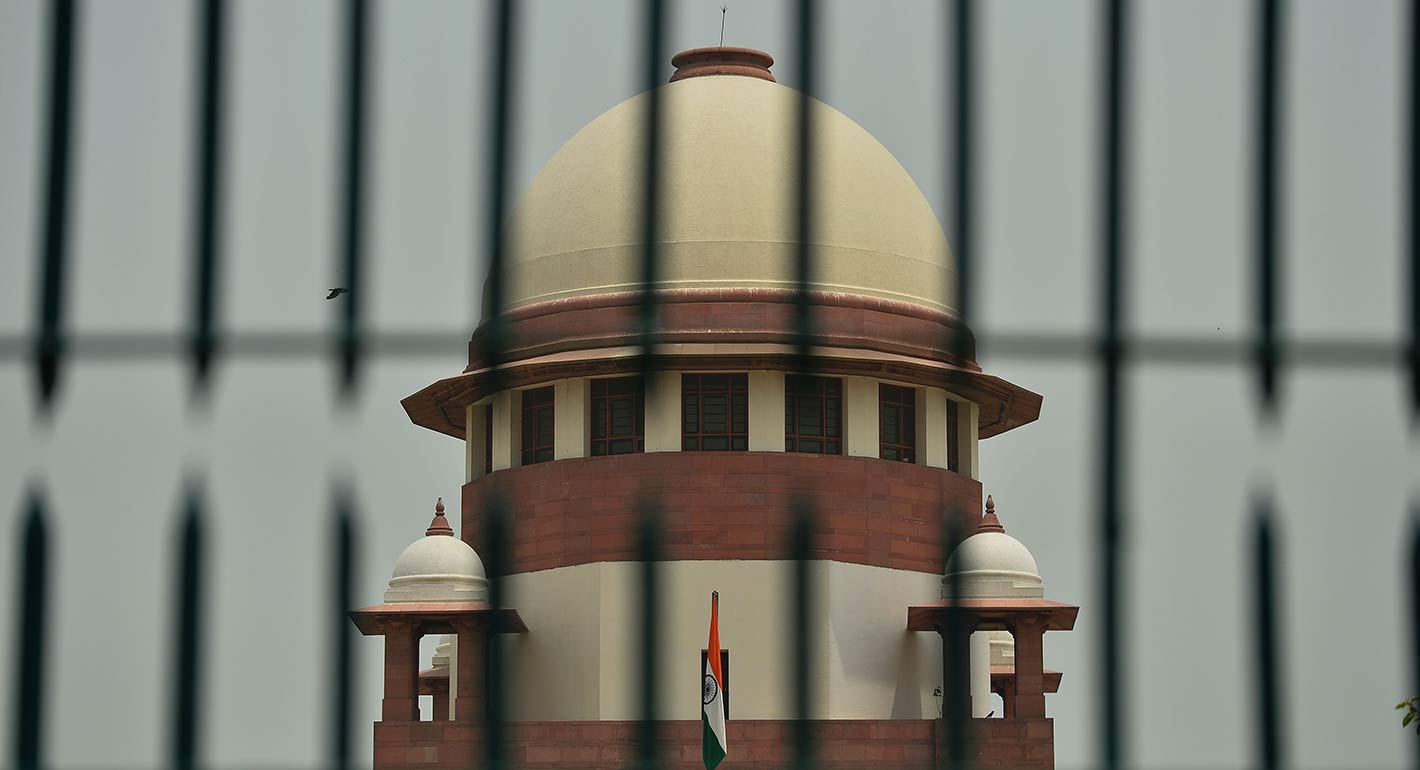
In recent years, some of the most dramatic situations in Indian public life have arisen in the higher judiciary—an arm of the state ideally characterized by collegiality, scholarship, predictability, and remoteness from raucous politics.
Source: Print
In recent years, some of the most dramatic situations in Indian public life have arisen in the higher judiciary – an arm of the state ideally characterised by collegiality, scholarship, predictability, and remoteness from raucous politics.
From the disregard of principles of natural justice and public squabbling among the judges to the politically consequential activism around the National Register of Citizens (NRC) and unpredictable reasoning in judgments (treatment of money bill argument in the Aadhaar case, and ignoring of evidence of low fatalities in the liquor ban case), the reality of the higher judiciary is increasingly divergent from the ideal conception. These situations also remind us how difficult it is to hold the higher judiciary accountable.
Former Fellow, Carnegie India
Suyash Rai was a fellow at Carnegie India. His research focuses on the political economy of economic reforms, and the performance of public institutions in India.

Former Associate Research Director and Fellow, Carnegie India
Anirudh Burman was an associate research director and fellow at Carnegie India. He works on key issues relating to public institutions, public administration, the administrative and regulatory state, and state capacity.
Carnegie does not take institutional positions on public policy issues; the views represented herein are those of the author(s) and do not necessarily reflect the views of Carnegie, its staff, or its trustees.
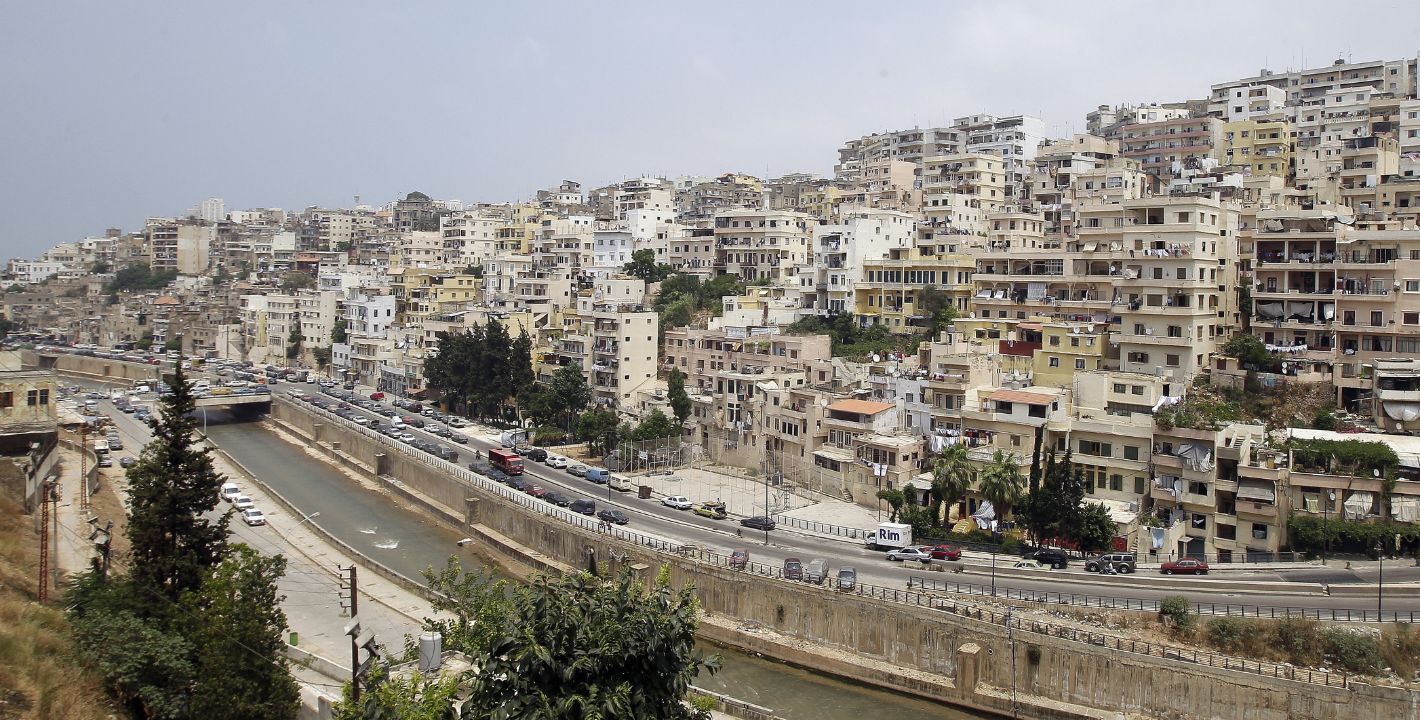
Municipal elections in the city may be a harbinger of developments in the Sunni community.

Issam Kayssi
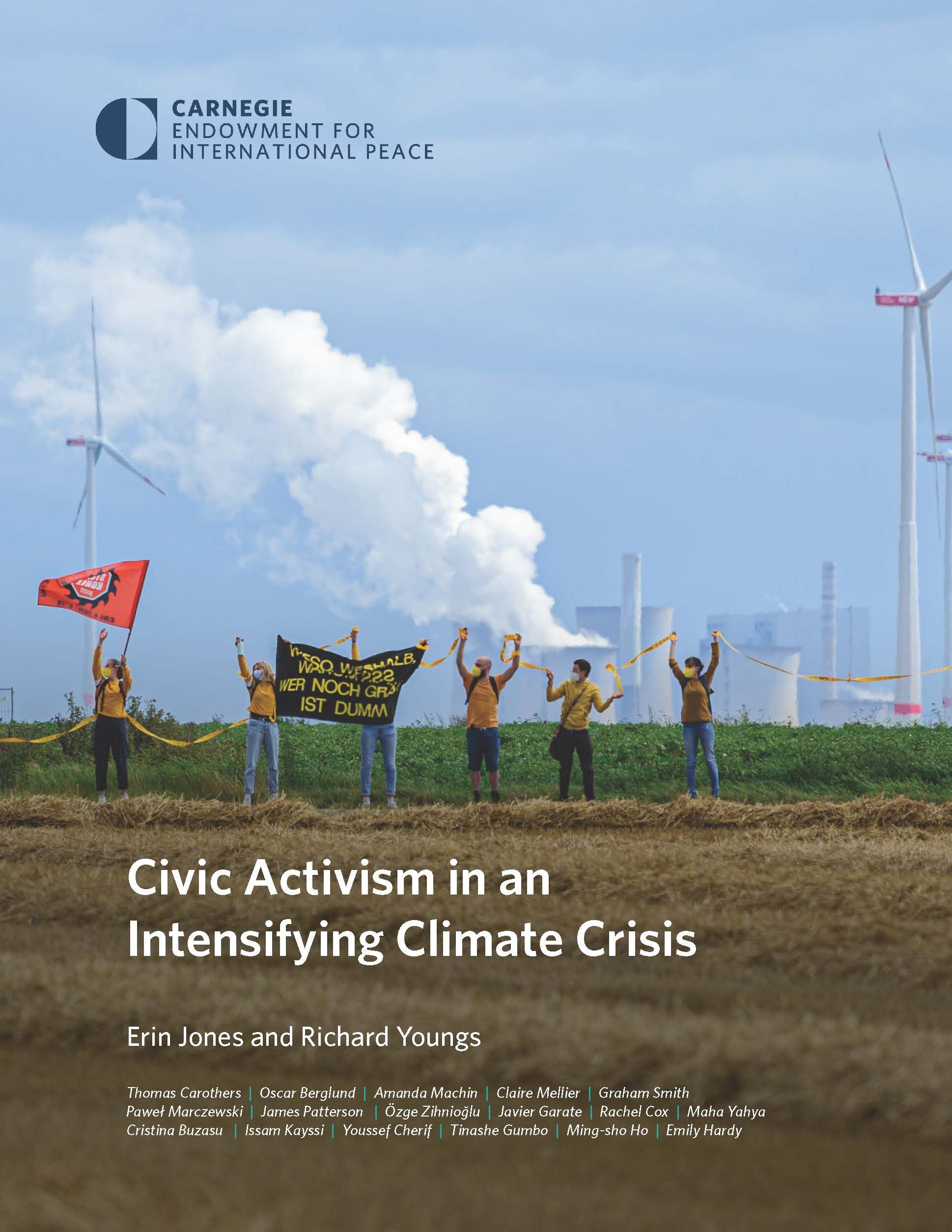
To address the deepening climate crisis, climate activism is employing a wider variety of tactics and aiming at a broader set of goals. In response, the movement faces stronger repression and civic backlash against climate action.

Erin Jones, Richard Youngs
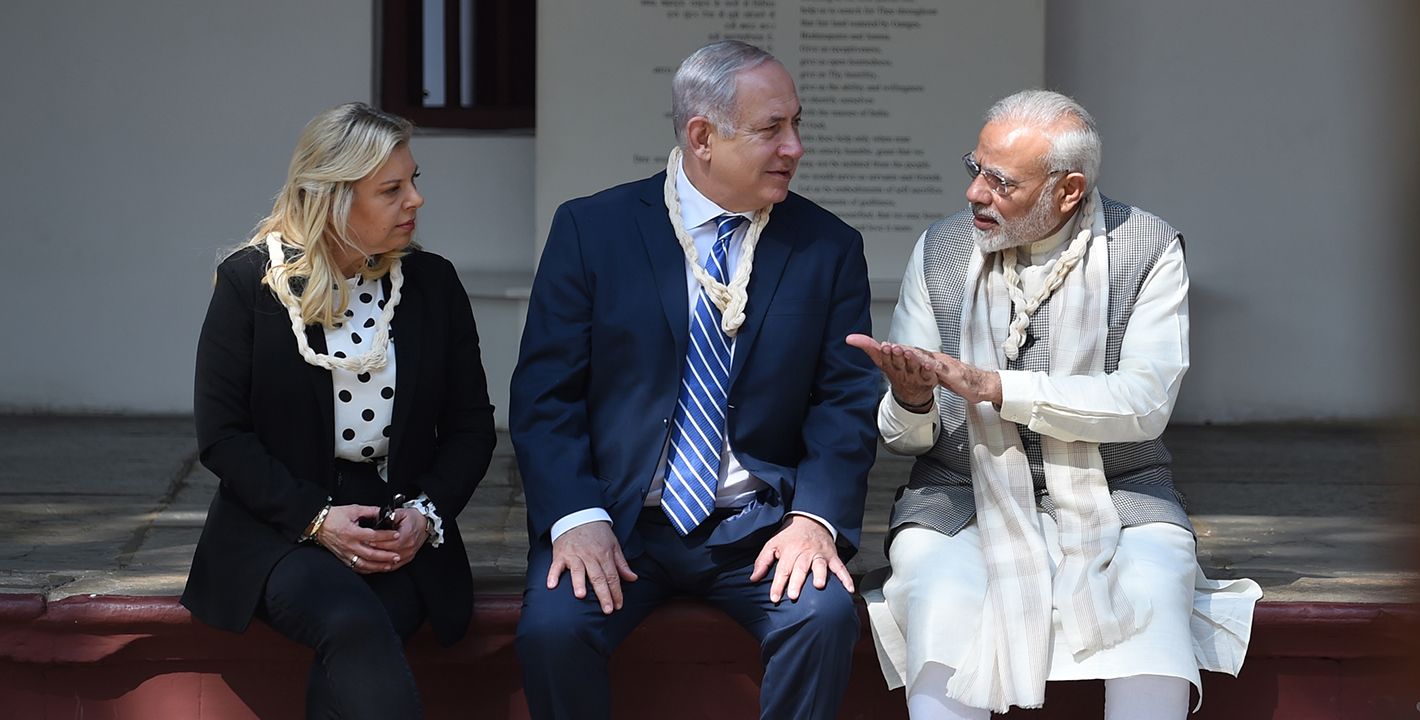
In an interview, Abhinav Pandya discusses the multiple facets of India’s ties with the Middle East.

Armenak Tokmajyan
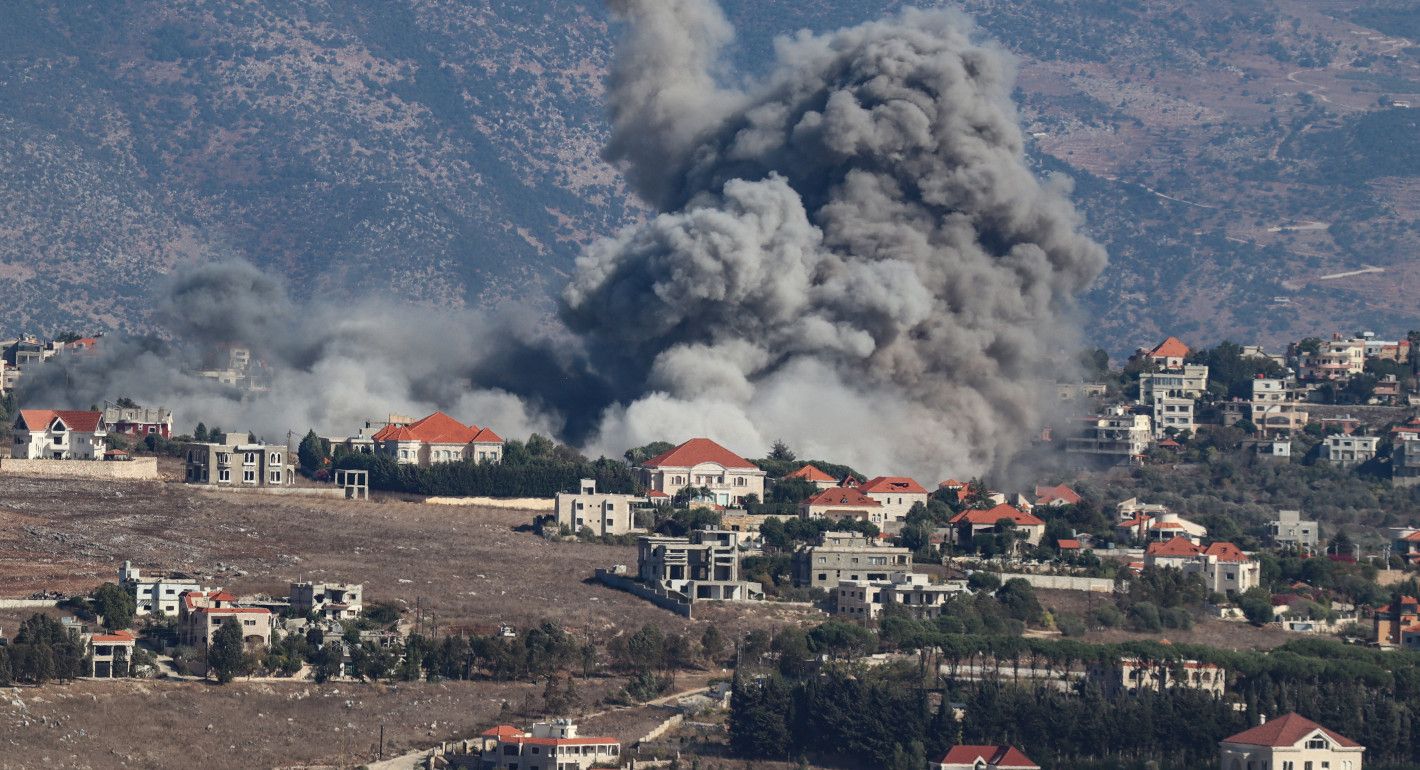
Political calculations on both sides make a ceasefire unlikely.

Yezid Sayigh
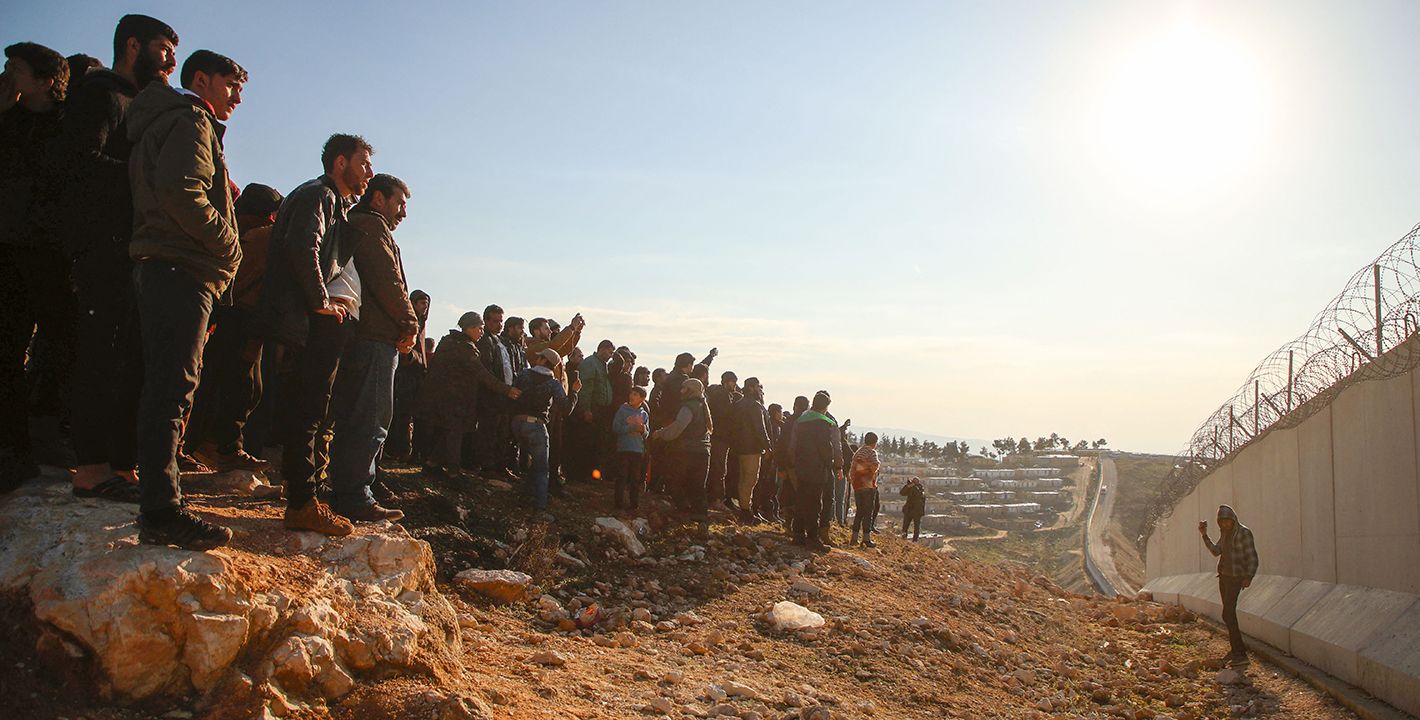
In Syria’s border regions, changes in demographics, economics, and security mean that an inter-Syrian peace process will require consensus among main regional powers that Syria must remain united, that no one side can be victorious, and that perennial instability threatens the region.

Kheder Khaddour, Armenak Tokmajyan