

Article
Thomas de Waal
{
  "authors": [
    "Thomas de Waal"
  ],
  "type": "other",
  "centerAffiliationAll": "dc",
  "centers": [
    "Carnegie Endowment for International Peace",
    "Carnegie Europe"
  ],
  "collections": [
    "Europe’s Eastern Neighborhood"
  ],
  "englishNewsletterAll": "ctw",
  "nonEnglishNewsletterAll": "",
  "primaryCenter": "Carnegie Europe",
  "programAffiliation": "EP",
  "programs": [
    "Europe"
  ],
  "projects": [],
  "regions": [
    "Russia",
    "Eastern Europe",
    "Caucasus",
    "Georgia",
    "Iran"
  ],
  "topics": [
    "Security"
  ]
}
Source: Getty
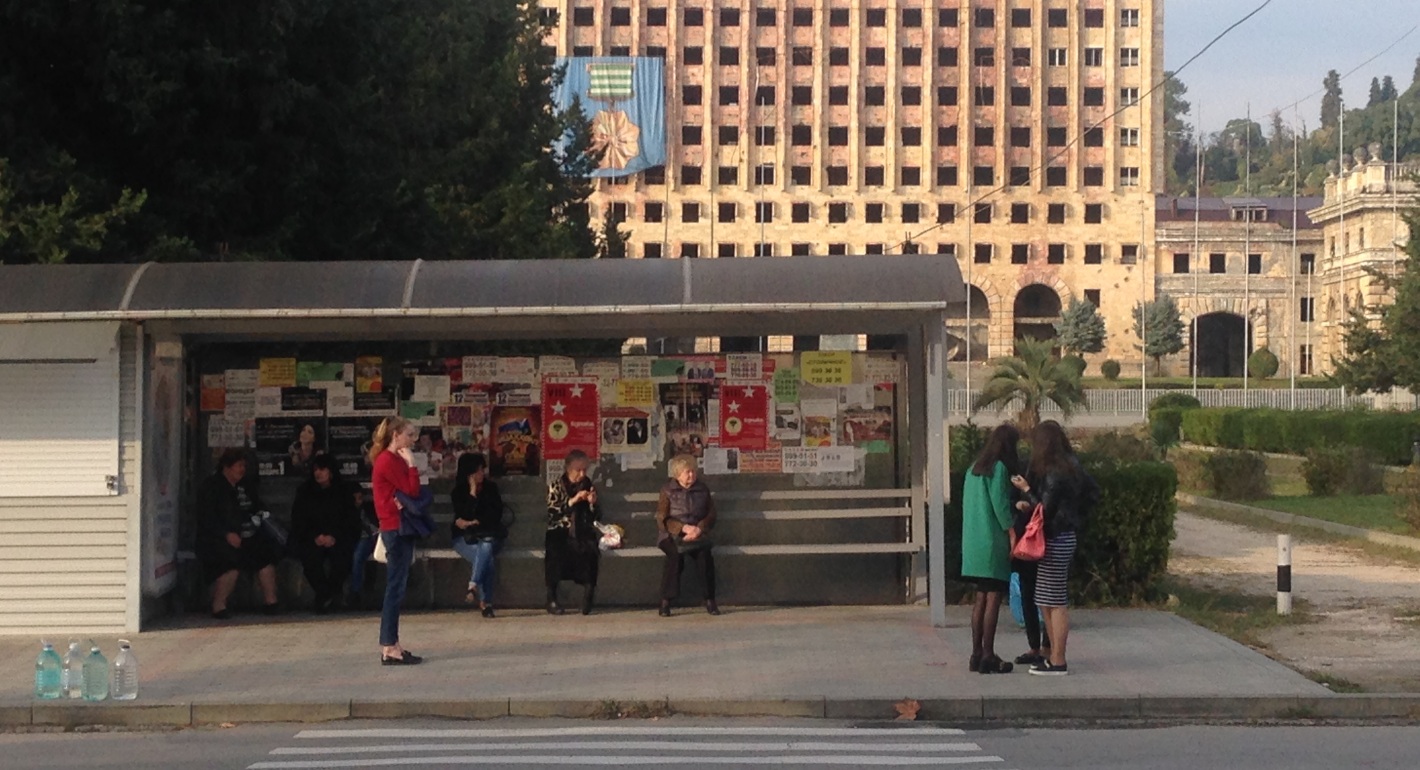
Abkhazia has grown more internationally isolated and dependent on Russia over the last decade, and the big political issues about its future remain unresolved.
Source: CENTRE FOR EUROPEAN POLICY STUDIES
Abkhazia today is in the peculiar state of having both entrenched its de facto separation from Georgia but also finding itself in almost complete international isolation. Recognition as an independent state in 2008 by Russia, (followed by Nauru, Nicaragua, Syria and Venezuela, four other countries with no close connections to the region), coincided with the closure of UNOMIG, the United Nations mission in the region, a reduced presence of international NGOs and humanitarian organizations there and a policy of unequivocal support for Georgia by its Western friends. Since then Abkhazia has become more secure and better off but also even more dependent on Russia, financially, militarily and politically. Yet the patron-client relationship is often strained. The two sides argue over several issues and Russian direct assistance has fallen in the last few years.This publication was prepared within the framework of the CEPS-led 3DCFTAs project, enabled by financial support from Sweden. To download the publication, please consult the following link.

Senior Fellow, Carnegie Europe
Thomas de Waal is a senior fellow at Carnegie Europe, specializing in Eastern Europe and the Caucasus.
Recent Work
Thomas de Waal
Thomas de Waal

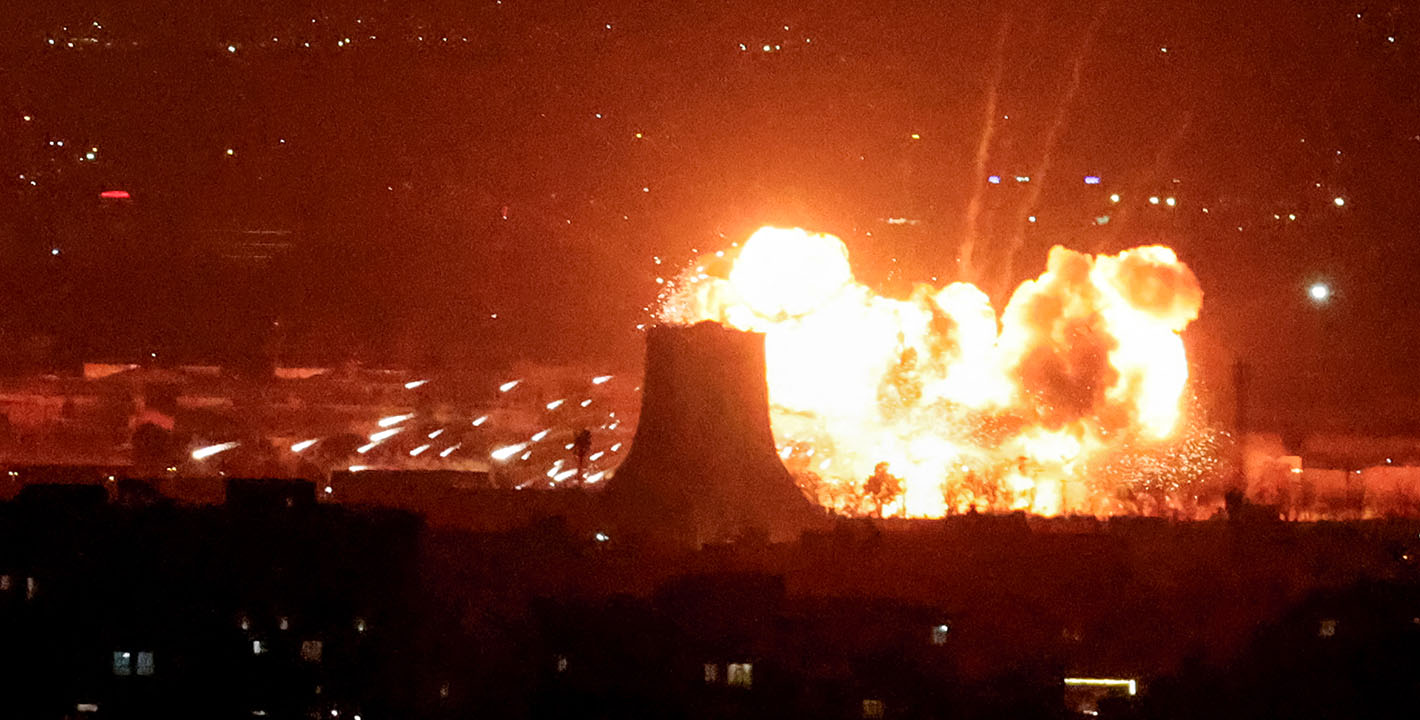
Morocco and Algeria, each in its own way, are having to navigate the global economic fallout of the U.S.-Israeli military campaign against Iran.

Yasmine Zarhloule
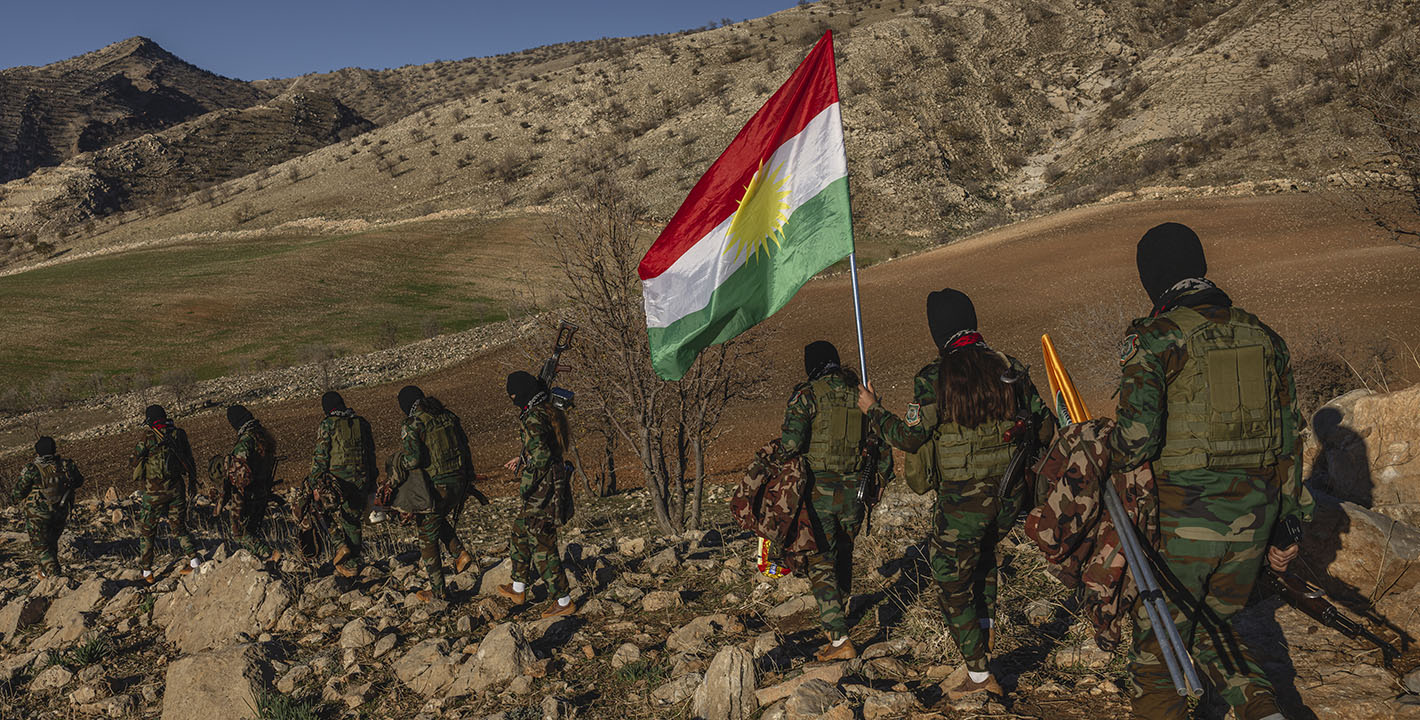
Following its deal with the United States, Iran may act against Iraq-based dissidents.
Wladimir van Wilgenburg
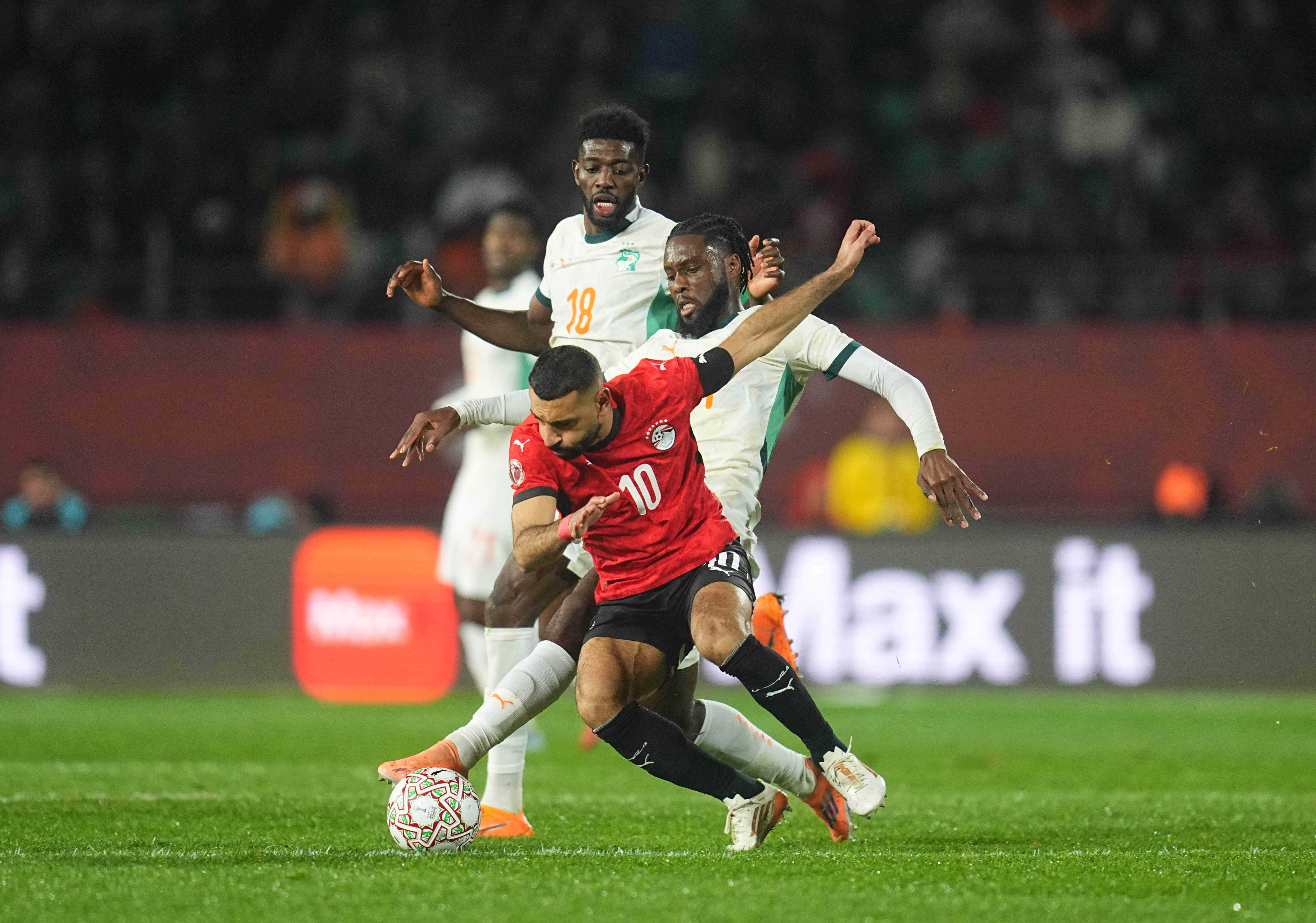
This will be the region’s most representative tournament, amid broad changes in its footballing landscape.

Issam Kayssi
In an interview, Marc Lynch discusses his new book decrying the post-1990 U.S.-dominated order in the Middle East.

Michael Young
Because perpetual conflict enhances control, offers economic benefits, and allows leaders to ignore popular preferences.

Angie Omar