

Research
- +11
Frances Z. Brown, Nate Reynolds, Priyal Singh, …
{
  "authors": [
    "Frances Z. Brown"
  ],
  "type": "legacyinthemedia",
  "centerAffiliationAll": "dc",
  "centers": [
    "Carnegie Endowment for International Peace"
  ],
  "collections": [],
  "englishNewsletterAll": "democracy",
  "nonEnglishNewsletterAll": "",
  "primaryCenter": "Carnegie Endowment for International Peace",
  "programAffiliation": "DCG",
  "programs": [
    "Democracy, Conflict, and Governance"
  ],
  "projects": [],
  "regions": [
    "North America",
    "United States"
  ],
  "topics": [
    "Security",
    "Foreign Policy"
  ]
}
Source: Getty
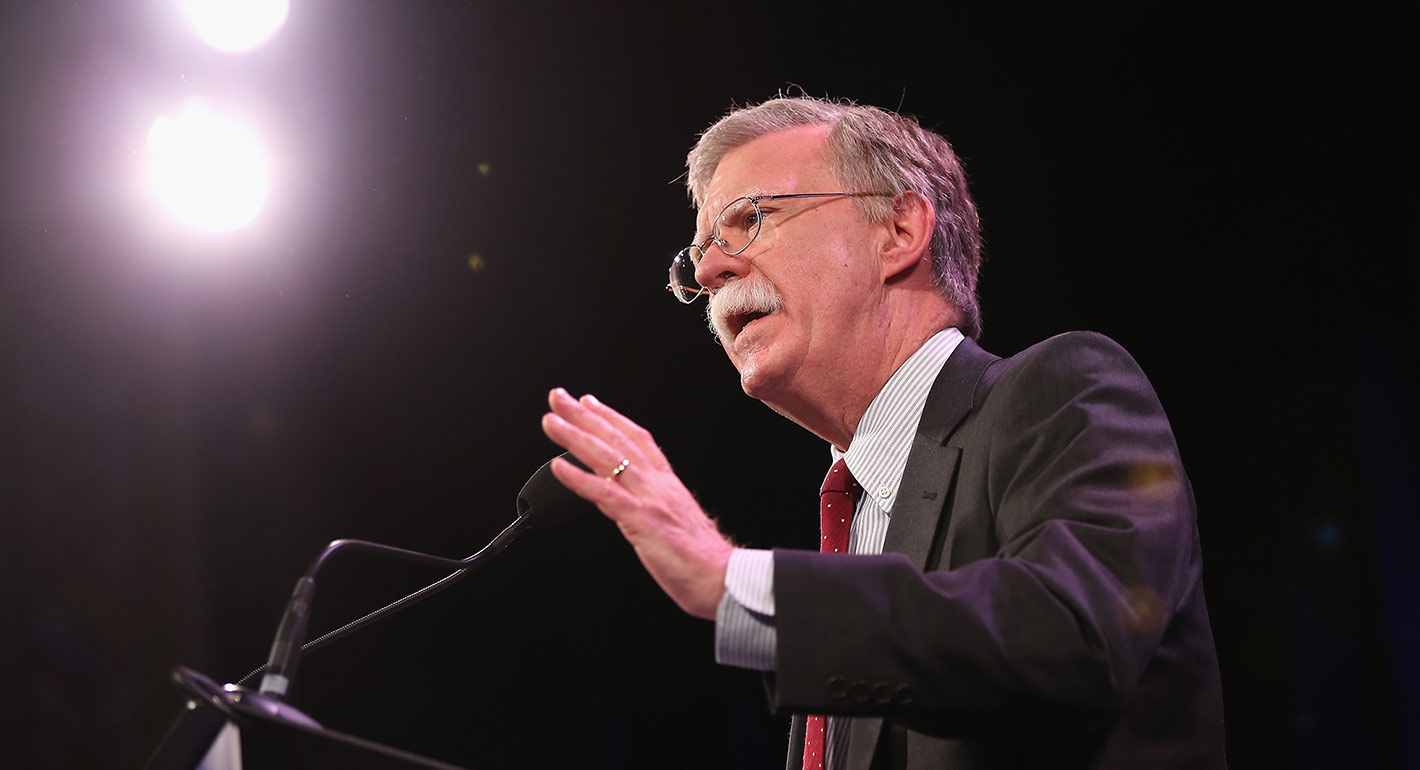
The departure of John Bolton, President Trump’s third national security adviser, injects still more volatility into U.S. foreign policy, and the choice of his successor has profound implications for U.S. national security interests.
Source: Axios
The departure of John Bolton, President Trump's third national security adviser, injects still more volatility into U.S. foreign policy, and the choice of his successor has profound implications for U.S. national security interests.
The big picture: Bolton successfully influenced U.S. withdrawals from the Iran nuclear deal, arms control treaties and international agreements, while chipping away at American commitments to multilateralism. But he had become marginalized in the White House as his hawkish approach increasingly clashed with Trump's deal-making instincts.
Context: Bolton ended up on the losing side of a growing list of policy disputes. Reports suggest the final straw came after Bolton protested proposed meetings between Trump and the Taliban and between Trump and Iranian President Hassan Rouhani.
Between the lines: Perhaps most consequential, reports suggest Trump didn’t have personal chemistry with Bolton — an insurmountable hurdle in this White House. (Bolton and Trump even offered conflicting accounts of Bolton’s departure.)
What to watch: A key question is how Bolton's successor will figure into administration decision-making.

Vice President for Studies
Dr. Frances Z. Brown is a vice president for studies at the Carnegie Endowment for International Peace. Brown served on the White House National Security Council (NSC) staff over the past three presidential administrations. Her research focuses on U.S. foreign policy, Africa, the Middle East, and governance.
Recent Work

Frances Z. Brown, Nate Reynolds, Priyal Singh, …

Saskia Brechenmacher, Frances Z. Brown
Carnegie does not take institutional positions on public policy issues; the views represented herein are those of the author(s) and do not necessarily reflect the views of Carnegie, its staff, or its trustees.
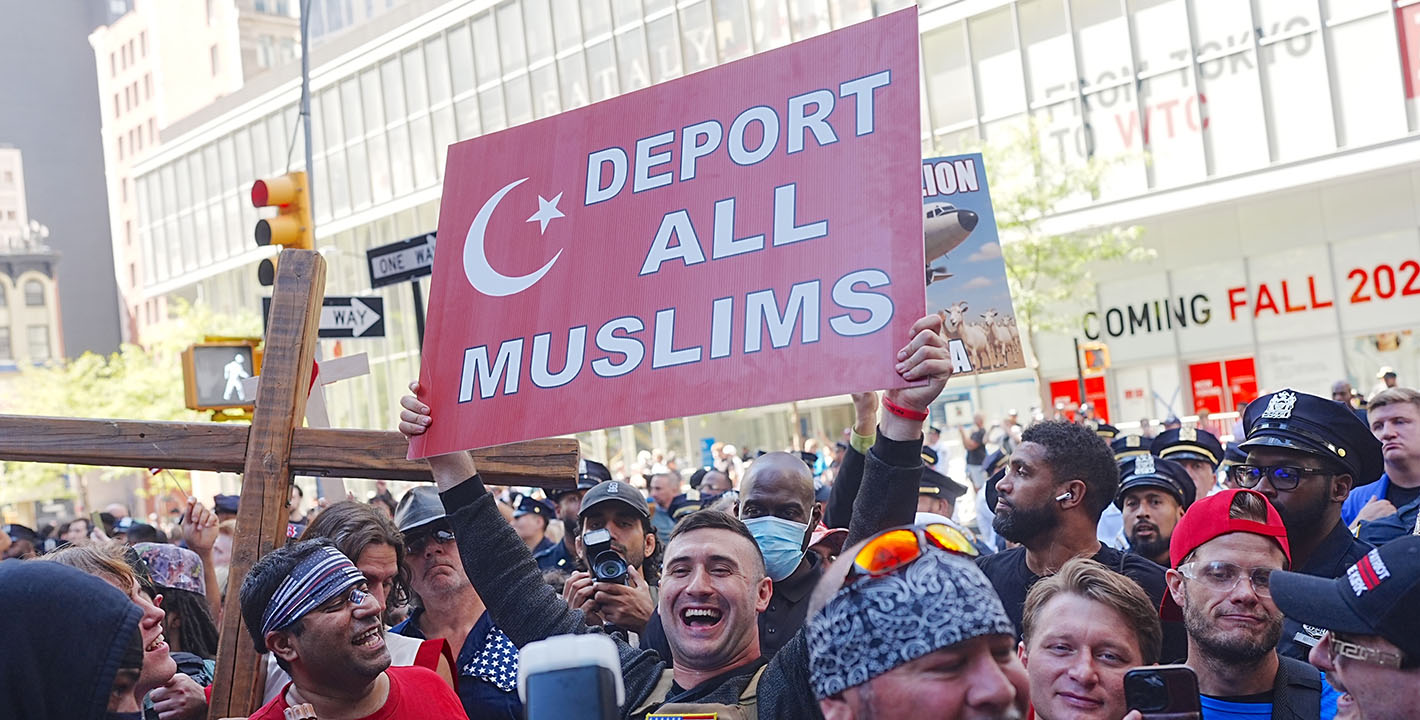
In an interview, Rozina Ali discusses her new book on the rise and manifestations of Islamophobia in the United States.
Michael Young
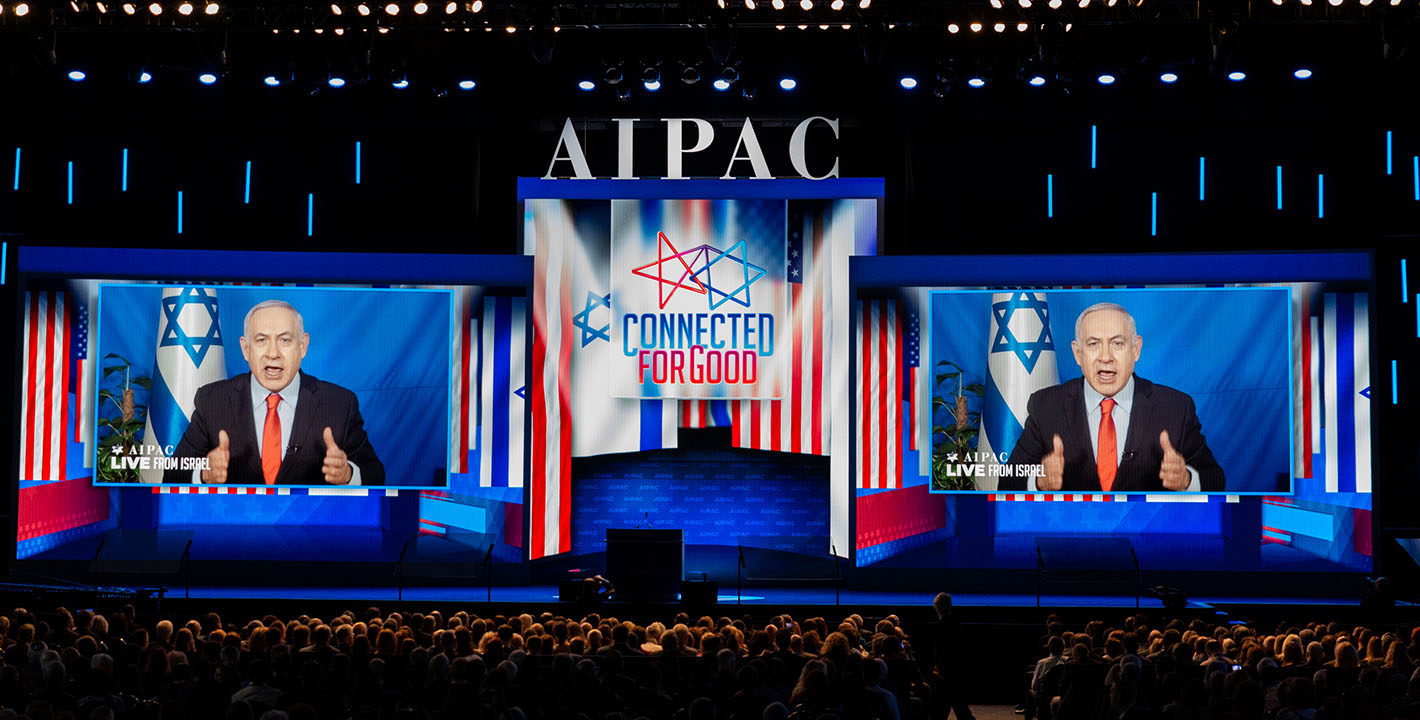
In an interview, Ian Lustick and Eli Clifton discuss their new book on why a prominent ally has so much influence in America.
Michael Young
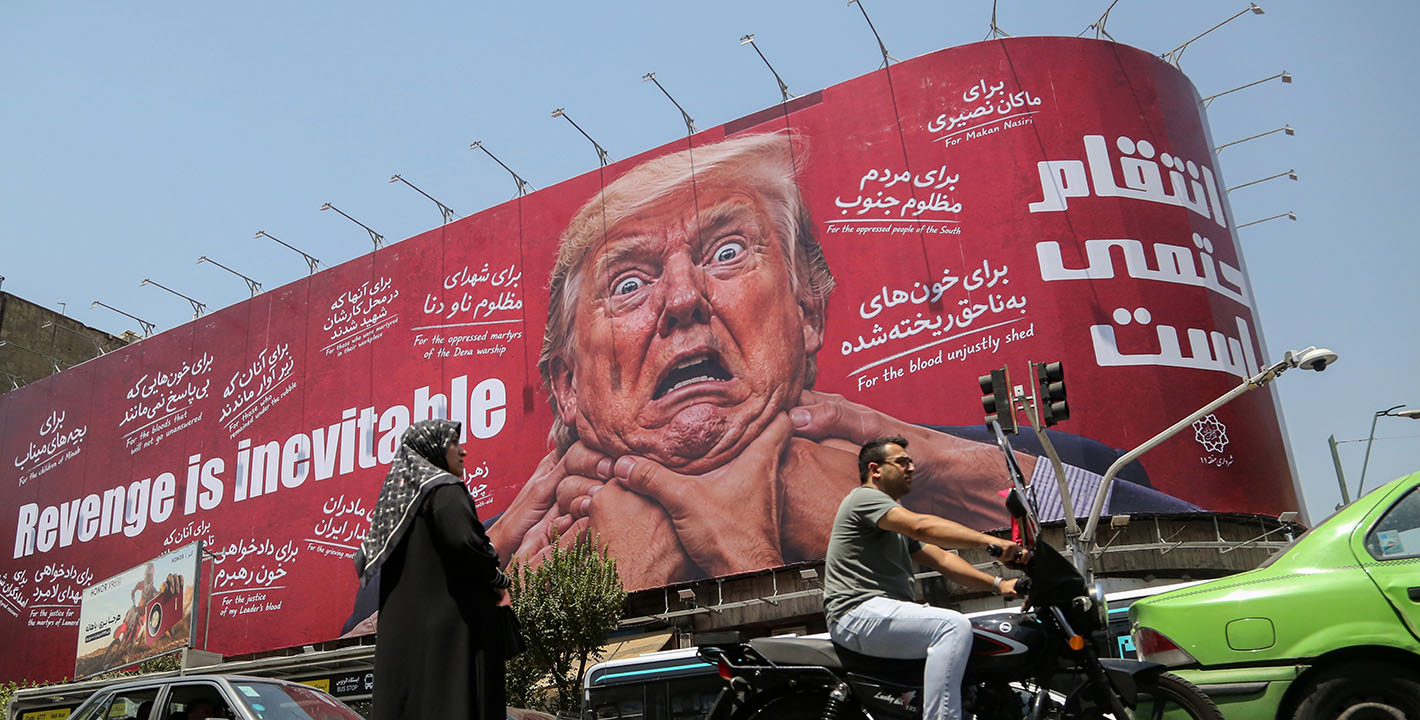
As the U.S. stumbles in its war with Iran, we are likely to see an acceleration of its disengagement from the region.
Michael Young
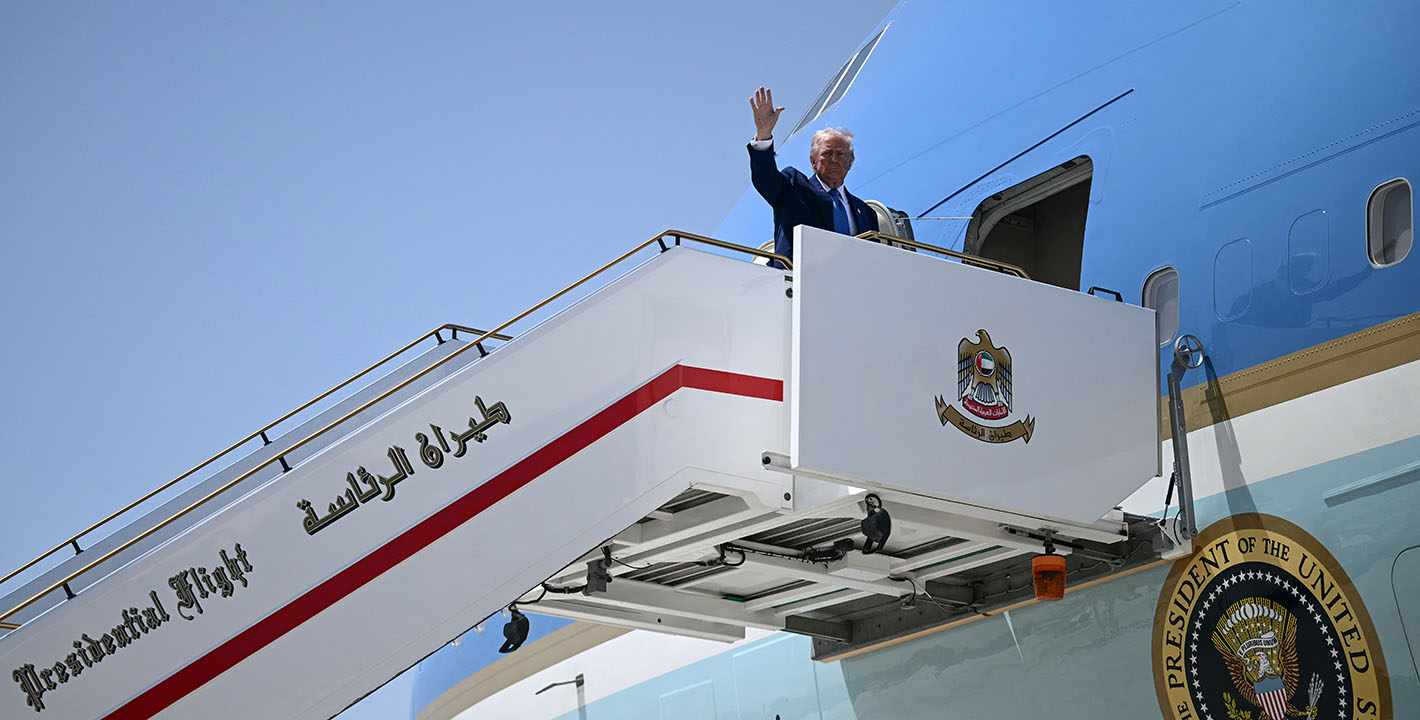
Middle Eastern states should welcome an accelerated U.S. disengagement from their region.
Michael Young

In an interview, former ambassador Charles Freeman assesses the Trump administration’s war against Iran.
Michael Young