

Article
Paul Stronski
{
  "authors": [
    "Paul Stronski"
  ],
  "type": "legacyinthemedia",
  "centerAffiliationAll": "dc",
  "centers": [
    "Carnegie Endowment for International Peace"
  ],
  "collections": [],
  "englishNewsletterAll": "ctw",
  "nonEnglishNewsletterAll": "",
  "primaryCenter": "Carnegie Endowment for International Peace",
  "programAffiliation": "russia",
  "programs": [
    "Russia and Eurasia"
  ],
  "projects": [],
  "regions": [
    "North Africa",
    "Southern, Eastern, and Western Africa",
    "Russia"
  ],
  "topics": [
    "Foreign Policy"
  ]
}
Source: Getty
Putin’s main goal was to rattle the United States and Europe, which have taken Russia’s decades-long absence from Africa for granted.
Source: Axios
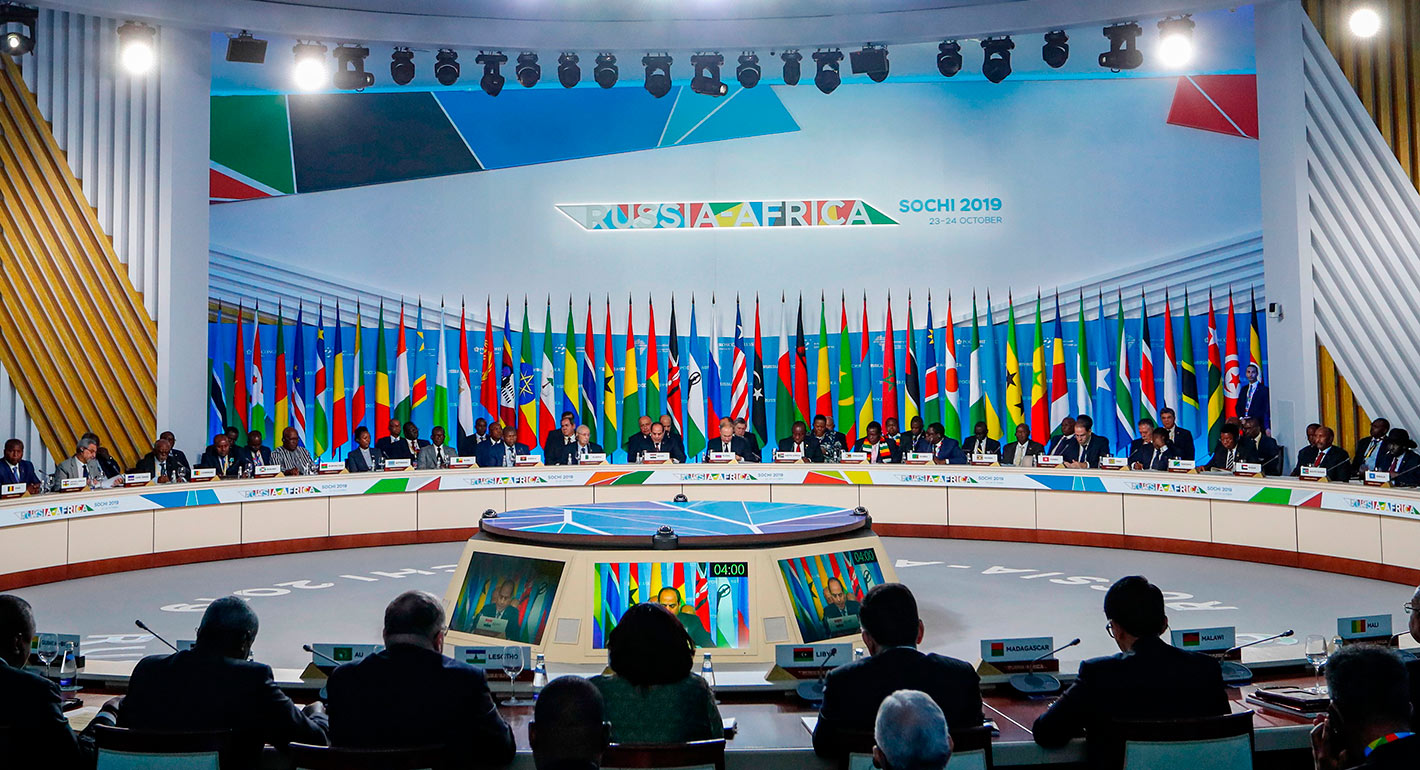
The pomp and circumstance of this week's Sochi summit, where President Vladimir Putin hosted 43 senior African leaders, furthers a narrative Russia is crafting about its return to the continent.
The big picture: Putin's main goal was to rattle the U.S. and Europe, which have taken Russia’s decades-long absence from Africa for granted. Despite his hype, however, cash-strapped Russia’s reach on the continent is still a far cry from what China, the West and many lesser powers can muster when it comes to financing, trade, investment and even influence.
Context: Opportunism drives the foreign policy Russia is pursuing in Africa today — a departure from the ideological approach of the USSR, which invested heavily in military and security ties and economic development to create client regimes among revolutionary and post-colonial leaders.
Between the lines: During the 2000s, the Kremlin envisioned Africa as part of a “multipolar world” that would not be led by Washington.
Yes, but: Russia has little economic penetration on the continent.
What to watch: No ground-breaking trade, investment or security announcements came out of the summit, suggesting the gathering was more symbolic than substantive. But if Moscow expands its Africa policy after the summit and under the West's inattentive watch, it could be a far greater worry for the West.
Former Senior Fellow, Russia and Eurasia Program
Paul Stronski was a senior fellow in Carnegie’s Russia and Eurasia Program, where his research focuses on the relationship between Russia and neighboring countries in Central Asia and the South Caucasus.
Recent Work
Paul Stronski
Paul Stronski
Carnegie does not take institutional positions on public policy issues; the views represented herein are those of the author(s) and do not necessarily reflect the views of Carnegie, its staff, or its trustees.

In an interview, Ian Lustick and Eli Clifton discuss their new book on why a prominent ally has so much influence in America.

Michael Young

By failing to address Palestinian representation, the current process is bound to lead to just another temporary arrangement.

Nathan J. Brown

The armed forces champion a form of capitalism that is generating revenue, but its reliance on rent faces diminishing returns, leaving the country with massive sunk costs and deferred returns, deepening dependency on external borrowing.

Yezid Sayigh
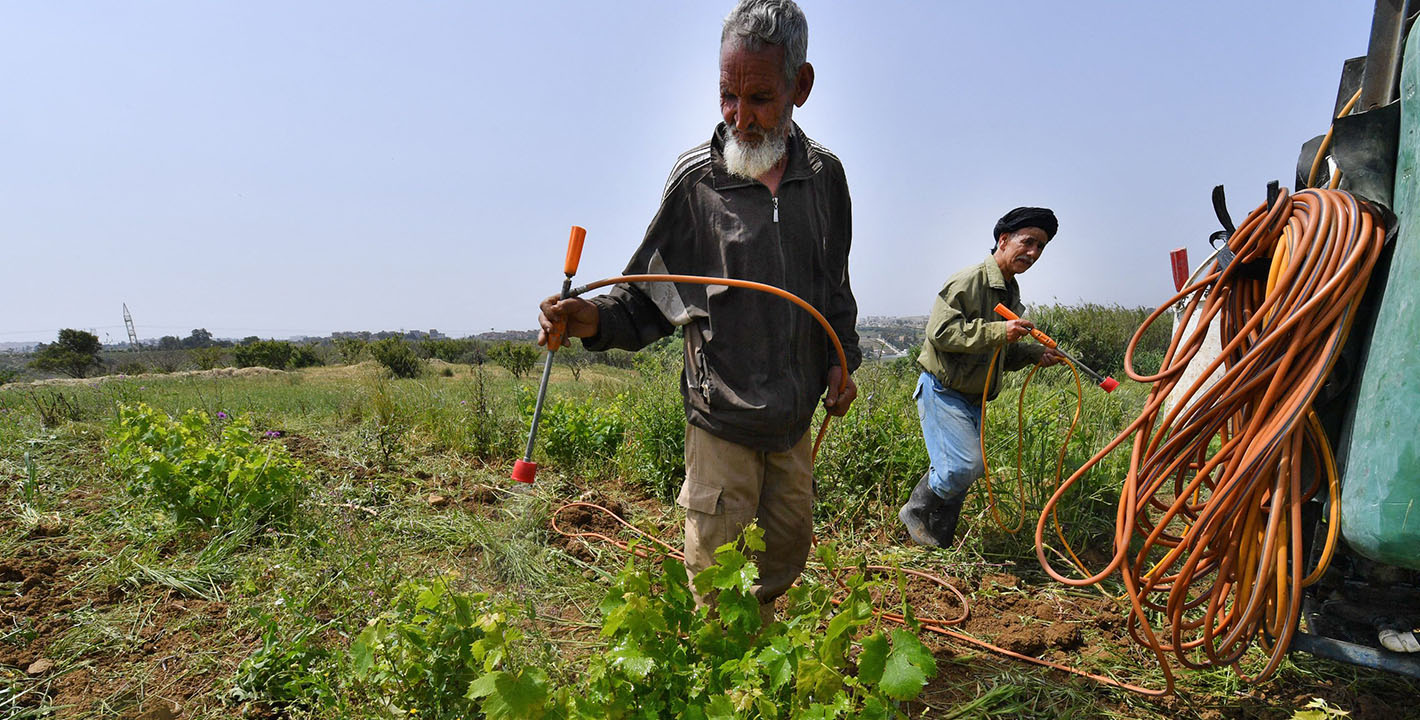
Understanding how farmers in the Oued Sahel-Soummam Valley grapple with climate change is essential for addressing the paradoxes through which adaptation, operating at both individual and institutional levels, deepens the region’s vulnerability and erodes the social fabric and agrarian identity that once defined life.
Ilyssa Yahmi

Just look at Iraq in 1991.

Marwan Muasher