

Commentary
Maha Yahya
{
  "authors": [
    "Maha Yahya"
  ],
  "type": "legacyinthemedia",
  "centerAffiliationAll": "dc",
  "centers": [
    "Carnegie Endowment for International Peace",
    "Malcolm H. Kerr Carnegie Middle East Center"
  ],
  "collections": [
    "Arab Spring 2.0",
    "Decoding Lebanon"
  ],
  "englishNewsletterAll": "menaTransitions",
  "nonEnglishNewsletterAll": "",
  "primaryCenter": "Malcolm H. Kerr Carnegie Middle East Center",
  "programAffiliation": "MEP",
  "programs": [
    "Middle East"
  ],
  "projects": [],
  "regions": [
    "Levant",
    "Maghreb",
    "North Africa",
    "Lebanon",
    "Syria",
    "Jordan",
    "Iraq",
    "Tunisia",
    "Algeria",
    "Middle East",
    "Egypt",
    "Morocco"
  ],
  "topics": [
    "Political Reform"
  ]
}
Source: Getty
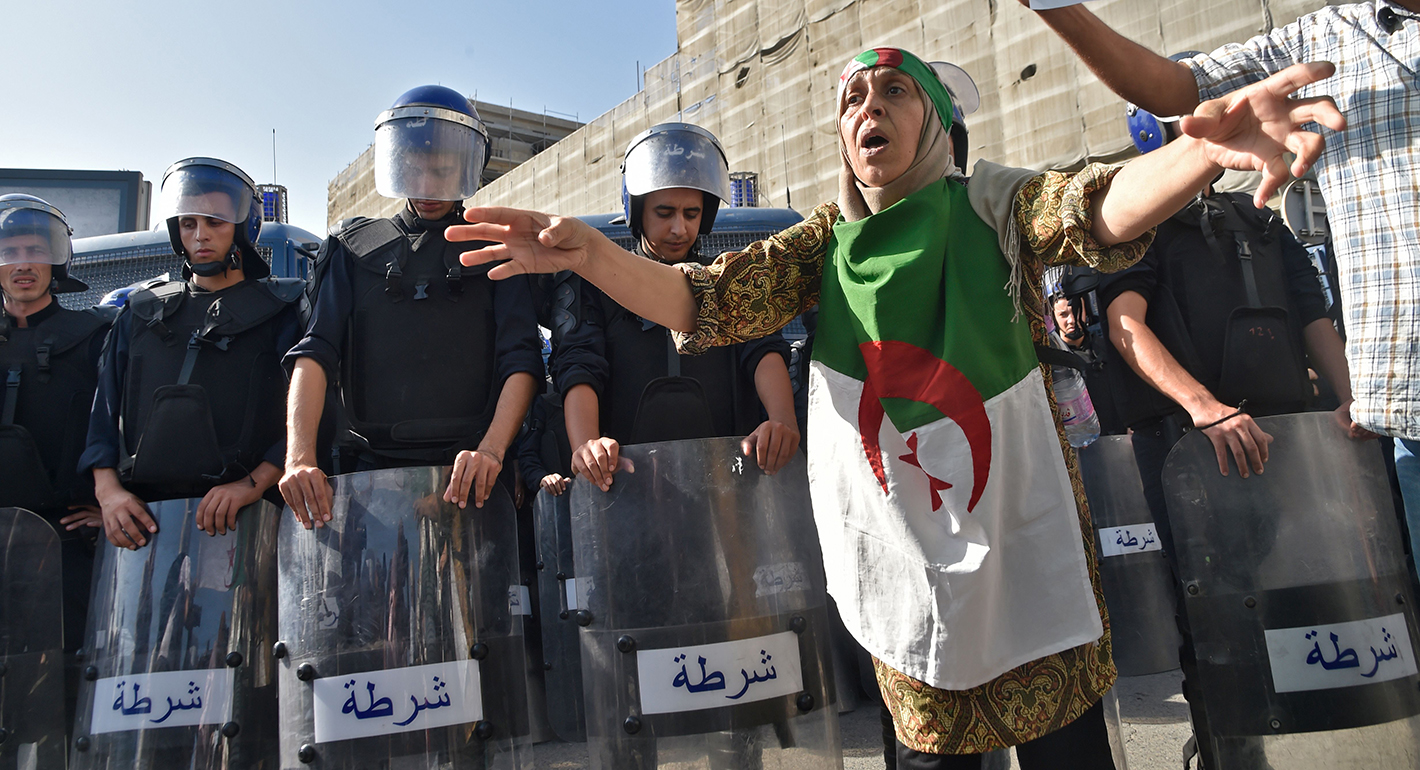
Development, dissent, and the future of the Arab world.
Source: Foreign Affairs
Since the 9/11 attacks, the Arab world’s relative economic, social, and political underdevelopment has been a topic of near-constant international concern. In a landmark 2002 report, the UN Development Program (UNDP) concluded that Arab countries lagged behind much of the world in development indicators such as political freedom, scientific progress, and the rights of women. Under U.S. President George W. Bush, this analysis helped drive the “freedom agenda,” which aimed to democratize the Middle East—by force if necessary—in order to eradicate the underdevelopment and authoritarianism that some officials in Washington believed were the root causes of terrorism. Bush’s successor, Barack Obama, criticized one of the cornerstones of the freedom agenda—the U.S. invasion of Iraq in 2003—but he shared Bush’s diagnosis. In his first major foreign policy speech as president, delivered in Cairo in 2009, Obama called on Middle Eastern governments to make progress in democracy, religious freedom, gender equality, and “economic development and opportunity.” Implicit in his remarks was a widely shared view among Western observers of the Middle East: that the Arab world’s dysfunction was a product of social and political arrangements that thwarted human potential, furthered inequality, and favored a small elite to the detriment of the broader population.

Director, Malcolm H. Kerr Carnegie Middle East Center
Maha Yahya is director of the Malcolm H. Kerr Carnegie Middle East Center, where her research focuses on citizenship, pluralism, and social justice in the aftermath of the Arab uprisings.
Recent Work
Maha Yahya
Maha Yahya
Carnegie does not take institutional positions on public policy issues; the views represented herein are those of the author(s) and do not necessarily reflect the views of Carnegie, its staff, or its trustees.

The armed forces champion a form of capitalism that is generating revenue, but its reliance on rent faces diminishing returns, leaving the country with massive sunk costs and deferred returns, deepening dependency on external borrowing.

Yezid Sayigh

Morocco and Algeria, each in its own way, are having to navigate the global economic fallout of the U.S.-Israeli military campaign against Iran.

Yasmine Zarhloule
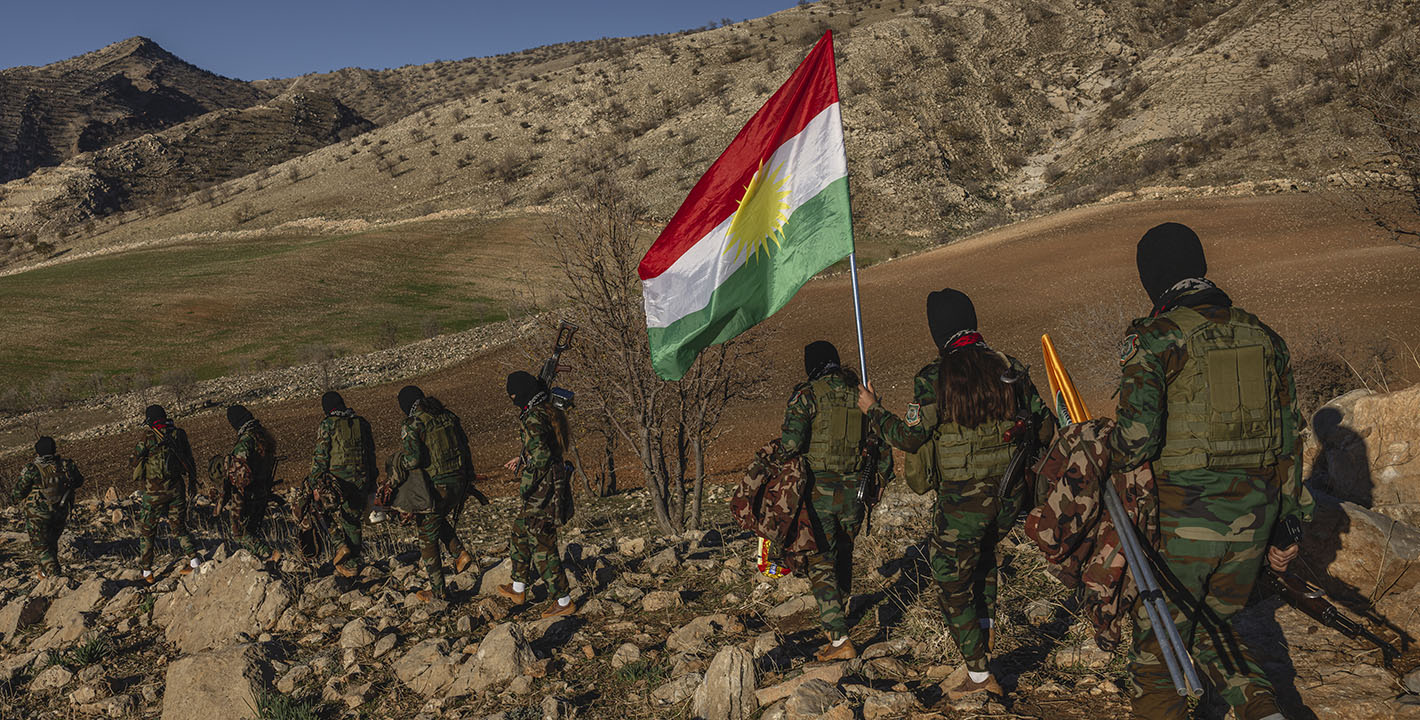
Following its deal with the United States, Iran may act against Iraq-based dissidents.
Wladimir van Wilgenburg
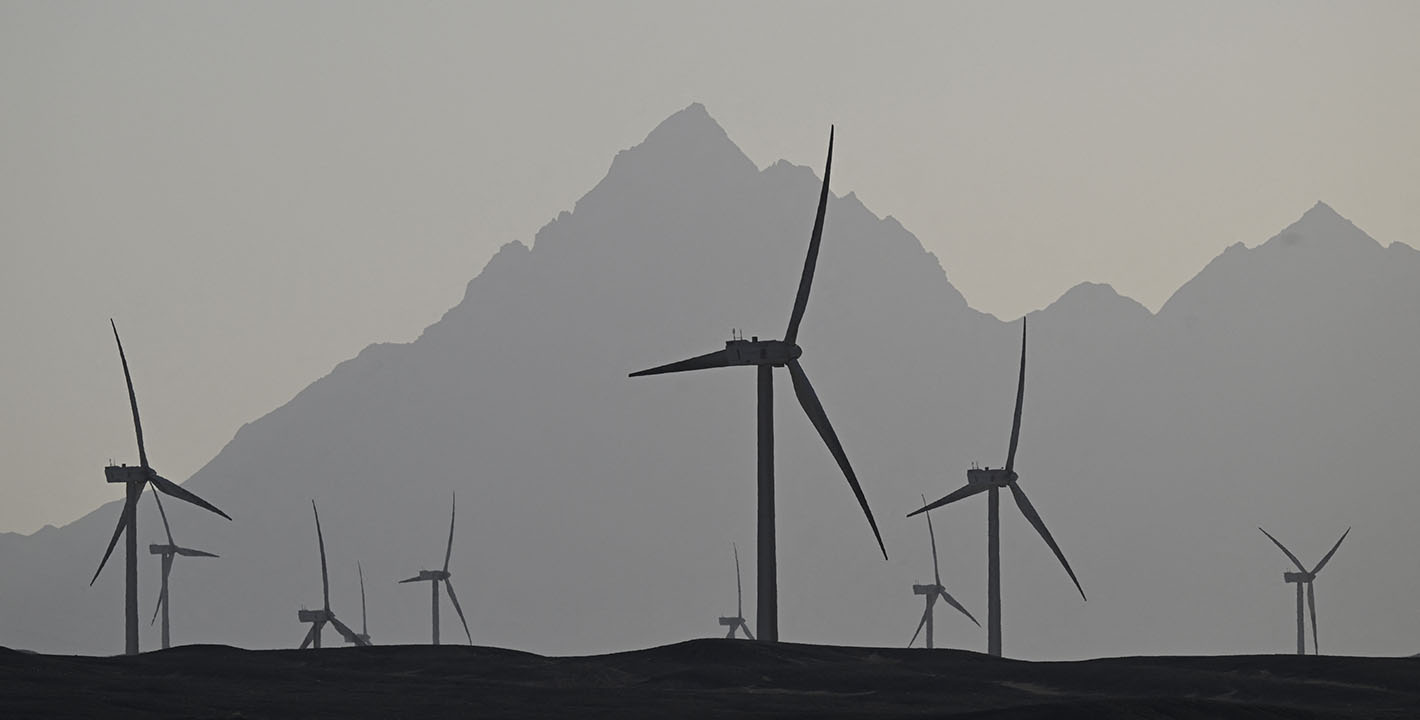
There is a disturbing structural parallel between the old global energy economy and the new green transition.

Angie Omar
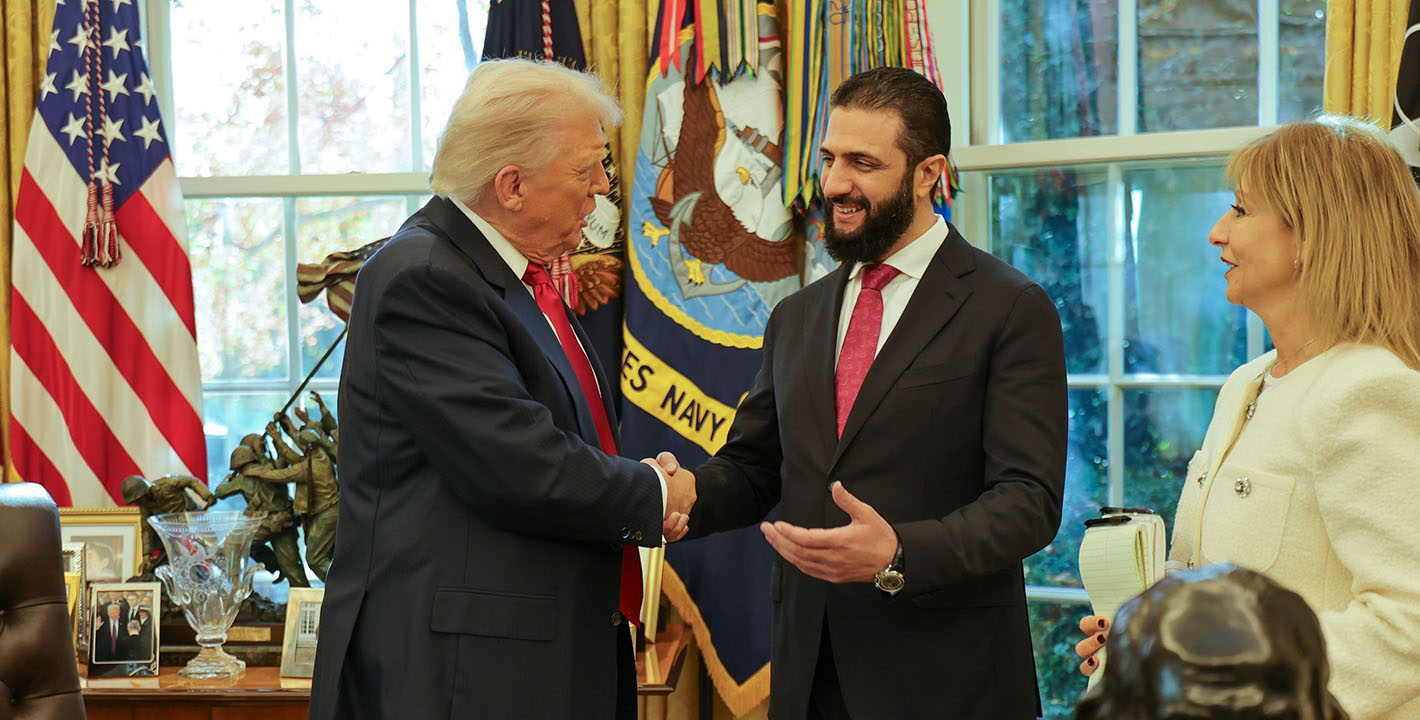
Any move by the United States to make good on Trump’s suggestion that Washington persuade Damascus to confront Hezbollah militarily would have catastrophic consequences.

Kheder Khaddour