

Commentary
Dmitri Trenin
{
  "authors": [
    "Dmitri Trenin"
  ],
  "type": "legacyinthemedia",
  "centerAffiliationAll": "",
  "centers": [
    "Carnegie Endowment for International Peace",
    "Malcolm H. Kerr Carnegie Middle East Center",
    "Carnegie Russia Eurasia Center"
  ],
  "collections": [],
  "englishNewsletterAll": "",
  "nonEnglishNewsletterAll": "",
  "primaryCenter": "Carnegie Russia Eurasia Center",
  "programAffiliation": "",
  "programs": [],
  "projects": [],
  "regions": [
    "Levant",
    "Middle East",
    "Syria"
  ],
  "topics": [
    "Political Reform"
  ]
}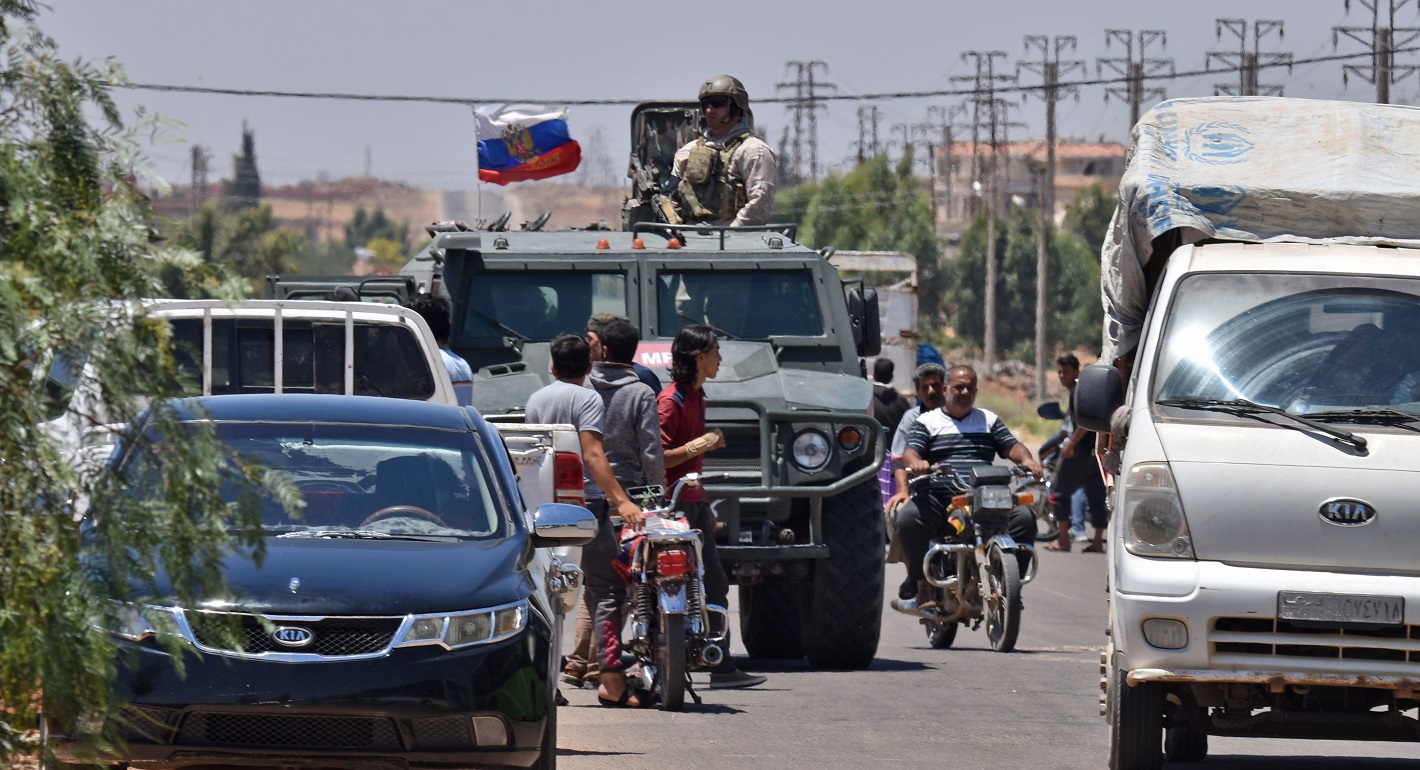
Source: Getty
America’s withdrawal creates an opportunity and a challenge for Moscow.
Source: Financial Times
The withdrawal of American forces from Syria is said to be a gift to Russia. As the sole power from outside the Middle East with military forces and political influence in Syria, Russia may indeed become the security manager in that country. But only if it rises to the occasion. So far Russia has earned the right to play a role in Syria, but if it wants to be the leading power, simply filling the void left by the US will not be enough.
It has long been observed that Americans create problems both when they move into foreign countries and when they leave. President Donald Trump’s decision to abandon the US’s Kurdish allies certainly invited the Turks to intervene on a larger scale than before. That presented Moscow with the unpalatable possibility of a direct collision between its allies in Ankara and Damascus. Russia is unlikely to have endorsed Turkey’s invasion, which threatened its system of regional balance.
Russia owes its success in Syria so far to its ability to stay in touch with all relevant players in the region. This includes clear antagonists such as Israel and Iran, and Iran and Saudi Arabia. With Syria, Turkey, and Iran, Russia has built alliances that are more like the shifting alignments common in 18th century Europe than the solid blocs that developed after the second world war. These relationships are situational and limited in place, time, and objective. Russia does not betray its allies, but neither does it write blank cheques to them.
Moscow prides itself on saving Syria as a country, and preventing it from sliding into chaos like Libya. Yet, that does not mean Russia supports Bashar al-Assad’s ambition to bring the entire country to his heel at all cost. The Kremlin considered an all-out offensive on the rebel stronghold of Idlib too risky in terms of potential civilian casualties and the resultant backlash. It preferred containment and co-operation with Turkey to deal with the Isis jihadis there.
When Turkish president Recep Tayyip Erdogan talks about dangers to his country’s security from groups linked to the Kurdistan Workers' party (PKK), Russia’s Vladimir Putin listens. Ankara’s previous incursions into Syrian territory aimed at securing the area along their shared border did not provoke strong reactions from the Kremlin.
It is probable that the Russians were notified in advance of this week’s invasion. However, Mr Putin is likely to have told Mr Erdogan that the purpose must really be rooting out terrorists — as Turkey claims — rather than a permanent occupation of Syrian territory or the overthrow of the regime in Damascus.
Russia may not have applauded the Kurds’ reliance on US support and assistance, but it advocated a measure of autonomy for them in postwar Syria, and did not back Damascus’s efforts to return to the situation before the war. Once the Kurds lost their American allies, Moscow helped them negotiate a deal with Damascus that allowed Syrian government troops to move into Kurdish-controlled territory to protect it from being overrun by Turkey.
Russia always regarded the American military presence in Syria as illegitimate, because they were in the country without the Syrian government’s consent. Simultaneous military operations by the US and Russia in the same country, but not exactly on the same side, obviously carried the risk of collision. Moscow and Washington, however, agreed on a mechanism to avoid conflict that has worked well.
The departing Americans are not only leaving the Russians as the only non-regional power in Syria, but also handing them a number of problems that Moscow will have to tackle from now on. The most pressing is the fate of the former Isis fighters now being guarded by the Kurds. Russia clearly understands the danger of freeing them to find another base for their activities. In 2015, the threat that Isis would take over Syria prompted Mr Putin to send troops there in the first place. Russia will also have to mediate between the Kurds, Damascus and Ankara.
Mr Putin recently said that the Russian military intervention in Syria had exceeded his expectations. Russia has saved the regime in Damascus, and defeated Isis, and, most importantly, restored its image as a great power. But Moscow is now deeply involved in the affairs of one of the world’s most turbulent regions. To continue its successful run, Russia must stay open to all partners and perfect its skills as a middleman. It also needs to be aware of its financial and economic limitations.
Finally, Russia should never seek to step into America’s shoes as the solver of the world’s problems. Moscow is learning that the reward for success is a whole new set of problems.
Former Director, Carnegie Moscow Center
Trenin was director of the Carnegie Moscow Center from 2008 to early 2022.
Recent Work
Dmitri Trenin
Dmitri Trenin
Carnegie does not take institutional positions on public policy issues; the views represented herein are those of the author(s) and do not necessarily reflect the views of Carnegie, its staff, or its trustees.
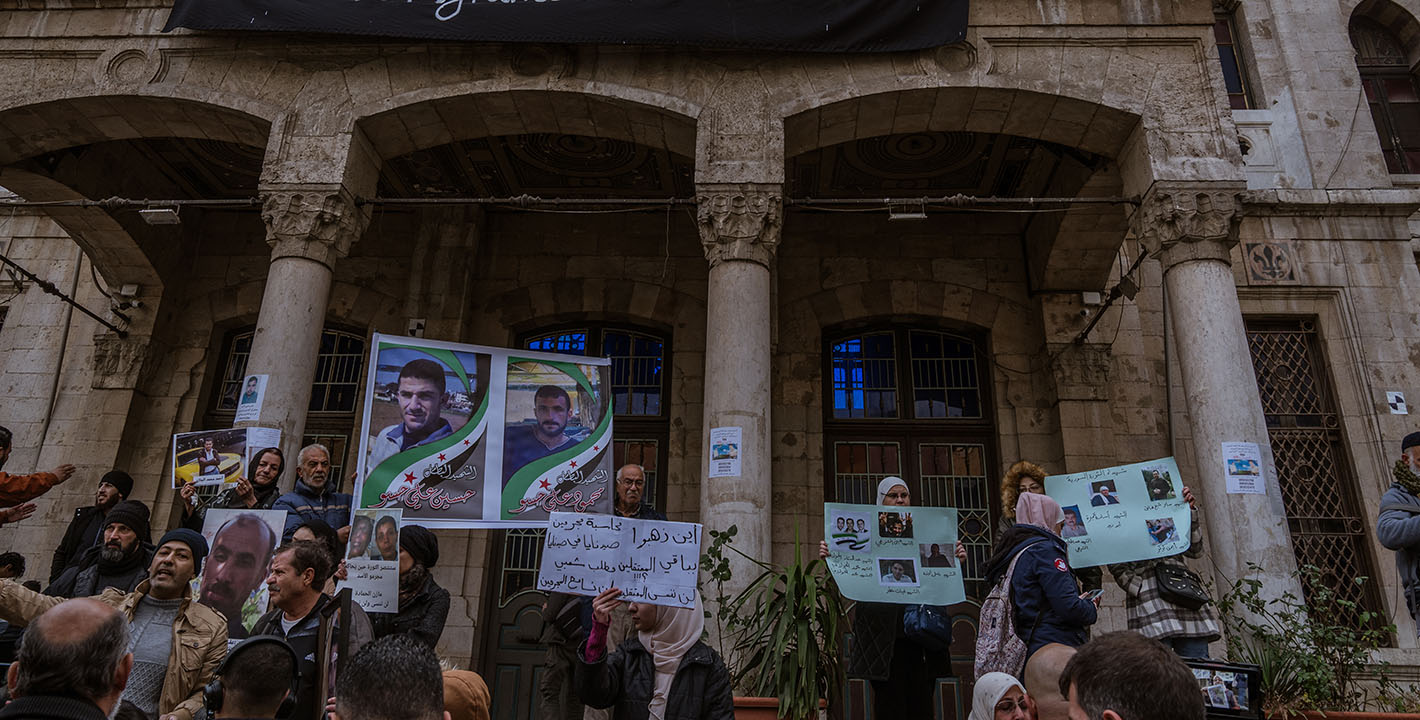
Reconciliation councils are emerging throughout the country to mediate in intracommunal disputes, many from the war years.
Natacha Danon
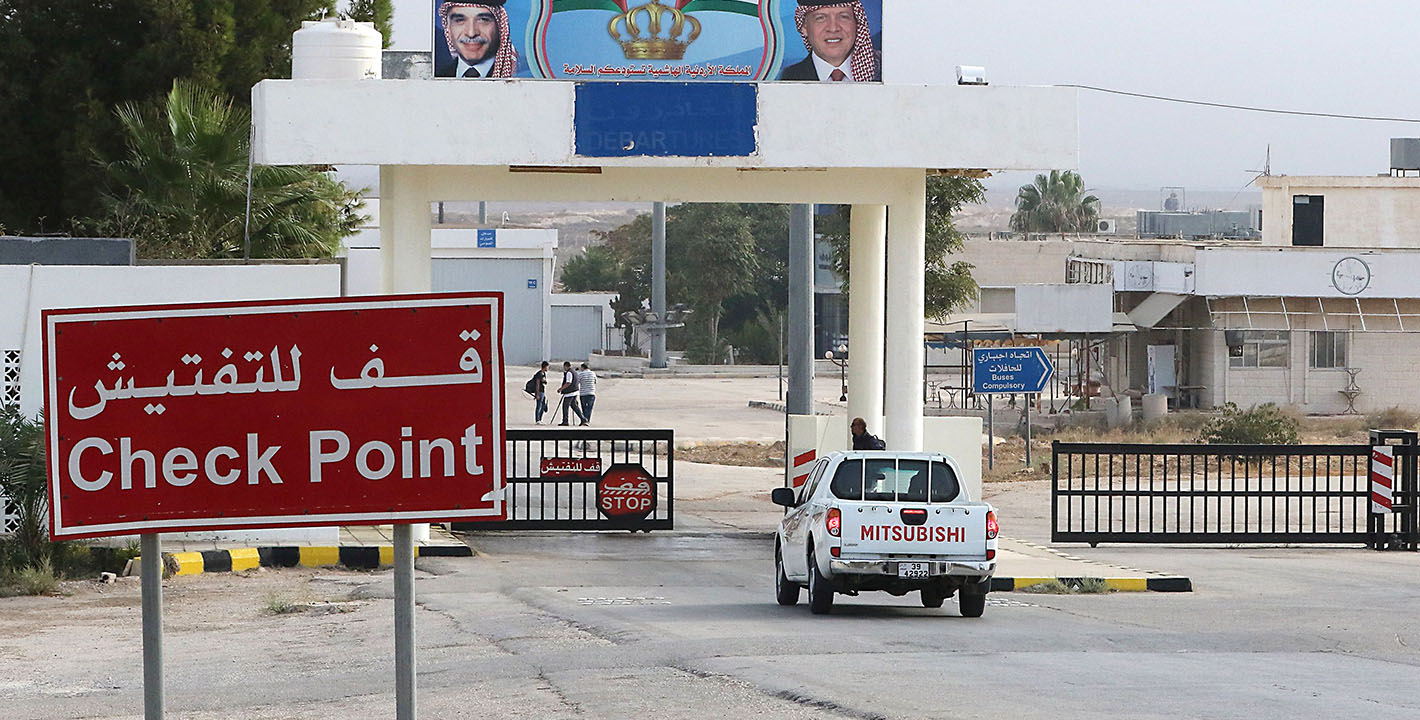
The civil war in Syria may have ended, but the country continues to serve as a source for the trafficking of illegal substances into and via Jordanian territory.

Armenak Tokmajyan, Laith Qerbaa
As the U.S.-led Coalition withdraws, the Kurds’ reliance on Baghdad, and on themselves, will only increase.
Wladimir van Wilgenburg

As the U.S. stumbles in its war with Iran, we are likely to see an acceleration of its disengagement from the region.

Michael Young
The Zaidi government’s objective to collect weapons is constrained by regional conflict, but it can take certain measures at home.
Ali Al-Mawlawi