

Q&A
Dara Massicot, Aaron David Miller, Andrew S. Weiss
{
  "authors": [
    "Aaron David Miller"
  ],
  "type": "legacyinthemedia",
  "centerAffiliationAll": "",
  "centers": [
    "Carnegie Endowment for International Peace",
    "Malcolm H. Kerr Carnegie Middle East Center"
  ],
  "collections": [],
  "englishNewsletterAll": "",
  "nonEnglishNewsletterAll": "",
  "primaryCenter": "Carnegie Endowment for International Peace",
  "programAffiliation": "",
  "programs": [],
  "projects": [],
  "regions": [
    "North America",
    "United States",
    "Middle East",
    "Israel",
    "Palestine",
    "Levant"
  ],
  "topics": [
    "Political Reform",
    "Foreign Policy"
  ]
}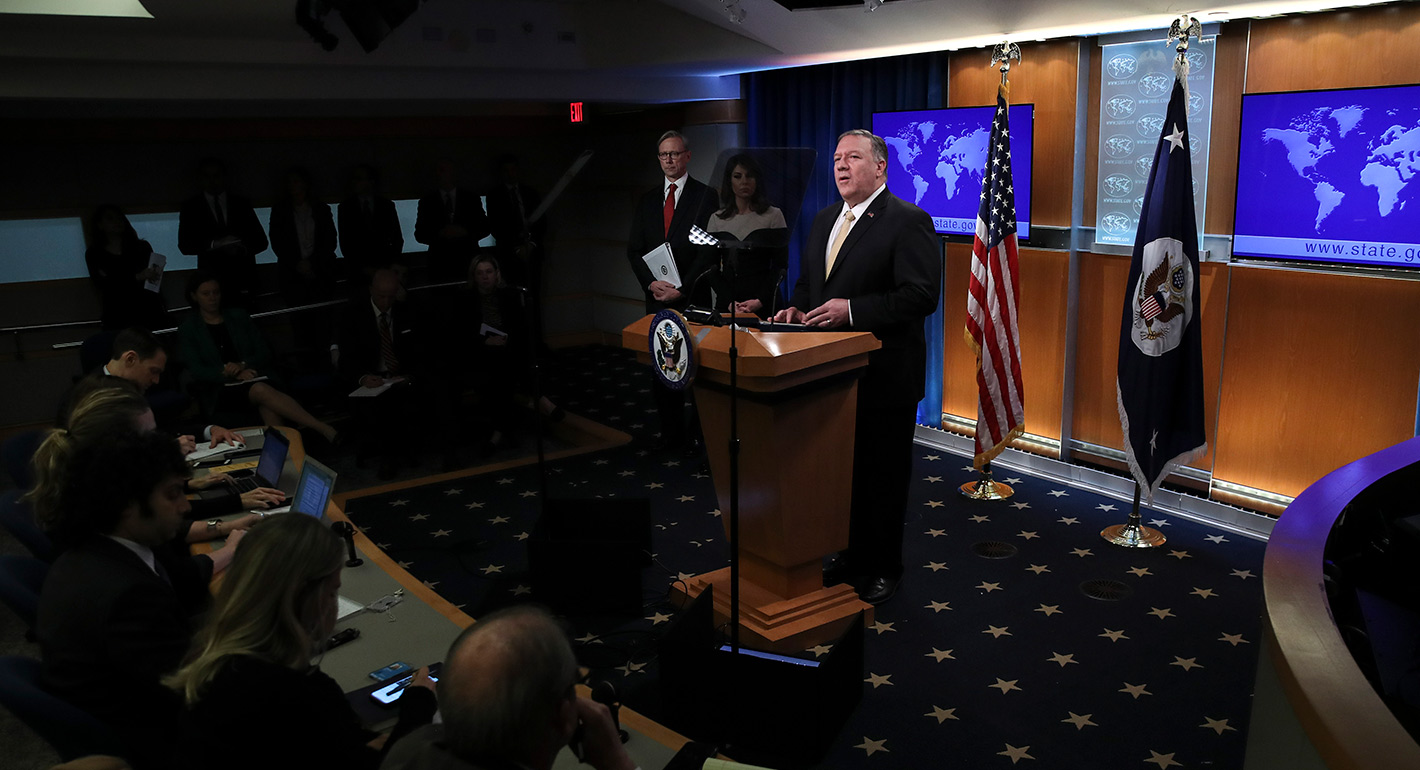
Source: Getty
The shift on the U.S. position towards Israeli settlements combined all of the worst elements of foreign policy under President Trump—an obsession with his predecessor; the centrality of domestic politics in his foreign policy; and the untethering of the recent announcement from any coherent strategy.
Source: USAToday
Monday’s surprise announcement by Secretary of State Mike Pompeo that the United States views Israeli settlements as not “inconsistent with international law” should have come as no surprise to anyone who has followed the Trump administration’s pro-Netanyahu and anti-Palestinian policies since coming into office.
The move combined all of the worst elements of Trumpian foreign policy — an obsession with his predecessor; the centrality of domestic politics in his foreign policy; and the untethering of the recent announcement from any coherent strategy, including the furtherance of the administration’s own peace plan.
Indeed, Monday’s upending of decades of U.S. policy was yet another example of the Trump administration coming up with a solution to a problem America didn’t have and creating new problems in the process...

Senior Fellow, American Statecraft Program
Aaron David Miller is a senior fellow at the Carnegie Endowment for International Peace, focusing on U.S. foreign policy.
Recent Work
Dara Massicot, Aaron David Miller, Andrew S. Weiss



Sophia Besch, Eric Ciaramella, Steve Feldstein, …
Carnegie does not take institutional positions on public policy issues; the views represented herein are those of the author(s) and do not necessarily reflect the views of Carnegie, its staff, or its trustees.

The accord represents a pivotal moment in the region to avert a security vacuum in the Gulf.


Azeema Cheema, Mohanad Hage Ali

In an interview, Jason Burke discusses his sweeping account of the “revolutionists” who so shaped the 1970s and early 1980s.

Michael Young

By failing to address Palestinian representation, the current process is bound to lead to just another temporary arrangement.

Nathan J. Brown

Morocco and Algeria, each in its own way, are having to navigate the global economic fallout of the U.S.-Israeli military campaign against Iran.

Yasmine Zarhloule
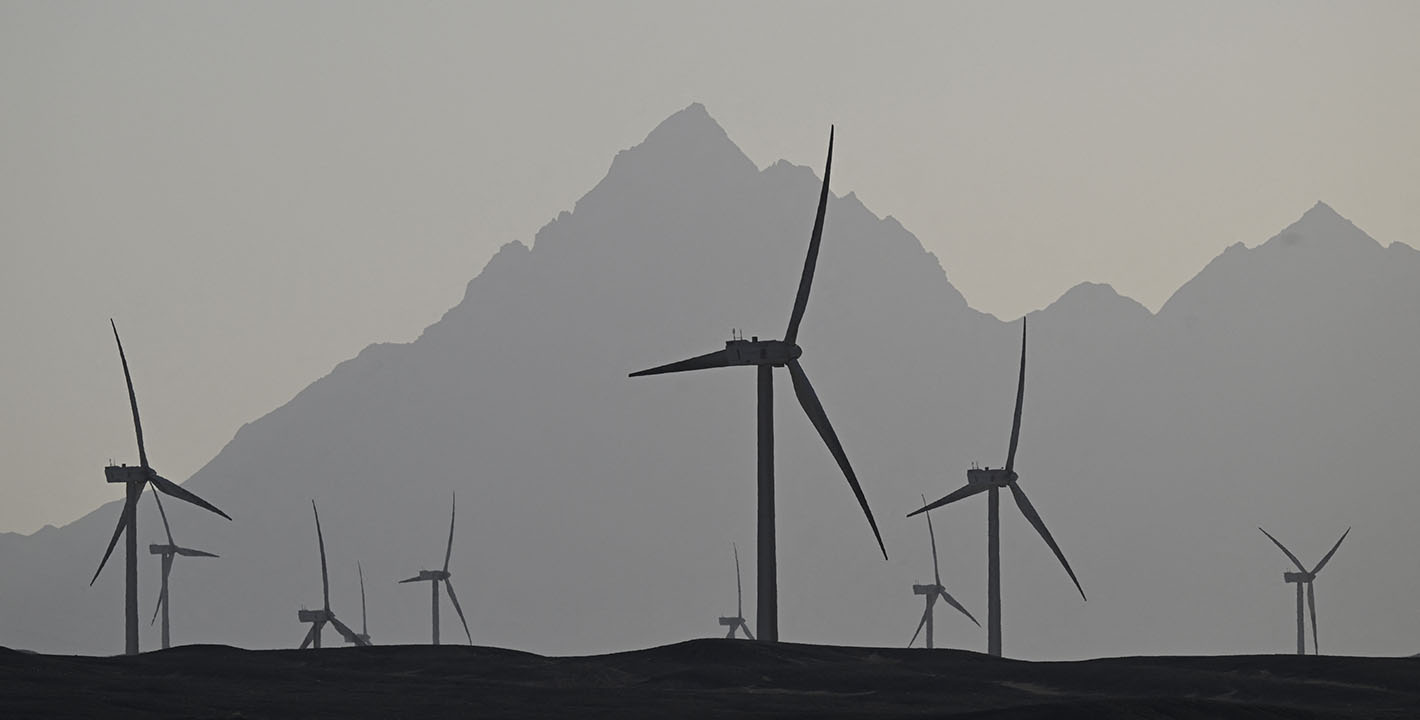
There is a disturbing structural parallel between the old global energy economy and the new green transition.

Angie Omar