

Paper
James L. Schoff, Douglas E. Rake, Joshua Levy
{
  "authors": [
    "James L. Schoff"
  ],
  "type": "legacyinthemedia",
  "centerAffiliationAll": "dc",
  "centers": [
    "Carnegie Endowment for International Peace"
  ],
  "collections": [],
  "englishNewsletterAll": "asia",
  "nonEnglishNewsletterAll": "",
  "primaryCenter": "Carnegie Endowment for International Peace",
  "programAffiliation": "AP",
  "programs": [
    "Asia"
  ],
  "projects": [],
  "regions": [
    "North America",
    "United States",
    "East Asia",
    "Japan"
  ],
  "topics": [
    "Political Reform",
    "Foreign Policy"
  ]
}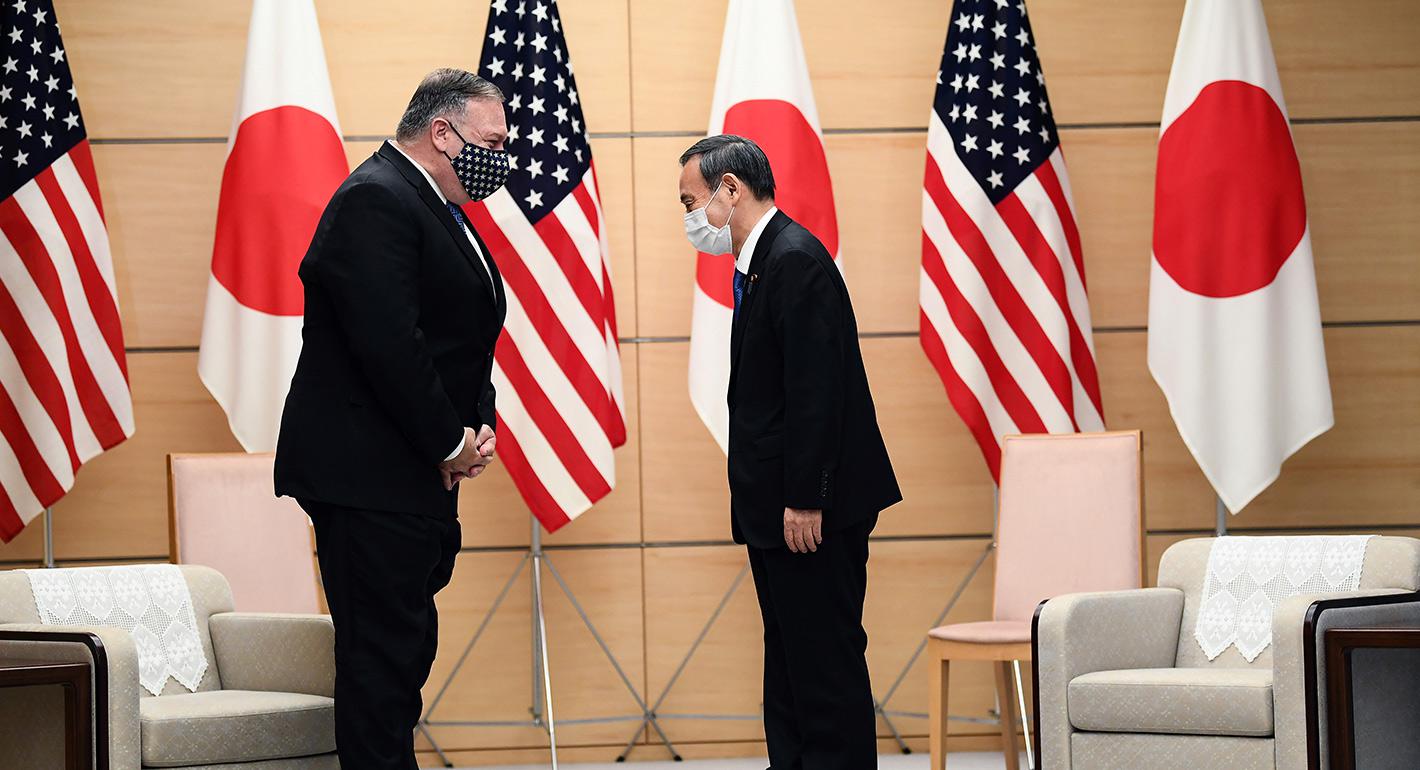
Source: Getty
Unfortunately, the promise of U.S. democracy and the vitality that often flows from its liberty and diversity is in danger of being overwhelmed by tribalism and economic inequality.
Source: National Interest
Bitter and deepening political division in the United States is a serious challenge for Japanese foreign policy — a challenge that is likely to grow in the coming year amid political dysfunction and the impact of COVID-19.
US political decline is not a new phenomenon but it is becoming more acute under President Donald Trump, who has taken an already politicised US electorate and amplified it. Unfortunately, the promise of US democracy — and the vitality that often flows from its liberty and diversity — is in danger of being overwhelmed by tribalism and economic inequality. This would make the United States a less reliable bilateral and multilateral partner for Japan.
This article was originally published by the National Interest.
Former Senior Fellow, Asia Program
James L. Schoff was a senior fellow in the Carnegie Asia Program. His research focuses on U.S.-Japan relations and regional engagement, Japanese technology innovation, and regional trade and security dynamics.
Recent Work
James L. Schoff, Douglas E. Rake, Joshua Levy
James L. Schoff
Carnegie does not take institutional positions on public policy issues; the views represented herein are those of the author(s) and do not necessarily reflect the views of Carnegie, its staff, or its trustees.

In an interview, Rozina Ali discusses her new book on the rise and manifestations of Islamophobia in the United States.

Michael Young

In an interview, Ian Lustick and Eli Clifton discuss their new book on why a prominent ally has so much influence in America.
Michael Young

As the U.S. stumbles in its war with Iran, we are likely to see an acceleration of its disengagement from the region.
Michael Young

Middle Eastern states should welcome an accelerated U.S. disengagement from their region.
Michael Young

In an interview, former ambassador Charles Freeman assesses the Trump administration’s war against Iran.
Michael Young