

Commentary
By failing to address Palestinian representation, the current process is bound to lead to just another temporary arrangement.
Nathan J. Brown
{
  "authors": [
    "Pia Fuhrhop",
    "Ulrich Kühn",
    "Oliver Meier"
  ],
  "type": "other",
  "centerAffiliationAll": "dc",
  "centers": [
    "Carnegie Endowment for International Peace"
  ],
  "collections": [],
  "englishNewsletterAll": "ctw",
  "nonEnglishNewsletterAll": "",
  "primaryCenter": "Carnegie Endowment for International Peace",
  "programAffiliation": "NPP",
  "programs": [
    "Nuclear Policy"
  ],
  "projects": [],
  "regions": [],
  "topics": [
    "Nuclear Policy",
    "Foreign Policy"
  ]
}
Source: Getty
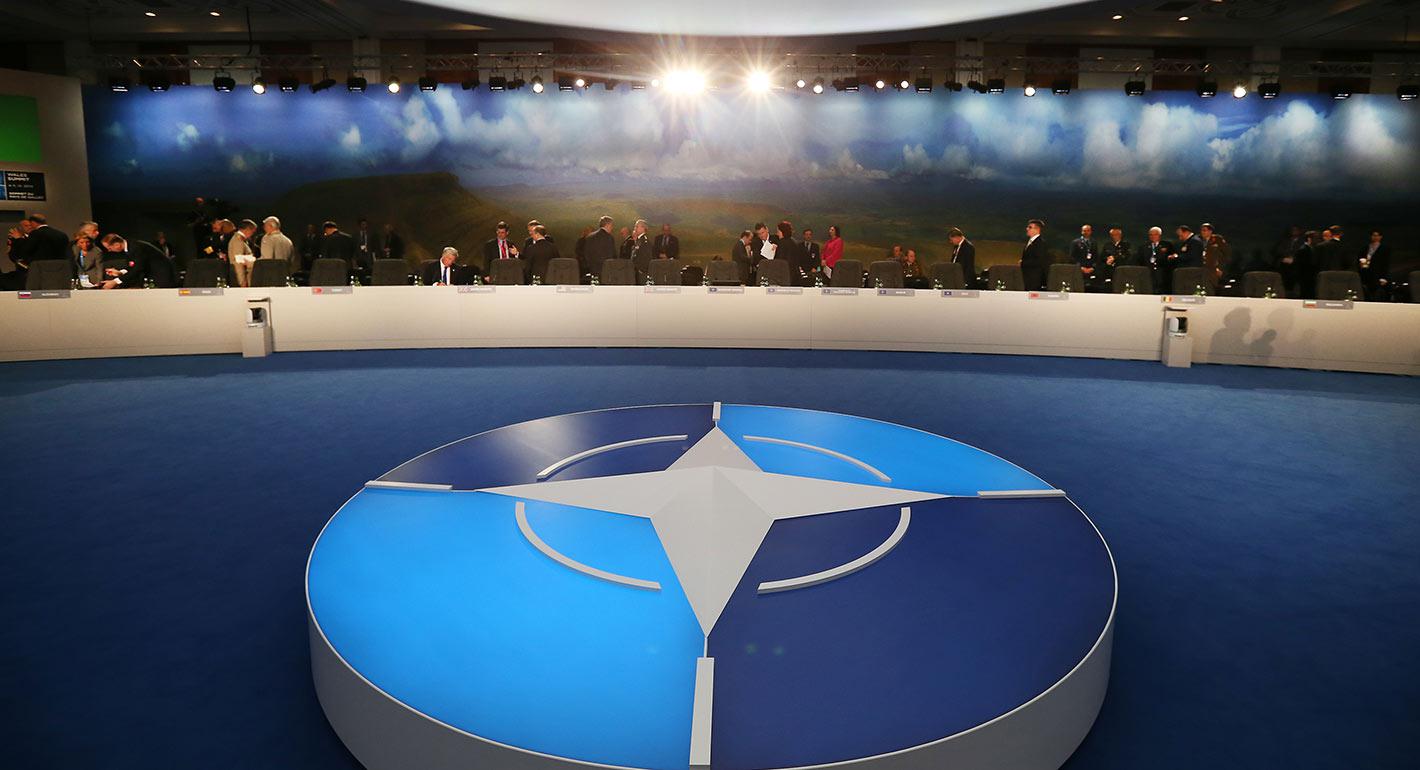
The United States could withdraw the tactical weapons it deploys in Europe with no negative consequences for NATO unity and the security of Europe. In order to secure such an outcome, German leaders and NATO policymakers will have to combine reassurance and arms control in novel and smart ways.
Source: Arms Control Today
In May 2020, a debate erupted in Germany on the future of NATO nuclear sharing and Berlin’s participation in the arrangement that has seen U.S. nuclear weapons deployed in European nations for decades. This may well turn out to be an opportunity for the alliance, European security, and arms control. Even though it might not sound very realistic today, within the next five years the United States could withdraw the tactical weapons it deploys in Europe with no negative consequences for NATO unity and the security of Europe. In order to secure such an outcome, German leaders and NATO policymakers will have to combine reassurance and arms control in novel and smart ways.
This article was originally published in Arms Control Today.
Pia Fuhrhop

Former Nonresident Scholar, Nuclear Policy Program
Ulrich Kühn was a nonresident scholar at the Carnegie Endowment for International Peace, and the head of the arms control and emerging technologies program at the Institute for Peace Research and Security Policy at the University of Hamburg.
Oliver Meier
Carnegie does not take institutional positions on public policy issues; the views represented herein are those of the author(s) and do not necessarily reflect the views of Carnegie, its staff, or its trustees.

By failing to address Palestinian representation, the current process is bound to lead to just another temporary arrangement.

Nathan J. Brown
In an interview, Marc Lynch discusses his new book decrying the post-1990 U.S.-dominated order in the Middle East.

Michael Young

Just look at Iraq in 1991.

Marwan Muasher

A coalition of states is seeking to avert a U.S. attack, and Israel is in the forefront of their mind.
Michael Young

Baku may allow radical nationalists to publicly discuss “reunification” with Azeri Iranians, but the president and key officials prefer not to comment publicly on the protests in Iran.

Bashir Kitachaev