

Article
Thomas de Waal
{
  "authors": [
    "Thomas de Waal"
  ],
  "type": "legacyinthemedia",
  "centerAffiliationAll": "dc",
  "centers": [
    "Carnegie Endowment for International Peace",
    "Carnegie Europe"
  ],
  "collections": [
    "Europe’s Eastern Neighborhood"
  ],
  "englishNewsletterAll": "ctw",
  "nonEnglishNewsletterAll": "",
  "primaryCenter": "Carnegie Europe",
  "programAffiliation": "EP",
  "programs": [
    "Europe"
  ],
  "projects": [],
  "regions": [
    "Russia",
    "Europe",
    "Türkiye",
    "Eastern Europe",
    "Caucasus",
    "Azerbaijan",
    "Armenia",
    "Iran"
  ],
  "topics": [
    "Security"
  ]
}
Source: Getty
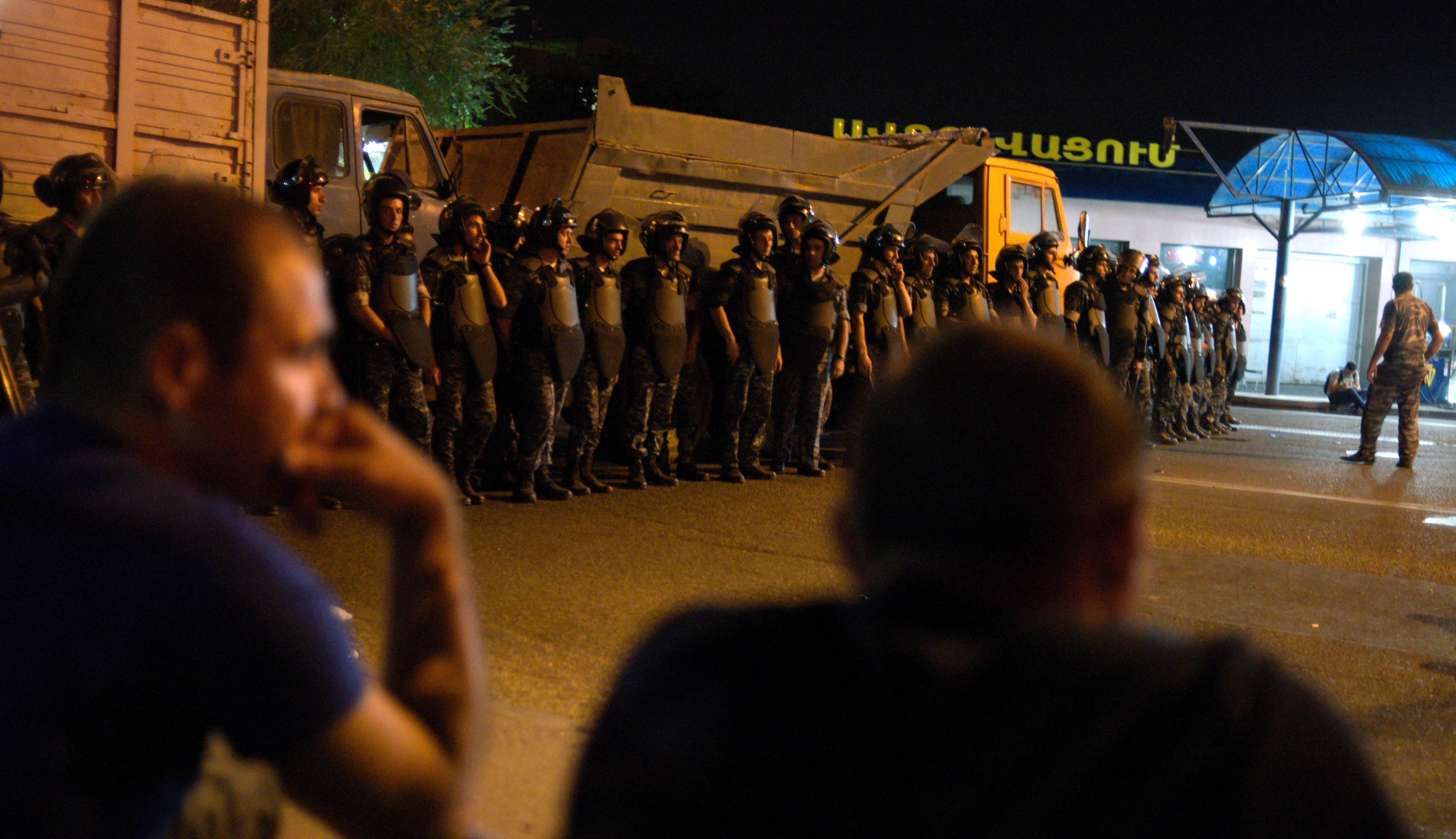
Nagorny Karabakh remains one of the most tragic and persistent disputes in Europe. Unless Armenia and Azerbaijan conclude that resolving the conflict is more in their common interest than persisting with force or allowing others to resolve it for them, it will likely remain unresolved for another generation.
Source: Foreign Affairs
For a century, conflict has flared over the region of Nagorno-Karabakh, a predominantly ethnic Armenian enclave nestled within the borders of Azerbaijan. In the 1990s, Armenians believed they had won a military victory over Azerbaijan when they took over the disputed region and many surrounding Azerbaijani areas. In late September, Azerbaijan set out to prove them wrong, launching a new military offensive that has taken many of those territories back and given thousands of displaced Azerbaijanis hope of returning to the lands they still consider home. Russian President Vladimir Putin has claimed that close to 5,000 people have already died—including dozens of civilians. And in reversing one injustice, Azerbaijan is bloodily creating a new one: the Armenians of Nagorno-Karabakh are under attack and may soon be encircled, facing potentially devastating humanitarian consequences.
The conflict in Nagorno-Karabakh remains one of the most tragic and persistent disputes in Europe. It is one of the last pieces of unfinished business from the end of World War I, still fought by the zero-sum rules of the last century: Armenia and Azerbaijan seek to pummel each other into capitulation. The devilish intractability of this conflict stems from two factors: a century-old security dilemma, in which each side has sought to achieve a sense of safety and control at the expense of the other, thereby undermining the security of both; and a democratic deficit, a total absence of societal trust and real dialogue, that makes compromise between the two sides almost impossible. The current toothless European security order cannot restrain them, nor have recent talks orchestrated by U.S. Secretary of State Mike Pompeo. The main prospects for curbing the fighting lie in the logistical limitations of the rugged terrain of Nagorno-Karabakh and the willingness and capacity of two great powers—Russia and now, after a century’s absence, Turkey—to facilitate a peace deal.

Senior Fellow, Carnegie Europe
Thomas de Waal is a senior fellow at Carnegie Europe, specializing in Eastern Europe and the Caucasus.
Recent Work
Thomas de Waal
Thomas de Waal
Carnegie does not take institutional positions on public policy issues; the views represented herein are those of the author(s) and do not necessarily reflect the views of Carnegie, its staff, or its trustees.

Morocco and Algeria, each in its own way, are having to navigate the global economic fallout of the U.S.-Israeli military campaign against Iran.

Yasmine Zarhloule
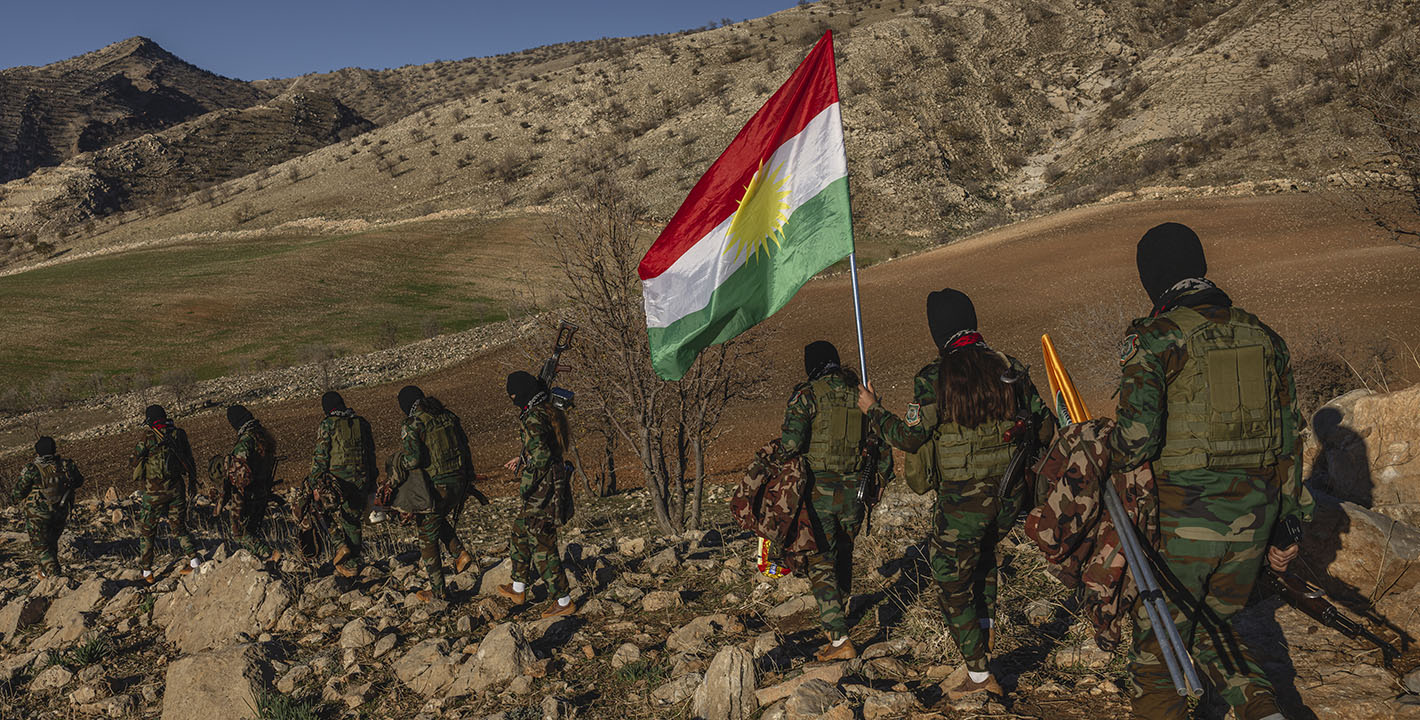
Following its deal with the United States, Iran may act against Iraq-based dissidents.
Wladimir van Wilgenburg
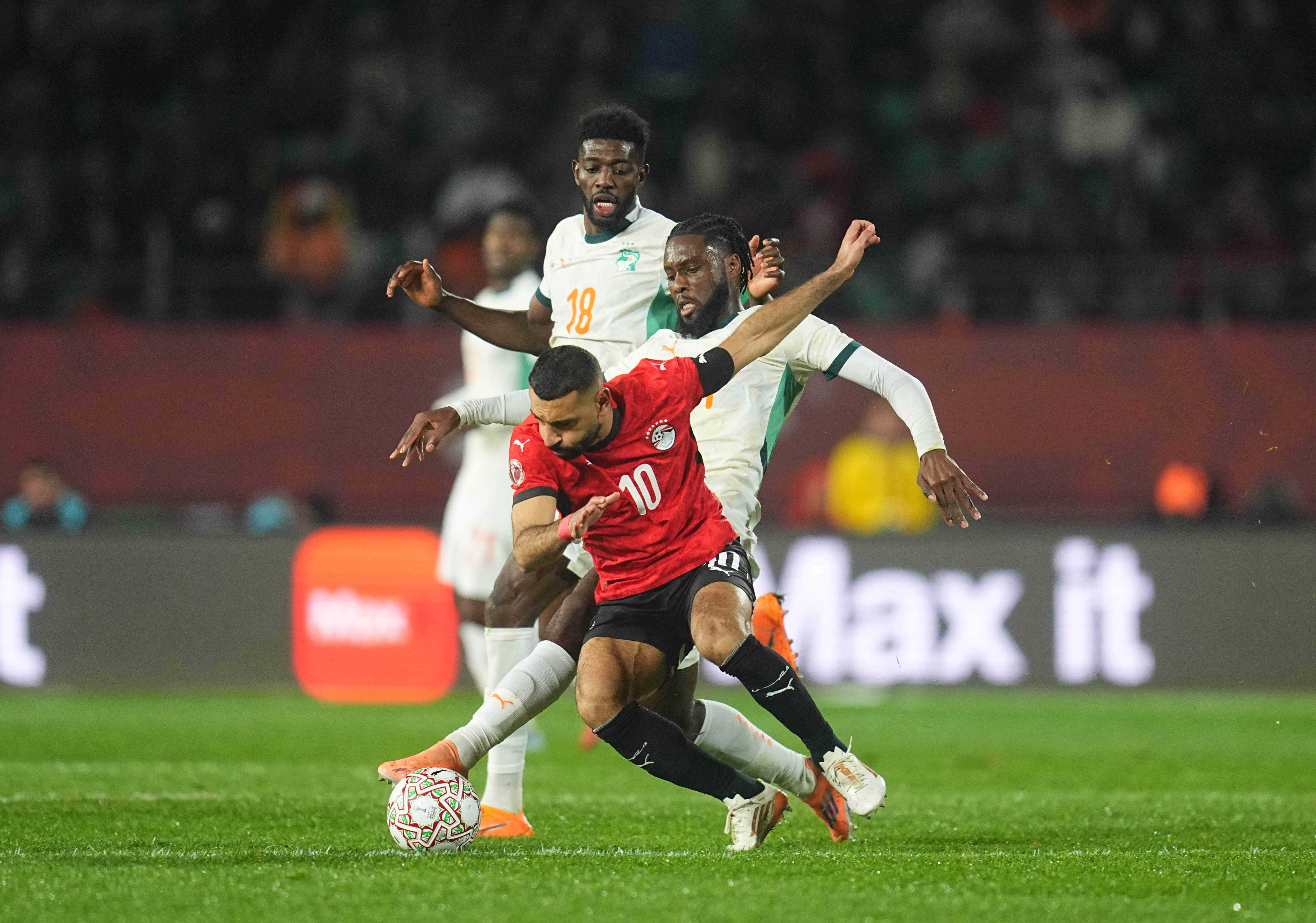
This will be the region’s most representative tournament, amid broad changes in its footballing landscape.

Issam Kayssi

In an interview, Marc Lynch discusses his new book decrying the post-1990 U.S.-dominated order in the Middle East.

Michael Young

Because perpetual conflict enhances control, offers economic benefits, and allows leaders to ignore popular preferences.

Angie Omar