
• Research
  • Diwan
  • About
  • Experts
Carnegie Middle East logoCarnegie lettermark logo
LebanonIran
{
  "authors": [
    "Rosa Balfour",
    "Lizza Bomassi"
  ],
  "type": "legacyinthemedia",
  "centerAffiliationAll": "",
  "centers": [
    "Carnegie Endowment for International Peace",
    "Carnegie Europe"
  ],
  "collections": [
    "Transatlantic Cooperation"
  ],
  "englishNewsletterAll": "",
  "nonEnglishNewsletterAll": "",
  "primaryCenter": "Carnegie Europe",
  "programAffiliation": "",
  "programs": [],
  "projects": [],
  "regions": [
    "Asia",
    "Europe",
    "North America",
    "United States",
    "East Asia",
    "China",
    "Western Europe"
  ],
  "topics": [
    "Foreign Policy",
    "Economy",
    "Trade",
    "Security"
  ]
}
REQUIRED IMAGE

REQUIRED IMAGE

In The Media
Carnegie Europe

EU and China Seal a Deal Behind Biden’s Back

Brussels seems to have put business interests before democratic values and security realities at a time when the West and Beijing are competing to vaccinate the world against coronavirus.

Link Copied
By Rosa Balfour and Lizza Bomassi
Published on Feb 4, 2021

Chatham House

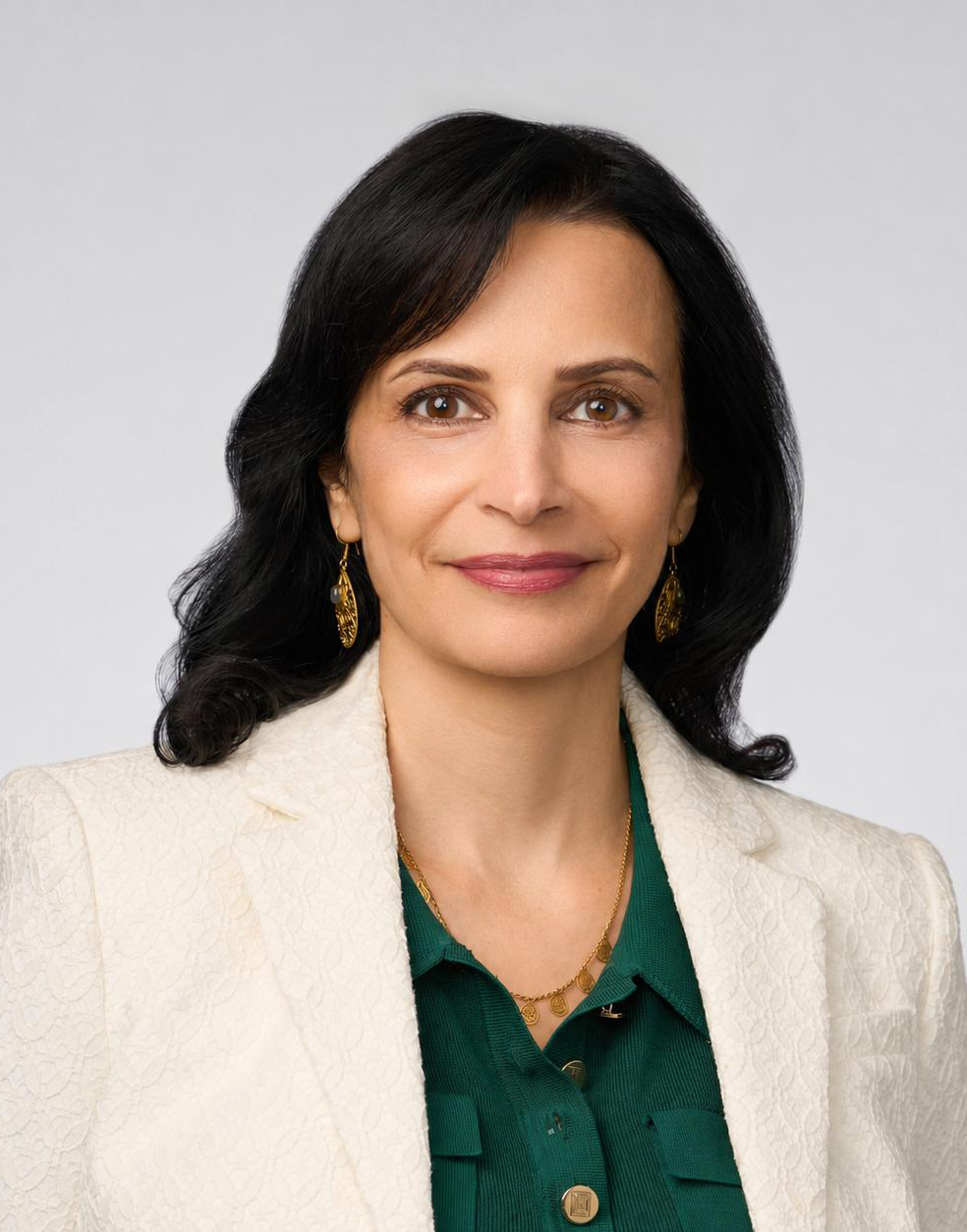
About the Authors

Rosa Balfour

Director, Carnegie Europe

Rosa Balfour is the director of Carnegie Europe. Her fields of expertise include European politics, institutions, and foreign and security policy.

Lizza Bomassi

Former Deputy Directory, Carnegie Europe

Lizza Bomassi was the deputy director of Carnegie Europe.

Authors

Rosa Balfour
Director, Carnegie Europe
Rosa Balfour
Lizza Bomassi
Former Deputy Directory, Carnegie Europe
Lizza Bomassi
Foreign PolicyEconomyTradeSecurityAsiaEuropeNorth AmericaUnited StatesEast AsiaChinaWestern Europe

Carnegie does not take institutional positions on public policy issues; the views represented herein are those of the author(s) and do not necessarily reflect the views of Carnegie, its staff, or its trustees.

More Work from Malcolm H. Kerr Carnegie Middle East Center

  • Paper
    Egypt’s Military Landlord Economy and its Limitations

    The armed forces champion a form of capitalism that is generating revenue, but its reliance on rent faces diminishing returns, leaving the country with massive sunk costs and deferred returns, deepening dependency on external borrowing.

      Yezid Sayigh

  • Article
    From Hormuz to the Maghreb: The Geopolitical Reach of a Gulf Crisis

    Morocco and Algeria, each in its own way, are having to navigate the global economic fallout of the U.S.-Israeli military campaign against Iran.

      Yasmine Zarhloule

  • Commentary
    Diwan
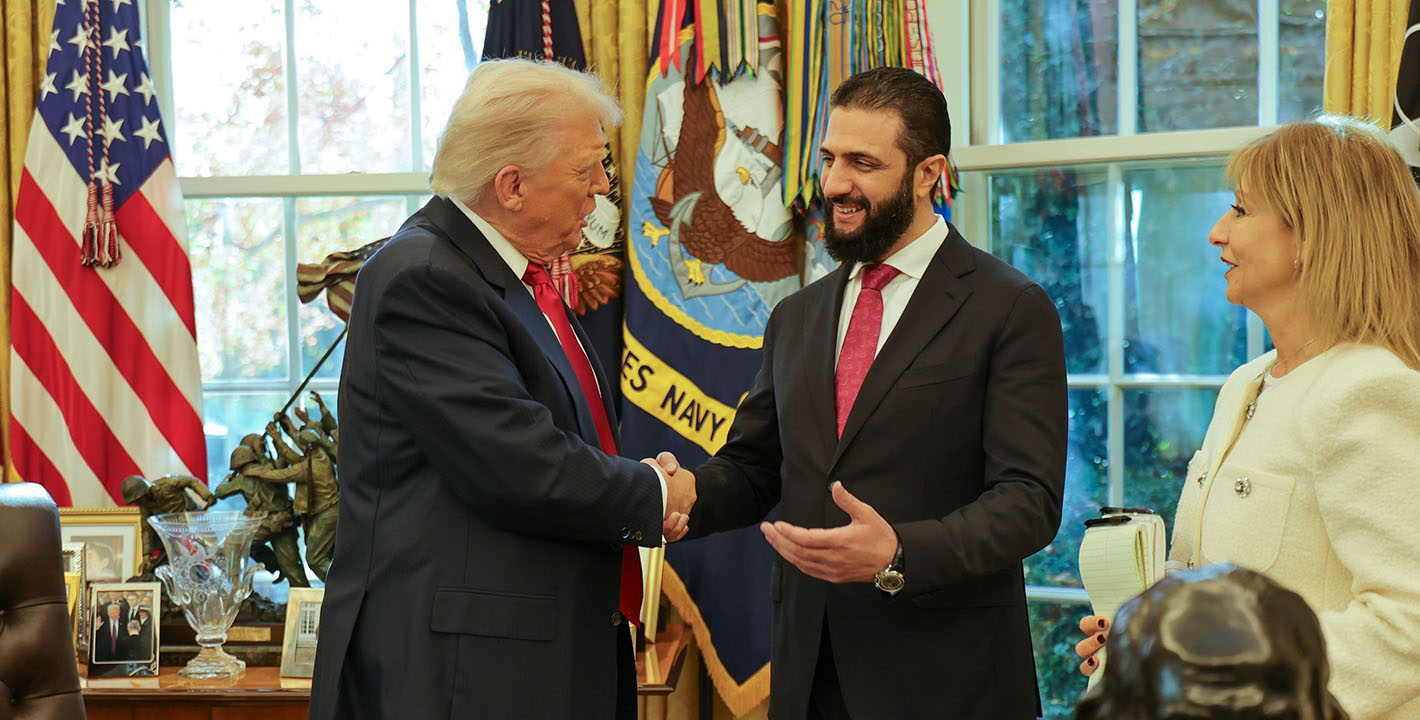
    New Syria, Old Lebanon: Absence of the State

    Any move by the United States to make good on Trump’s suggestion that Washington persuade Damascus to confront Hezbollah militarily would have catastrophic consequences. 

      Kheder Khaddour

  • Commentary
    Diwan
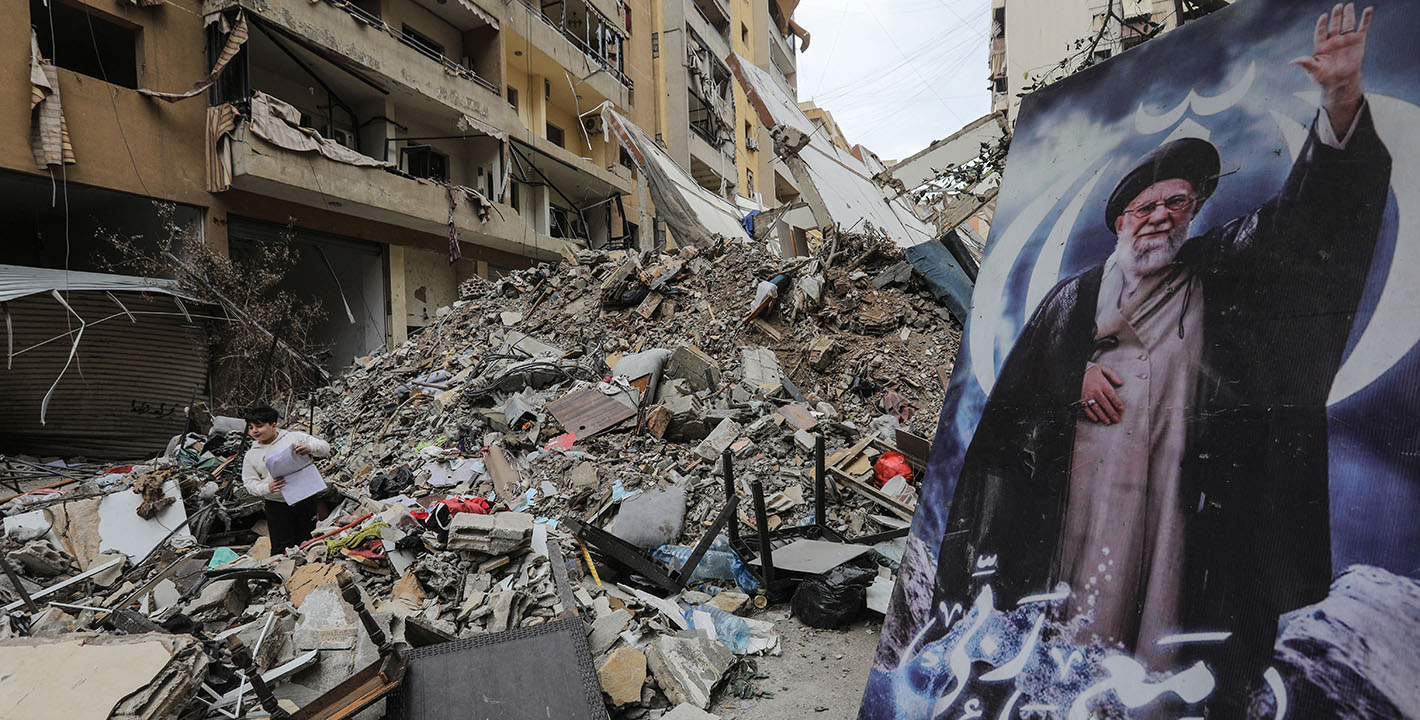
    Lebanon Should Try to Place Hezbollah on the U.S.-Iran Table

    As talks begin between Washington and Tehran, Beirut has an opening to advance a regional plan for the party’s disarmament.

      Michael Young

  • Commentary
    Diwan
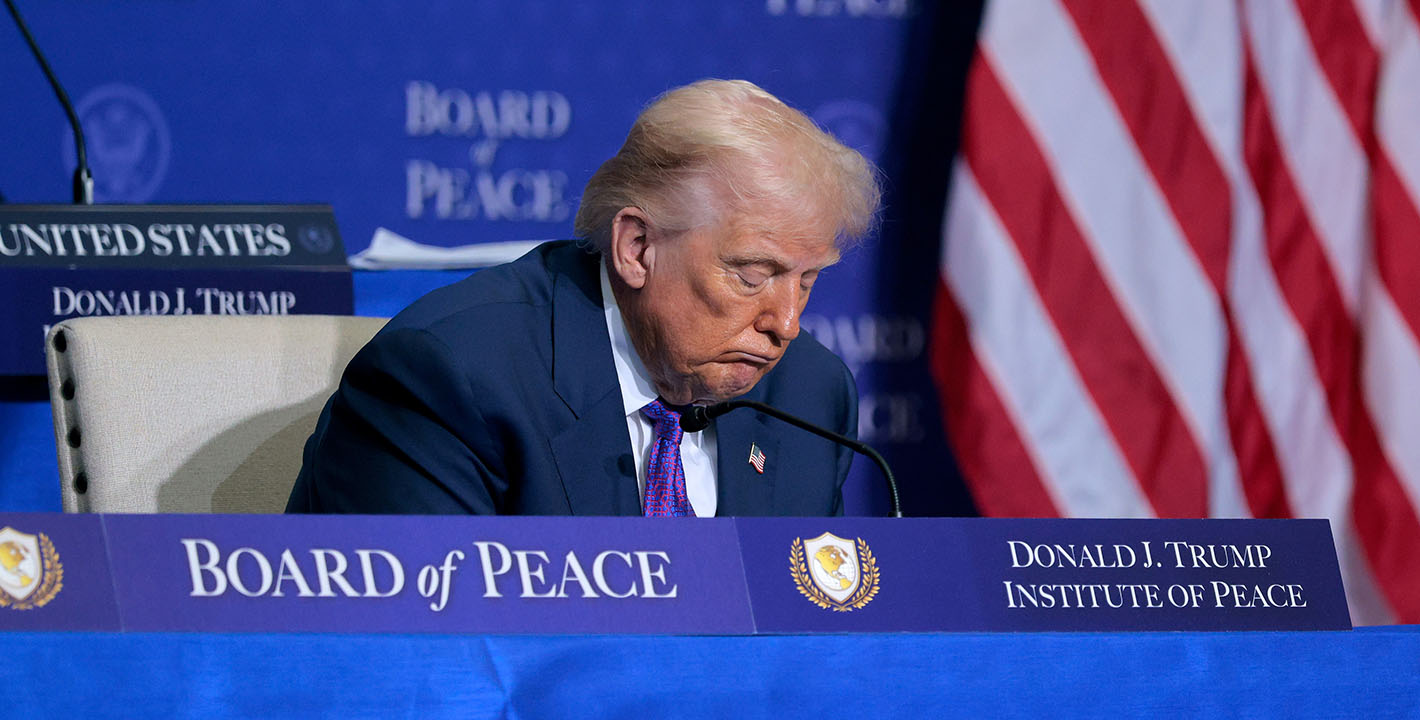
    Board Up Donald Trump’s Failed Board of Peace

    What is behind Marco Rubio’s announcement that the body is now an international nongovernmental organization?

      • Zaha Hassan

      Zaha Hassan

Get more news and analysis from
Malcolm H. Kerr Carnegie Middle East Center
Carnegie Middle East logo, white
  • Research
  • Diwan
  • About
  • Experts
  • Projects
  • Events
  • Contact
  • Careers
  • Privacy
  • For Media
Get more news and analysis from
Malcolm H. Kerr Carnegie Middle East Center
© 2026 Carnegie Endowment for International Peace. All rights reserved.